





 Portuguese
  English
  Spanish
  3 min of reading


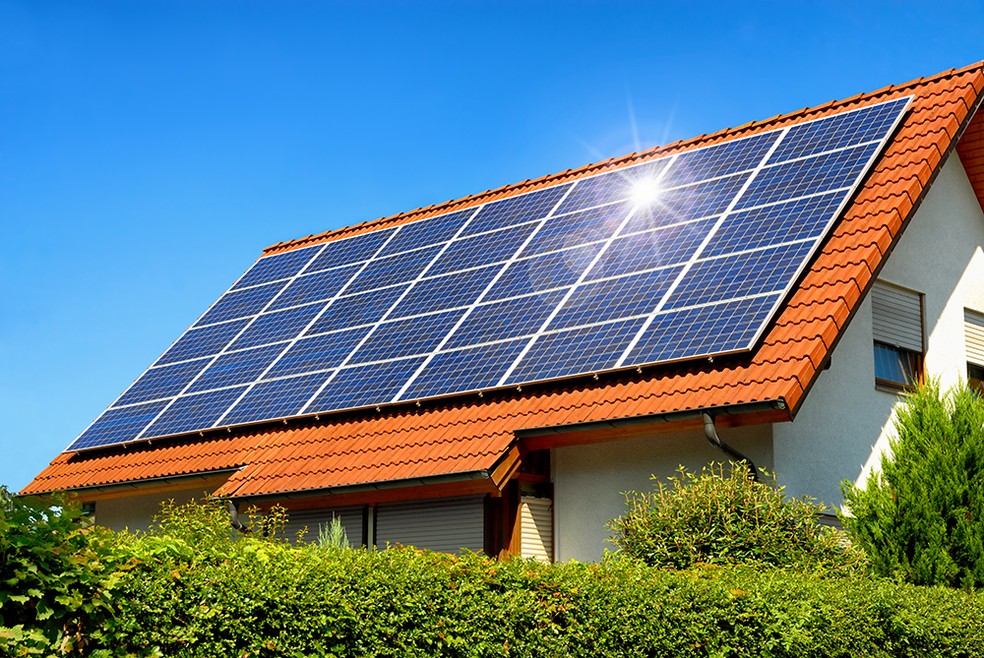
The Data On The Use Of Solar Energy In Residences Was Released By The Secretary Of Planning And Energy Development Of The MME
Brazil has one of the most renewable energy matrices in the world. About 48% of it is made up of renewable sources. The global average is 14%. The data was presented by the Secretary of Planning and Energy Development of the Ministry of Mines and Energy (MME), Paulo César Domingues, during the program Brasil em Pauta, which aired on the 10th. According to him, when it comes to electricity, the numbers are even higher: 85% of the Brazilian electricity matrix is renewable compared to only 20% of the global average. Also read this news: In Aneel Auction, New Solar Energy Projects In Ceará Will Receive Investments Of R$ 418 Million
- Secretariat Of Health Of ES Is Open For Selection Process For Professionals With High School, Fundamental, And Higher Education, With Salaries Up To R$ 10 Thousand
- Petrobras Will Invest R$ 8 Billion Over The Next Five Years To Drill Oil Wells; Pará-Maranhão Basins Are Among The State’s Priorities
- Alumar Opens More Than 500 Job Vacancies For Higher, Technical And Intermediate Level Professionals To Work At The São Luís Unit, Capital Of Maranhão
- Senai Offers More Than 3 Thousand Vacancies In Free Online Courses (EAD), Professional Qualification With Certificates, In Areas Such As Logistics, HR, Technology And More; Enrollment Until October 15th
- Workers At COMPERJ Declare Strike And Stop The KERUI MÉTODO Consortium’s Work; Company Put More Workers On Collective Vacation Yesterday (10/12)
Diversification Of The Matrix With The Use Of Renewable Sources
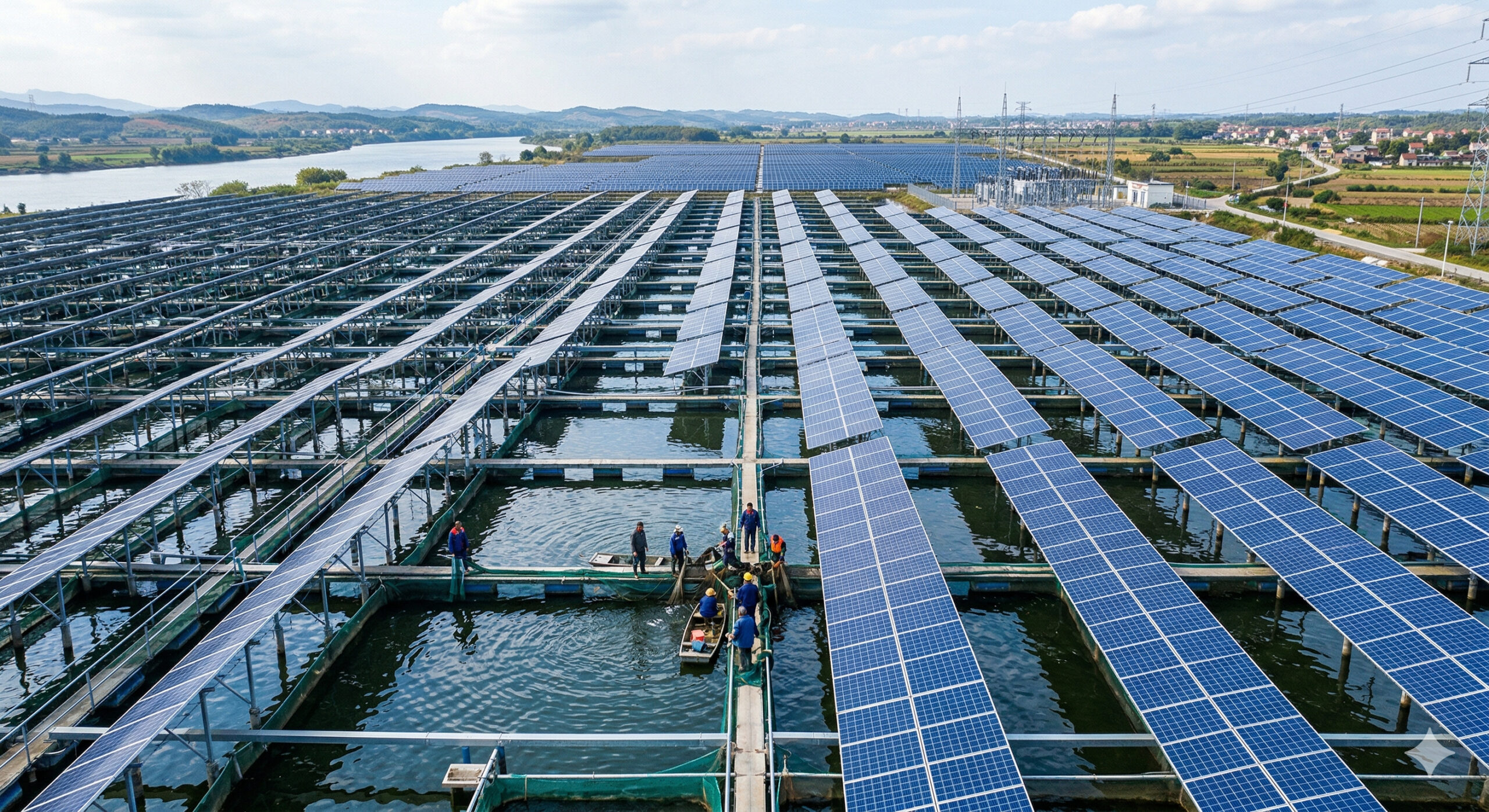
He added that, although Brazil is still very dependent on hydroelectric plants (85% of electric energy has a hydric source), the country has been diversifying its matrix. Regarding solar energy, Brazil already has 10 gigawatts of installed capacity. “This is equivalent to 70% of the installed capacity of Itaipu,” he said. According to Domingues, in three years there was a 200% increase in centralized solar energy (solar plants). When it comes to distributed solar energy (panels on roofs), the growth is 2,000%.
Another source of energy that is growing in Brazil is wind energy. There are already more than 700 plants installed across the country. Today, energy from the winds is responsible for 11% of the Brazilian energy matrix.
-
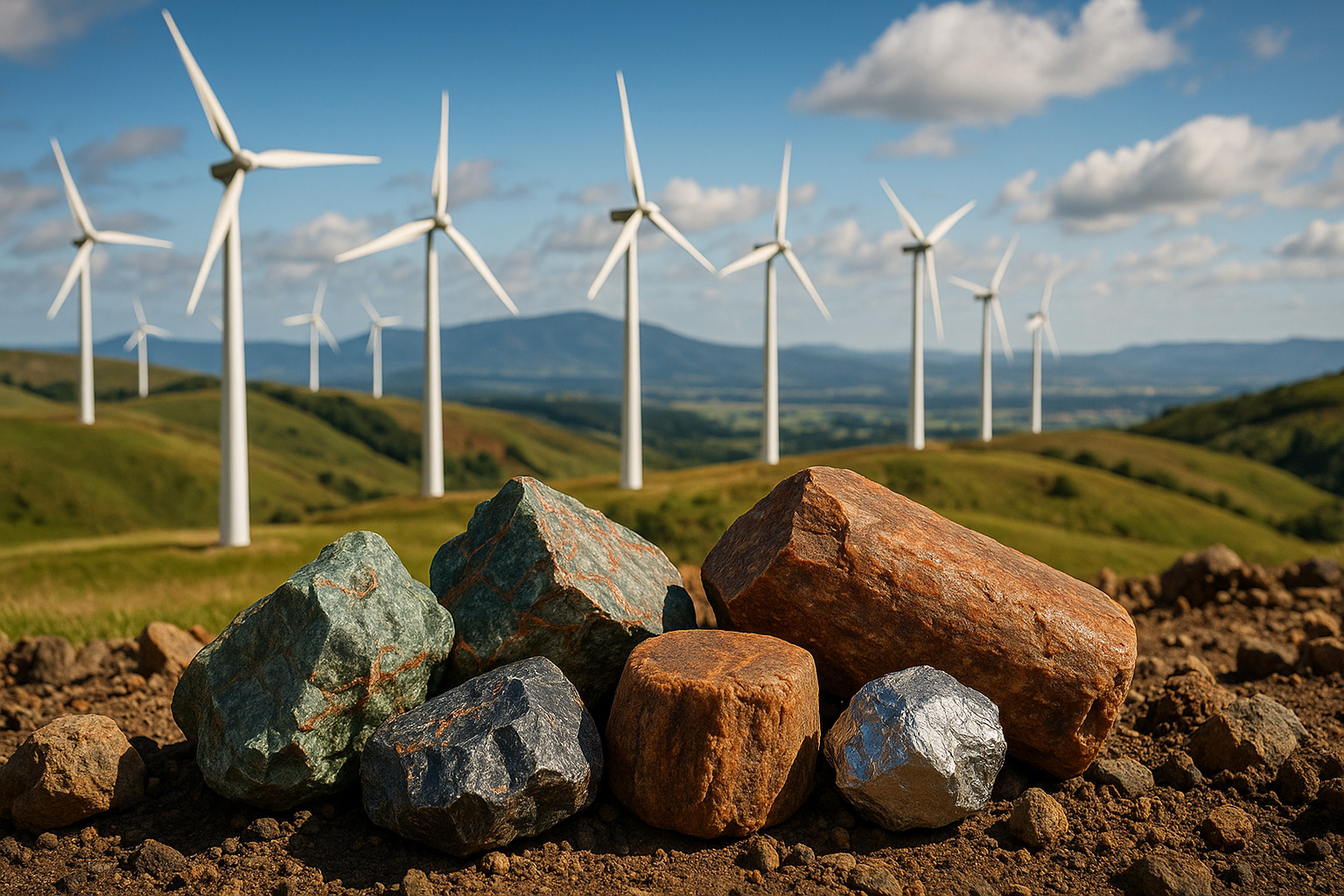
The Brazilian state accelerates industrial competitiveness with a focus on the extraction of strategic minerals to boost the energy transition in Goiás.
-
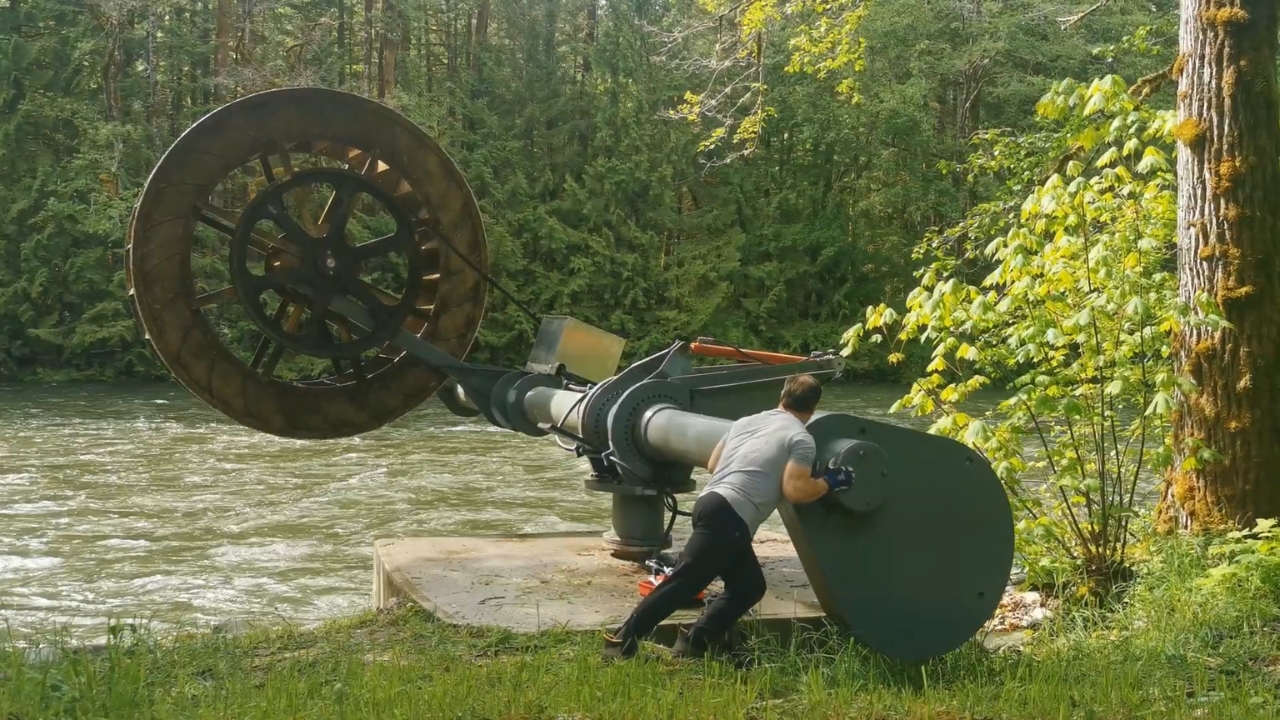
A Canadian retiree creates a hydroelectric system on a real river, generating energy continuously throughout the day and demonstrating how the power of water can supply a house with stability even in a simple structure.
-
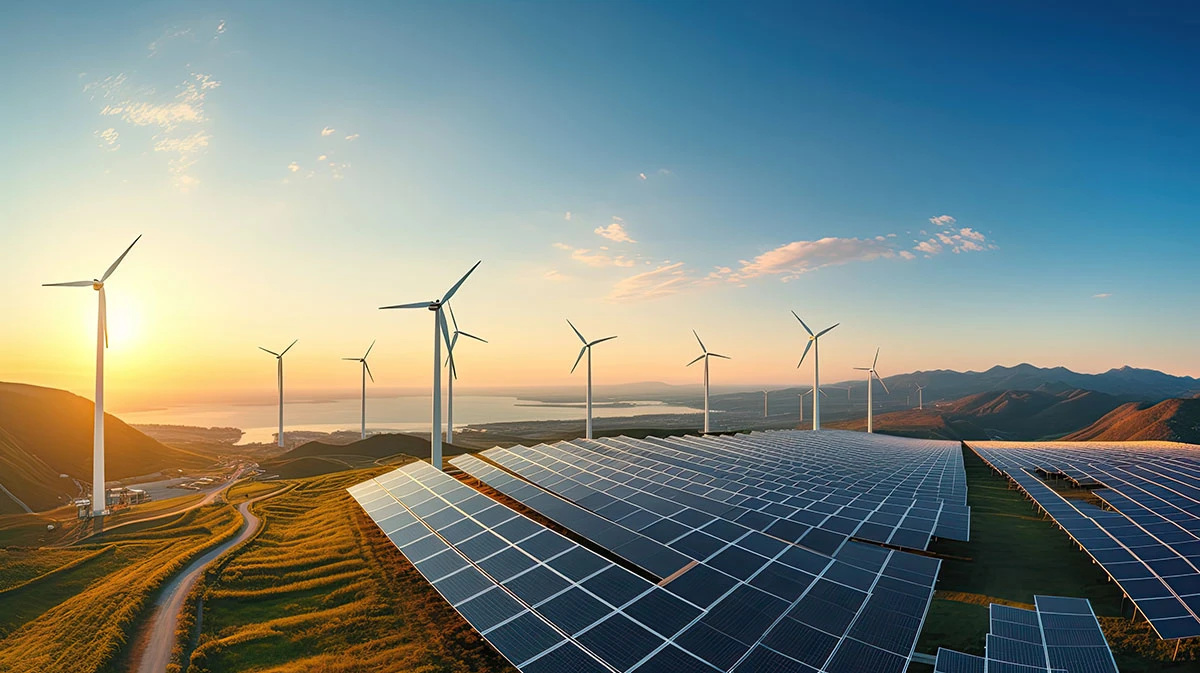
Petrobras reaffirms its commitment to the market and ensures that it will carry out the energy transition safely to maintain national sovereignty.
-
Researchers discover a possible hydrogen deposit of up to 46 million tons beneath an ancient coal basin, and the volume could exceed half of the entire global production.

Also Check: With The Creation Of 1,500 Jobs And Investments Of R$ 2 Billion, A New Solar Energy Plant Will Be Built In Paraíba
The governor of Paraíba, João Azevêdo, will authorize the installation of a photovoltaic solar energy plant in the municipality of Santa Luzia, Sertão da Paraíba. According to the governor, the Santa Luzia Solar Complex will be operated by the Rio Alto group, in the municipalities of Santa Luzia and São Mamede. More than R$ 2 billion will be invested and more than 1,500 direct and indirect jobs will be created with the project.
João states that the project will initially mobilize R$ 2 billion and generate more than 1,500 direct and indirect jobs. “We will soon be producing clean and renewable energy so that we can save water and generate even more jobs,” emphasizes the governor of Paraíba about the construction of the new photovoltaic solar energy plant in the state.
The clean and renewable energy alternative is the solution to the energy crisis that the country is facing due to the drought. “Especially because the Brazilian energy matrix depends on hydroelectric plants, whose production declines during drought periods. This leads to frequent increases in electricity prices. Implementing new solar and wind energy parks is what will save the country from the energy crisis we are currently living through,” he emphasized about the solar energy plant.
The Santa Luzia Solar Complex will consist of 28 photovoltaic solar plants of 58MWp, totaling 1.625GW of capacity, in an area of 1,700 hectares, in the cities of Santa Luzia and São Mamede. According to the Rio Alto group, 1.3 million solar panels, 10,800 trackers, and 3,700 string inverters will be installed. The expectation is that the park’s construction will be completed in January 2023.







Seja o primeiro a reagir!