





 Portuguese
  English
  Spanish
  6 min of reading
  1 comment


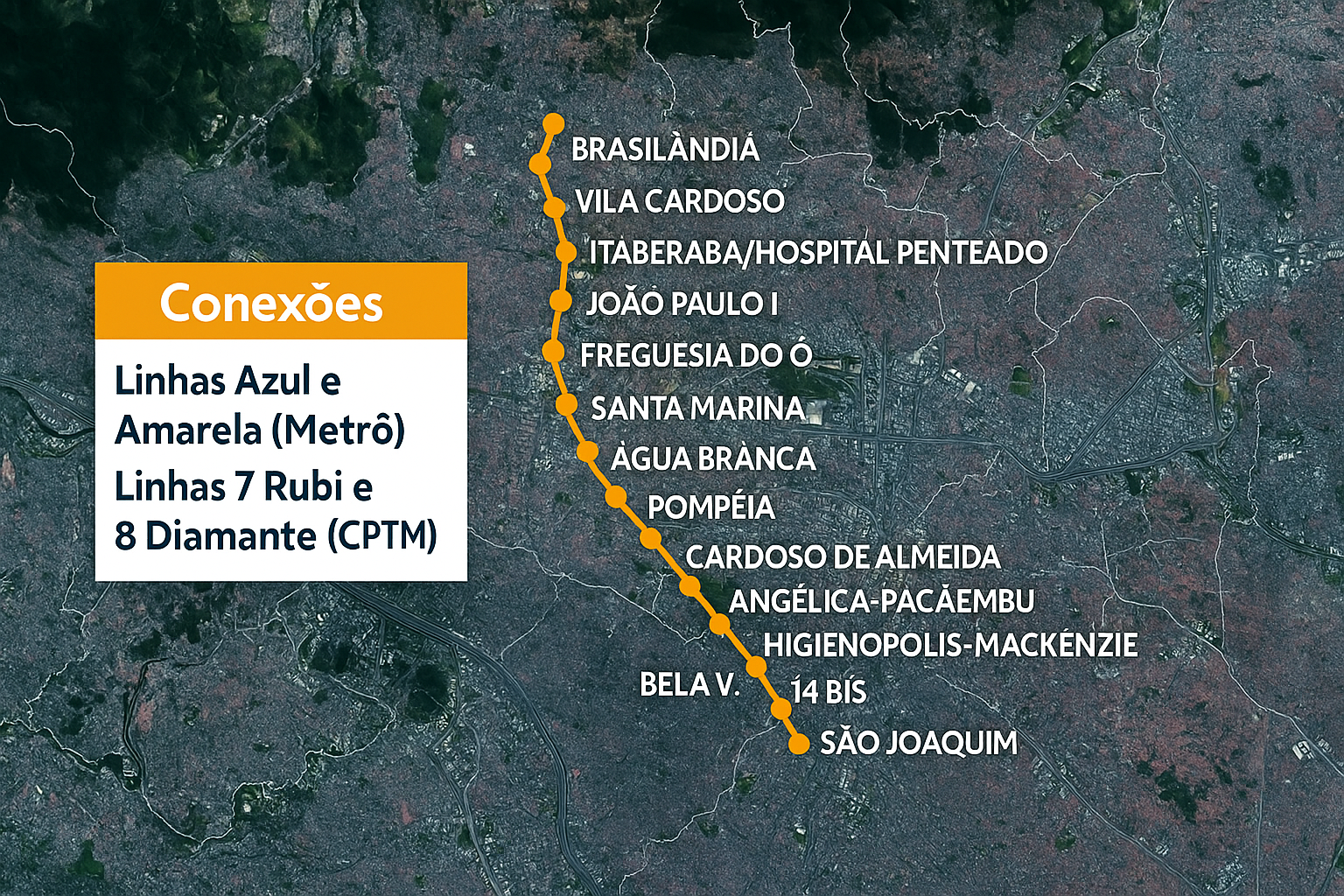

Discover the Deepest Stations in Brazil. In São Paulo, the Latin American metro advances to 64 meters deep with cutting-edge engineering and urban curiosities that go unnoticed by millions of passengers.
Amidst the noise of the tracks and the daily rush of São Paulo, few passengers realize that some metro cars dive as far as 64 meters below the surface. This feat does not occur in Nordic countries or Eastern European cities: it is happening right now in Brazil’s largest metropolis. The capital stands out for having some of the deepest metro stations in Latin America, a result of a silent revolution in Brazilian underground engineering.
The new Line 6-Orange, under construction, brings a complexity of work and technical solutions to the city’s underground like never seen in Latin America. At the center of it all, the Itaberaba-Hospital Vila Penteado station stands out as the deepest in the country’s history, reaching a depth of 65.71 meters, according to official data from the LinhaUni concessionaire, which is responsible for the works in partnership with the Government of the State of São Paulo.
The Station That Exists Beneath São Paulo
There is an invisible city beneath the feet of São Paulo residents. This underground network houses ducts, tunnels, cables, metro lines, channeled waters, and maintenance corridors. However, few of these structures impress as much as the new stations being excavated in the depths of the metropolis.
-
Goodbye iron: new technology from Xiaomi promises to revolutionize the way we iron clothes with 500 kPa steam, continuous flow of 120 g/min, heating in 65 seconds, and six smart modes for different fabrics.

-
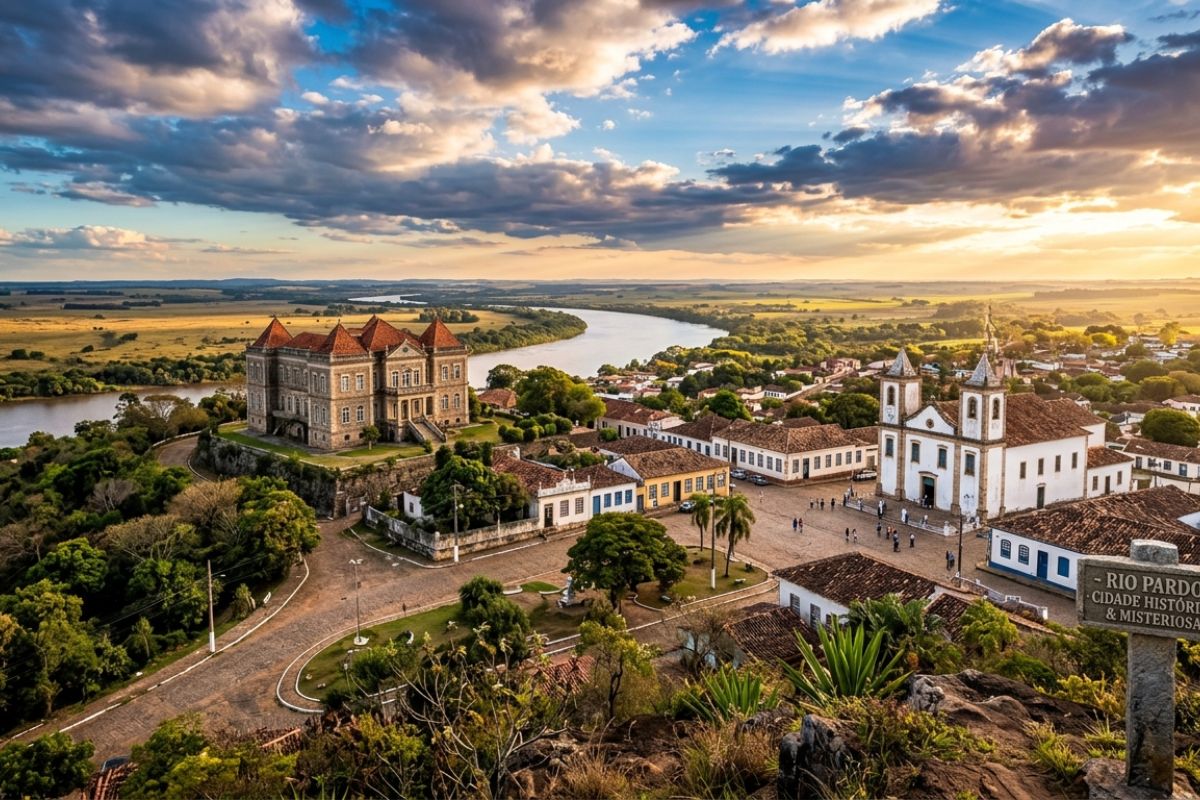
Rio Pardo, the most mysterious city in Rio Grande do Sul: untouched Pampas castle, the missing treasure of the Devil Boy, bride’s saint, invisible tunnels, and a 200-year curse today.
-
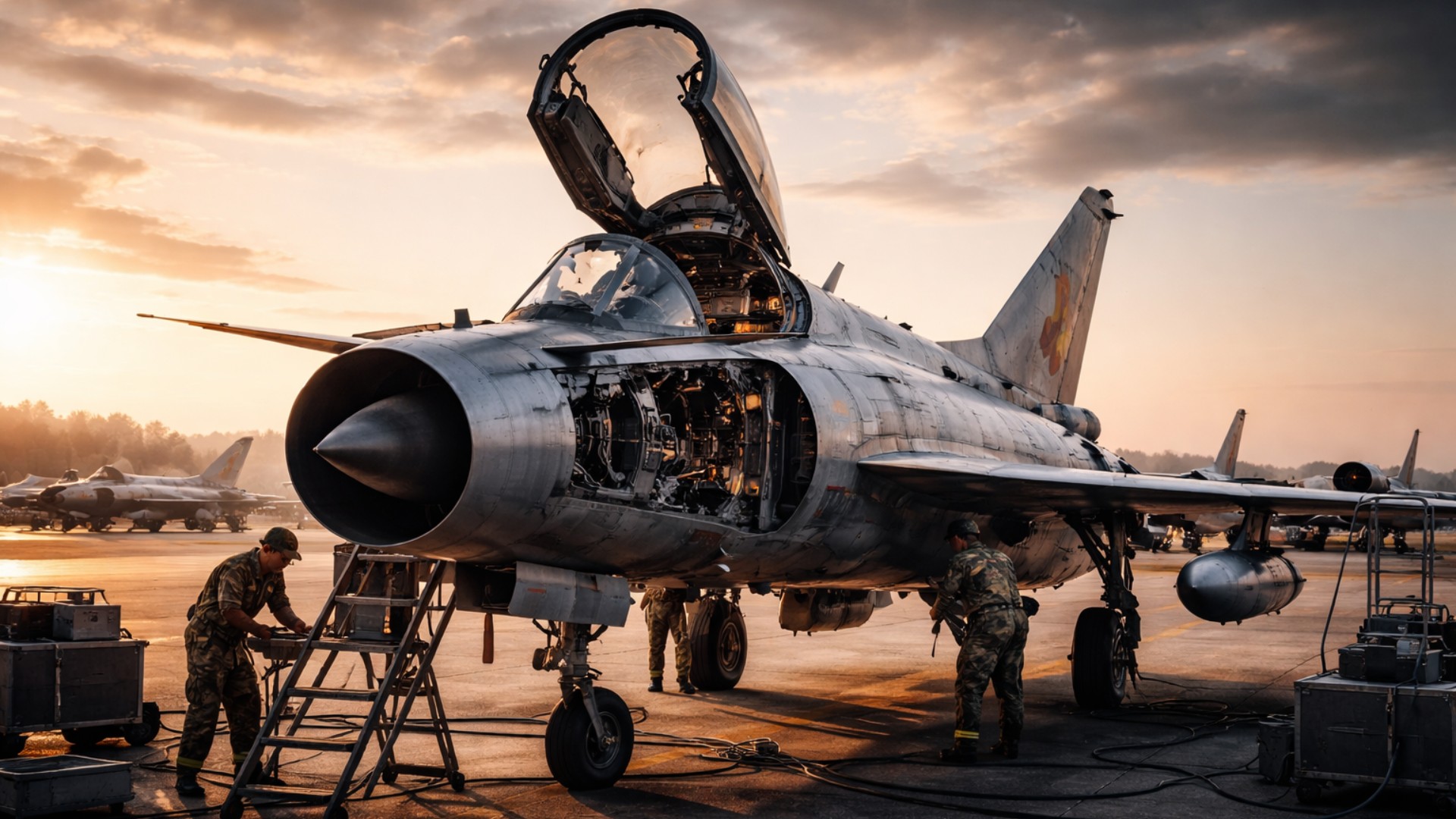
China retires the J-7 fighter after years of military protection and can now transform military items into drones, following more than 60 years of operation of the J-7, derived from the MiG-21, with thousands of units produced and strategic use in the PLAAF and PLANAF.
-
Volunteers are sought to live in the mountains for a month: a study pays people to stay at 2,500 meters, with 24-hour monitoring of sleep, metabolism, and blood pressure.

The Itaberaba-Hospital Vila Penteado station is the greatest symbol of this technical advancement. With a depth equivalent to that of a 21-story building, it is the result of a technical study aimed at minimizing urban interference, avoiding expropriations, and safely traversing the most unstable layers of soil in the northern zone.
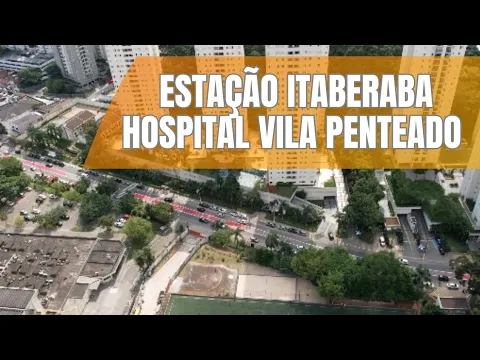

According to LinhaUni, the extreme depth was necessary for the line to cross regions already saturated with infrastructure, such as the bed of the Tietê River, while respecting the existing urban mesh. Thus, the route of the deep metro continues in tunnels dozens of meters below the surface, as if it were a second city beneath the city.
Inside the Deepest Station in Latin America
The construction of the Itaberaba-Hospital Vila Penteado station required a combination of cutting-edge technology, specialized labor, and millimeter precision. Excavations were carried out with Tunnel Boring Machines (TBM), popularly known as “mole machines,” capable of drilling through rocks and soft soils while installing concrete segments that form the tunnel walls.
This station will not only be deep but also modern and functional. Large escalators and high-capacity elevators will be installed, designed to safely and comfortably take passengers from street level to the platforms.
Ventilation, cooling systems, and emergency exits have been designed to withstand both the heat generated by operation and evacuation situations, even at great depths.
The station will also feature smart lighting, integrated surveillance cameras, and universal accessibility. All of this ensures that, even at nearly 66 meters from the ground, the user experience is as smooth as in shallower stations.
Brazil’s Underground Engineering at the Center of the World
The São Paulo metro has been for decades a showcase of Brazilian underground engineering, but Line 6 takes this reputation to a new level. It is the largest Public-Private Partnership (PPP) in Latin America in the metro-railway sector, with over R$ 15 billion in investments. The line will be 15.3 km long and will connect Brasilândia in the north zone to the São Joaquim station in the center, integrating with other lines of the metropolitan system.
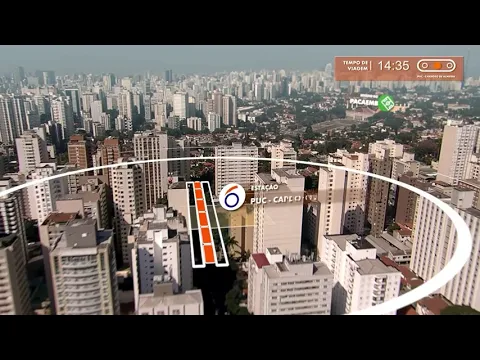
The Line 6 project is innovative not only because of its depth, but also due to the set of applied solutions. At Higienópolis-Mackenzie, for example, the depth exceeds 64 meters, which requires extra care concerning structural safety, waterproofing, and support for the surroundings.
Among the challenges faced are the heterogeneity of the subsoil, the need to coexist with historical structures, and the high urban density, which prevents conventional or superficial excavations. The success of these works depends on detailed planning, automated excavation technologies, and a real-time geotechnical monitoring system.
The Light and the History of São Paulo’s Underground
Although the Itaberaba and Higienópolis stations are the deepest, the legacy of the deep metro in São Paulo dates back to the Luz station, one of the city’s most symbolic points. Its underground version, linked to the modern Line 4-Yellow, also descends dozens of meters, with an estimated depth of 42 meters.
Luz is an example of integration between the old and the new. While its façade refers to 19th century English architecture, its underground operates with automated train technology, platform doors, and digital traffic control systems. The construction of the platforms for Line 4 required excavations beneath active railway lines, in one of the city’s busiest centers.
The station today is a symbol of coexistence between historical heritage and underground innovation, as well as a connection point for CPTM trains, the metro, and metropolitan bus lines.
Urban Curiosities That Few Notice
Among passengers, few are aware of the complexity behind the station where they board. When it comes to urban curiosities, São Paulo’s metro offers a fascinating catalog.
Few people know, for example, that the average time to descend to the platform in a station like Higienópolis or Itaberaba can exceed five minutes, depending on the speed of the escalators and the number of people accessing.
Another curious fact is that, in the deepest stations, the ambient temperature tends to rise, requiring ventilation systems with automatic sensors to prevent overheating. These details are part of a silent and efficient system, whose operation is only noticed when something fails.
Furthermore, fire safety in tunnels more than 60 meters deep requires pressurization systems and escape routes designed for evacuation in just a few minutes, making each station a complex underground engineering and risk management system.
Brazil Leading the Latin American Metro
In the continental context, São Paulo stands out as a reference in technology and scale in the metro sector. The Latin American metro, though present in major capitals like Mexico City, Buenos Aires, and Santiago, rarely combines depth, modernity, and integration like the São Paulo system.
While other cities struggle to expand their networks or renew old systems, Brazil bets on automated trains, deeply buried tunnels, digital control, and integrated ticketing. The Line 4-Yellow and the future Line 6-Orange are examples of continuous innovation, even in the face of economic challenges.
With the new deep stations, the country positions itself among the leaders in underground engineering in Latin America, consolidating a model that can be replicated in other Brazilian metropolises like Belo Horizonte, Porto Alegre, and Salvador, which also plan to expand their networks.
What to Expect from the Future
The trend of building deeper stations is expected to intensify. The scarcity of urban space, environmental restrictions, and the need to integrate new lines into already established infrastructure will require more projects to follow the path of Line 6.
For this, Brazil will need to continue investing in technical training, innovations in engineering, and efficient public-private partnerships. In addition, the challenge will be to maintain focus on the user experience, ensuring that depth does not compromise speed, accessibility, or comfort of travel.
The Itaberaba-Hospital Vila Penteado station marks a turning point. It shows that it is possible to combine depth and efficiency, challenge and solution, complexity and functionality—all beneath a city that continues to move above ground, unaware of the revolution happening in its subsoil.






Salve Tarcísio de Freitas.