





 Portuguese
  English
  Spanish
 3 min of reading
  0 comments


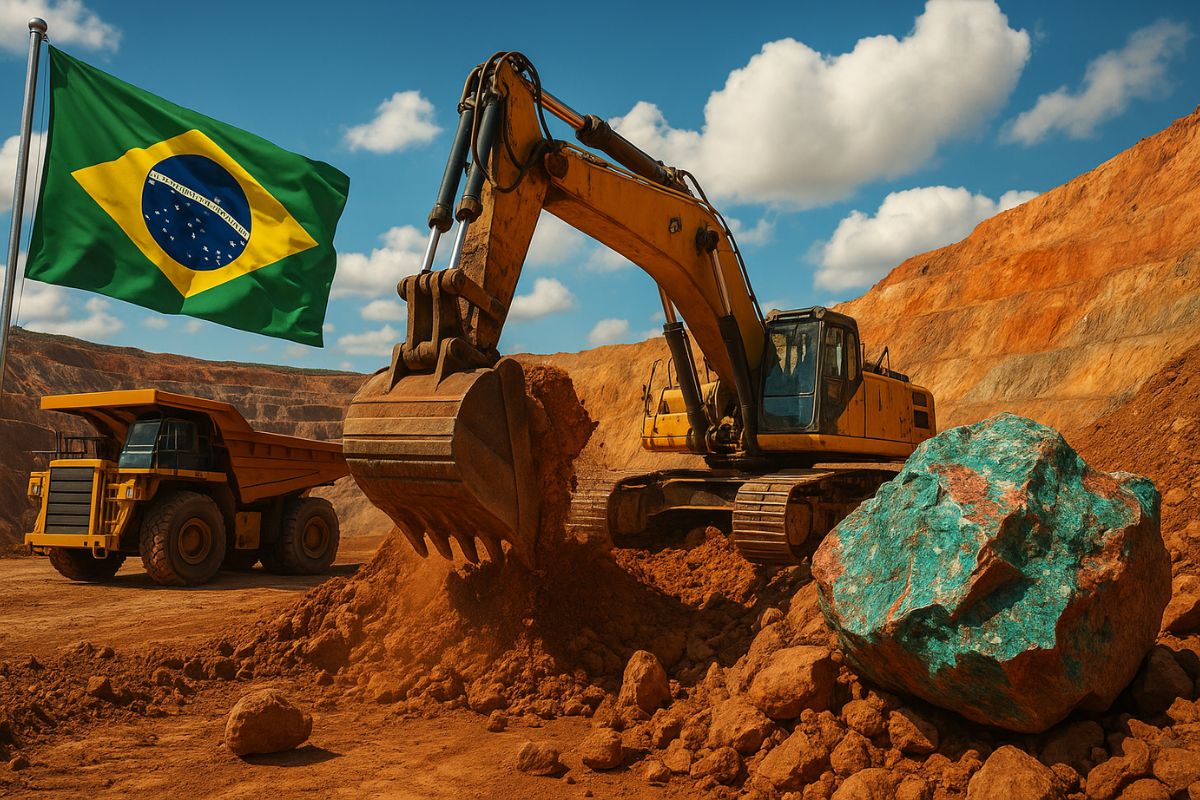
Vale Base Metals Awaits Installation License for the Bacaba Project in Pará, Which Anticipates US$ 290 Million in Investments and Could Produce 50 Thousand Tons Annually of Copper, According to UOL.
Vale is close to obtaining the installation license for the Bacaba Project in Pará, which is considered strategic for increasing the company’s copper production. The venture is expected to start operations in 2028 and will have an average annual capacity of 50 thousand tons over eight years.
According to UOL, the anticipated investment is US$ 290 million, a figure that reinforces the miner’s goal of doubling copper production in the next decade. For Vale Base Metals CEO, Shaun Usmar, Pará holds the greatest growth potential for the company in this area.
Why the Bacaba Project Is Strategic for Vale
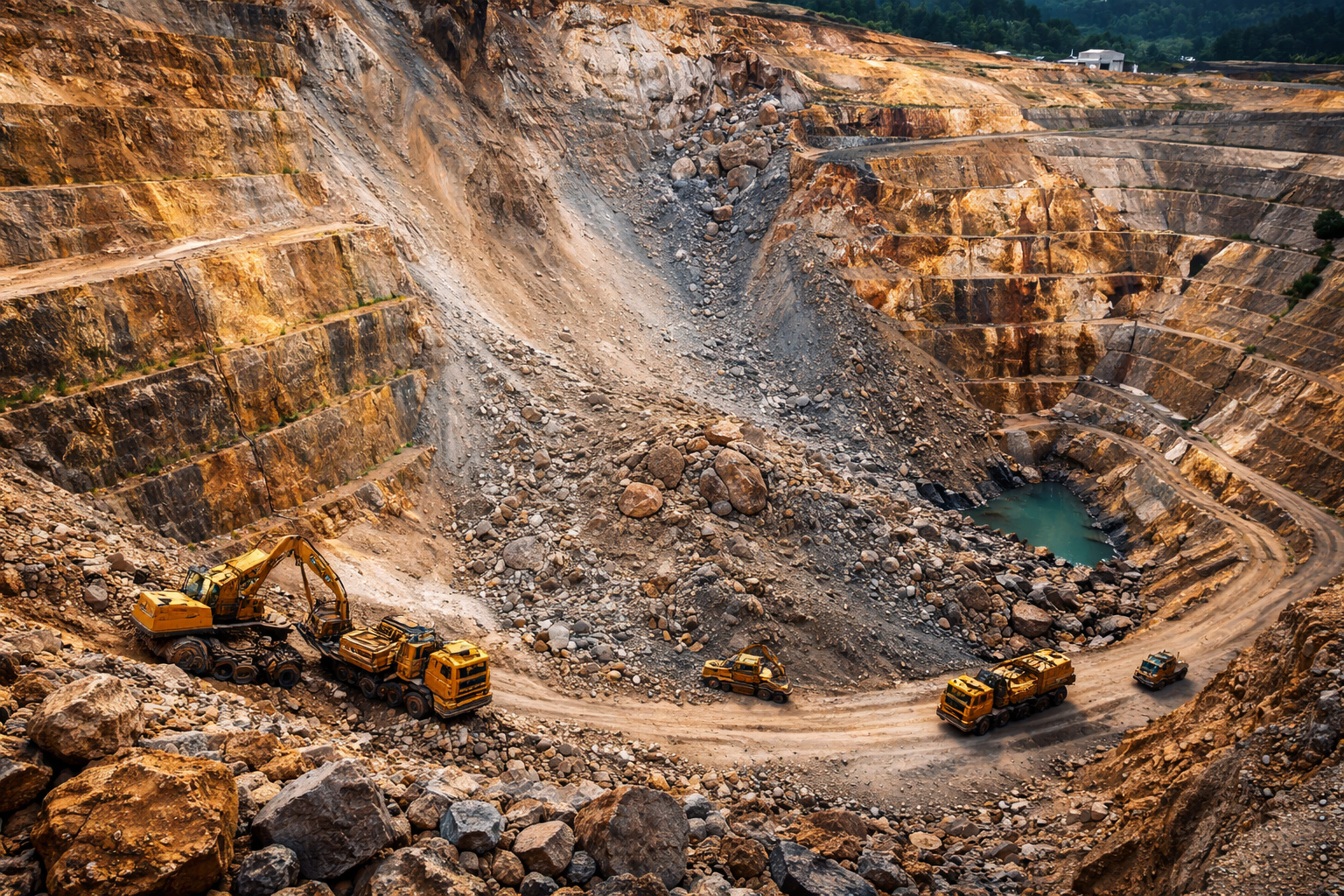
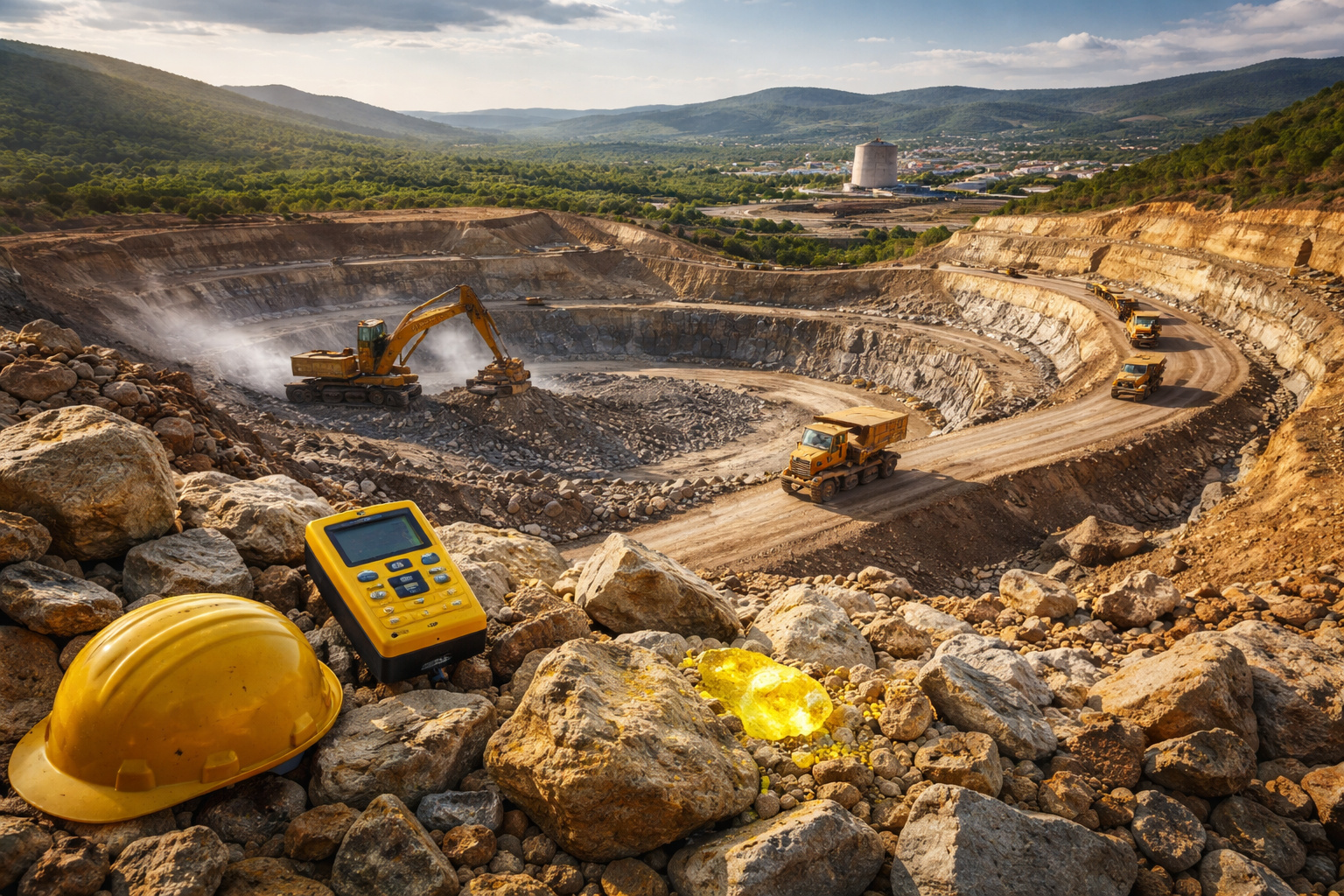
The Bacaba Project is integrated into the Sossego Mining Complex in the Carajás province, one of the richest mineral regions in the country.
-
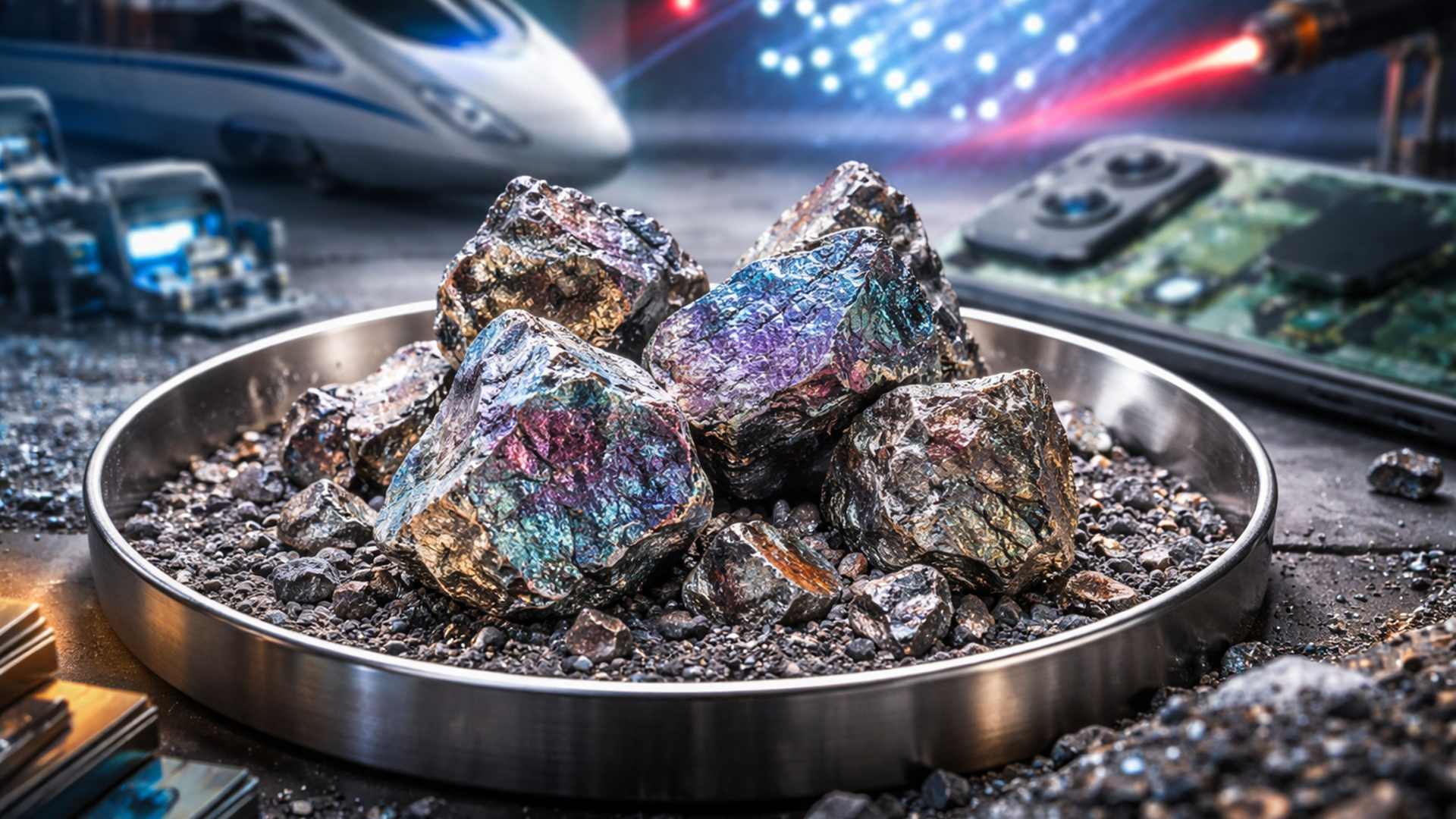
Rare earths are in everything, from cell phones to bullet trains, and what almost no one realizes is why they have become the target of such a delicate global war.
-
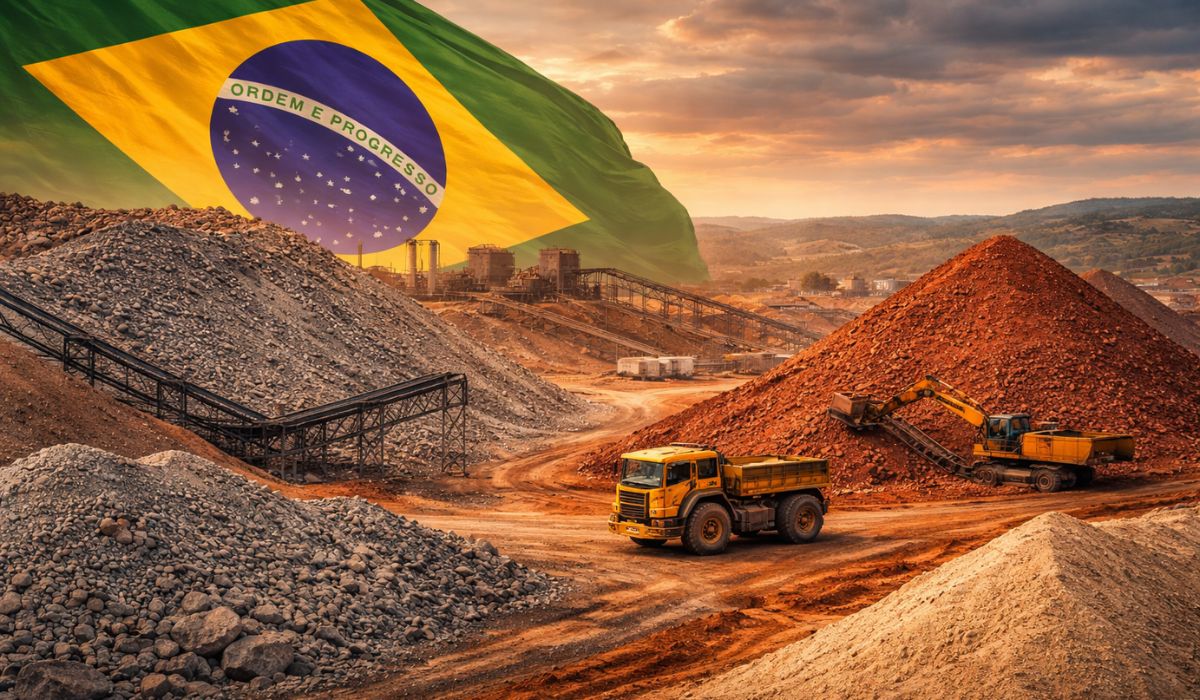
Brazil extracts 26.3 million tons of ore from what was previously treated as waste, transforming residues into wealth, producing over 3 million tons of sand, and demonstrating how national mining is relearning to generate value.
-
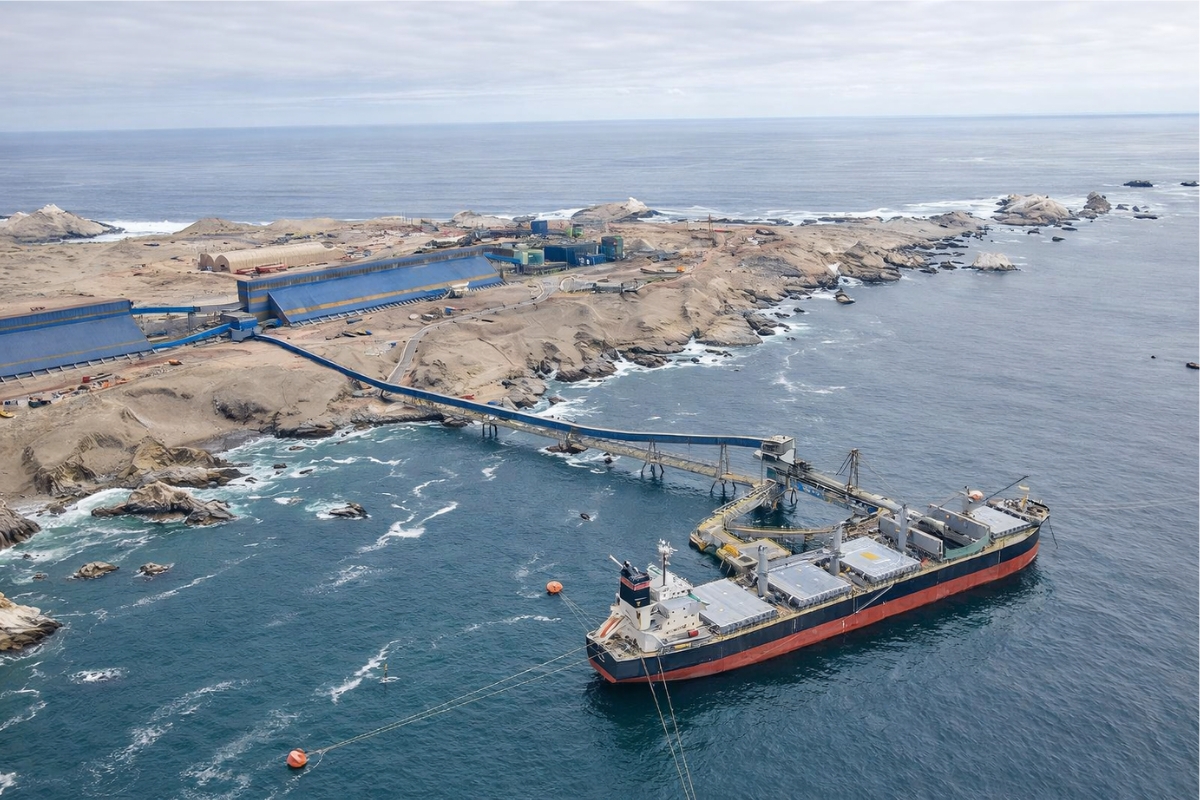
A $3.5 billion megaproject in Latin America pumps desalinated seawater at 1,050 liters per second over 194 km to keep a copper supermine in the Andes operational for another 20 years.
-
A hidden mine in the Andes valued at nearly R$ 1 trillion is starting to attract global attention, containing copper, gold, and silver, and raises an intriguing question: why do Argentina and Chile need to act together to exploit this gigantic wealth?

According to Shaun Usmar, the initiative will not only extend the lifespan of existing operations but also create space for new ventures in the region.
The executive stated that Vale has significantly increased its exploration activity in Pará.
The company aims to turn Carajás into a global copper hub, aligned with the growing international demand for essential metals for energy transition and electric vehicle production.
Expected Impact on Copper Production
With the installation license, the Bacaba Project will move to the construction phase, and it is anticipated to be operational in the first half of 2028.
The average production capacity is 50 thousand tons annually over eight years.
This volume represents a significant contribution to Vale’s plans to double its copper production capacity in the next decade.
Another relevant factor is the reduction in the “all-in” production cost, recently announced by the mining company.
For 2025, the value has dropped to between US$ 1,500 and US$ 2,000 per ton, down from previous estimates of up to US$ 3,300.
The efficiency improvement enhances the competitiveness of the Bacaba Project and strengthens Vale’s position in the international market.
Investment and Financial Outlook
In addition to its production potential, the Bacaba Project is part of a broader strategy by Vale Base Metals to prepare its assets for the future.
Shaun Usmar stated that, despite speculation, it is not the right time for an IPO of the basic metals unit.
The short-term priority is to generate organic growth and ensure competitiveness.
According to him, the company is not considering mergers or acquisitions at this moment.
The goal is to strengthen its own project pipeline, ensuring that Vale positions itself as a preferred partner in the global market and maintains competitive capital costs.
Carajás at the Center of the Strategy
Pará has established itself as the epicenter of Vale’s basic metals operations.
In addition to the Bacaba Project, the company recently inaugurated the second nickel furnace at the Onça Puma Complex.
These initiatives demonstrate that the region is central to the strategy for expanding copper and nickel, two essential inputs for sectors undergoing technological transformation.
For Shaun Usmar, the combination of abundant reserves, infrastructure, and exploration potential places Pará as a protagonist in Vale’s global strategy.
The bet is that Carajás will sustain the miner for decades and position Brazil as a leader in the energy transition.
The advancement of the Bacaba Project signals that Vale intends to accelerate its presence in the copper market and establish Pará as a strategic hub for the mineral sector.
It is expected that, with the installation license in hand, the venture will be one of the pillars of the company’s growth by 2028.
Do you believe that the Bacaba Project can transform Pará into a global copper reference? In your opinion, can Brazil balance wealth generation with the social and environmental impacts of mining? Share your views in the comments and join this debate.






Seja o primeiro a reagir!