





 Portuguese
  English
  Spanish
  3 min of reading


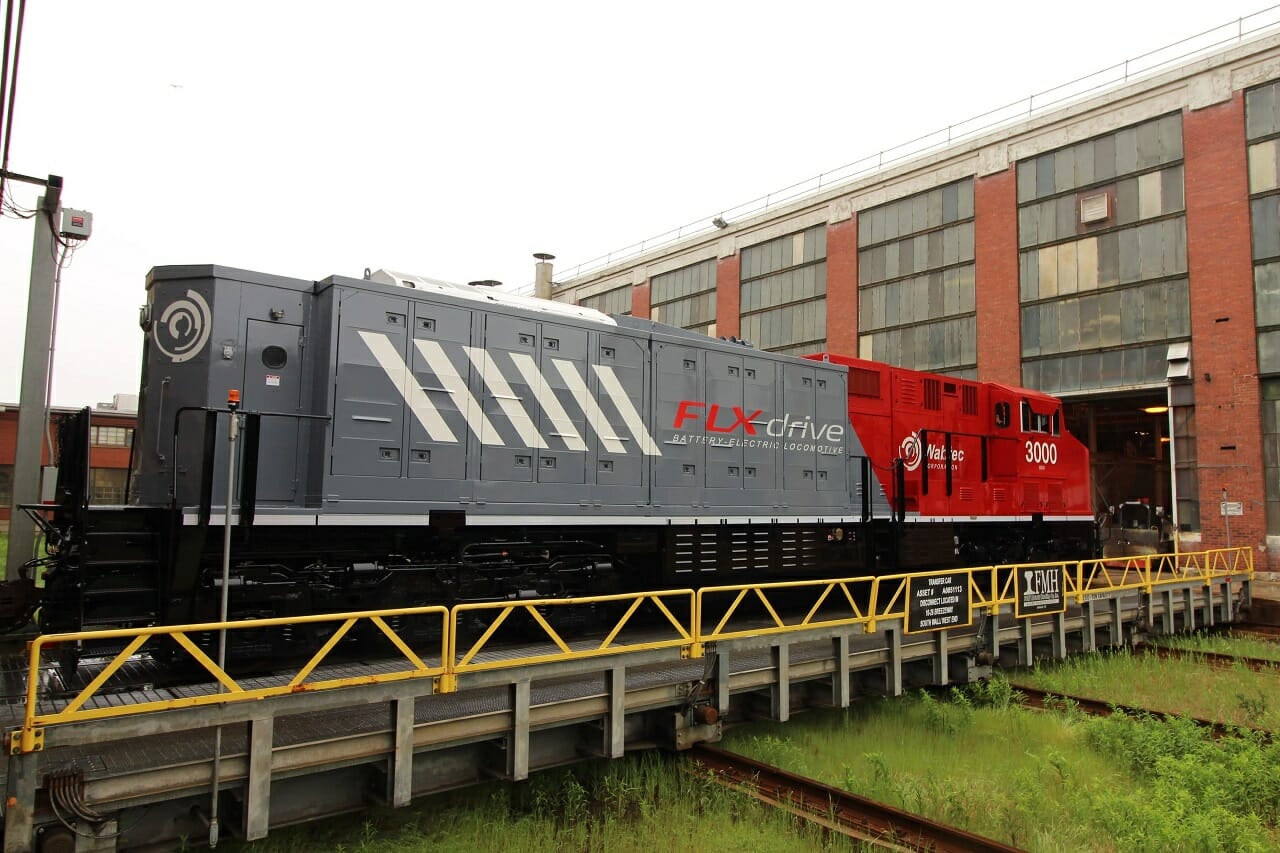
The Mining Company Vale Signed a Partnership With Wabtec for the Use of Electric Locomotives. With This, Vale Will Have the First Hybrid Railway in the Country Already in 2026.
Vale and Wabtec Corporation announced last week the purchase of three electric locomotives that utilize FLXdrive battery. A partnership was also announced for studies on a ammonia engine as an alternative fuel to diesel. The expectation is to advance the decarbonization of Vale’s railway activities, thus building a hybrid railway.
Electric Locomotives Will Be Responsible for Transporting 45 Thousand Tons of Ore
The three locomotives of the hybrid railway will be used on the Carajás Railway (EFC), which operates the largest iron ore transport train in the world, according to Vale, with 330 wagons carrying 45 thousand tons of the product.
The composition is pulled by three or four diesel-powered locomotives. Vale’s plan is to couple the three electric locomotives to the current train to pull the composition along the EFC and, mainly, on an uphill stretch of approximately 140 km in Açailândia (MA), where fuel consumption is higher.
-
Inflation in March reaches 0.88% according to IBGE and pressures the Brazilian economy, impacting family budgets and requiring more strategic decisions to maintain financial control.
-
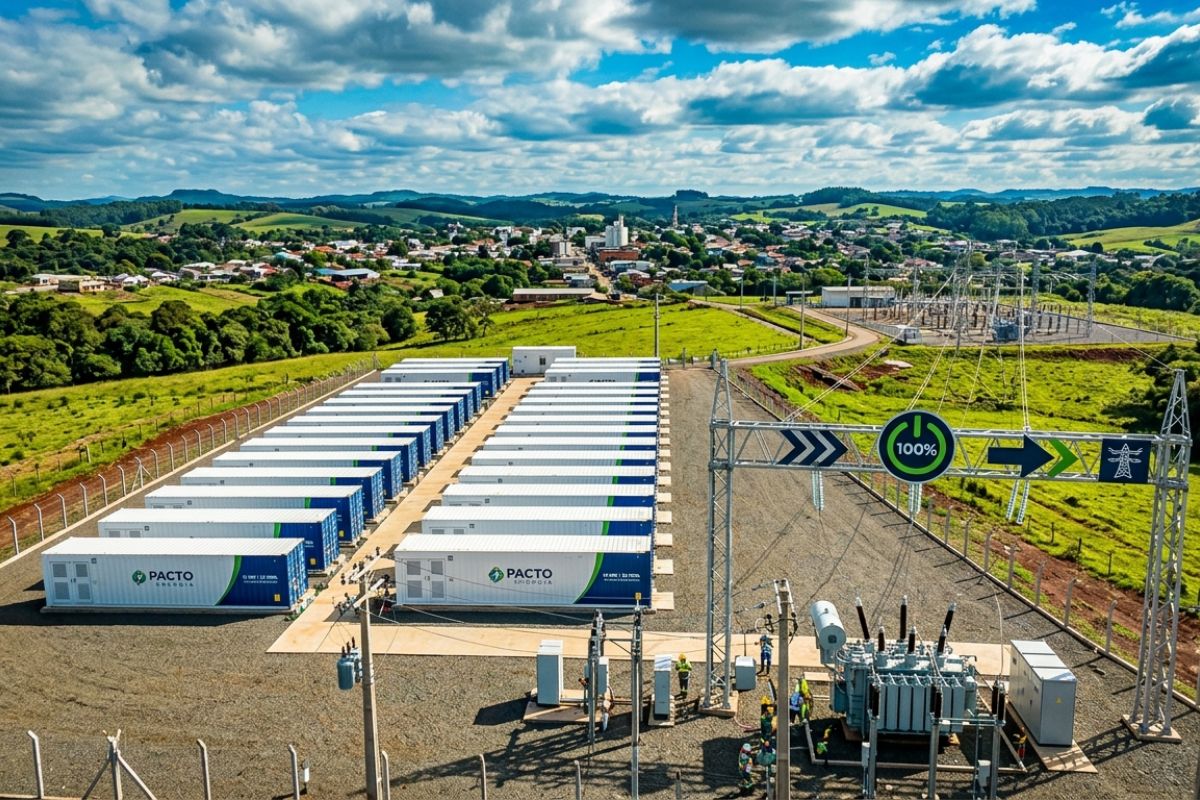
In Paraná, distributor Pacto connects 100% of the load in Coronel Vivida to batteries: a BES of 10 MW and 20 MWh costs just over R$ 30 million and lowers the local tariff now.
-
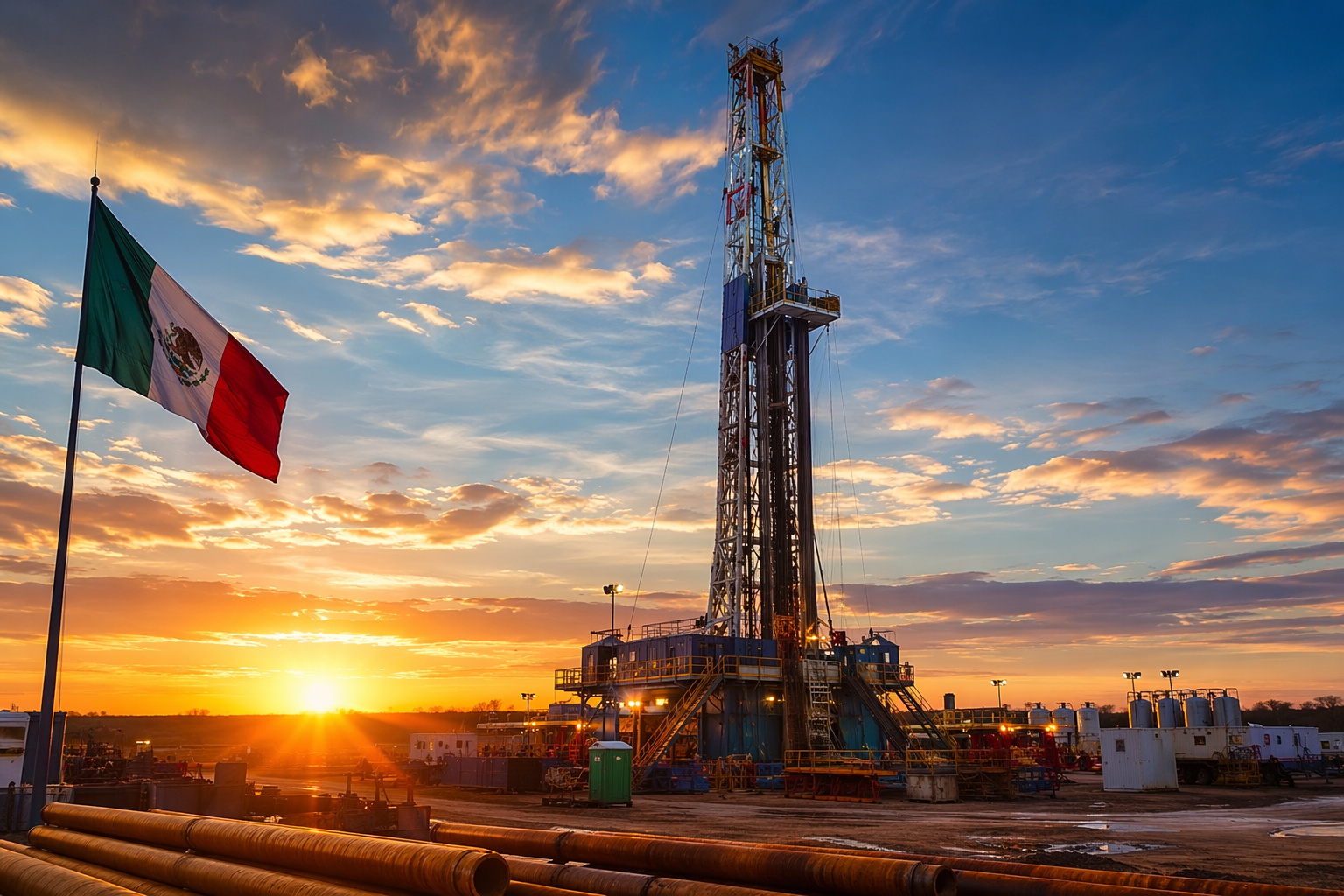
With a dependence of up to 80% on gas imported from the United States, Mexico is responding with a robust energy strategy, betting on shale gas, creating a scientific committee, and preparing to expand natural gas production to reduce vulnerability and strengthen its energy security in the coming years.
-
The United States proposes to Brazil a critical minerals agreement with a minimum price to combat Chinese dumping and priority for investment, but the Planalto is blocking the signing out of fear of upsetting China and due to electoral calculations in a year of competition.

In this way, the first hybrid railway composition in Brazil will be formed, according to Vale. Currently, there are two diesel-powered pieces of equipment, known as dynamic helpers, that are installed on the train to assist in overcoming the long ramp of the railway. These will be replaced by the electric locomotives.
Wabtec will produce the new battery-powered vehicles at its facility in Contagem (MG) and the estimated delivery is 2026. The locomotives’ batteries use technology and an Energy Management system that will allow them to be recharged from the braking of the train.
In sections where there is a descent, it will be possible to recharge the components without stopping the train’s operation, in a process known as regenerative energy produced by dynamic braking.
About 63 Thousand Tons of Carbon Will No Longer Be Emitted With the Arrival of the Hybrid Railway
With the new technology installed in the electric locomotives, the estimate is that there will be a savings of 25 million liters of diesel per year, considering the consumption of all the railway compositions that use the dynamic helper.
About 63 thousand tons of CO2 will no longer be emitted, equivalent to the consumption of approximately 14 thousand passenger cars with one thousand cc per year. In addition, Vale and Wabtec are evaluating the development of an ammonia engine that does not emit CO2. Initially, studies are being conducted to validate performance, emissions reduction, and feasibility.
Ammonia has the advantage of offering more autonomy than other fuels that also do not emit greenhouse gases. Moreover, the fuel has a high octane rating and an already established large-scale distribution infrastructure.
Studies will continue over the next two years. According to Vale’s Energy Director, Ludmila Nascimento, the company is replacing the diesel locomotives of the dynamic helper with electric ones, but the idea is that, in the future, the other locomotives of the train may be powered by ammonia.
VLI Also Develops Technology to Reduce Emissions in the Railway Sector
VLI Logística, a company focused on developing logistics solutions, which includes railways, terminals, and ports, is advancing its strategy to develop innovative technologies that generate more sustainable and efficient activities.
Throughout 2021, the company recorded savings of over 1.2 million liters of fuel due to the use of its tool, called Fuelytics, which offers a reduction in fuel consumption by prioritizing operational actions indicated by mathematical modeling.







Seja o primeiro a reagir!