





 Portuguese
  English
  Spanish
  4 min of reading
  0 comments


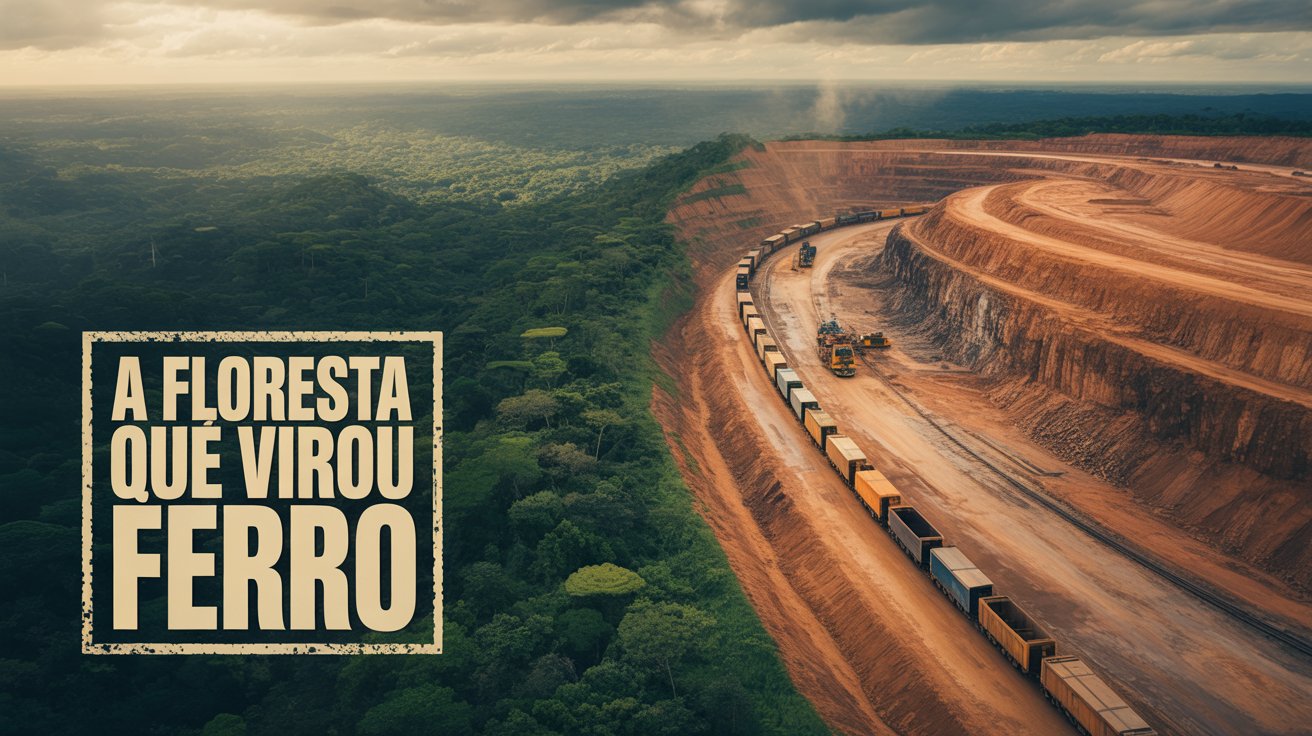
The Accidental Discovery of the World’s Largest Iron Ore Deposit Transformed the Amazon into a Global Mining Power, Boosting the Economy, Social-Environmental Conflicts, and Sustainable Innovations.
The Carajás project began on a diverted flight in the Amazon in July 1967. At the time, geologist Breno Augusto dos Santos, from the Brazilian subsidiary of US Steel, collected reddish rock fragments.
In the laboratory, it was found that this was highly pure iron ore, with a content above 60%.
This discovery, initially kept secret, revealed the world’s largest iron mineral province: the Carajás Mountains, located in southeastern Pará.
-
Goodbye iron: new technology from Xiaomi promises to revolutionize the way we iron clothes with 500 kPa steam, continuous flow of 120 g/min, heating in 65 seconds, and six smart modes for different fabrics.

-
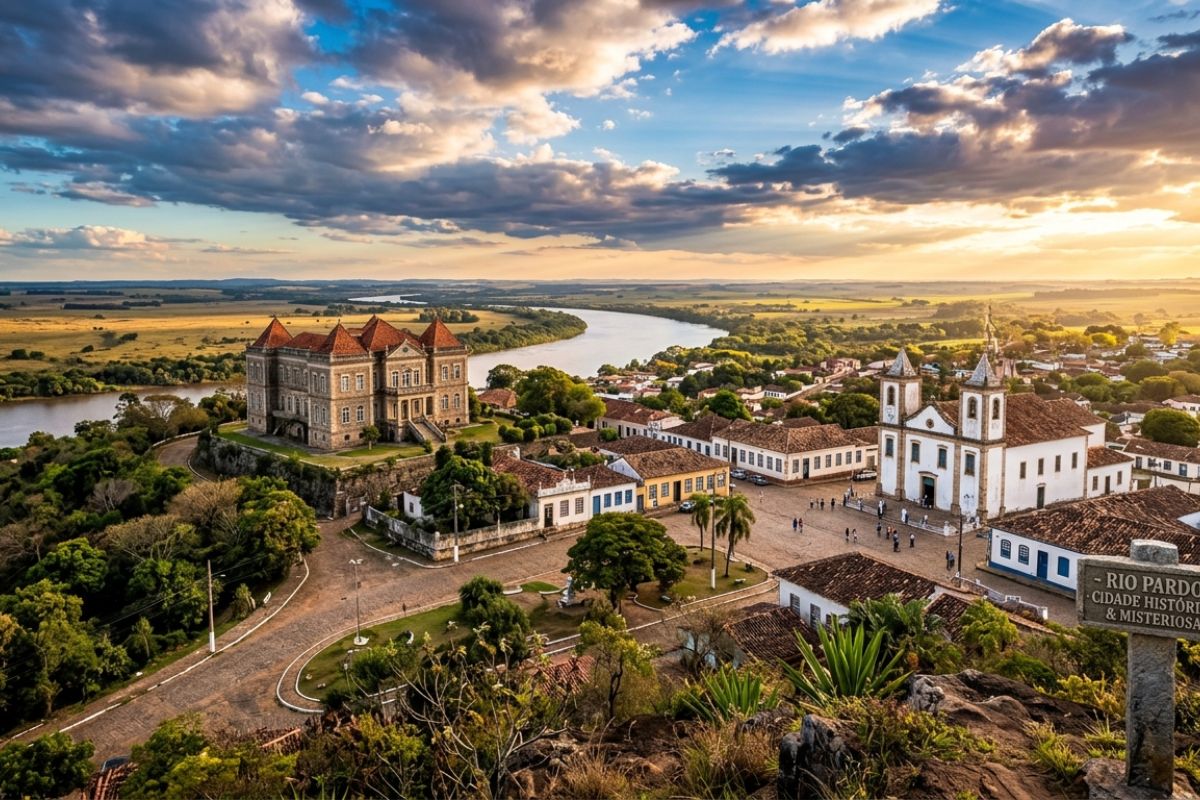
Rio Pardo, the most mysterious city in Rio Grande do Sul: untouched Pampas castle, the missing treasure of the Devil Boy, bride’s saint, invisible tunnels, and a 200-year curse today.
-
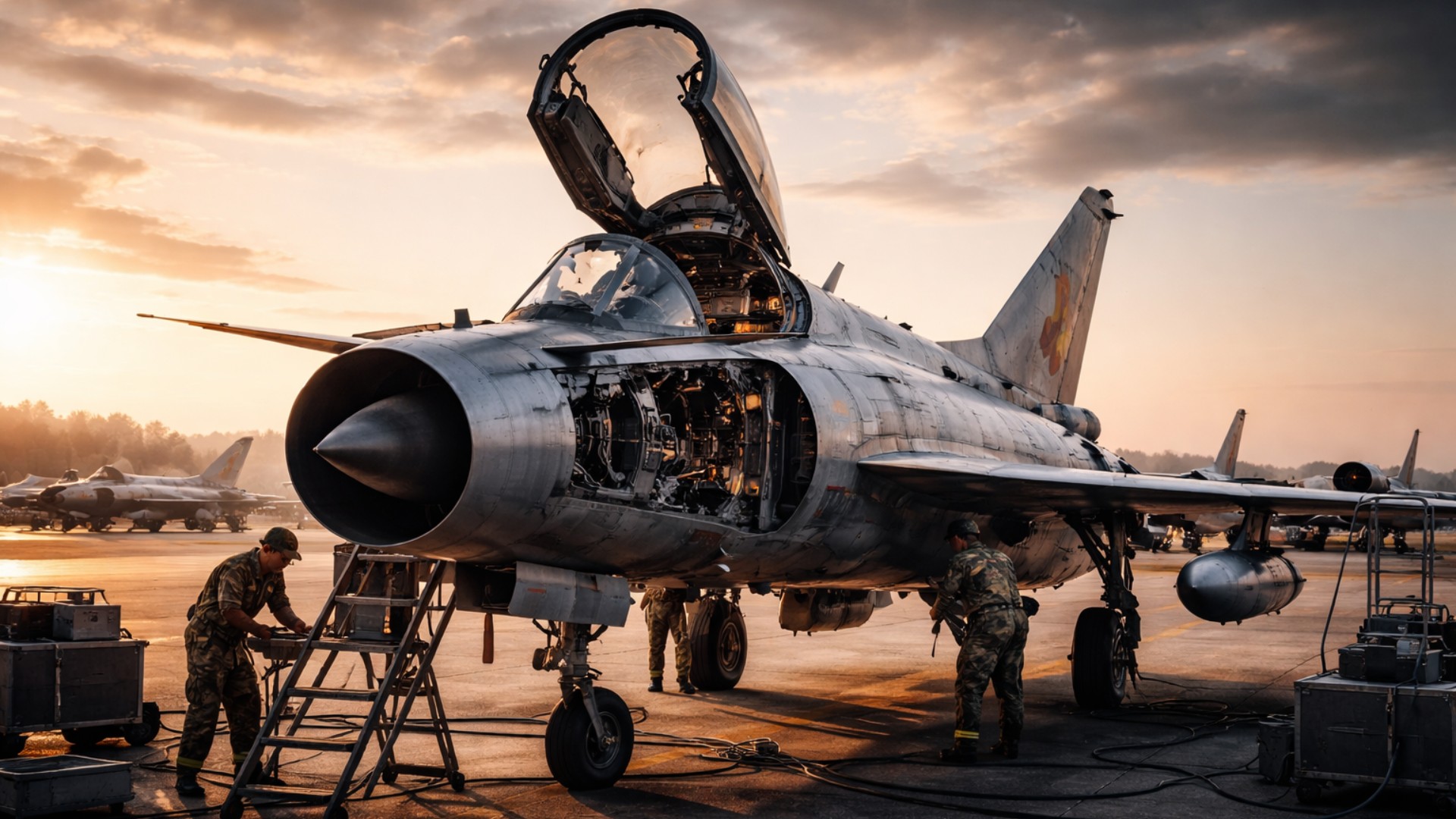
China retires the J-7 fighter after years of military protection and can now transform military items into drones, following more than 60 years of operation of the J-7, derived from the MiG-21, with thousands of units produced and strategic use in the PLAAF and PLANAF.
-
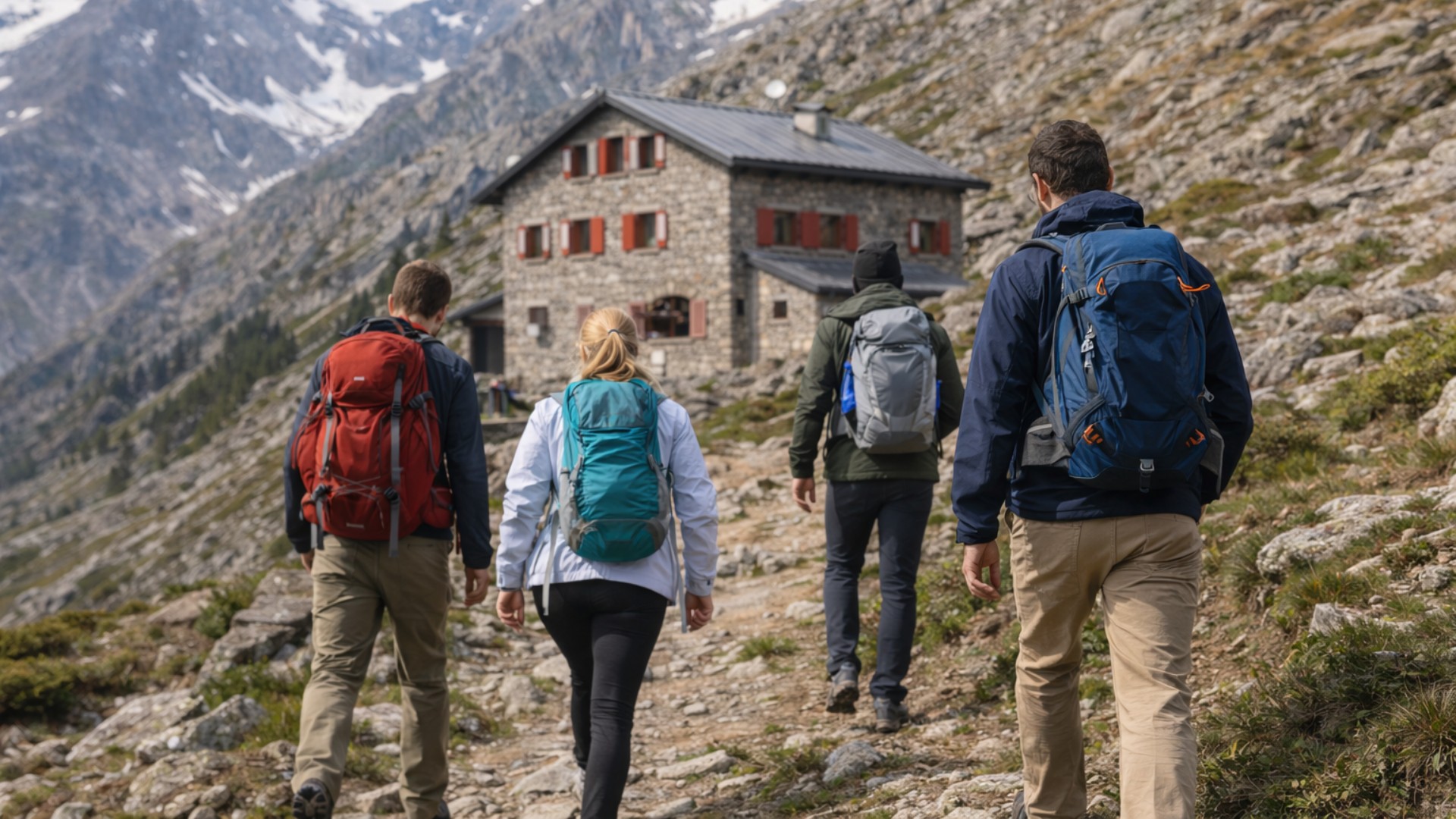
Volunteers are sought to live in the mountains for a month: a study pays people to stay at 2,500 meters, with 24-hour monitoring of sleep, metabolism, and blood pressure.

The region’s relevance led the Brazilian military regime, in 1970, to create the state-owned Companhia Vale do Rio Doce, now Vale SA, with the aim of managing these strategic resources.
In 1977, Vale took control of the area, while US Steel retained a shareholding and rights to part of the production.
Structure of the Carajás Mineral Complex
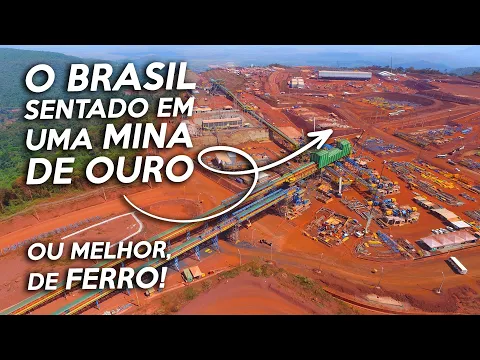
The Carajás complex is made up of three large exploration fronts: Serra Norte, Serra Sul, and Serra Leste.
Additionally, Vale is exploring new areas, such as the Serra Arqueada, which could add 1 billion tons to the known reserves.
Serra Norte has been operating since 1984, with pits reaching over 300 meters deep.
Its ore has a average iron content of 66%, and annual production exceeds 100 million tons.
The S11D project, active since 2016 in Serra Sul, is considered the largest mineral venture in the company’s history.
It uses dry technology for extraction and benefits 90 million tons per year.
Serra Leste, in turn, has contributed 10 million tons annually since 2012.
Logistics and Ore Export
The operation includes the Carajás Railway, with 892 km in length, linking the mines to the port of São Luís in Maranhão.
Freight trains up to 3.3 km long make about ten daily trips.
Each train transports 39,000 tons of ore per trip.
At the Ponta da Madeira terminal, the material is loaded onto Valemax ships, each capable of carrying 400,000 tons.
Destinations include major economies in Asia, such as China, Japan, and South Korea.
Iron Production and Economic Expansion
The Carajás project is one of the pillars of Brazil’s mining economy.
In 2023, Vale’s total production reached 321.1 million tons of iron ore.
Of this total, 177.5 million came from Carajás, consolidating the region’s importance.
In 2022, ore exports generated US$ 33 billion for Brazil.
In addition to iron, Vale is expanding copper production with the Bacaba project, expected to begin operations in 2028, with 50,000 tons per year.
The Novo Carajás Program, announced in 2025, foresees R$ 70 billion in investments by 2030, to increase the production of iron and copper in the state of Pará.
Sustainability and Innovation in Mining
Vale has adopted initiatives to reduce environmental impacts.
The S11D operates with dry processing, reducing water consumption by 93%.
Another project, called Gelado, aims to reuse tailings and achieve 6 million tons recycled by 2030.
The company has set a goal of carbon neutrality by 2050 and a 33% reduction in emissions by 2030.
To achieve this, it invests in electrification of trains and vehicles, and in transitioning to renewable energy sources.
Additionally, in partnership with ICMBio, it protects 800,000 hectares of forest in the region.
Social and Environmental Challenges in Pará
The Carajás project also faces criticism regarding its social and environmental impacts.
The railway crosses protected areas and Indigenous lands, causing friction with local communities.
Between 1988 and 2021, the Legal Amazon lost 469,000 km² of vegetation, partly due to mining activities.
The rapid growth of mining municipalities like Parauapebas has led to urban inequalities.
While affluent areas have grown, peripheral regions have been left without basic sanitation.
Incidents like the tremor in 2018 in Parauapebas and leaks in 2023 in the Paraupebas River reveal flaws in safety and environmental monitoring.
Strategic Relevance and Geopolitical Role
The expansion of the Carajás complex is central to Vale’s strategy until 2030.
The plan aims to reach 200 million tons annually of iron ore and 350,000 tons of copper.
These minerals are essential for sectors such as steelmaking, the automotive industry, and energy transition.
With initiatives like “green iron,” which uses reforestation charcoal, the company seeks to address environmental demands from international investors and consumers.
Technologies like drones, sensors, and satellites have been employed to enhance environmental control of operations.
Paths to Sustainability in Mining
The future of the Carajás project depends on technical advancements and robust environmental governance.
The reconciliation of mineral production and Amazon preservation is a growing demand in the international scenario.
The joint action of the public sector, civil society, and businesses will be crucial to ensure that economic benefits are realized without compromising local ecosystems and populations.
How should Brazil conduct the Carajás project in light of global market demands, the environmental challenges of the Amazon, and the growing pressure for social and environmental responsibility?







Seja o primeiro a reagir!