





 Portuguese
  English
  Spanish
  2 min of reading


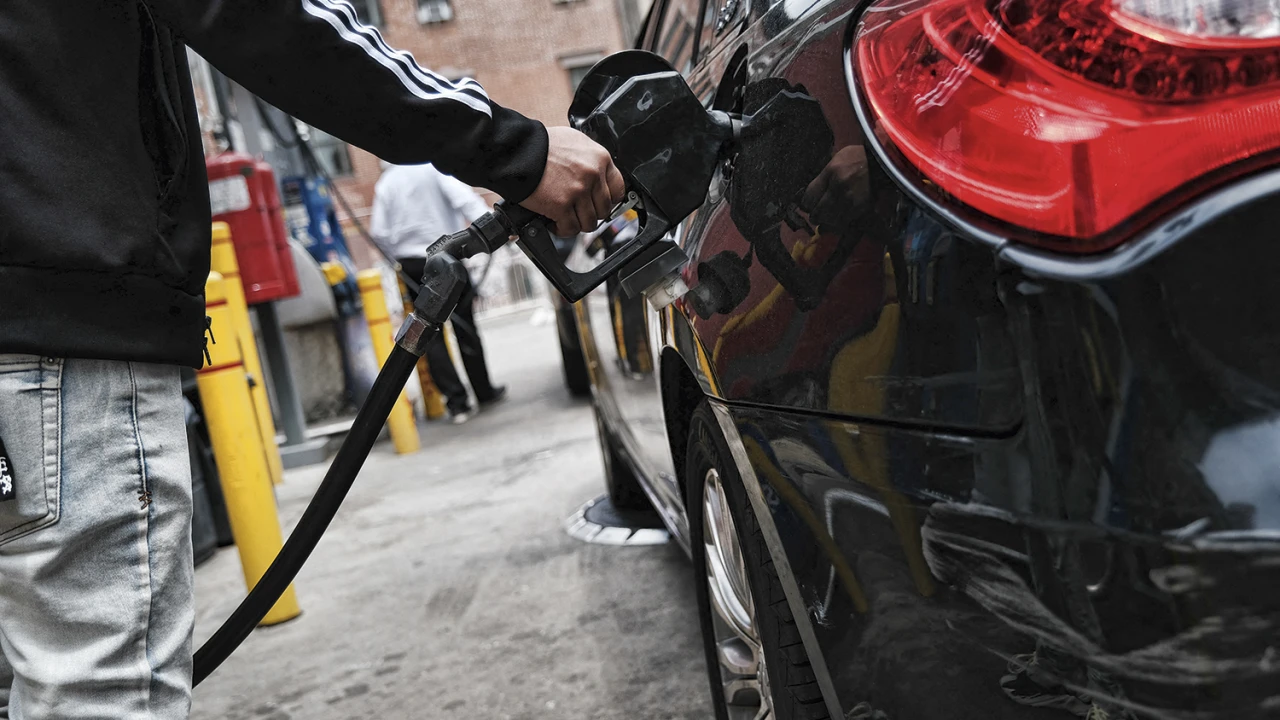
The Change in Petrobras’ Pricing Policy Has Generated Controversy and Debates Across the Country, and Now the Federal Government Announces the Implementation of the “Fair Price Task Force” to Monitor Gas Stations and Identify Possible Abusive Practices in Fuel Sales.
The government has created a committee to keep a permanent eye on the transfer of prices to the final consumer. In addition, on May 24, a national inspection action called the “Fair Price Task Force” will take place. The goal is to verify whether the reduction mandated by Petrobras in relation to distributors is being passed on to consumers. The task force will include participation from states, municipalities, and civil society organizations.
The Minister of Justice and Public Security, Flávio Dino, stated that the price of fuels is a strategic topic for families and the Brazilian economy. According to him, “we know that there is no price regulation. We have the price subject to a relative fluctuation due to the rules of free market. However, free market, in Brazil and in all countries in the world, is regulated.”
New Pricing Policy of Petrobras
In an announcement made in May, Petrobras revealed a change in its pricing strategy, eliminating the so-called fuel import parity policy, which aligned prices with the oil market and the exchange rate.
-
Latin America is stagnant, and Brazil is part of the problem, says the World Bank in a report that highlights Argentina as the main positive exception in the region thanks to fiscal adjustment and Milei’s reforms.

-
Germany is investing in the interior of São Paulo to test the production of green hydrogen and aviation fuel made from sugarcane in a partnership with Cocal and Siemens that could change the Brazilian energy sector.

-
France takes 129 tons of gold from New York, profits $15.1 billion, and raises alarms in Europe fearing to leave reserves under U.S. control.

-
35 medical entities criticize the MP that automatically renews driver’s licenses without fitness exams: they say that diseases do not show up in fines; Congress analyzes RNPC after 38,253 deaths and a cost of R$ 400 million directly to SUS.

The new policy of Petrobras may reduce the volatility of fuel prices. The drop in oil prices in the international market exposed a problem of the previous parity system of Petrobras: when oil prices rose, prices also increased in Brazil, even if there was no rise in production costs in the country.
The new pricing system, according to Petrobras, is simplified and functional, taking into account the variations in the international oil market while respecting competition with importing refineries and conditions in the domestic market.
The Monitoring Committee
The monitoring committee for the pricing of fuels is formed by the National Consumer Secretariat, Cade, and ANP. The meeting held between Senacon and 225 representatives of the National Consumer Defense System – Procons, Public Prosecutors, Defenders, and civil society organizations, as well as the Administrative Council for Economic Defense (Cade) and the National Agency of Petroleum, Natural Gas and Biofuels (ANP), defined the formation of this consumer protection network.
The goal of the ongoing monitoring committee is to ensure the transfer of price reductions from Petrobras to distributors in relation to consumers and to combat any abusive and harmful practices.








Seja o primeiro a reagir!