






 Portuguese
  Spanish


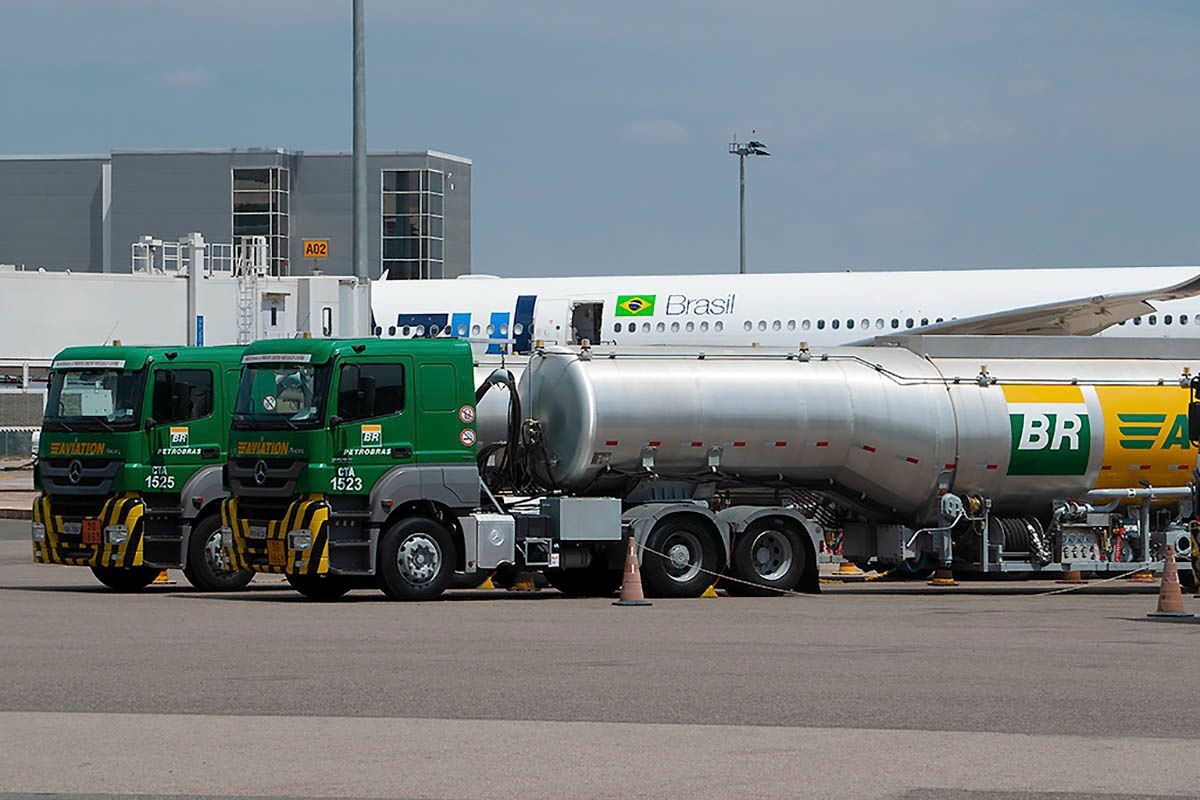

The High Price Of Airfares In Brazil Has Been One Of The Main Concerns Of The Aviation Sector And Consumers.
And, in light of this scenario, the President Of Petrobras, Jean Paul Prates, stated in an interview with CNN Brazil that reducing the price of aviation kerosene (QAV) is not the only solution to the problem, which goes far beyond that.
According to Prates, the issue of air transport involves several structural factors, not just the price of fuel. While he acknowledges that QAV is one of the important components of airfare prices, he emphasizes that it is necessary to address all the bottlenecks in the sector to make airfares more accessible to the population.
The President Of Petrobras claims that, as a senator, he requested that the Administrative Council for Economic Defense (Cade) investigate the airlines, of which there are only three in the country and which offer very similar schedules and prices.
-
At 14 years old, she worked in a factory in Hong Kong, studied economics abroad, and then entered the Chinese real estate market, which helped change the landscape of Beijing.

-
While NATO secured more than $10 billion in missiles and space surveillance at a single forum, Brazil still spends 1.1% of its GDP on defense and is stalling its own anti-aircraft system.

-
Corn ethanol attracts R$ 23 billion in 21 new plants and prepares for a nearly 50% jump in Brazilian production by 2027, even with high interest rates.
-
A newly opened terminal in the middle of the Amazon has begun transporting soy and corn through Amapá, eyeing the queue of ships that is congesting the ports in the South.


This Lack Of Competition In The Brazilian Airline Sector May Be One Of The Factors Contributing To The Rise In Airfare Prices.
Prates also highlighted that the Price Reduction Announced By Petrobras on November 16 did not include aviation kerosene. Gasoline saw a drop of R$0.40 per liter, while diesel had a reduction of R$0.44 per liter and cooking gas dropped by R$0.69 per kilogram.
In Brazil, the Price Of Aviation Kerosene is adjusted every first day of the month and is one of the main costs for airlines, accounting for about 30% of total expenses. With a reduction in QAV, airlines could lower airfare prices, but according to Prates, it is necessary to tackle the structural issues of the sector to change the reality of air transport in the country.
In a scenario where the Aviation Sector is facing an unprecedented crisis due to the Covid-19 pandemic, many people have avoided flying and airlines are also struggling financially. In this sense, a reduction in Airfare Prices could be an important measure to encourage people to fly again and to stimulate the economy of the sector.
Therefore, although the Reduction In The Price Of Aviation Kerosene may help lower airfare costs, it is essential to address the structural issues of the sector, such as limited competition among airlines, to make tickets more accessible to Brazilian consumers. However, both reducing the price of QAV and investigating the lack of competition in the aviation sector can be important steps towards a solution to the problem.








