





 Portuguese
  English
  Spanish
  3 min of reading


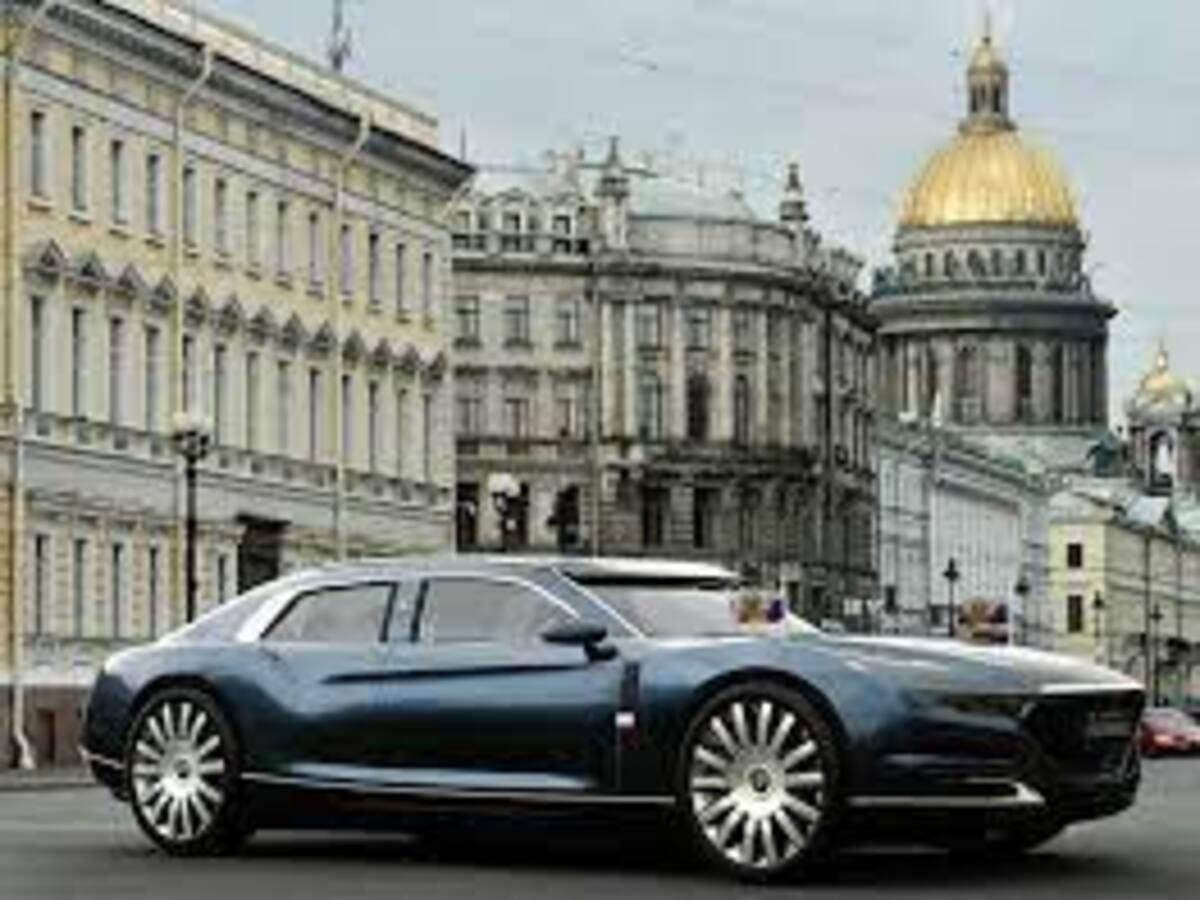
Since the End of February, Putin, President of Russia, Claimed He Would Be Carrying Out the Invasion of Ukraine Since the President of the Neighboring Country Was Not Obeying the Agreement Foreseen by the Two Countries Signed During the 90s of the Last Century.
According to data revealed on this Monday, June 6, the sale of cars and vehicles in Russia is estimated to have dropped at least 84% during the month of May, after the country faced even more intensified isolation. The isolation supposedly began after Putin invaded Ukraine and refused to sign a peace agreement between the two countries unless the neighboring president agreed with his impositions.

According to data collected by European Business Association, it is estimated that during the month of May, fewer than 25 thousand vehicles were sold among Russians, which represents a drop of over 84%. This is one of the numbers even greater than those seen during 2006 when the country was experiencing a severe economic recession. Tables indicate that, during 2014, the country sold over 250 thousand cars in all its states and the economy went through peak moments.
Understand About the War with Ukraine, Which Is Impacting the Entire Automotive and Transport Sector
The invasion by Vladimir Putin occurred on February 24. After that, by refusing to accept the impositions from the United States, the country suffered severe sanctions, gradually seeing foreign companies exit its territories and the prices of commodities become unstable. Only oil is now quoted at US$ 120 and could increase even further due to the imposed measures by the Saudi Arabia regarding the price increase by at least six dollars for each barrel traded in the East.
-
Used cars with electric steering for R$ 30,000: check out 5 practical and economical options for everyday use.
-
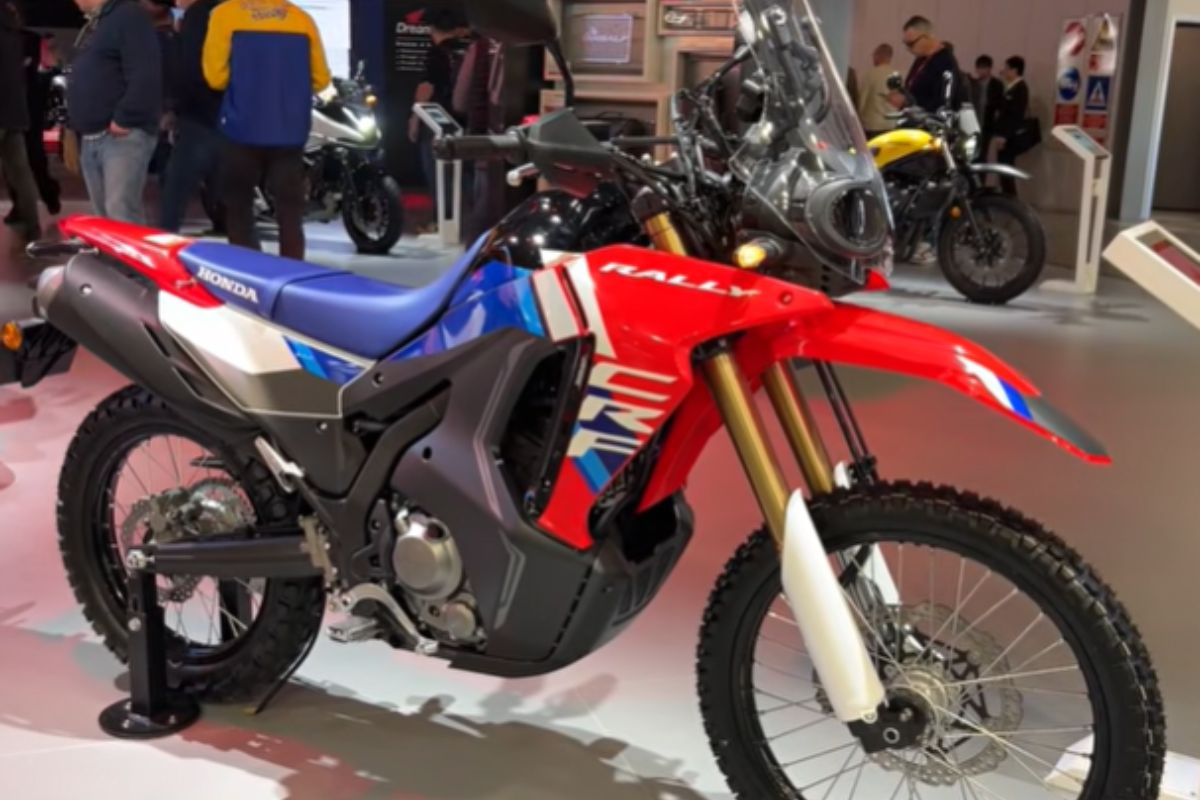
The 2026 Honda CRF 300L Rally ultra-light weighs 153 kg, travels 400 km with a 12.8 L tank, and handles both asphalt and dirt; it features a 286 cm³ engine, switchable ABS, and a slipper clutch.
-
Less than a Tera TSI, up to 710 km of range and charging in 9 minutes: the new BYD Song Ultra expands the Chinese brand’s bet on increasingly faster, more technological, and competitively priced electric SUVs.

-
With a 1.0 engine producing 75 hp and costing less than R$ 70,000, Fiat’s car returns to the podium as the cheapest in the country; a temporary promotion for the 2026 Like version reduces the price of the Fiat Mobi.

More expensive oil, difficulties in mining, which caused inflated metal prices, and logistical challenges from the sanctions. These are points that negatively impact the country’s automotive sector and could leave deep scars for many years to come.
“Some suppliers have not yet exhausted all their stocks, so that is what is selling,” said Azat Timerkhanov from the consulting firm Avtostat. “But they are running out quickly.”


Privatization of Technology Could Be a Reality for the Automotive Industry in Russia, Understand!
It is worth noting that only two of the more than twenty factories existing throughout Russia are operating normally, as the others have been closed. Despite this, it is currently known that the Russian government has taken over some important factories since foreign companies left the country, such as the famous and well-known Moskvich.
They were already counting on ambitious plans to sell new technological models within a few months. Georgy Ostapkovich, a specialist in the sector from the Higher School of Economics in Moscow, however, states that the country’s industry is completely dependent on foreign products.
According to what Geirgy stated in an interview, analysts estimate that the country, if it does not backtrack on the invasion, may suffer a type of “primitivization,” where its technological development could be suppressed for up to ten years compared to competing countries in scientific and automotive discoveries.





Seja o primeiro a reagir!