Portuguese
 Spanish


The new Atlas arrives in Latin America in 2027 with all-wheel drive, a 15-inch screen and a more powerful turbo engine, but it has not yet been slated for launch in Brazil.
The new Volkswagen Atlas is poised to expand its presence in Latin America. After unveiling the SUV’s second generation in the United States, the German automaker confirmed it will reach 11 Latin American markets in the first half of 2027, with a 2.0-liter turbo engine producing up to 285 hp, all-wheel drive and seating for seven passengers. The vehicle features redesigned exterior styling, a more upscale interior and technologies that include artificial intelligence and driver assistance.
Motor1 Brasil reported on November 23, 2026, that the model will be sold in countries including Chile, Peru and Paraguay, while Brazil was left off the first confirmed list. Volkswagen said it is in talks to expand regional distribution. That leaves open the possibility of a launch in Brazil, although no official announcement has been made about a launch, price or date for the country.
Volkswagen confirms new Atlas for 11 Latin American markets in 2027
The second-generation Atlas will begin arriving in Latin America in the first half of 2027. Volkswagen confirmed it will be sold in Chile, Peru, Paraguay, the Dominican Republic, Panama, El Salvador, Guatemala, Honduras, Aruba, Saint Martin and Curaçao.
-
Chinese manufacturer XCMG plans electric-truck production in Minas Gerais with 30% local content by 2028, expanding its push into heavy-duty transport

-
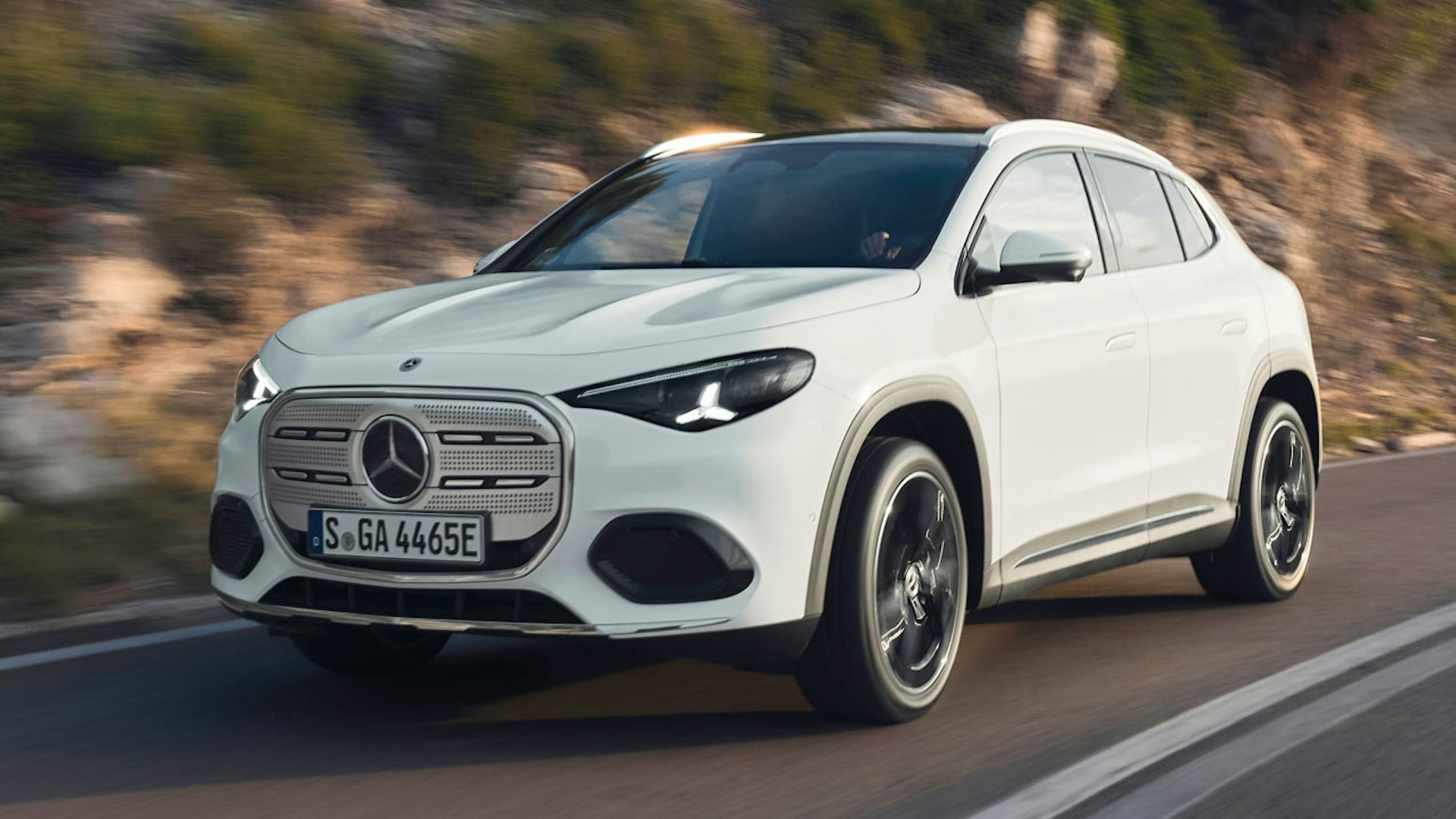
EV buyers waiting for the new electric Mercedes GLA get up to 408 miles of WLTP range from an 85-kWh battery and a 10-80% charge in 22 minutes, as the first test drives near Barcelona favor the 268-hp single-motor version

-
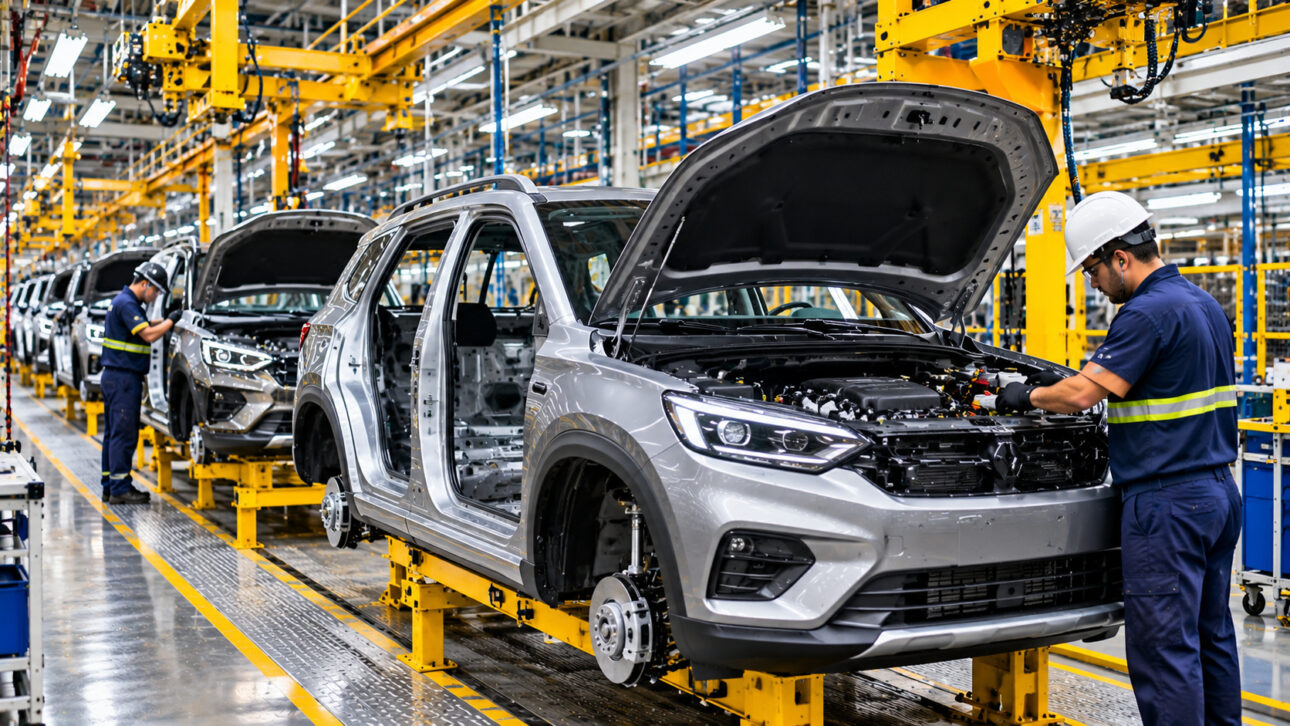
Renault Halves New-Car Development Time with Chinese Engineering and Boosts Hybrid Production in Brazil with R$5.8 Billion Investment
-
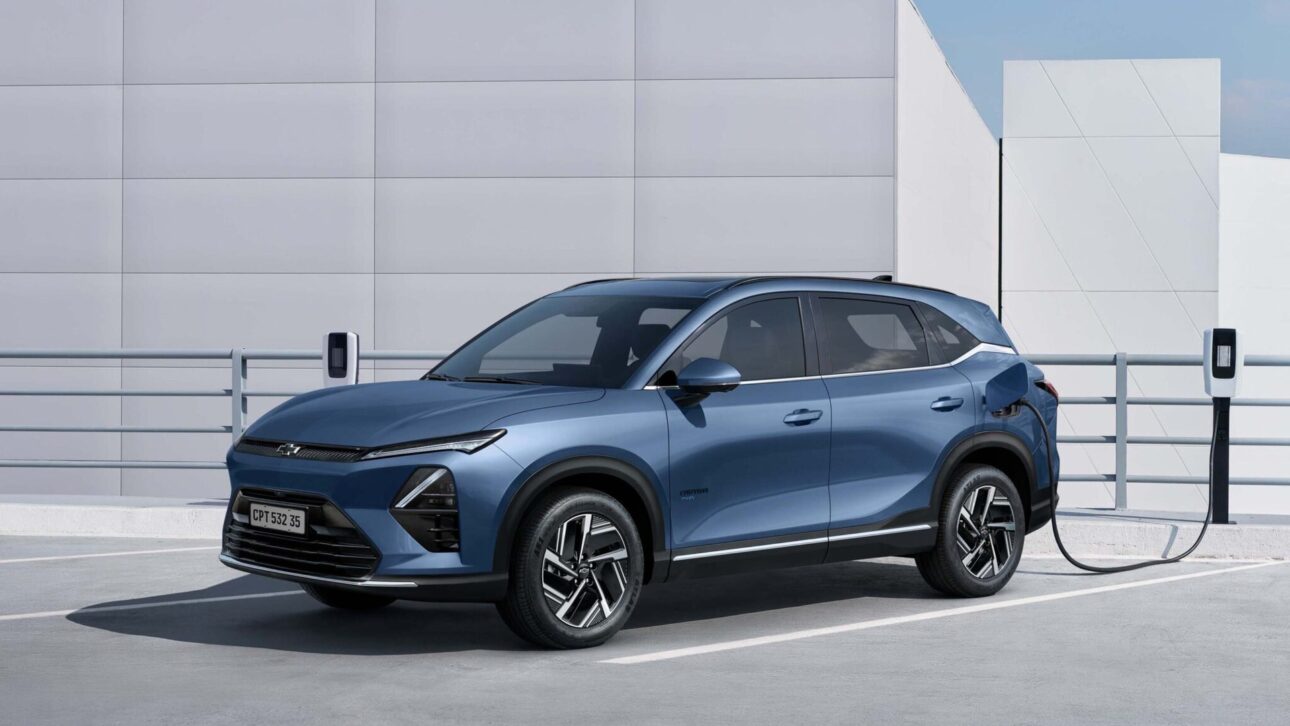
For buyers seeking a R$200,000 hybrid SUV, the Chevrolet Captiva PHEV offers 60 km of electric driving, up to 1,069 km of combined range, 227 hp and a 532-liter trunk for R$199,990, with assembly in Ceará
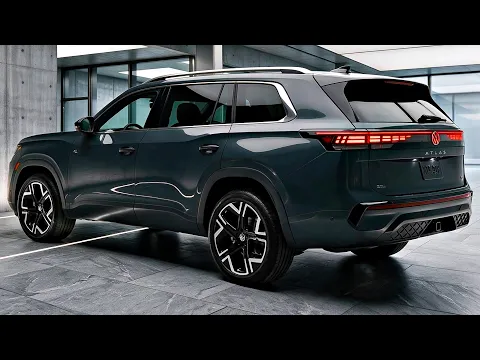

The SUV is also known as the Volkswagen Teramont in several international markets. The name varies by country, but the vehicle belongs to the same family, developed for buyers seeking interior space and three rows of seats.
The new generation will be built in Chattanooga, Tennessee. The U.S. plant will supply the Latin American markets included in this first phase of the launch.
2.0-liter turbo engine will come in 270-hp and 285-hp versions
Volkswagen confirmed two configurations of its 2.0 TSI engine, a turbocharged four-cylinder. The turbocharger increases the amount of air sent into the engine, allowing it to produce more power.
In countries such as Peru and Paraguay, the SUV will use the EA888 Evo4 engine, rated at 270 hp and 37.7 kgf·m of torque. Power will be sent through an eight-speed automatic transmission paired with 4Motion all-wheel drive.
In Chile, the announced configuration uses an updated version of the engine called the EA888 Evo5. In this version, output reaches 285 hp, while the published torque figure is 35.7 kgf·m. Both options have been confirmed for specific markets and are not yet established configurations for Brazil.
4Motion all-wheel drive will be offered in the announced versions
The new Atlas will use the 4Motion system, which distributes engine power among the wheels according to driving conditions. The technology helps the vehicle make better use of available traction in different situations.
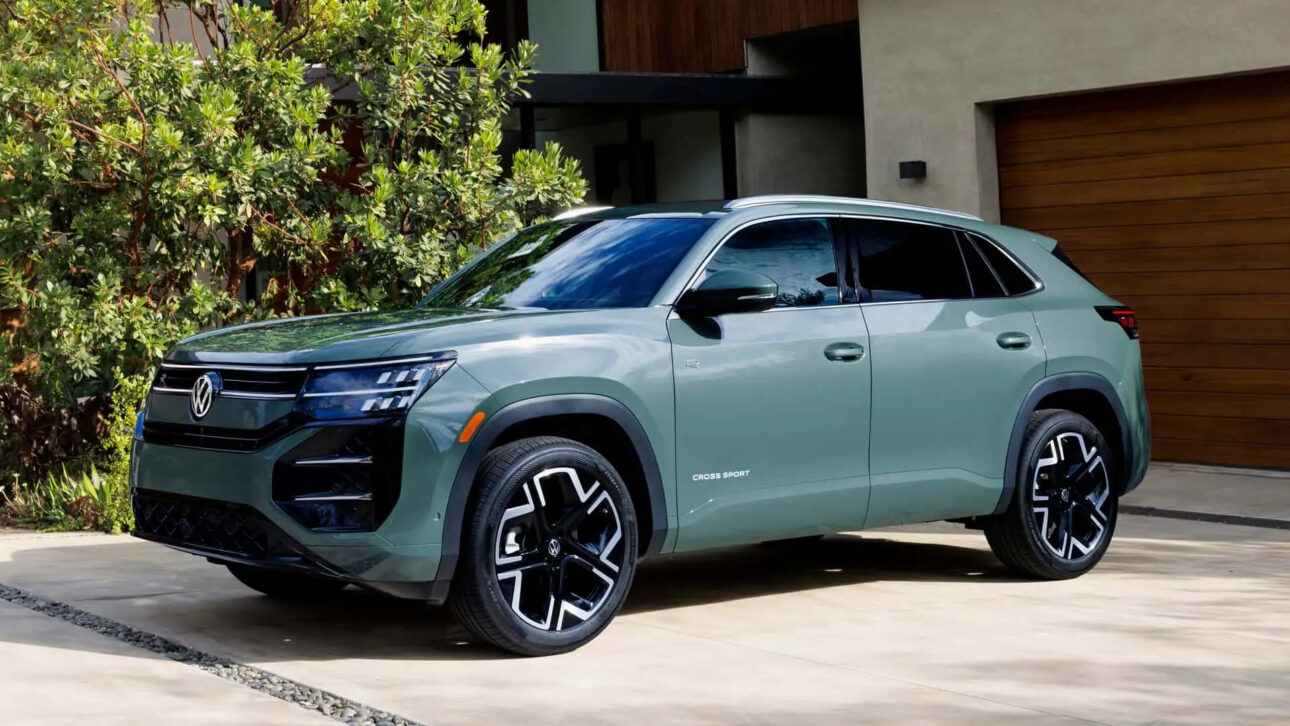
The powertrain is paired with an eight-speed automatic transmission. The combination is designed to provide comfort on long trips and responsive acceleration and passing power.
The Atlas was not presented as a vehicle built exclusively for difficult off-road trails. Its primary purpose remains family transportation, with room for passengers, luggage and gear.
SUV will measure more than 16 feet long and seat up to seven
The Atlas is one of Volkswagen’s largest SUVs. The previous generation is about 16.7 feet long, and the new model is roughly two inches longer.

The wheelbase remains close to 9.8 feet, a measurement that helps determine how much room is available for occupants. The body has three rows of seats, accommodating up to seven passengers.
Its size is one of its main advantages over the compact and midsize SUVs sold in Brazil. The model was designed for families that need to carry more people without turning to a commercial vehicle.
Interior gets a 15-inch infotainment system and digital instrument panel
The cabin has been completely redesigned, with new materials, larger screens and rearranged controls. Higher-end versions of the Atlas will offer a 15-inch infotainment system and a 10.25-inch digital instrument cluster.
The gear selector has been moved to the steering column, freeing up space in the center console. The vehicle may also offer two wireless chargers for phones compatible with the Qi2 standard.
Volkswagen has added a voice assistant powered by generative artificial intelligence. The technology can perform certain functions in response to spoken commands and answer questions using more conversational language. Availability may vary by country and trim level.
Massaging seats and Nappa leather upholstery will be available
Higher trim levels of the Atlas may feature Nappa leather upholstery, genuine wood accents and ambient lighting with up to 30 color options. The interior finish varies by trim.
Available features include front seats with massage functions, power adjustments and ventilation for second-row passengers. The vehicle may also come with a panoramic roof and a premium Harman Kardon sound system.
These features were presented for the new generation, but they will not necessarily be available on every Latin American trim. Final equipment details will be announced as the vehicle launches in each market.
Volkswagen expands safety package with seven airbags and driver-assistance features
The new Atlas has seven airbags, including a center airbag between the front seats. The automaker has also updated its IQ.DRIVE suite of driver-assistance technologies.
Available features include Travel Assist, which helps control speed and steering, and Emergency Assist, designed for situations in which the driver stops responding to the vehicle’s alerts.
The system also includes lane-change and parking assistance, depending on the trim. Despite these technologies, the Atlas is not a fully autonomous vehicle and still requires driver supervision.
New generation debuts with redesigned front and rear lighting
Volkswagen redesigned the Atlas body while retaining its full-size SUV proportions. The front end gets new LED headlights, while select trims feature an illuminated brand emblem.
The rear also gets redesigned taillights, reflecting the automaker’s new visual identity. Depending on the trim, the model may have 18-, 20- or 21-inch wheels.
The changes include illuminated door handles and new trim elements. The vehicle is built on the MQB Evo platform, an evolution of the architecture used across several Volkswagen Group vehicles.
Brazil left off initial list of confirmed countries
Although the Atlas is confirmed for 11 Latin American markets, Volkswagen has not yet announced plans to launch it in Brazil. The automaker said only that it is discussing a broader distribution footprint in the region.
A potential launch would depend on business decisions, pricing and demand. Because the SUV is built in the United States, importing it would also involve transportation costs, taxes and modifications to meet Brazilian requirements.
The Atlas could expand Volkswagen’s lineup above the SUVs currently sold in Brazil. However, there is no confirmation that the model will be imported, and no official price estimate for Brazilian consumers.
New SUV could face competition from larger family vehicles
Brazil’s market has seen several seven-seat SUVs arrive in recent years. Alternatives include models from Toyota, Jeep and Chinese automakers, which have broadened the selection of family vehicles.
The Atlas would enter the contest with larger dimensions than many midsize SUVs. Its turbo engine, all-wheel drive and third row would be among its main selling points.
However, the lack of a confirmed hybrid version for the region could count against it in comparisons with electrified competitors. Volkswagen has mentioned a future hybrid version of the Atlas, but has not announced whether it will be available in the 11 Latin American markets in 2027.
Final prices and trims to be announced before dealership arrival
Volkswagen confirmed the SE and SEL Premium trims for Chile, while other countries will receive the SEL Premium among the announced versions. Equipment may vary to meet each market’s requirements.
As of November 24, 2026, the manufacturer had not disclosed regional pricing for the new Atlas. Those prices are expected to be announced closer to the start of sales in each country.
The launch is scheduled for the first half of 2027, with production in the United States. In Brazil, the model’s future remains uncertain, despite discussions about a possible expansion of its distribution.