Portuguese
 Spanish


After building more than 1 million vehicles in Indaiatuba, the Japanese automaker is ending a historic operation, moving Corolla production and opening a more automated factory as part of an R$11.5 billion investment program in Brazil.
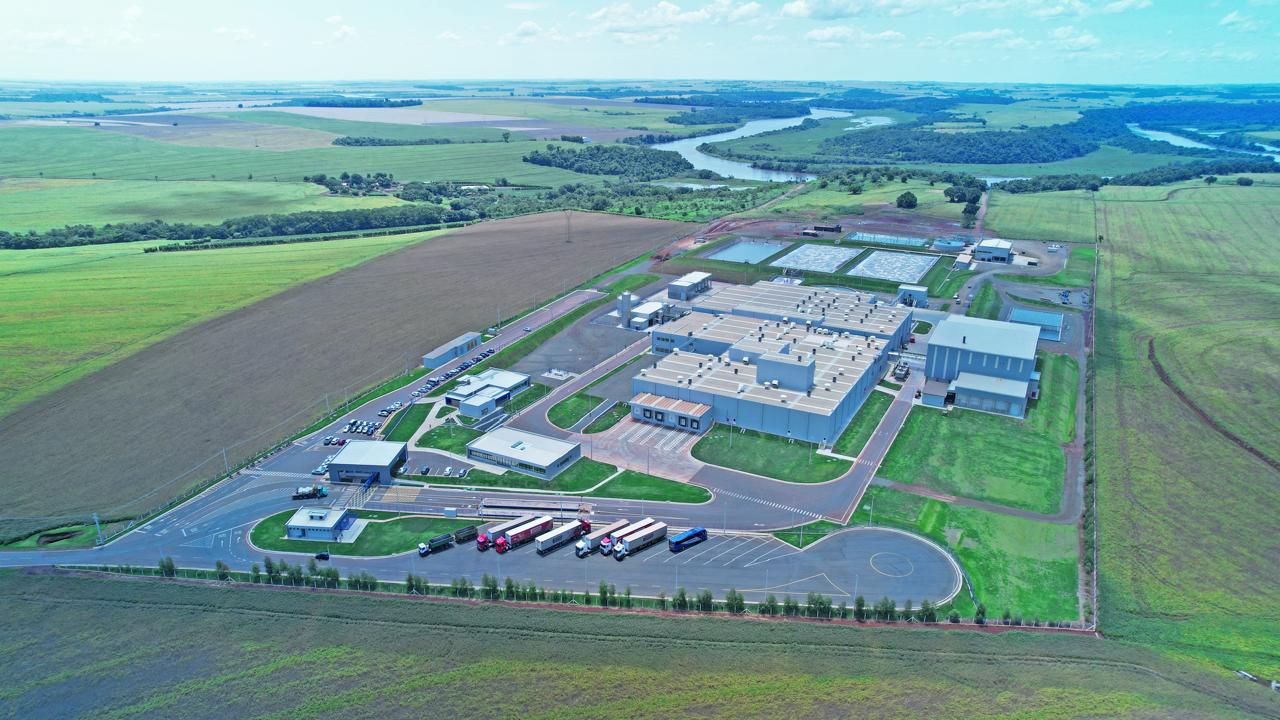
Toyota ended operations at its factory in Indaiatuba, in the state of São Paulo, on June 30, 2026, after 28 years. The plant, which produced the Corolla for the Brazilian market for nearly three decades, employed about 1,500 people and turned out more than 1 million vehicles.
The closure came amid an industrial reorganization by the Japanese automaker, which decided to concentrate automobile production in Sorocaba, also in São Paulo state. Announced in March 2024, the move set off labor negotiations, union mobilizations and a voluntary separation program with severance terms that drew attention for their value.
-
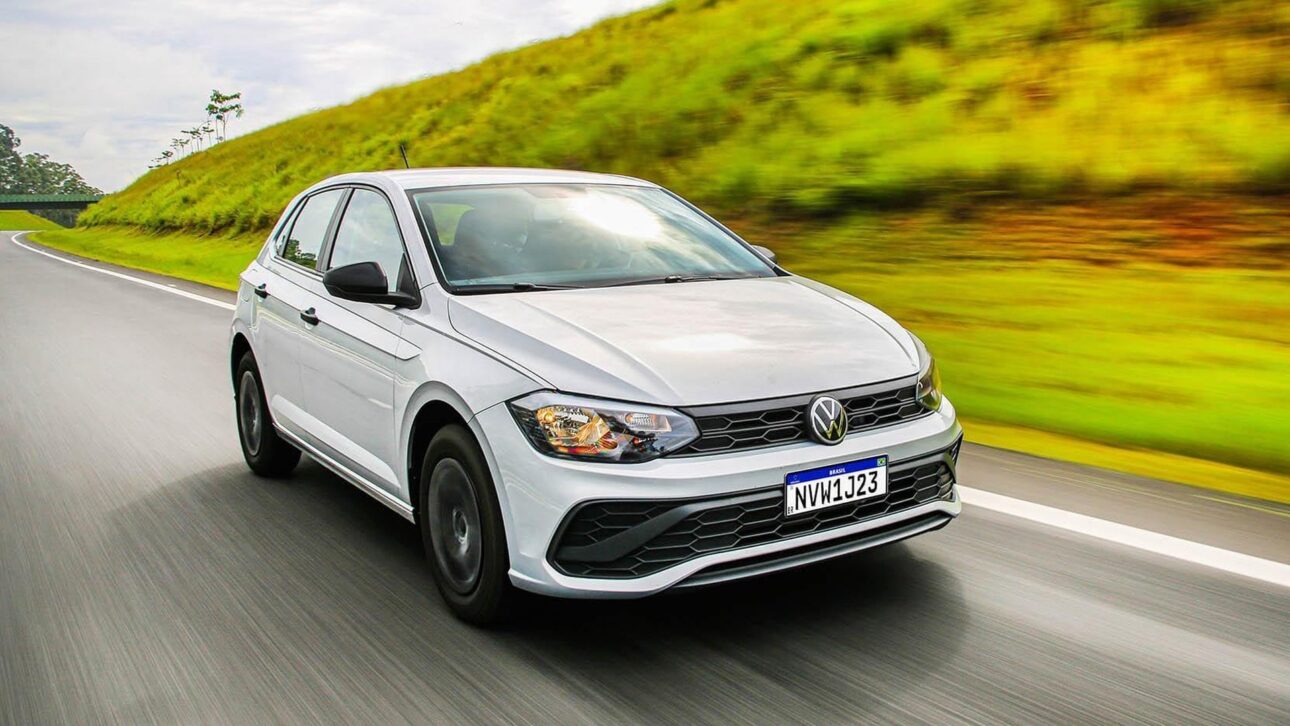
Buyers seeking a new car under R$100,000 can get the 2027 Volkswagen Polo Track for R$91,690 cash through Monday (30), R$6,300 below list; 48 payments of R$999 require R$56,846.92 down and bring the total to R$104,798.92

-
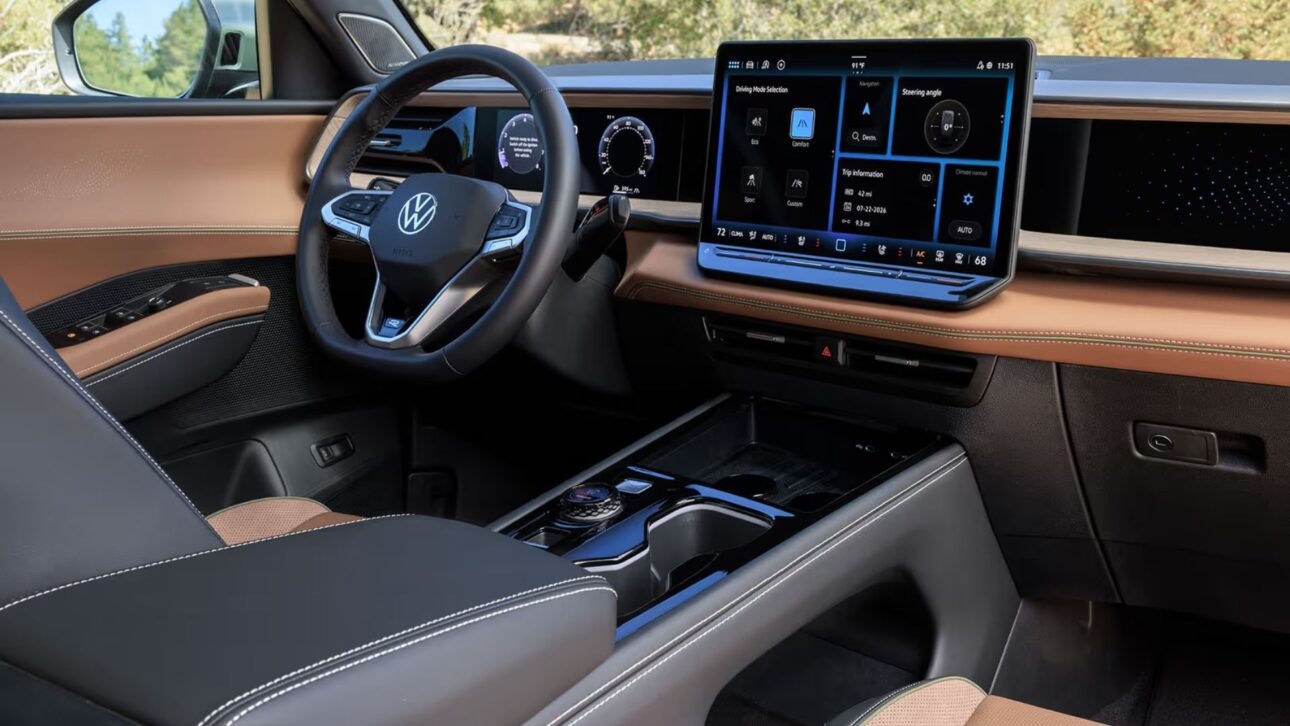
Volkswagen confirms new seven-seat SUV for 11 Latin American markets in 2027, with a 2.0-liter turbo engine producing up to 285 hp, three rows of seats and artificial intelligence technology
-
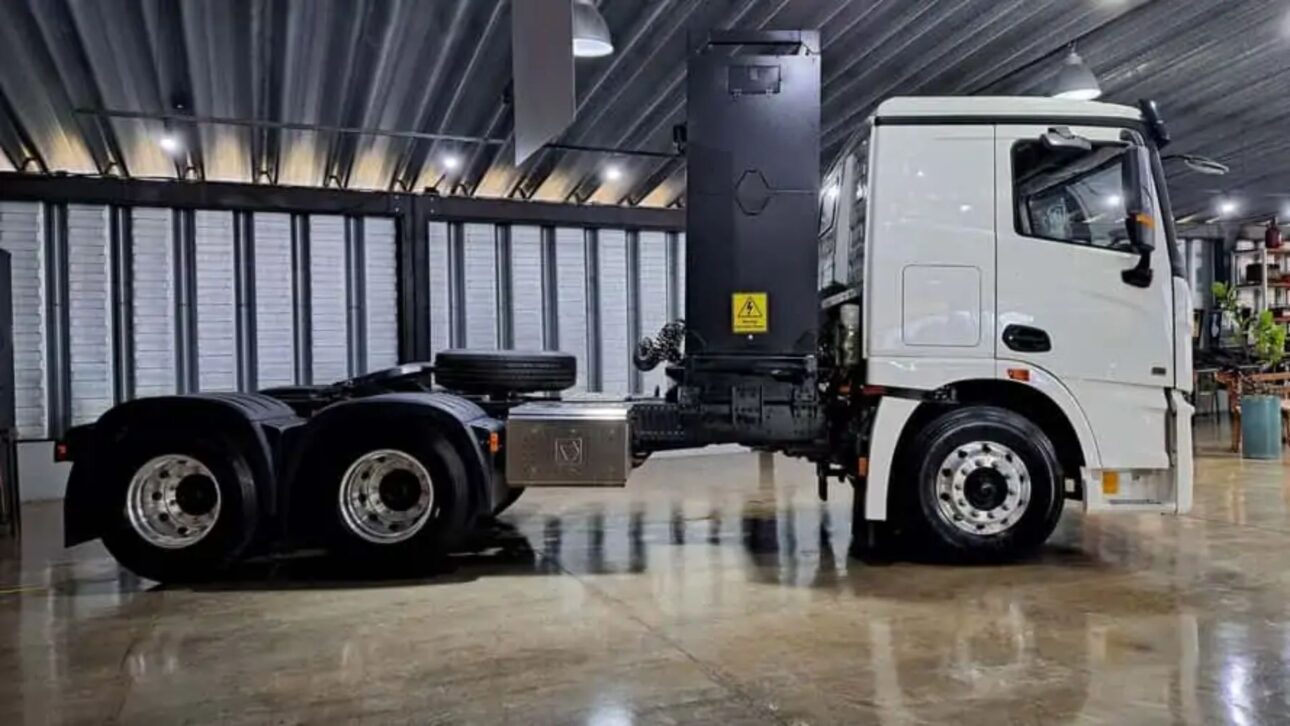
Chinese manufacturer XCMG plans electric-truck production in Minas Gerais with 30% local content by 2028, expanding its push into heavy-duty transport
-
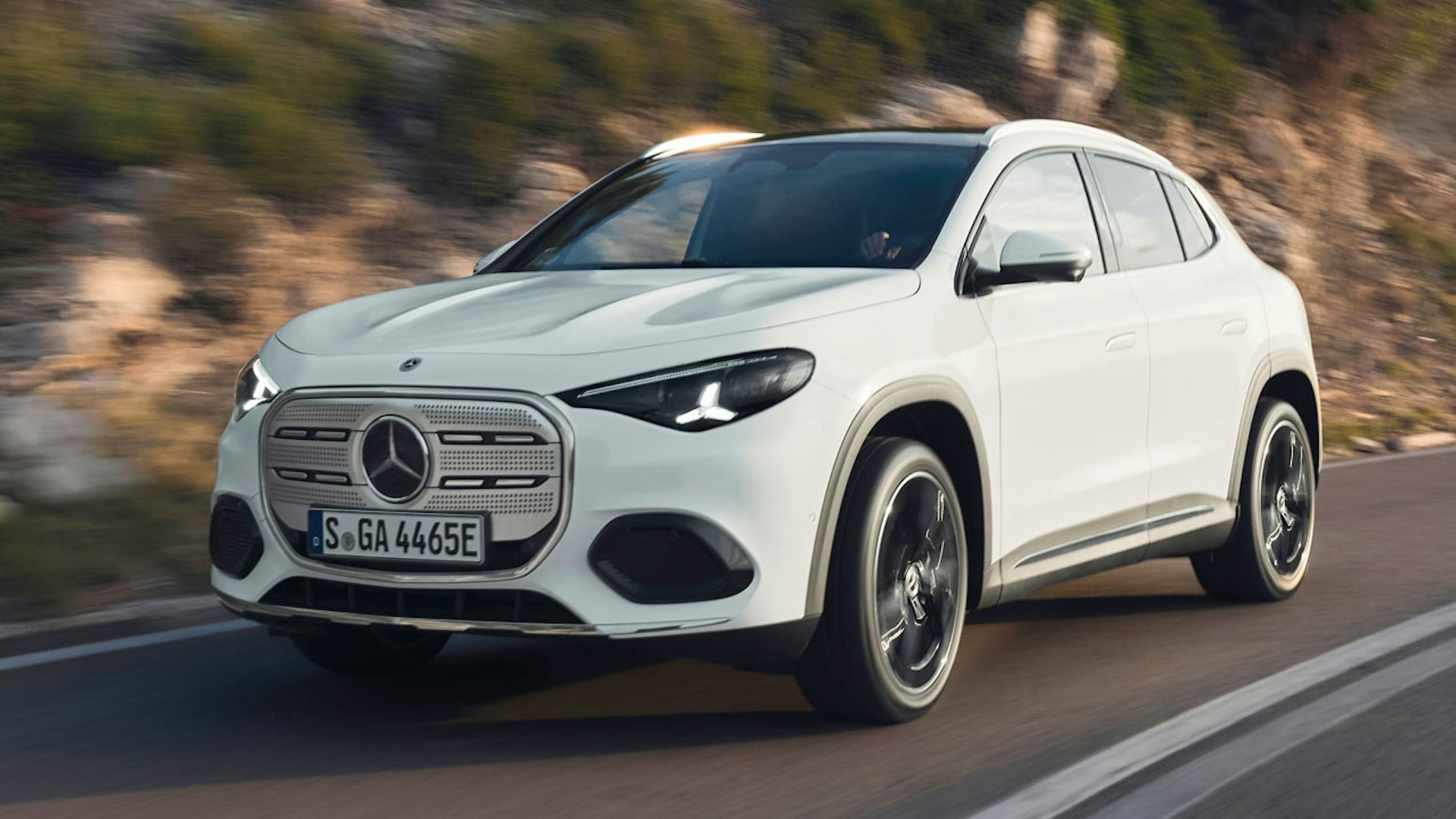
EV buyers waiting for the new electric Mercedes GLA get up to 408 miles of WLTP range from an 85-kWh battery and a 10-80% charge in 22 minutes, as the first test drives near Barcelona favor the 268-hp single-motor version

Depending on their length of service, employees could receive severance equivalent to more than 80 months’ pay, along with temporary continuation of benefits. Although transfers were possible, most workers chose to leave, or their temporary contracts ended.
The factory shutdown, covered by Portal Tempo Novo in a report on Toyota’s closure of its Indaiatuba operations, does not mean the automaker is scaling back its industrial presence in Brazil. In November 2026, the company opened a new plant in Sorocaba, with a higher level of automation and the capacity to build hybrid vehicles.
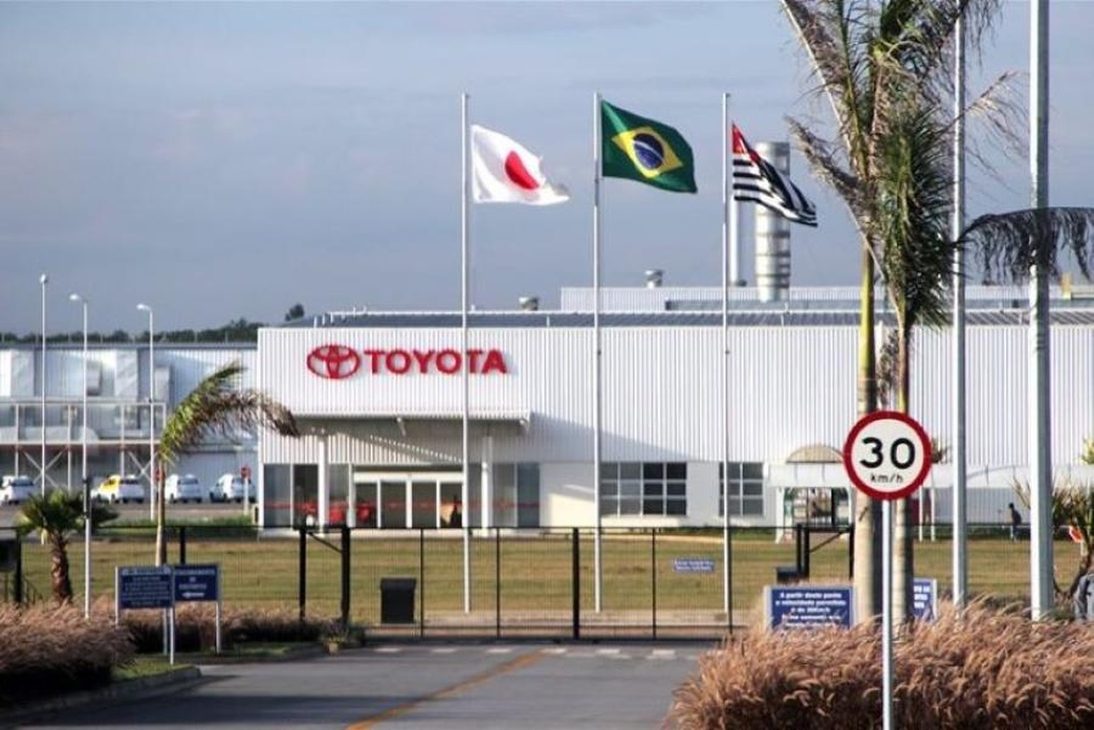
Last Corolla built in Indaiatuba marked the end of 28 years of industrial operations
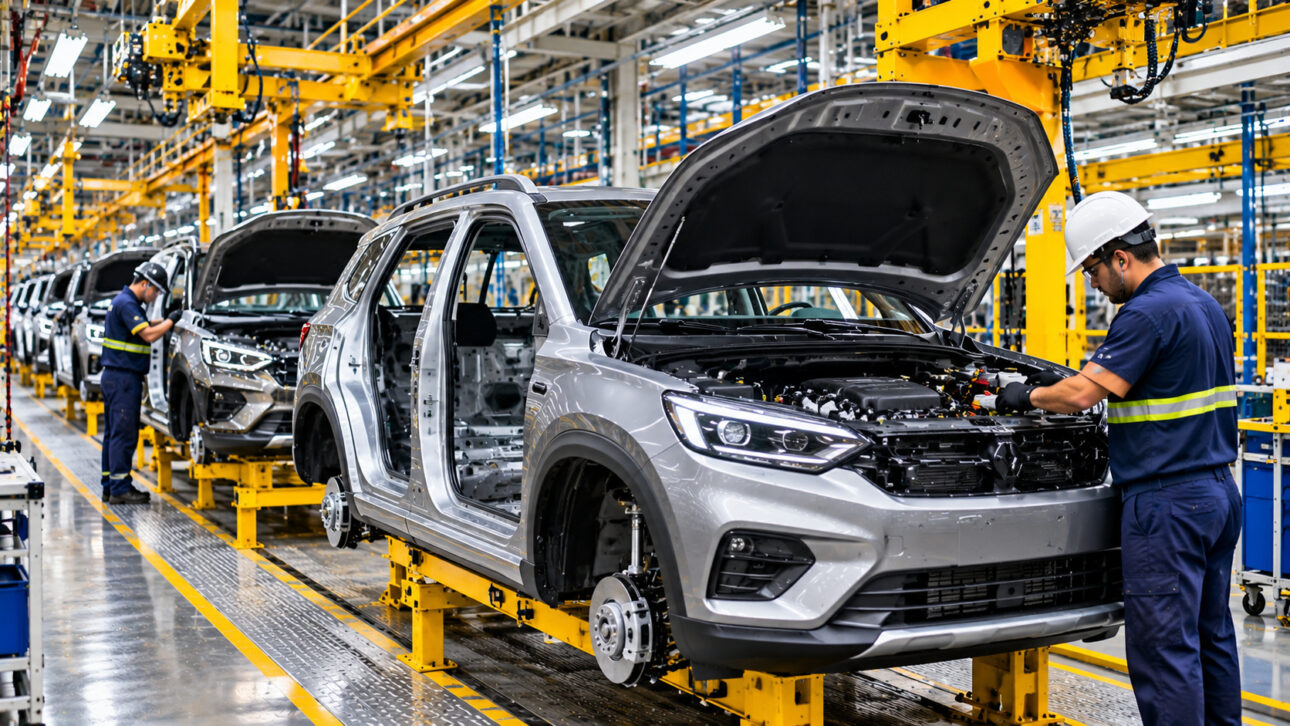
The last car built at the Indaiatuba factory rolled off the assembly line on June 19, 2026. It was a silver Corolla Altis Premium hybrid, marking the end of operations at a plant that opened in September 1998.
The facility played an important role in establishing Toyota in the Brazilian market. It was where the automaker built several generations of the Corolla and, from 2004 to 2008, the Corolla Fielder, a wagon version of the sedan.
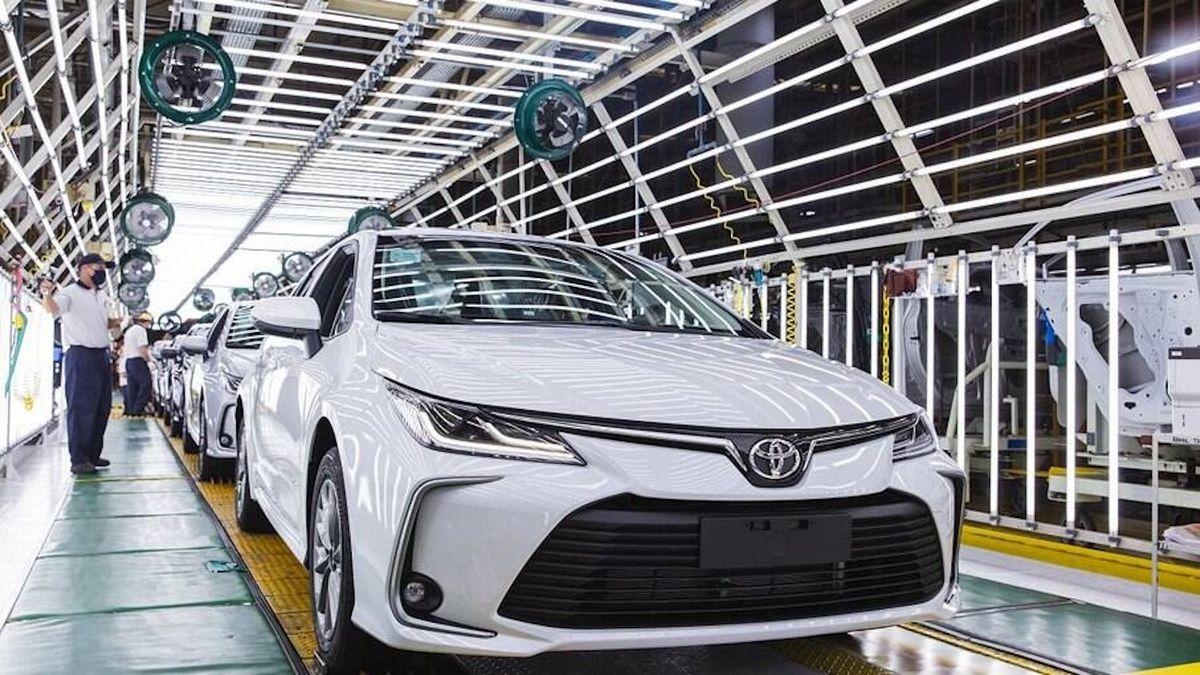
Over the years, the factory adapted to shifts in consumer preferences, onboard technology and environmental requirements in the automotive industry. The production of hybrid versions of the Corolla, decades after the plant opened, illustrates how its assembly lines changed.
Production ended a few days before the plant was officially decommissioned. During that interval, some employees remained involved in the procedures needed to wind down industrial operations.
The factory’s farewell therefore came in two stages. First, automobile production ended; then, on June 30, the industrial operation that had produced more than 1 million vehicles came to a close.
Only 150 employees accepted transfers to Sorocaba
When Toyota announced the factory’s closure in March 2024, it said it intended to preserve jobs by transferring workers. Only a small share of the workforce accepted the offer.
A report on the situation of Toyota workers published by the newspaper O Tempo found that about 150 of the 1,470 workers agreed to stay with the company in Sorocaba.
Nearly 1,000 opted for the voluntary separation program, while about 400 temporary workers saw their contracts end in early July.
The distance between the cities was one of the challenges workers faced. For those who had settled in Indaiatuba over several decades, a transfer could require changes to family routines, work schedules and daily commutes.
Toyota said it carried out the reorganization without unilateral layoffs, offering transfer and voluntary separation options. Temporary workers’ contracts, meanwhile, ended under different conditions from those that applied to permanent employees covered by the collective bargaining agreement.
Strike prompted Toyota to increase severance offer to workers
The terms offered to employees who chose to leave the automaker stemmed from negotiations that began in 2024. The company’s initial proposal called for 30 months’ pay, plus one month’s pay for each year worked.
Union representatives considered the amount insufficient given the consequences of the plant’s closure. The dispute led to a work stoppage and further rounds of negotiations between the automaker and the Metalworkers’ Union of Campinas and Region.
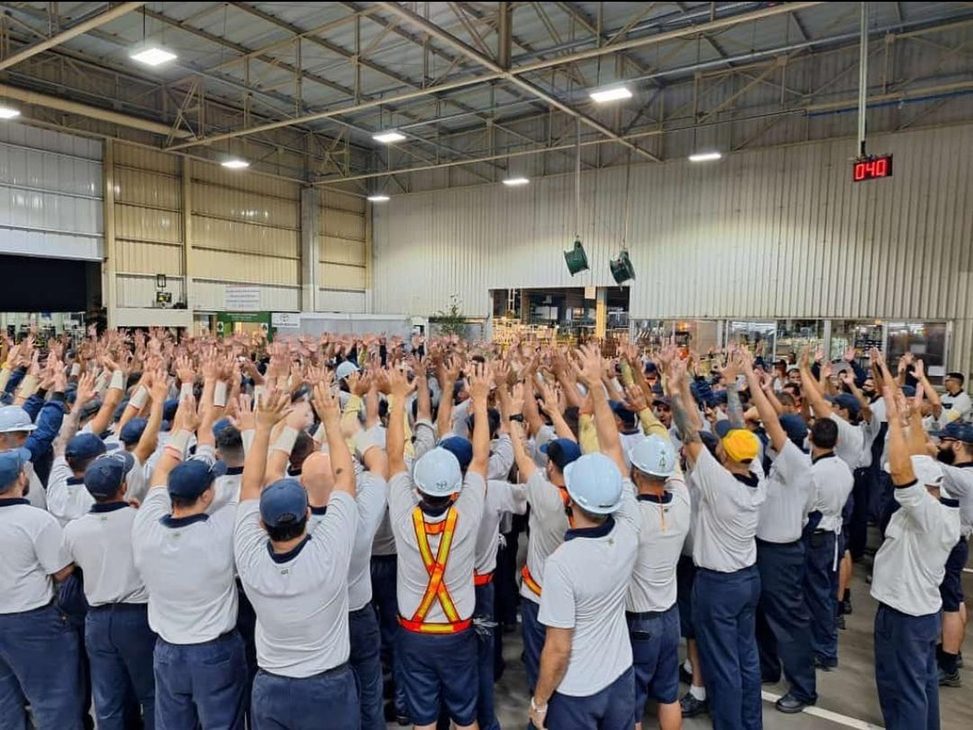
The agreement was reached in May of that year. The final proposal increased both the fixed payment and the additional compensation tied to length of service.
The approved package set severance at 45 months’ salary, plus two additional months for each year worked at the company. The change meant employees with longer careers at the automaker could receive considerably more than under the initial offer.
For example, an employee with 15 years at the company could receive the equivalent of 75 months’ salary. For someone with two decades of service, severance would amount to 85 monthly salaries.
In a hypothetical example based on a salary of R$8,000 and 20 years of service, the payment would total R$680,000. This example applies only the program’s general formula and does not represent an individual severance payment disclosed by the company.
The agreement also guaranteed continued health coverage and meal benefits for 36 months after separation. These terms were in addition to applicable severance payments.
Transferred workers received job security through July 2029
Keeping jobs in Sorocaba also came with financial compensation. During negotiations, the union sought guarantees for employees who agreed to work in another city, whether or not they chose to move their residence.
According to Folha de S.Paulo, the labor agreement between Toyota and the metalworkers guaranteed transferred employees job security through July 2029.
Workers who continued living in their original city would be entitled to two additional months’ salary and R$15,000. Those who moved to Sorocaba would receive additional compensation equal to 2.4 months’ salary.
There was also a provision allowing employees to reconsider the transfer. During the seven months after relocating, an employee could request separation and receive the benefits provided under the voluntary separation program, minus amounts the company had already paid for the relocation.
The option to reconsider gave employees who wanted to stay with Toyota a degree of security, even though they did not yet know how the transfer would affect their daily lives.
Why Toyota closed a factory that produced more than 1 million vehicles
The shutdown in Indaiatuba did not happen in isolation. Since March 2024, the company had been working to consolidate its operations in Sorocaba, where it already had an industrial facility for automobile production.
The strategy makes it possible to consolidate assembly lines, share support facilities and reduce the need to move components between different plants. It also creates room to bring in equipment and production processes for the brand’s upcoming launches.
In May 2026, the automaker confirmed the transfer of Corolla production to the Sorocaba industrial complex.
At the time, the company said centralizing operations was part of its long-term plan for the Brazilian market. Its priorities included expanding industrial capacity and preparing facilities to receive new electrified models.
In addition to the Sorocaba complex, Toyota operates an engine factory in Porto Feliz, in the state of São Paulo. The closure of the Indaiatuba plant changed the geographic distribution of production, but did not mean the automaker was leaving the country.
The possibility of the automaker leaving the domestic market circulated on social media. However, a fact-check by international news agency AFP clarified that the plant’s shutdown was part of an industrial expansion project, not an abandonment of operations in Brazil.
New factory is part of R$11.5 billion investment and expands production capacity
Less than five months separated the end of operations in Indaiatuba from the opening of Toyota’s second factory in Sorocaba. The ceremony took place on November 18, 2026, as part of an industrial expansion program announced two years earlier.
The facility is part of a R$11.5 billion investment cycle in Brazil, planned through 2030, based on information released by the São Paulo state government. The funds cover the expansion of production infrastructure, equipment upgrades and the development of new vehicles.
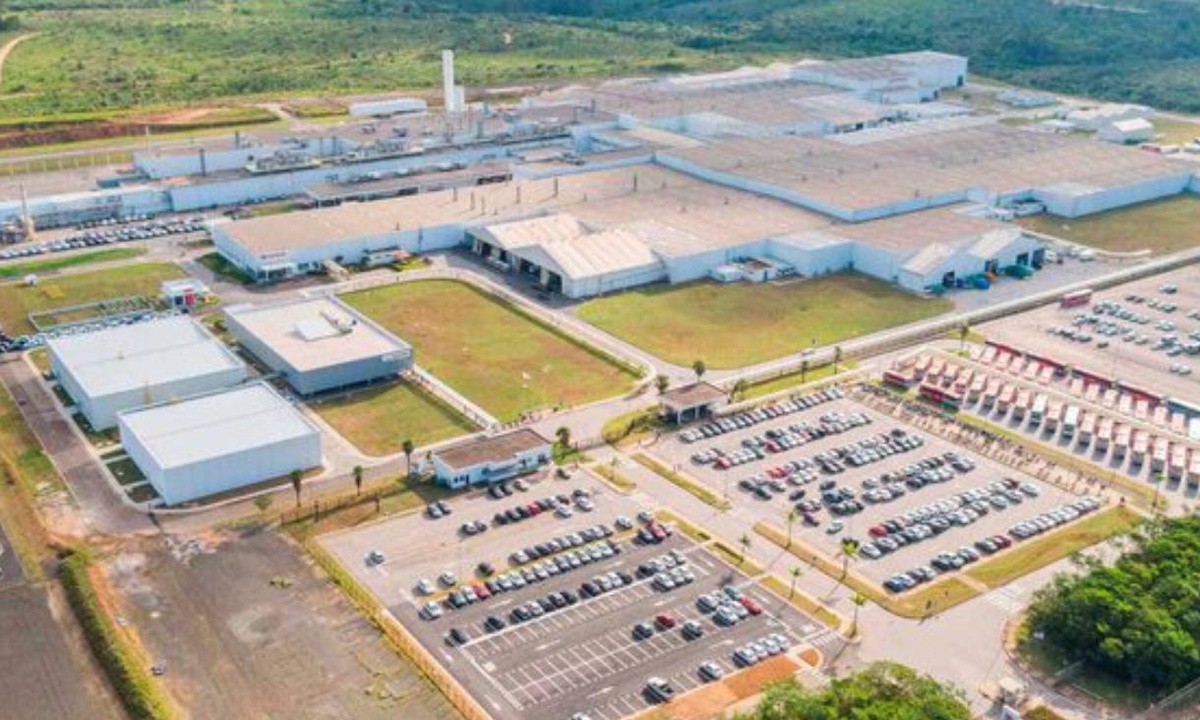
With the second assembly line coming online, Toyota’s production capacity in the country will reach about 270,000 cars a year. The new facility could initially account for up to 100,000 units annually.
These figures reflect factory capacity, not a sales forecast. Actual production will depend on demand for the cars and on operating conditions across the supplier chain.
The expansion also creates the conditions to add new products without relying solely on the lines dedicated to vehicles already in the automaker’s Brazilian lineup.
Corolla Deck pickup will be built in Brazil with flex-fuel hybrid technology
The factory’s opening brought news for Brazil’s auto market. During the presentation of the facilities, Toyota confirmed that the Corolla Deck, a pickup truck, will be built in Brazil, potentially expanding its presence in a segment contested by several automakers.
As reported by C-Level, Folha de S.Paulo’s business publication, the new Corolla Deck pickup will be offered with a flex-fuel hybrid powertrain and will sit below the Hilux in the brand’s lineup.
The choice of this technology is consistent with a strategy Toyota already follows in Brazil. The flex-fuel hybrid system combines an electric motor with an internal combustion engine that can run on gasoline or ethanol.
Unlike all-electric cars, conventional hybrid vehicles do not rely on external chargers to operate. That makes them an option for consumers who do not yet have regular access to charging infrastructure.
The Corolla Deck’s arrival also expands the range of products that can be made at the new factory. Built to replace part of Indaiatuba’s industrial footprint, the plant will be tasked with manufacturing a product not previously offered by the automaker.
Toyota’s industrial expansion is expected to create 2,000 direct jobs by 2030
While the closure of the Indaiatuba factory led hundreds of employees to leave the company, investments in Sorocaba have created new hiring opportunities.
At the opening of its second industrial facility, Toyota said the project had already generated about 1,700 direct jobs. The company expects to hire another 300 people by 2030.
The company also reported the share of women in the expansion. Women accounted for about half of the hires made by the time the factory opened.
The effects on the labor market also extend to companies operating outside the automaker’s facilities. Increased production capacity could boost demand for automotive components, freight transportation, industrial maintenance and support services.
However, the creation of these jobs does not mean that employees who left Indaiatuba were automatically absorbed by the expansion in Sorocaba. The two processes have distinct characteristics, and most former employees did not accept the transfer.
Toyota retains its global lead as it reorganizes operations in Brazil
The shift in Brazil’s industrial footprint comes as the Japanese automaker maintains its global lead. In 2025, the Toyota group sold approximately 11.3 million vehicles across its affiliated brands, remaining the world’s top seller by volume for the sixth consecutive year.
In Brazil, the company is seeking to expand its manufacturing capacity and diversify its locally made products. Consolidating operations in Sorocaba supports that plan, while the development of flex-fuel hybrid vehicles tailors investment to the characteristics of the local market.
Indaiatuba now faces a different challenge. The city has lost an established industrial operation that had been there for nearly three decades and maintained business ties with local suppliers and service providers.
The economic future of the area formerly occupied by the factory also warrants attention. Attracting new businesses could affect how the existing infrastructure is used and whether new job opportunities are created in the municipality.
Is offering longer-serving employees compensation equivalent to more than 80 monthly salaries enough to make up for closing a factory that supported thousands of jobs for nearly three decades?