





 Portuguese
  English
  Spanish
  4 min of reading
  0 comments


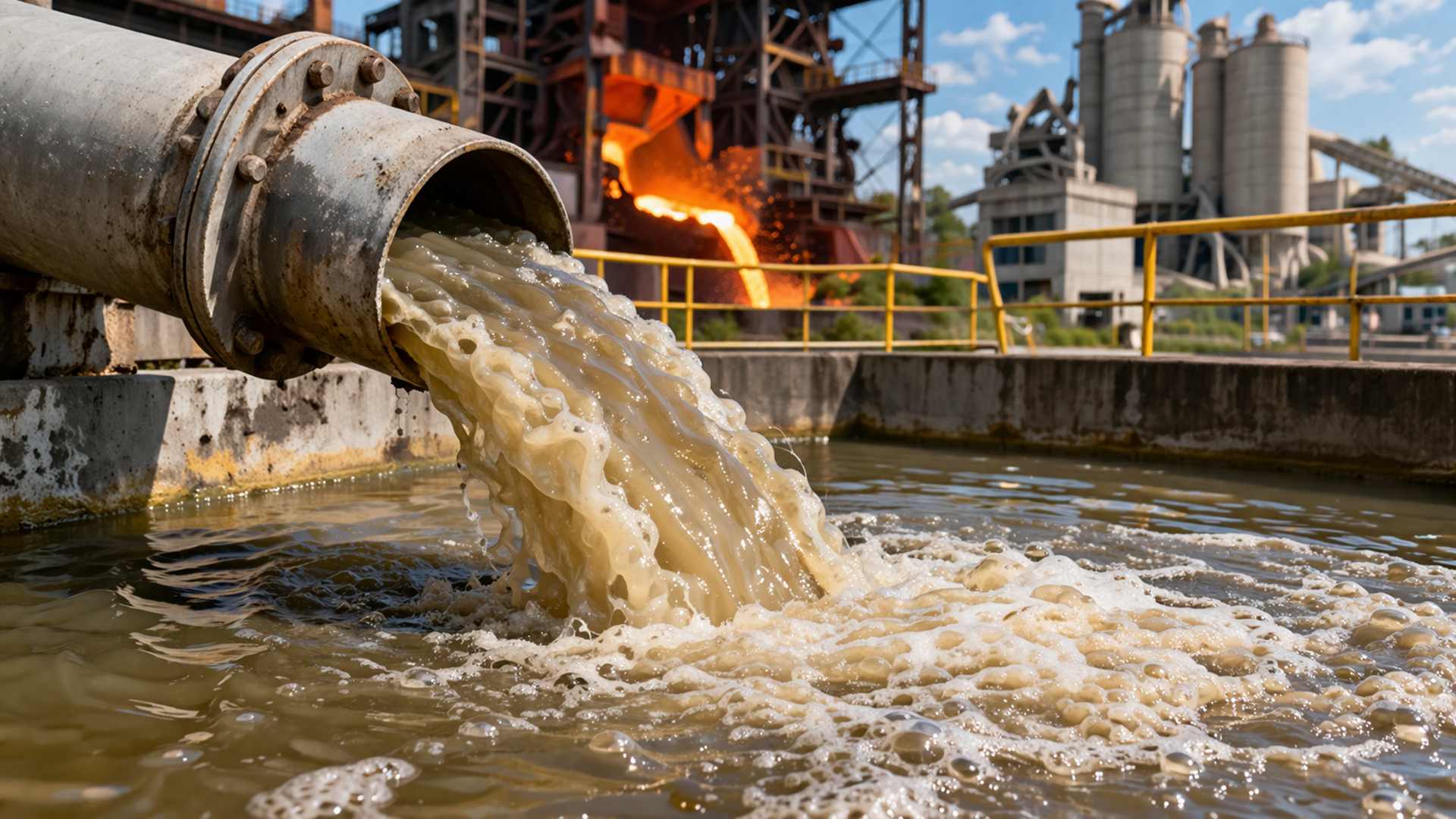
Study conducted in Germany indicates that alkaline wastewater from steelmaking and the cement industry can capture about 30 million tons of CO2 per year, using a low energy consumption process and direct application in their own industrial facilities
The wastewater generated by steelmaking and the cement industry can become an alternative for capturing carbon dioxide and removing about 30 million tons of CO2 from the atmosphere each year. This conclusion was presented by scientists from Helmholtz-Zentrum Hereon in Germany, based on a study on the utilization of alkaline industrial effluents.
The research identified that this wastewater can safely bind and store CO2, paving the way for a form of long-term carbon sequestration. The work was conducted by a team based near Hamburg and points to the reuse of these effluents as a promising possibility on an industrial scale.
How wastewater captures CO2
The proposal uses a basic principle of chemistry known as neutralization. Instead of employing strong acids in the treatment of alkaline wastewater before disposal, the process uses carbon dioxide itself.
-
Extinct for over 100 years and considered one of the rarest birds in Brazil, a legendary species reappears in the Northeast, resumes breeding in the wild, and surprises researchers in 2026.

-
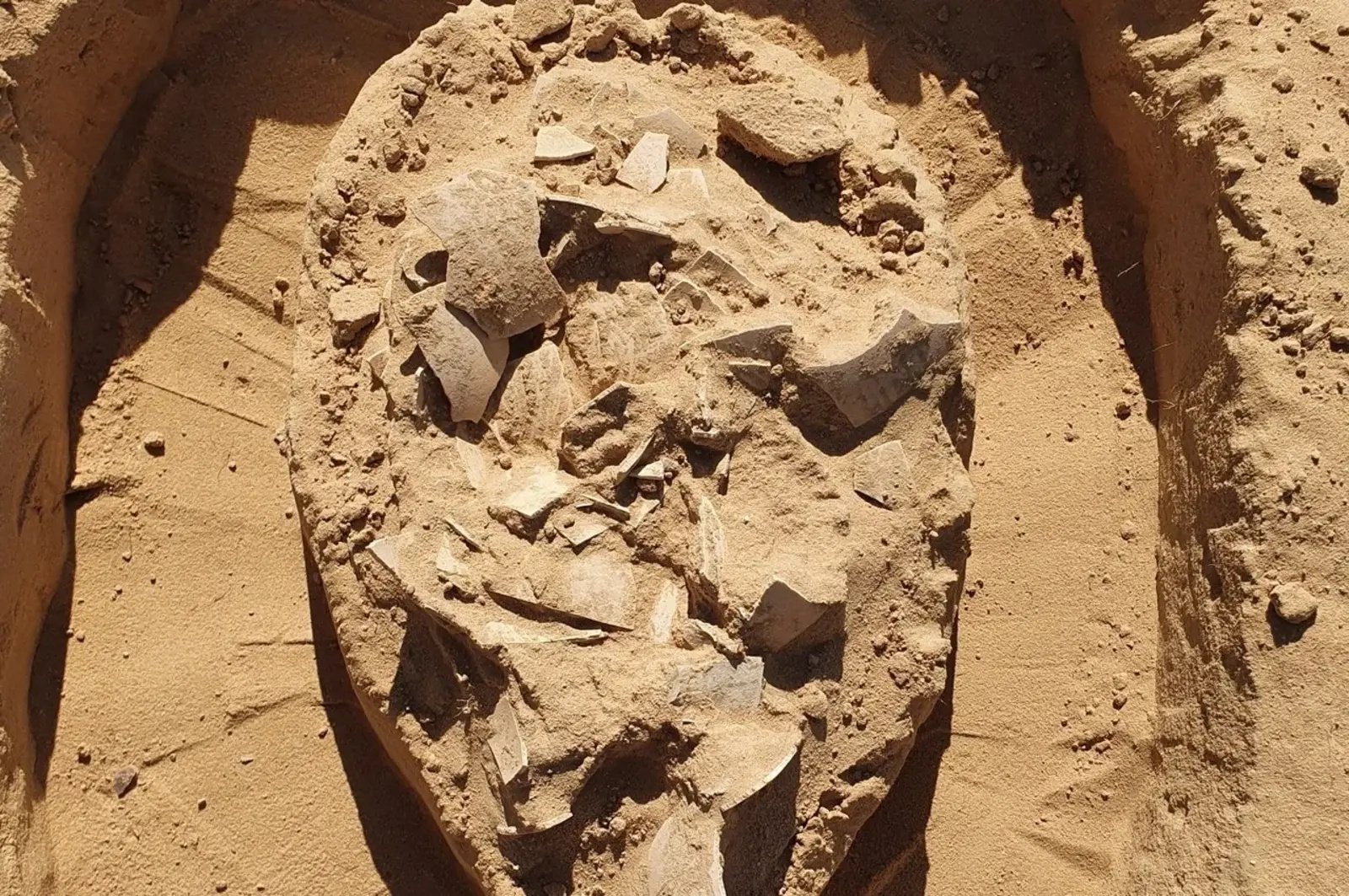
7,000-year-old bonfire in southern Israel reveals a rare scene from the past and uncovers ostrich eggs prepared by nomads in the desert.
-
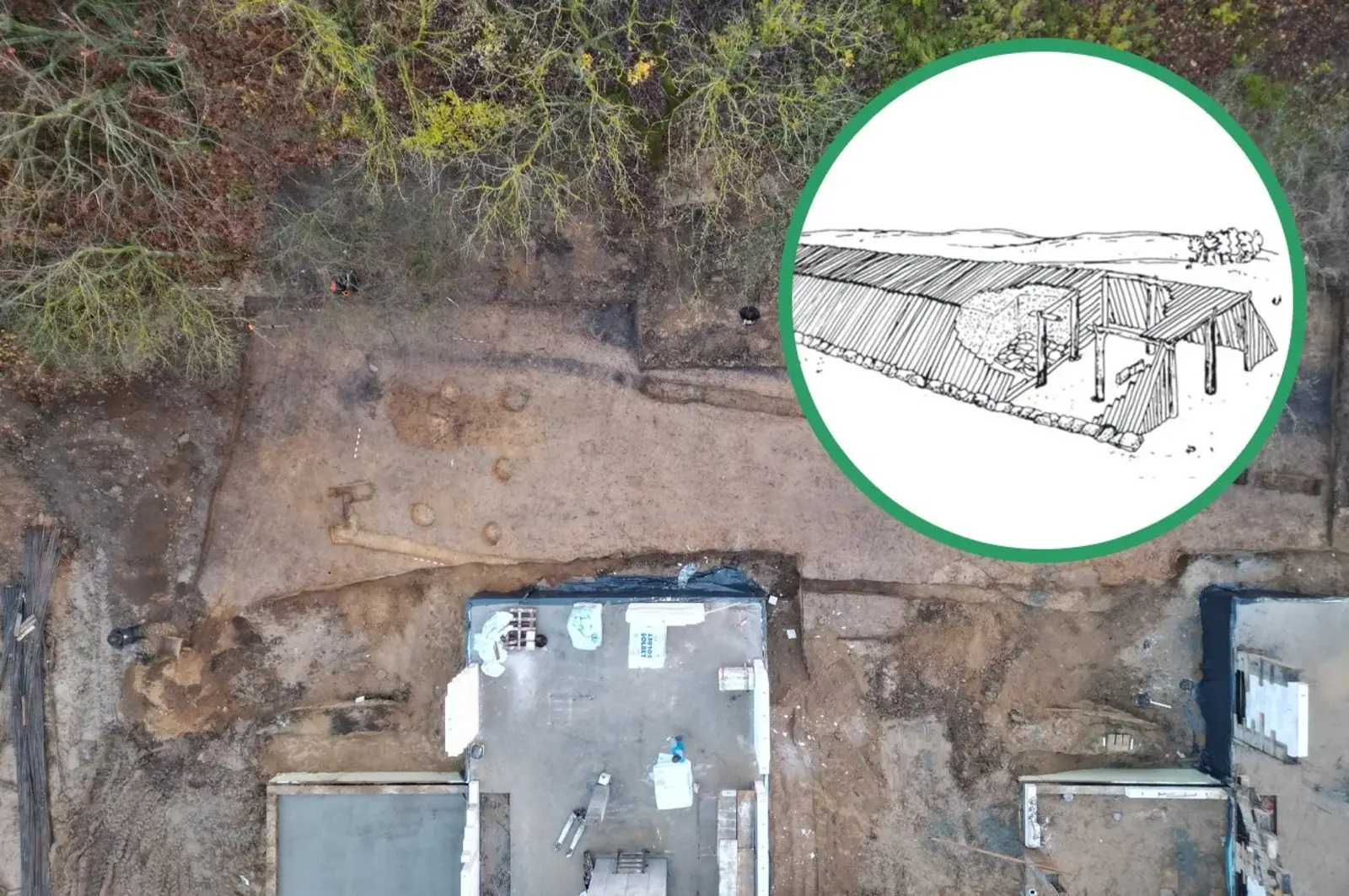
Gigantic megalithic mound of 42 meters emerges during housing construction in Lublin and reveals a Neolithic megadendron with a moat of nearly 30 meters.
-
The surprising fact: 1 in 3 Brazilians doubts the arrival of man on the Moon, while the majority still believes in the historic achievement, according to a Datafolha survey with more than 2,000 people.


Helmuth Thomas, PhD, professor and director of the Hereon Institute for Carbon Cycles, stated that the method is based on a reaction remembered from chemistry classes, the neutralization of a base by an acid. In this case, CO2 fulfills this role by reacting with alkaline liquids.
When carbon dioxide dissolves in water, it forms carbonic acid. This weak acid reacts with industrial wastewater and generates bicarbonate, a compound that keeps CO2 retained in the water for long periods and prevents its return to the atmosphere.
Thomas emphasized that this alkaline wastewater is produced in large volumes, especially in steel and cement manufacturing. Thus, utilizing this material expands the possibility of carbon capture without relying on a new source of inputs.
Change in industrial treatment
Until now, this type of effluent had been neutralized with sulfuric or hydrochloric acid before being discarded. This procedure, although already used, did not take advantage of the potential of wastewater to fix CO2.
The new approach proposes to replace these acids with carbon dioxide, incorporating gas capture into the already necessary treatment of these wastes. In this way, a routine industrial process also takes on a climate function.
The researchers related the method to a natural mechanism that has regulated atmospheric CO2 for billions of years, rock erosion. In this process, the gas binds to carbonates, such as sodium bicarbonate, which then flow to rivers and oceans and keep carbon stored for long periods.
The difference is that, in the case of wastewater, the reaction can occur in a controlled manner within the industrial systems themselves. This allows transforming a natural principle into a solution applied directly in heavy industry operations.
Scale potential and low energy consumption
The team’s calculations indicate that the global reuse of alkaline wastewater from the industry could capture about 30 million tons of CO2 per year. The study points out that this volume could be achieved with a solution integrated into existing systems.
The process also requires relatively little additional energy. Thomas stated that the necessary technology is already available, which reduces barriers for practical application on an industrial scale.
The team reported that the result was clear in showing that neutralizing CO2 in this way is worthwhile, especially due to the low energy consumption of the facilities. This factor reinforces the potential of the method as a lower operational cost carbon capture alternative.
Operational advantages and process control
Another highlighted point is that the procedure occurs entirely on-site where the wastewater is generated. This eliminates the need to transport and disperse large volumes of crushed rock, an obstacle present in other carbon removal strategies.
Operating in an industrial environment also facilitates precise monitoring of the amount of CO2 captured and stored. Additionally, it reduces uncertainties related to the effectiveness and potential environmental impacts observed in methods that use mineral powders in the ocean.
As industrial systems operate under controlled conditions, the process maintains consistent results and safe pH levels before disposal. In this scenario, wastewater ceases to be just a waste to be treated and becomes part of a carbon retention route with direct application in the industry.
The study was published in the journal Environment, Science & Technology Letters. The research reinforces that the use of alkaline wastewater from steelmaking and cement production can combine industrial treatment and CO2 capture in a single operation.








Seja o primeiro a reagir!