





 Portuguese
  English
  Spanish
  3 min of reading
  0 comments


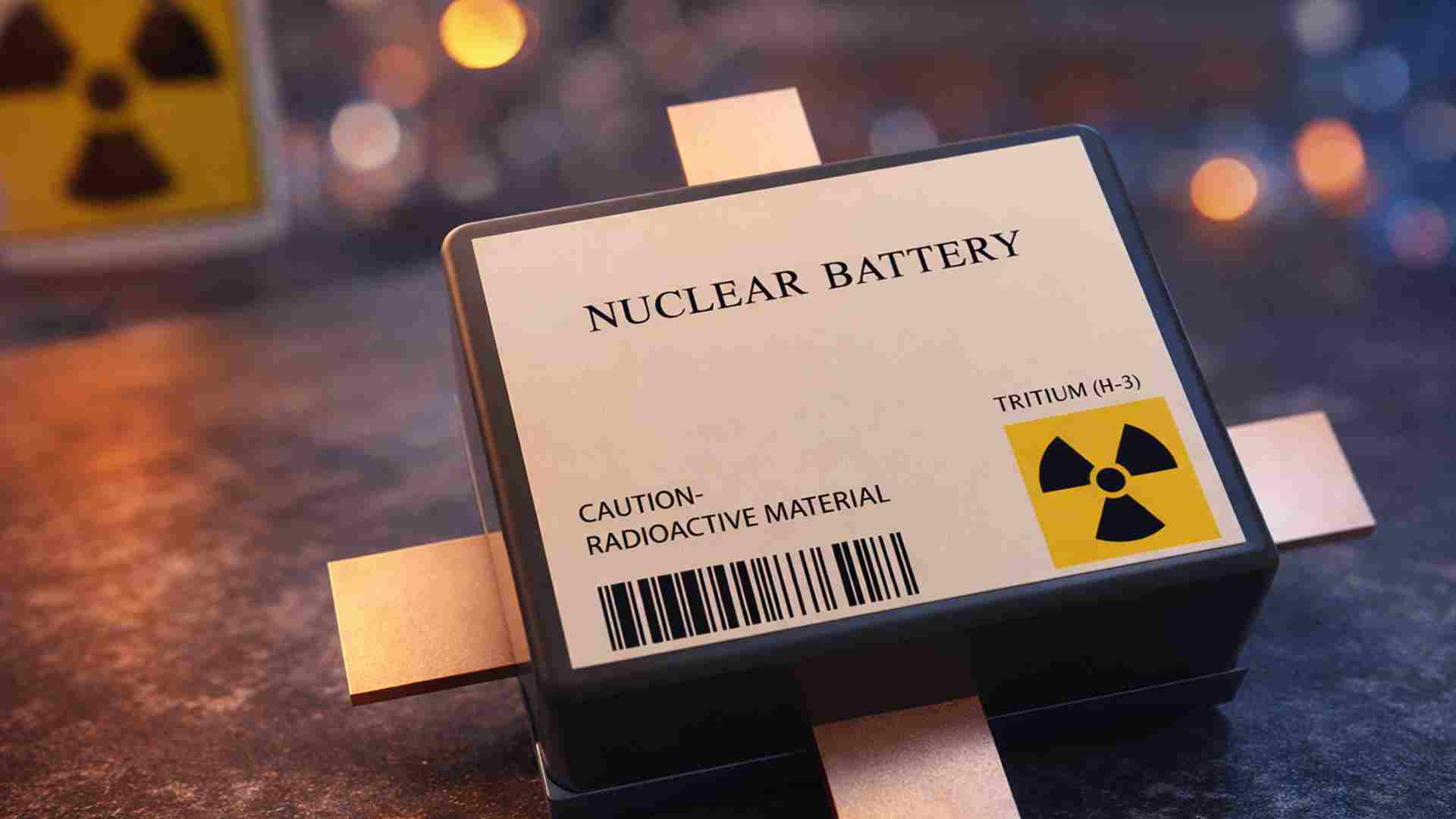
The solid-state nuclear battery presented by a company from the United States promises to provide continuous energy for more than 100 years, without recharging or maintenance, in sensors, monitoring systems, and ultra-low-power devices installed in remote, hostile, or hard-to-access environments
The nuclear battery presented by the American company NRD LLC is designed to provide continuous energy for over 100 years without the need for maintenance, focusing on ultra-low-power electronic devices installed in remote or hard-to-access locations.
The system uses a betavoltaic design powered by nickel-63 and aims to meet applications where battery replacement or recharging is not feasible.
The company’s proposal is directed at components that require stable power supply for long periods, even operating at extremely low power levels. The sealed solid-state architecture has been developed for scenarios where maintenance interventions are difficult, costly, or simply impossible.
-
After 80 years at the bottom of the ocean, a Japanese airplane with a 2,000 hp engine and preserved wings is retrieved from the seabed.

-
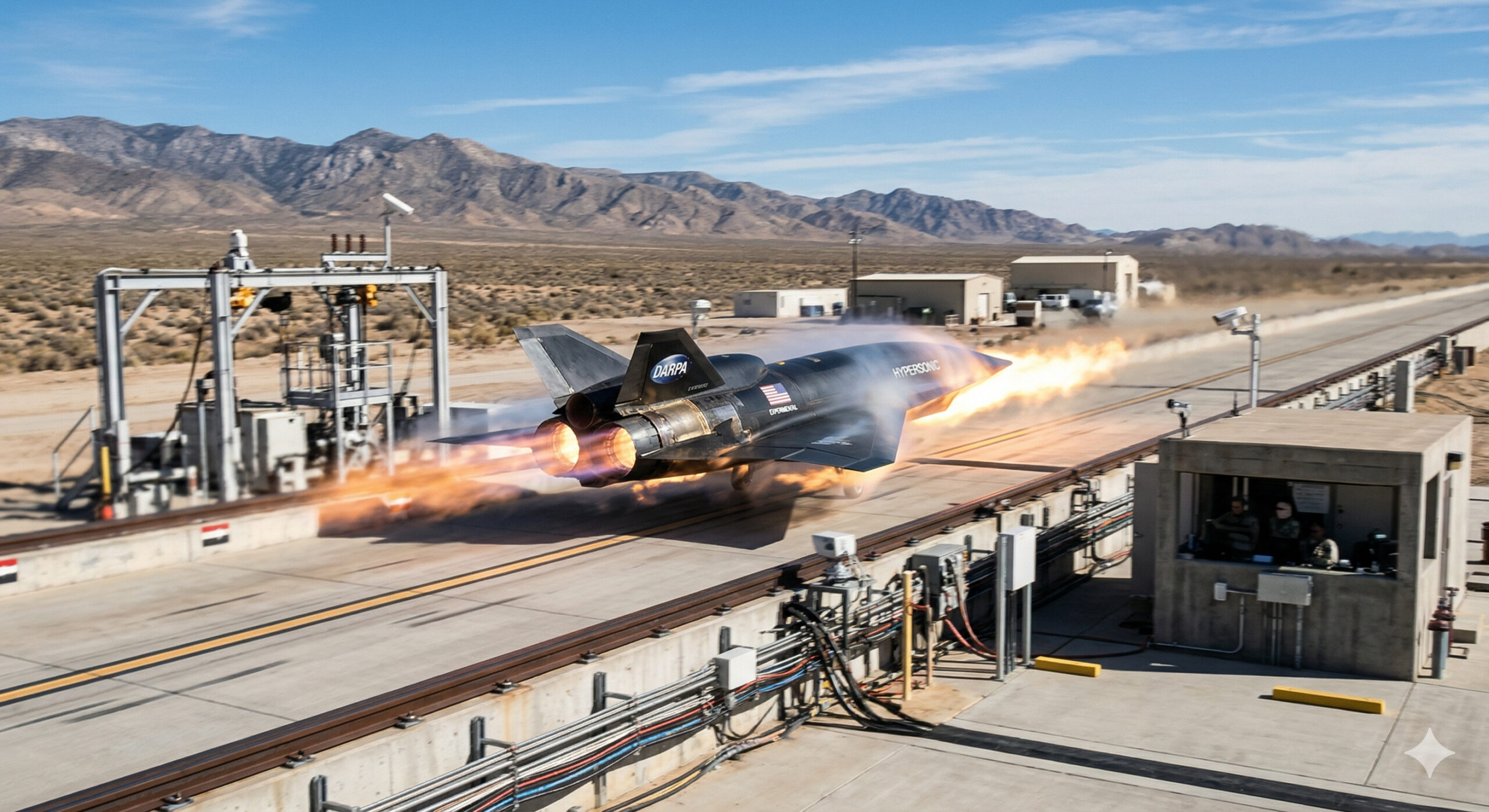
DARPA surprises by launching a program to create an engine capable of taking off and accelerating to hypersonic speeds above 5,300 km/h (Mach 5), combining turbine and ramjet/scramjet in a unique architecture to finally make reusable flight viable.
-
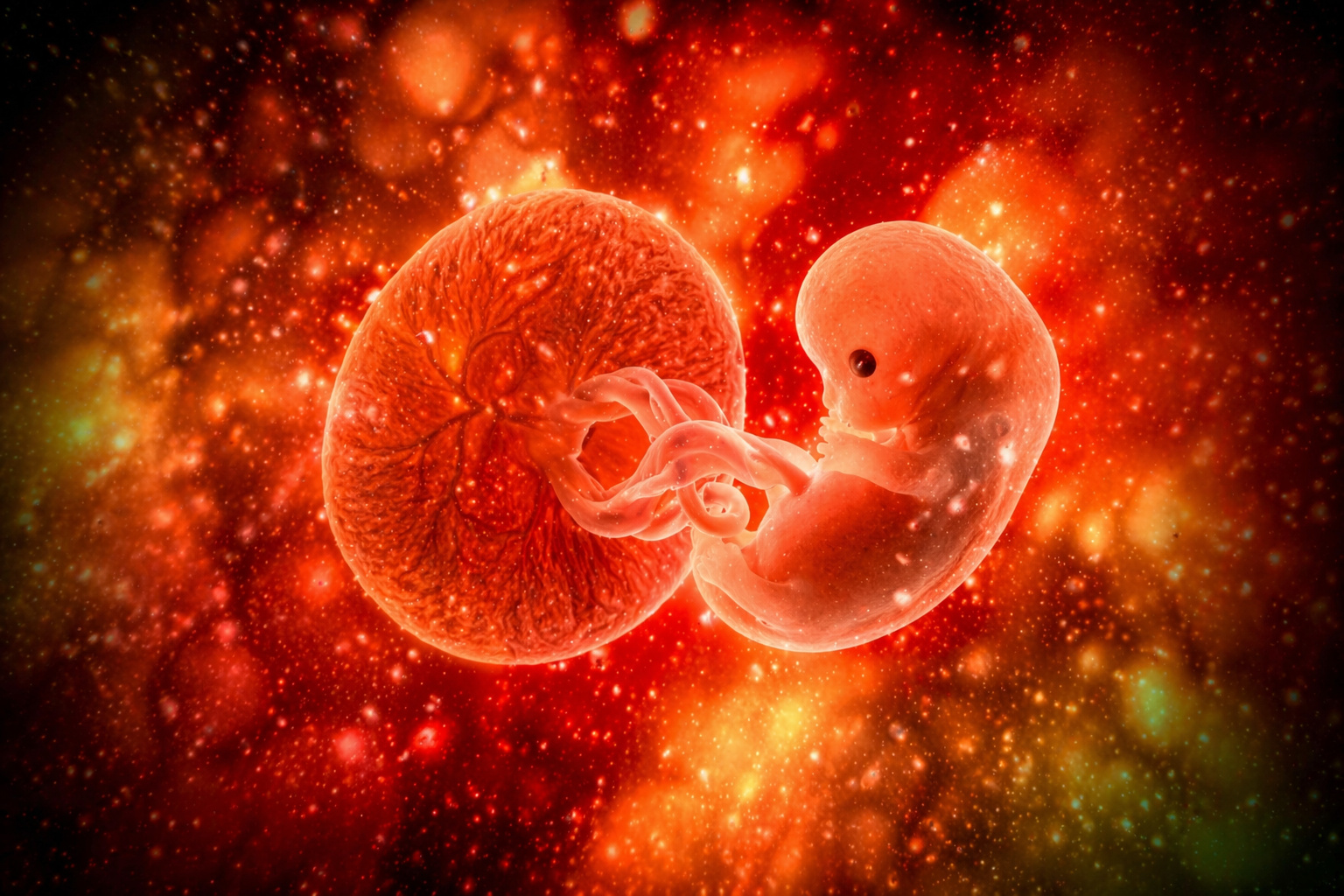
Scientists identify a unique cell that appears only during pregnancy and plays a role in the connection between the placenta and blood flow, revealing an essential mechanism for fetal development and possible causes of gestational complications.
-
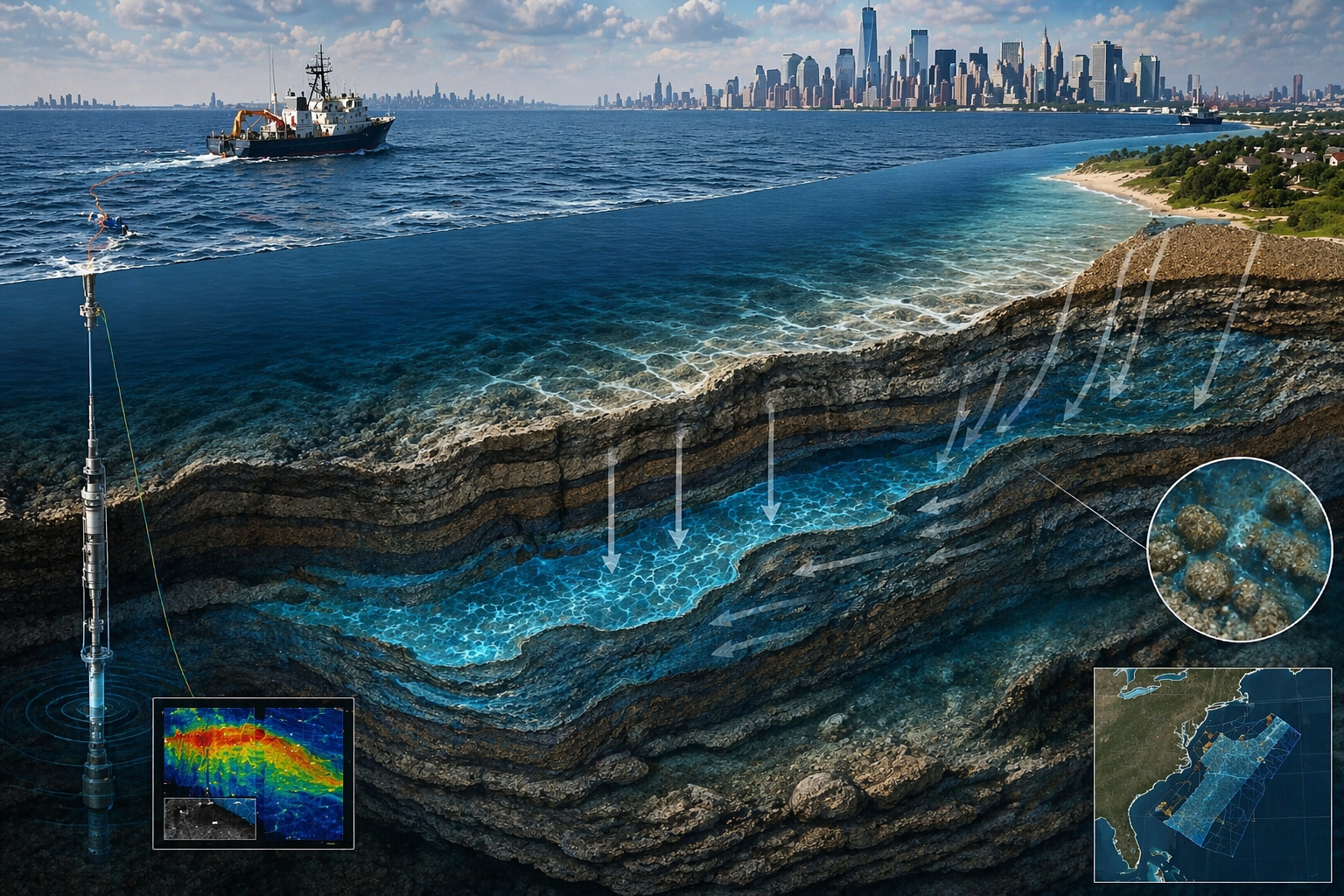
A true “invisible ocean” of fresh water has been found beneath the Atlantic and could sustain a metropolis like New York for centuries while challenging everything that was known about natural water reserves on the planet.
Nuclear battery uses beta decay to generate electricity
The NBV series utilizes the radioactive decay of nickel-63 to produce electricity by converting the energy released during beta decay into electric current. Unlike conventional batteries, the operation occurs through a continuous discharge process, allowing for a much longer lifespan.
This model, however, operates at quite limited power, placing it in the microenergy category for ultra-low-power devices. NRD claims that this feature makes the nuclear battery suitable for equipment that requires a permanent power supply, even at a minimal scale.
Specifications place the system in the ultra-low power range
The company states that the battery can provide power between 5 nanowatts and 500 nanowatts. The device operates with a voltage between 1.0 V and 20.0 V and a nominal current of 7.5 nA to 33 nA, in a compact format of 20 mm by 20 mm by 12 mm.
These specifications indicate uses in sensors, data logging systems, and monitoring equipment that require continuous power input, but in very low volumes. The nuclear battery has also been positioned to support electronic components in environments with limited access, where prolonged autonomy is a central requirement.
Shel Alfiero, CEO of the company, stated that critical mission sets can collapse when a component of the power matrix is compromised or fails. For him, the NBV series represents a high-integrity, maintenance-free microenergy solution for applications that require prolonged reliability and consistent supply in hostile and demanding environments.
Anticipated applications include sensors, security, and autonomous platforms
NRD reported that the nuclear battery was designed for use in industrial monitoring, environmental sensors, and security systems. The company also mentioned autonomous platforms with artificial intelligence, which require constant low-level energy to maintain operational states of the system.
The device has also been targeted for remote deployments, including infrastructure monitoring and long-duration integrity tracking systems. In these cases, the main advantage cited is the possibility of continuous operation in areas where maintenance is difficult or unfeasible.
Kevin Heffler, the COO of NRD, classified the launch as a milestone and stated that the company is converting decades of experience in regulated nuclear materials into next-generation energy solutions. He also highlighted that the manufacturer has a license, six proprietary radiological laboratories, a dedicated Health Physics department, and a structured radiological safety program aimed at large-scale production and long-term programs with clients.
Company has not yet released commercial timeline
Despite emphasizing its experience with radioisotope-based products, including components for smoke detectors, NRD has not provided timelines for large-scale deployment or details on the commercial availability of the nuclear battery.
The absence of these definitions leaves open when the system may be adopted outside of the development and institutional presentation environment.
The company maintains that the long operational lifespan of the device is linked to the half-life of nickel-63. Still, performance in real-world conditions will depend on factors such as efficiency, shielding, and integration constraints, points that have not been independently verified.





Seja o primeiro a reagir!