





 Portuguese
  English
  Spanish
  4 min of reading
  0 comments


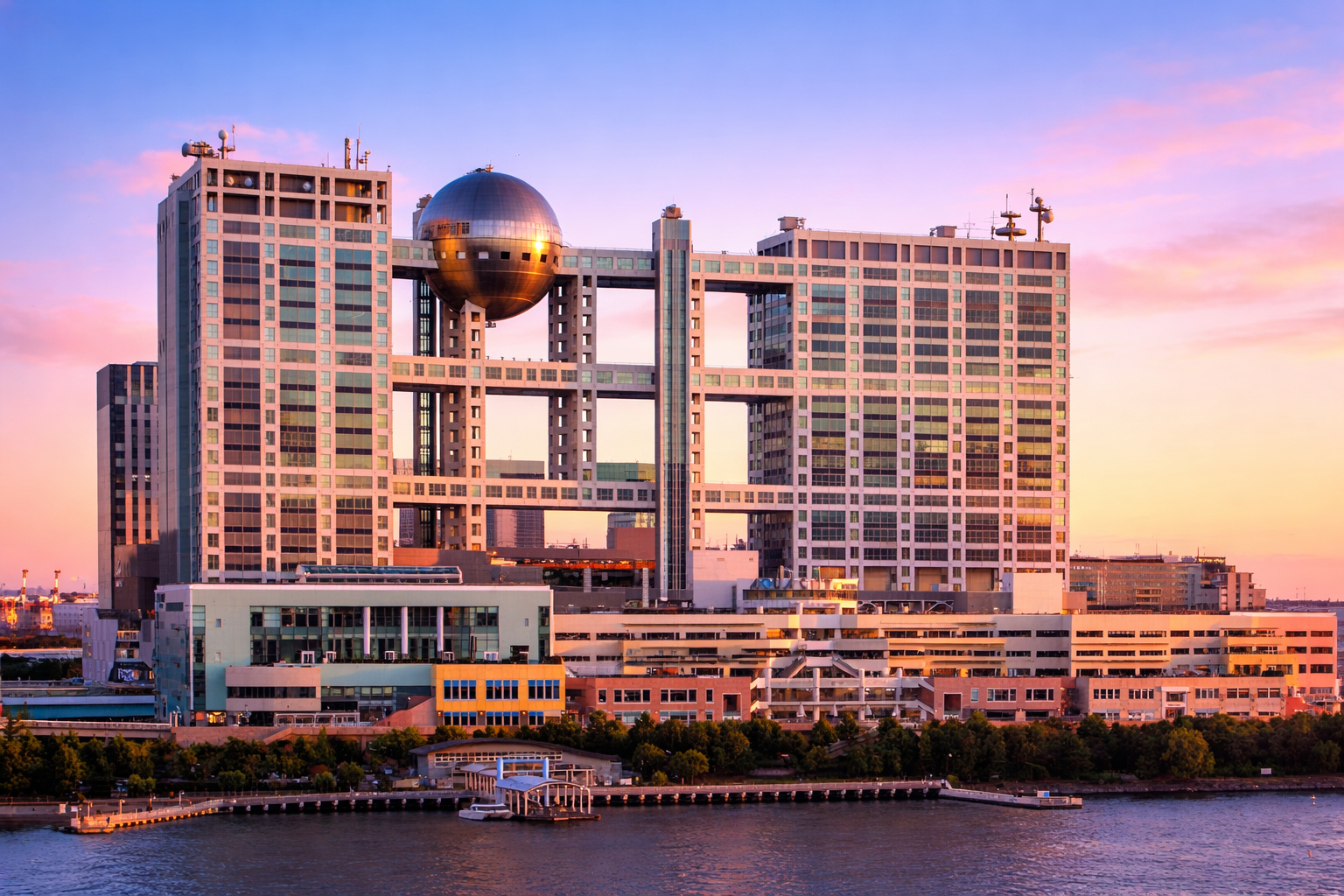
The building of Fuji TV, a mega structure with a floating sphere in Japan, combines advanced engineering, tourism, and pop culture in one of the most curious constructions in the world
The mega structure with a floating sphere of Fuji TV in Tokyo catches attention at first glance and has become one of the city’s most recognized symbols. The construction brings together advanced engineering, futuristic design, and earthquake resistance, factors that explain why the structure stands out on the Odaiba skyline.
In addition to its visual impact, the building also serves as a tourist attraction and interactive space. The highlight is the 1,200-ton metal sphere suspended high above, which sparks curiosity about how such a large structure can remain secure in a seismic region.
Modern architecture transforms building into an urban landmark of Tokyo
The headquarters of Fuji Television was designed by Kenzo Tange, Pritzker Prize-winning architect, and completed in 1996. The project follows the line of metabolist architecture, known for prioritizing flexibility and adaptation of structures.
-
The village where two rivers run side by side without mixing in Santarém and Alter do Chão reveals some of the most beautiful freshwater beaches on the planet.

-
Brazil’s nuclear submarine with a speed 5 times greater than normal advances after nearly 50 years and R$ 40 billion spent.

-
A Brazilian island charges R$ 0.50 to receive visitors and prohibits any new residents.

-
Why was the Great Wall of China built? The truth that many are unaware of!


The building is not a single block. It features two 25-story towers connected by elevated walkways, creating an open format that reduces the impact of winds coming from Tokyo Bay.
Information about the project and structural concept appears in publications from Fuji Television, the Japanese television broadcaster, which presents the building as a combination of architectural innovation and urban functionality.
Sphere of 32 meters and 1,200 tons challenges engineering
The main highlight of the construction is the so-called Hachitama, a silver sphere with 32 meters in diameter and about 1,200 tons.

The assembly of this structure required a precise operation. The sphere was built on the ground and then raised to its final position between the 24th and 25th floors, in a process that took 9 and a half hours using hydraulic jacks.
This method ensured greater safety and control during installation, reducing risks and allowing adjustments during the lift.
The hollow building helps the mega structure withstand earthquakes
Japan frequently experiences earthquakes, which requires specific solutions in civil construction. The Fuji TV building utilizes a mega structure in the shape of a grid, which better distributes weight and increases flexibility.
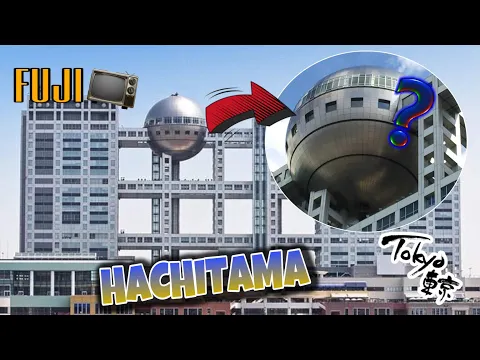

This type of structure allows the building to move in a controlled manner during seismic shocks. Additionally, the open spaces help to reduce wind pressure, which is important due to its proximity to the sea.
Fuji Television, the Japanese television broadcaster, also highlights the use of titanium panels in the exterior cladding, chosen for their high resistance to corrosion caused by the marine environment.
Observatory inside the sphere attracts tourists and visitors
The sphere is not just a decorative element. Inside it operates the Hachitama observatory, which offers a view of 270 degrees of Tokyo Bay.
From there, it is possible to see famous spots such as the Rainbow Bridge and, on clear days, even Mount Fuji. This has transformed the mega structure into a highly sought-after tourist destination.
The space also allows for contact with television production, with open areas where visitors can observe the behind-the-scenes of well-known programs and animations.
Pop culture and futuristic aesthetics boost popularity
The building gained even more notoriety by appearing in productions of Japanese pop culture. It became a striking setting in animes like Digimon, which expanded its global recognition.

The visual of the construction resembles the futuristic style of the nineties, closely associated with the cyberpunk concept. This aesthetic remains popular, especially in urban photography and digital content.
At night, the building stands out with a lighting system called Glitter 8, which creates visual effects on the windows and transforms the mega structure into a spectacle of lights.
Construction brings together engineering, tourism, and cultural identity
The headquarters of Fuji TV shows how a project can go beyond its basic function and become a reference in different areas. The combination of technology, safety, and innovative design has transformed the building into one of the most iconic points in Tokyo.
The presence of the 1,200-ton suspended sphere, combined with the interactive proposal and connection to pop culture, keeps the building relevant even decades after its inauguration.
And you, would you dare to visit this observatory at the top of a giant sphere? Leave your comment and share this curiosity with others.







Seja o primeiro a reagir!