





 Portuguese
  English
  Spanish
  6 min of reading
  0 comments


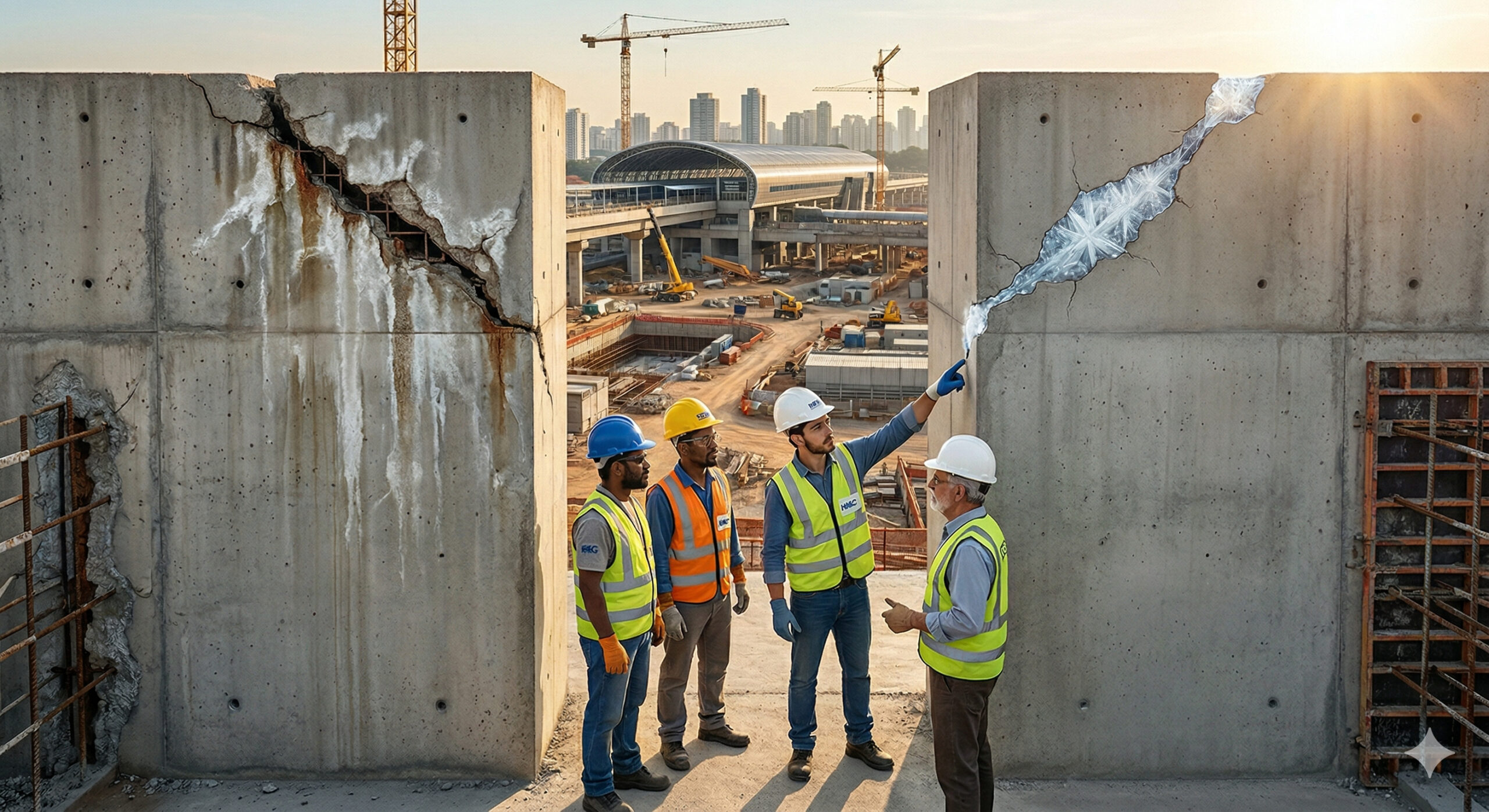
Self-healing concrete is already used in Brazil, closes cracks on its own and can increase the useful life of structures by up to 30 years
According to civil engineer Emilio Minoru Takagi, a master’s degree holder in Science from the Aeronautics Institute of Technology (ITA) and international technical director of Penetron Global, and an article from ABECE, self-healing concrete is already being used in Brazil in large-scale real projects, moving beyond being just a laboratory experiment. The technology was developed in the laboratories of the Materials Department at ITA and applied in projects where structural durability is critical. The use of this material allows microcracks to close automatically, reducing infiltrations, corrosion of reinforcements, and maintenance costs over time.
Among the applications already recorded are three stations of Line 4 of the Rio de Janeiro Metro, as well as museums and large-scale developments. The presence of this technology in relevant public works places Brazil within a global scenario of innovation in construction materials.
Where self-healing concrete has been applied in Brazil in real works
Projects using self-healing concrete have documented locations and applications. The material was used in the bottom slabs of the stations Praça Nossa Senhora da Paz, Jardim de Alá, and Antero de Quental, all belonging to Line 4 of the Rio de Janeiro Metro.
-
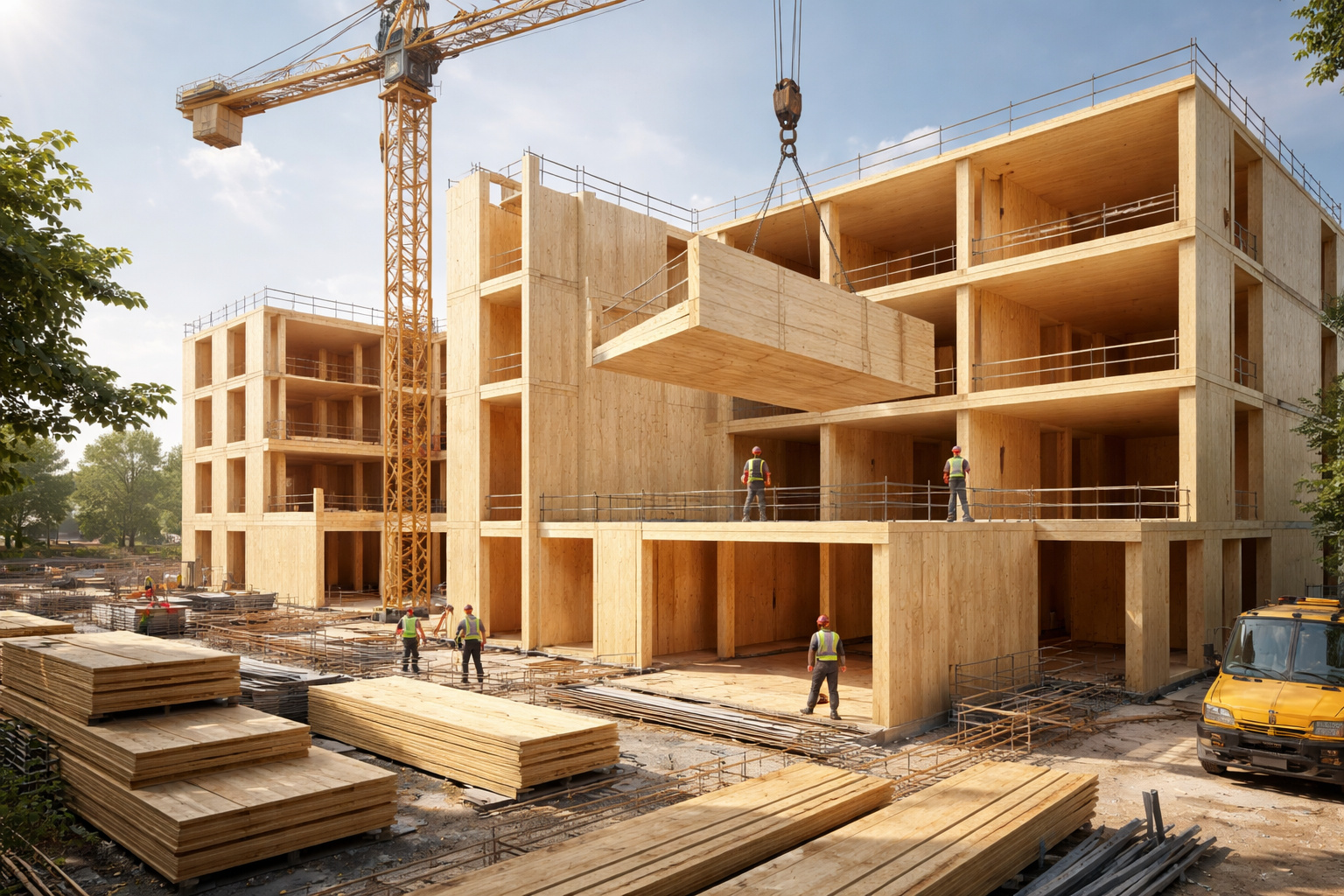
Engineered wood CLT challenges steel and concrete and promises construction that is up to 2x faster with a lower environmental impact in modern civil engineering.
-
Video: Retiree builds 26-meter Roman castle in his backyard with pieces from dozens of countries, ornamental grates from Libya, and a dragon made of recycled metal.

-
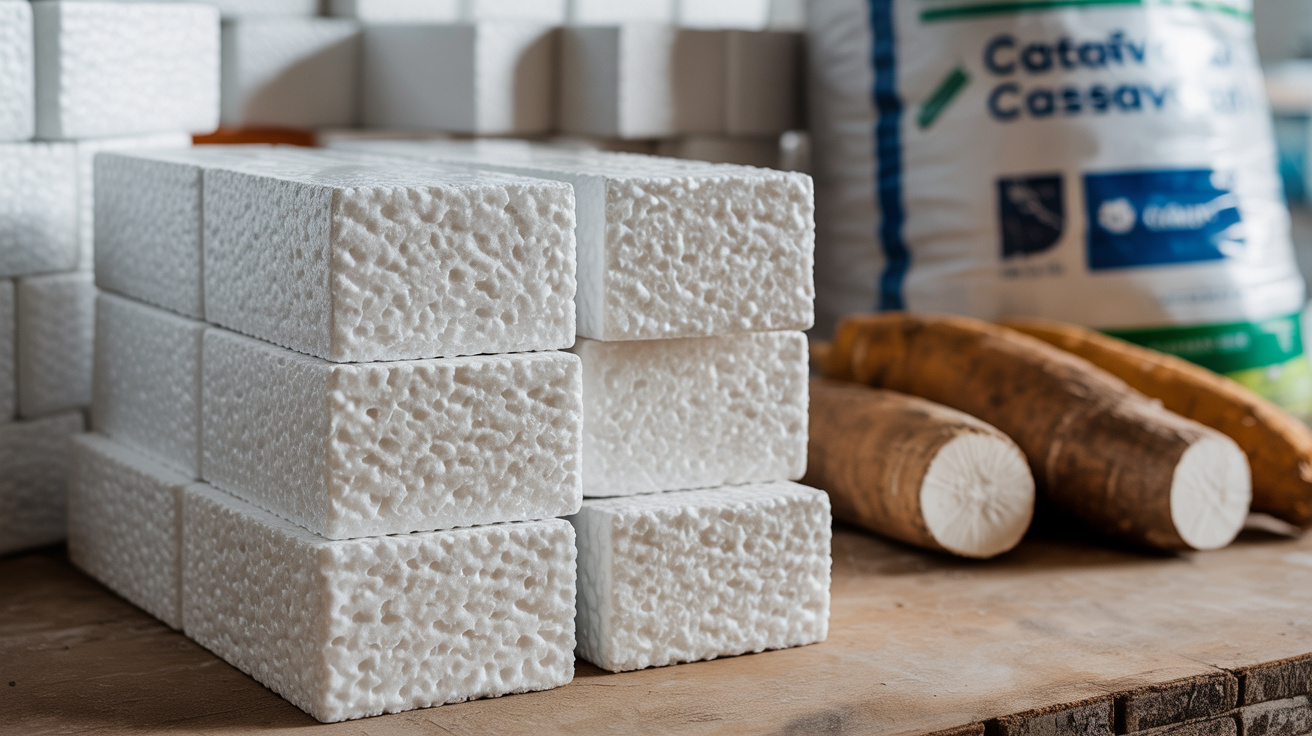
Bricks made with recycled Styrofoam and cassava glue cost R$ 0.40 and insulate walls, reducing internal temperature by 6°C using a technique that produces 50 units with just one 50 kg bag of cement.
-
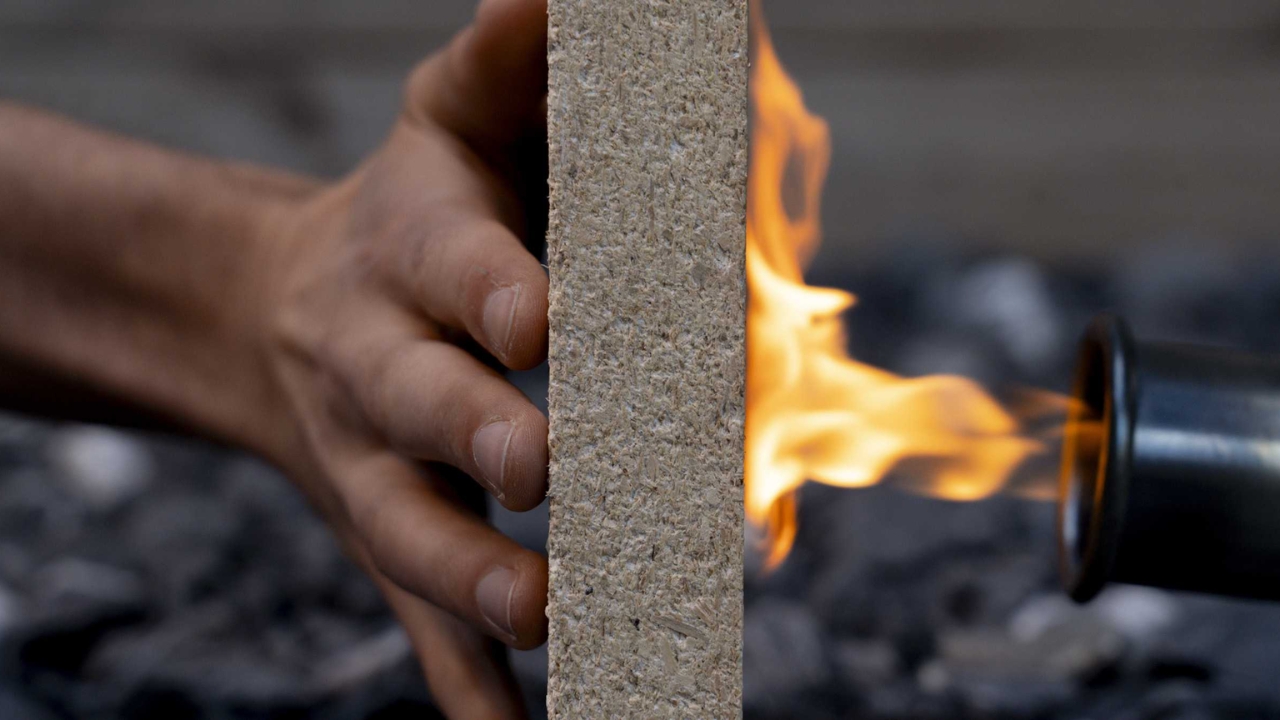
Scientists transform sawdust into fire-resistant panels, stabilize the compound with an enzyme extracted from watermelon seeds, and turn waste into promising material for construction.

These structures operate under severe conditions, with constant contact with groundwater, requiring a high level of impermeability. In this context, self-healing concrete allows natural cracks to be sealed automatically, eliminating the need for frequent corrective interventions.
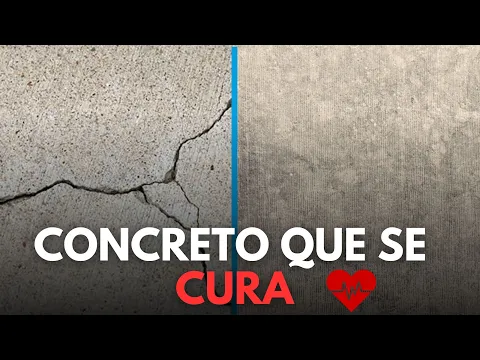

In addition to the metro, the material has been applied in the pressure slab of the Museum of Image and Sound in Rio de Janeiro and in the fluid roof of the Museum of Art of Rio. In Porto Alegre, it was used in a 20,000 m² pressure slab in the Pontal do Estaleiro Building complex, located 3.3 meters below the level of Lake Guaíba.
Four projects in three Brazilian cities are already using this technology, which is still little disseminated in the country.
How self-healing concrete works and the crack sealing process
To understand the difference of self-healing concrete, it is necessary to analyze the behavior of conventional concrete. All concrete is subject to crack formation due to stresses caused by thermal variations, structural loads, humidity, and settlements.
These cracks allow water to enter, which carries chlorides, sulfates, and carbon dioxide. These chemical agents attack the steel reinforcements, causing corrosion, expansion, and structural deterioration.
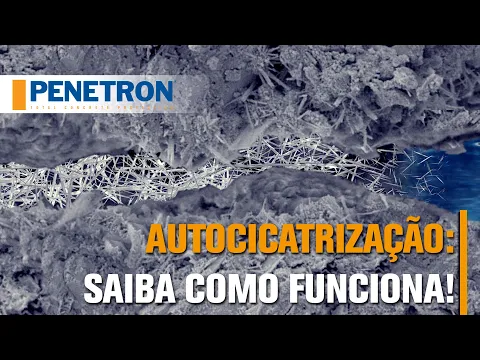
Self-healing concrete interrupts this process at the source. The material incorporates a crystalline additive combined with synthetic fibers such as polypropylene, steel, and glass, as well as aluminum powder. This composition controls the formation of microcracks up to 0.4 mm, considered ideal for activating the healing process.
When water penetrates the crack, a chemical reaction occurs. The crystalline catalyst raises the alkalinity and promotes the formation of crystals that grow inside the crack, progressively filling it until it is completely sealed.
This process occurs from the inside out, without the need for external application. The very agent that would cause damage, water, becomes the trigger for the regeneration of the material.
Self-healing concrete can regenerate cracks up to 0.5 mm with a reliability rate of approximately 95%, meaning the process is successful in 19 out of 20 cases.
ITA research on self-healing concrete and the use of blast furnace slag
The Aeronautics Institute of Technology began research on self-healing concrete in 2011, positioning itself as one of the pioneering institutions in Brazil.
Emilio Minoru Takagi’s master’s thesis identified that the presence of pozzolanic materials, such as blast furnace slag, significantly increases the efficiency of self-healing. This material, a byproduct of the steel industry, has latent hydraulic behavior that favors internal chemical reactions in concrete.

Brazil has a wide availability of blast furnace slag, especially in industrial regions such as Minas Gerais and the Southeast. This factor reduces costs and expands the potential for applying the technology in the country.
In addition to ITA, institutions such as USP, UFRJ, UFMG, UFRGS, UFBA, UFPE, UnB, and other universities are conducting parallel research, consolidating a robust scientific base on the subject.
Cost of self-healing concrete and savings on waterproofing
The main obstacle to large-scale adoption is the initial cost, which can be between 15% and 30% higher than conventional concrete.
However, this isolated analysis does not consider fundamental factors. Self-healing concrete eliminates the need for waterproofing, which can represent between 10% and 20% of the total cost of a structure.
Moreover, the durability of the material is significantly greater, potentially extending the useful life of structures by an additional 20 to 30 years. This reduces maintenance costs and corrective interventions throughout the life cycle of the work.
In underground or hard-to-access structures, this savings becomes even more relevant, considering indirect costs such as service interruptions, logistics, and urban impact.
Useful life of self-healing concrete can reach 60 years
The estimated useful life of self-healing concrete ranges from 50 to 60 years, while conventional concrete generally performs between 30 and 40 years under ideal conditions.
In aggressive environments, such as structures exposed to constant moisture or chemical agents, this difference can be even greater. The material offers greater resistance to deterioration and less need for maintenance over time.
Despite successful applications, self-healing concrete still faces regulatory barriers in Brazil. The absence of a specific technical standard prevents its specification in public tenders, as the Brazilian system requires standardization by ABNT for material validation.
A working group even developed a draft for standardization, but the process was interrupted. As a result, engineers avoid specifying the material in public projects due to the technical responsibility involved.
This creates a paradox: the material has already been used in critical works such as the metro, but cannot be widely adopted due to the lack of regulation.
Bioconcrete with bacteria is the next evolution of the technology
Research is advancing towards a new generation of materials known as bioconcrete. This material incorporates bacteria of the genus Bacillus into the concrete matrix.
These bacteria remain inactive until water enters a crack. When activated, they produce calcium carbonate, which permanently seals the crack.
Bioconcrete can repair cracks larger than conventional self-healing concrete, potentially exceeding a few millimeters. However, it still lacks normative validation due to the lack of long-term studies.
Another line of research involves microcapsules that release sealing agents when broken by cracks. These technologies indicate an evolution towards construction materials with autonomous and intelligent behavior.
Economic impact of self-healing concrete on Brazilian civil construction
Brazil invests significant amounts in the maintenance of degraded concrete structures, including bridges, overpasses, sanitation networks, and foundations.
A large part of these costs is related to water infiltration and corrosion of reinforcements. Self-healing concrete acts directly at the source of this problem, significantly reducing the need for repairs. In hard-to-access works, the maintenance cost involves not only repairs but also complex logistics, area closures, and social impacts.
By reducing the need for interventions for decades, self-healing concrete can represent a structural change in the economy of civil construction.
Self-healing concrete is already in operation in Brazil and works without intervention
The self-regenerating concrete is already in use in critical structures in Brazil, such as the foundations of the Rio de Janeiro Metro.
Millions of people use these structures daily, unaware that cracks are being automatically sealed by the material itself.
The technology already works in practice, under real conditions, without the need for constant monitoring or human intervention. The main current challenge is not technical, but regulatory. The absence of standards limits the expansion of a technology that has already demonstrated efficiency, durability, and economic viability.







Seja o primeiro a reagir!