





 Portuguese
  English
  Spanish
  4 min of reading
  0 comments



The process of manufacturing pure gold bars shows complete stages from ore to the final product with a high standard of quality
The process of manufacturing pure gold bars begins with the raw ore and continues until the formation of solid pieces with a uniform appearance. This journey involves transforming the extracted material into a precious yellow and shiny metal, with strict control at each stage.
The production includes activities such as crushing, heating, molding, and manual finishing. In the end, standardized gold bars emerge, which can be used in various applications present in people’s daily lives.
This type of process draws attention for its combination of technique, repetition, and visual control. The information was released by Hasung Machinery, a manufacturer of industrial equipment for precious metals, which describes the stages from raw material to final product.
-
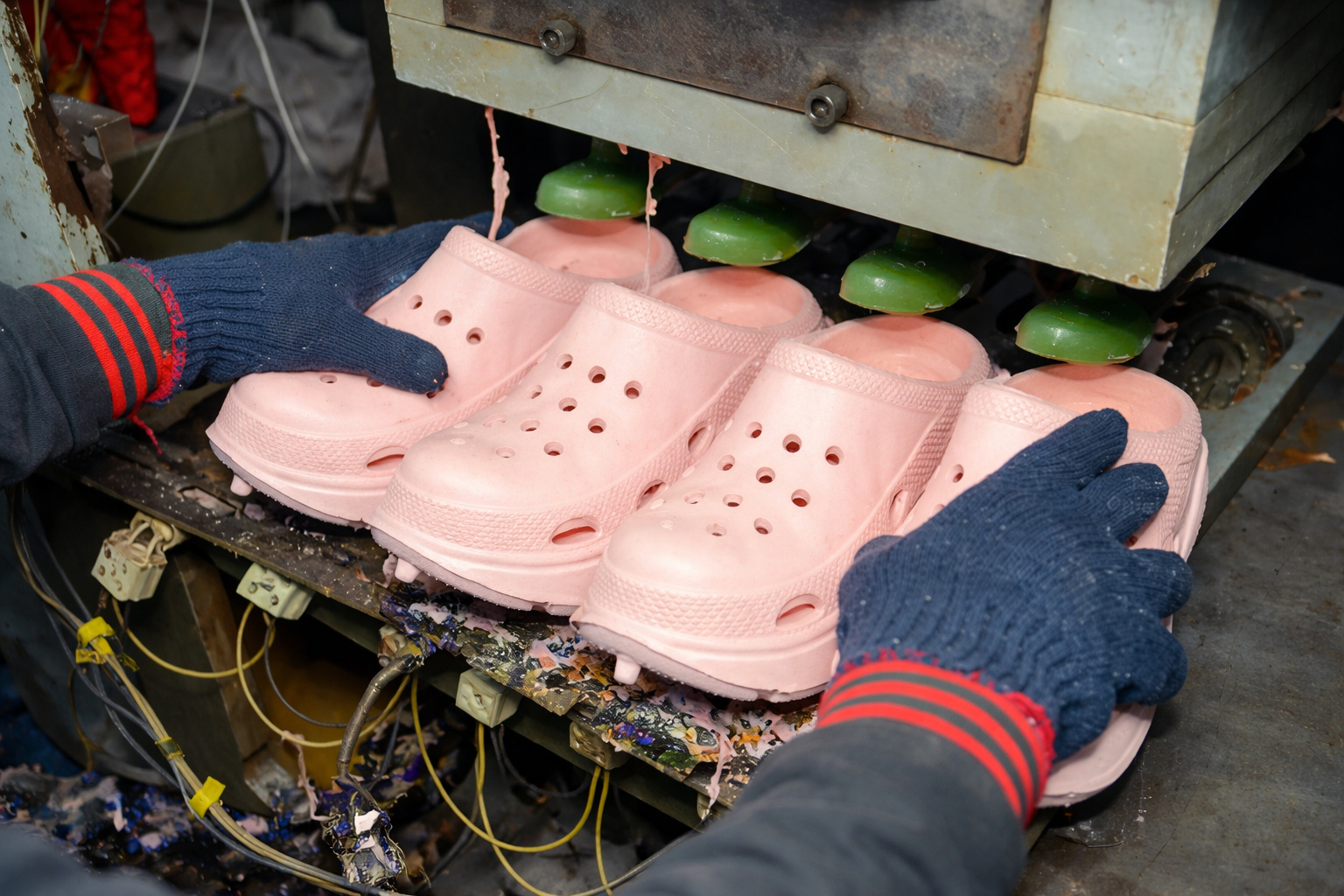
With a rigid organization, attentive workers, and machines that don’t stop for a second, the production of foam slippers like Crocs in India demonstrates how the factory transforms raw material into pairs ready for export.
-
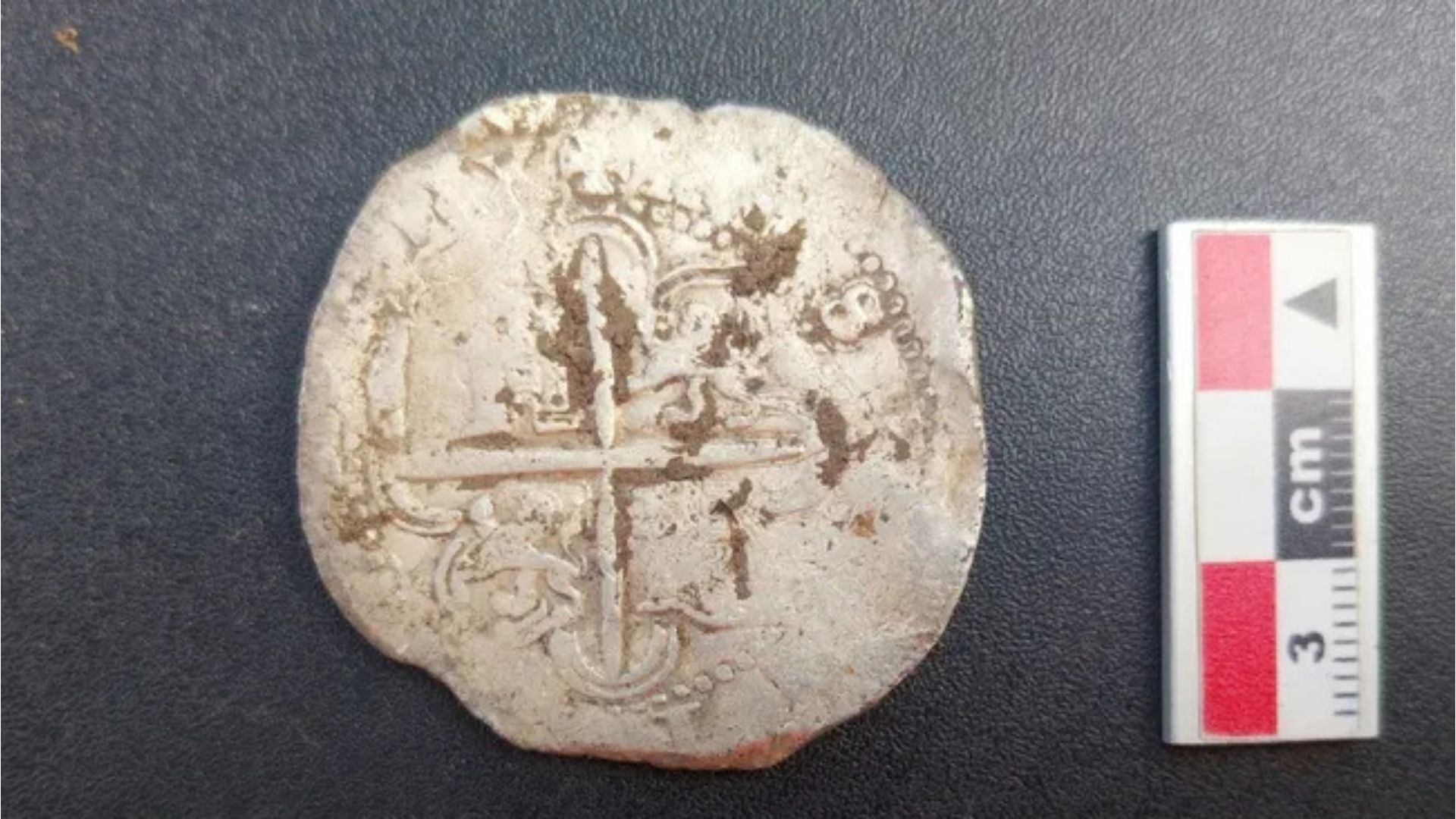
Archaeologists find 16th-century silver coin.
-
An 86-year-old farmer rejected a proposal of R$ 76 million to sell his land and surprised everyone by turning down an AI data center on his 105-hectare farm, negotiating for only R$ 10 million for environmental preservation.

-
You have probably crossed paths with it and didn’t even notice: the Brazilian tapiti rabbit lives hidden in the forests and may be disappearing without anyone noticing.

Extraction of raw ore initiates the transformation of gold still mixed with rocks
The production begins with the removal of ore containing gold, which appears mixed with rocks and sediments. This material has small particles that need to be separated to reveal the metal.
The execution involves crushing the ore into smaller fragments and then grinding it until it forms a fine powder. This process facilitates the release of gold trapped in the material.
As a result, a concentrate with a higher presence of gold emerges, still mixed with other substances. This stage marks the beginning of the transformation of raw material into something more refined.
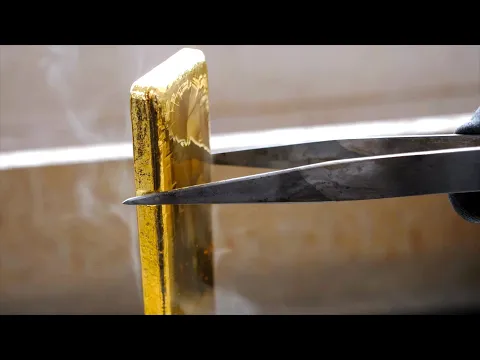

Separation and refining increase the purity of gold before melting
After grinding, the material undergoes processes that separate gold from impurities. The result is a gold concentrate with a higher content of the precious metal.
The execution includes steps that isolate the gold and prepare it for heating. Then, this material is taken to a furnace where it will be subjected to high temperatures.
The result is a cleaner material, ready for melting. This phase ensures that the gold reaches a liquid state with fewer residues.
Melting transforms gold into liquid metal ready for molding
In the furnace, the concentrate is heated until it reaches a liquid state. The gold begins to exhibit intense shine and fluid movement within the crucible.
The execution involves controlling the temperature and positioning the container to keep the metal stable. The operator visually monitors the process, ensuring that the material is completely melted.
As a result, the gold becomes moldable, allowing its transfer to specific molds. This step is essential to initiate the formation of the bars.
Molding in metal forms defines the size and shape of the bars
With the liquid gold, it is poured into molds made of graphite or steel. These molds have cavities that determine the final shape of the bars.
The execution requires precision at the moment of pouring the metal, ensuring complete filling. The flow of gold is continuous, occupying all the internal space of the mold.
As a result, the bars begin to form while still hot, with a defined structure. The initial appearance shows irregularities that will be corrected later.
Cooling and removal of molds allow handling of solid bars
After filling, the gold undergoes cooling, losing its liquid shine and gaining rigidity. The visual change indicates that the material can now be handled.
The execution occurs with the stabilization of temperature until the bars can be safely removed. Tools assist in the removal of the molds.
The result is solid pieces with visible marks from the molding. These bars proceed to the finishing phase.
Finishing and marking standardize the appearance and ensure identification of gold
In the final stage, the bars undergo surface adjustments to remove imperfections. The material is cleaned and worked until it presents a uniform appearance.
The execution involves friction with tools and constant visual inspection. Then, marking occurs with information engraved directly on the surface.
Hasung Machinery, a manufacturer of industrial equipment for precious metals, explains that this identification includes data such as purity and numbering, allowing control and traceability.
As a result, the bars gain a standardized appearance and clear identification, ready for use and circulation.
From raw ore to an element present in everyone’s life
The manufacturing of gold bars shows a complete process that starts from raw ore and ends in solid pieces with a uniform appearance. The control of heating, molding in metal forms, and manual finishing ensure the final quality.
If you found it interesting to understand how gold goes through all these stages, leave your comment and share this content with others.








Seja o primeiro a reagir!