





 Portuguese
  English
  Spanish
  3 min of reading
  0 comments


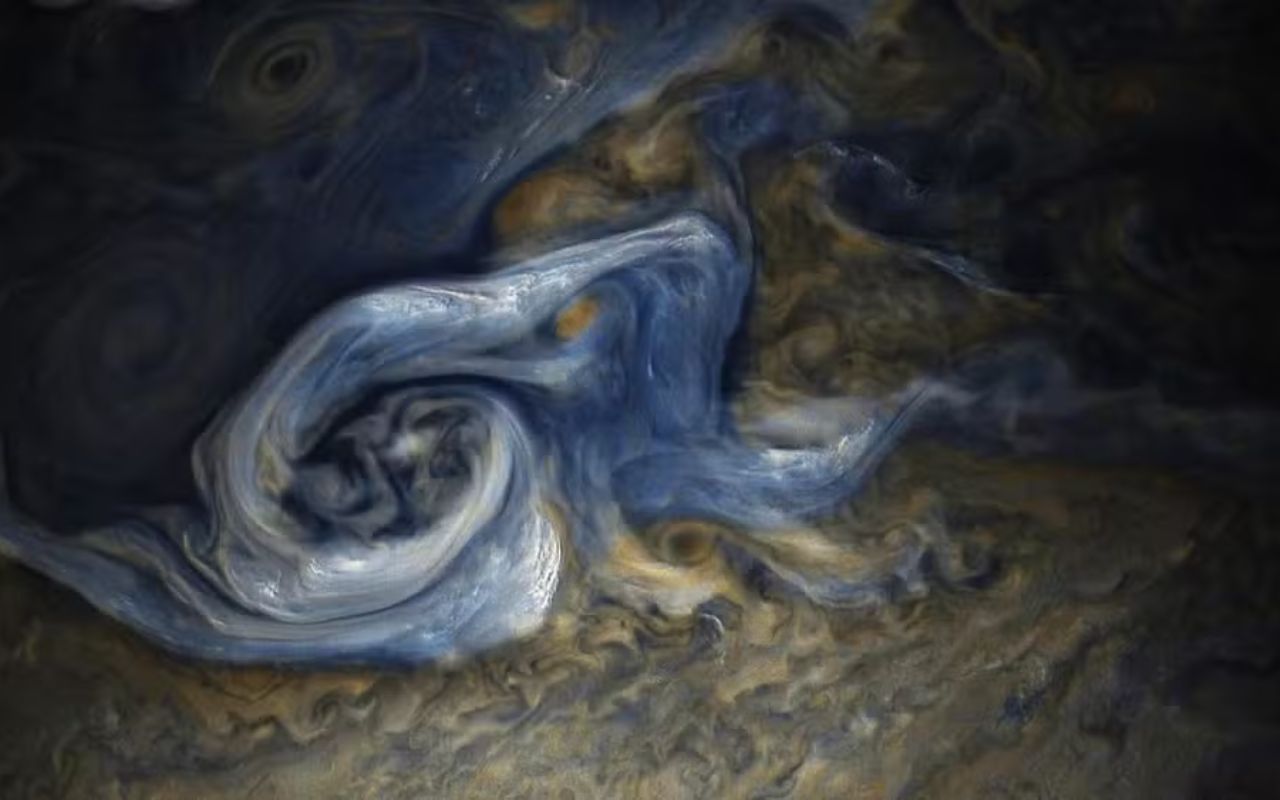
Study reveals that lightning on Jupiter has energy 100 times greater than on Earth, with giant storms and intense electrical discharges captured by the Juno mission.
The atmosphere of Jupiter, the largest planet in the Solar System, hosts lightning that releases energy 100 times greater than that of Earth’s lightning. The phenomenon was detailed in a study published in March in the journal AGU Advances, using data from the Juno mission, from NASA, which flew over isolated storms of the gas giant between 2021 and 2022.
The scientific work seeks to understand how these discharges form, their intensity, and how they differ from terrestrial storms.
Giant storms and extreme electrical discharges
On Jupiter, storms can last for years and cover vast regions of the planet, including unstable areas like the Great Red Spot.
-
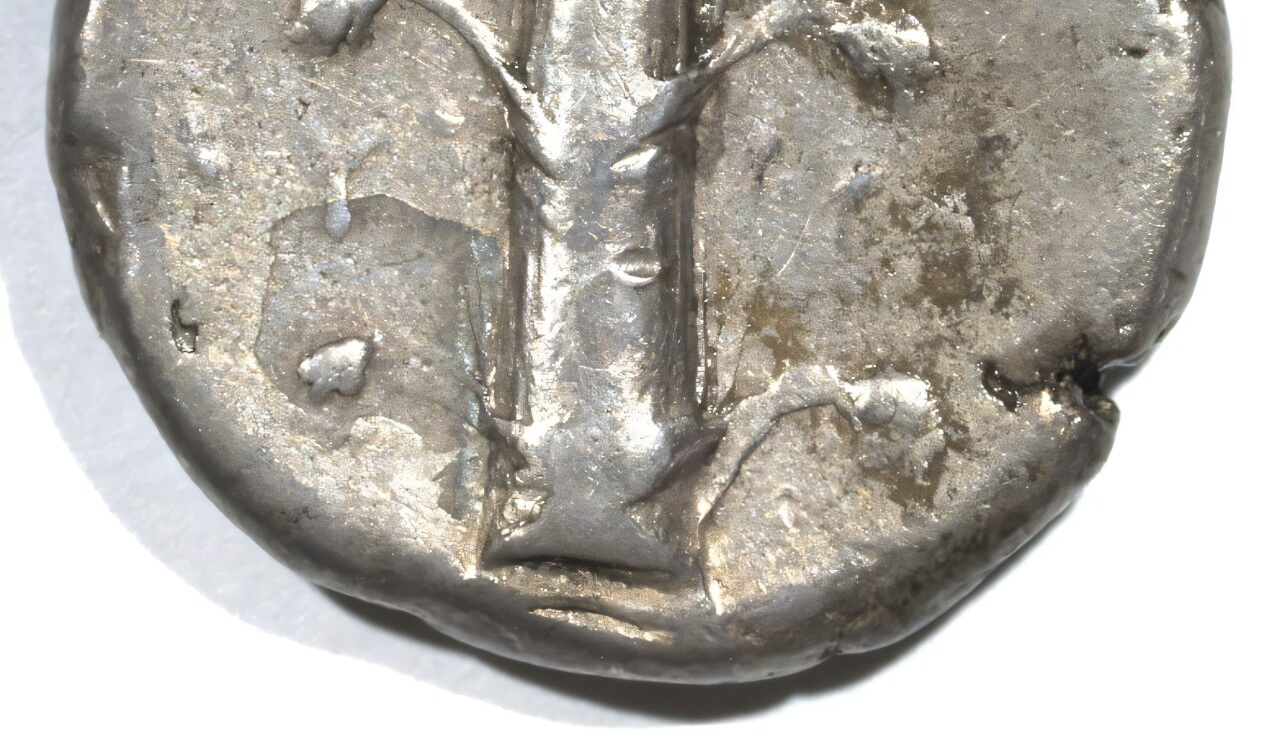
Ancient Romans were obsessed with a plant that they said was a contraceptive and an aphrodisiac – then it became extinct.
-
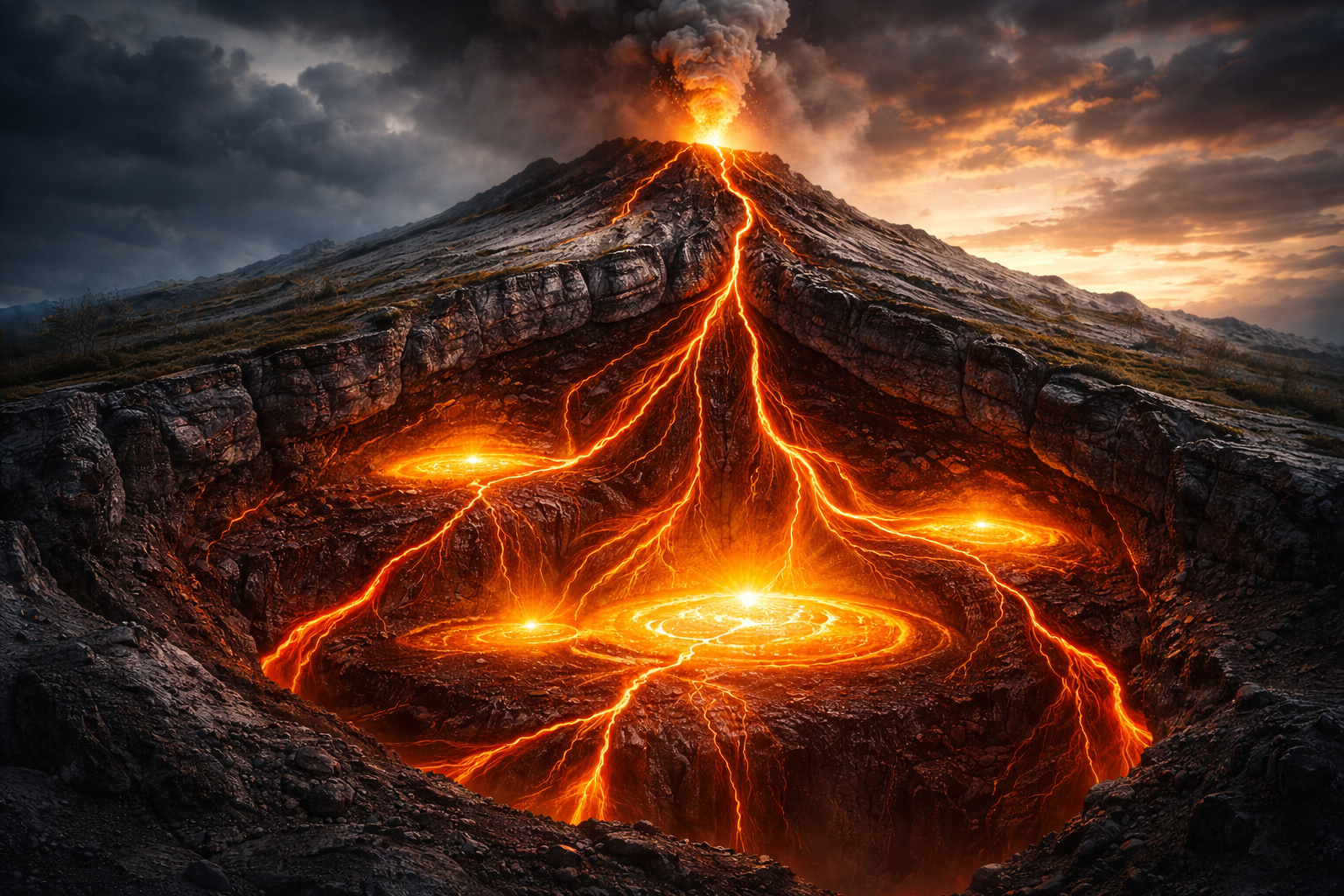
For the first time, scientists have mapped the Etna magma system in almost real time and discovered where the volcano was storing large volumes of molten material before years of eruptions, revealing an underground reservoir that fills and reorganizes like a living organism beneath the mountain.
-
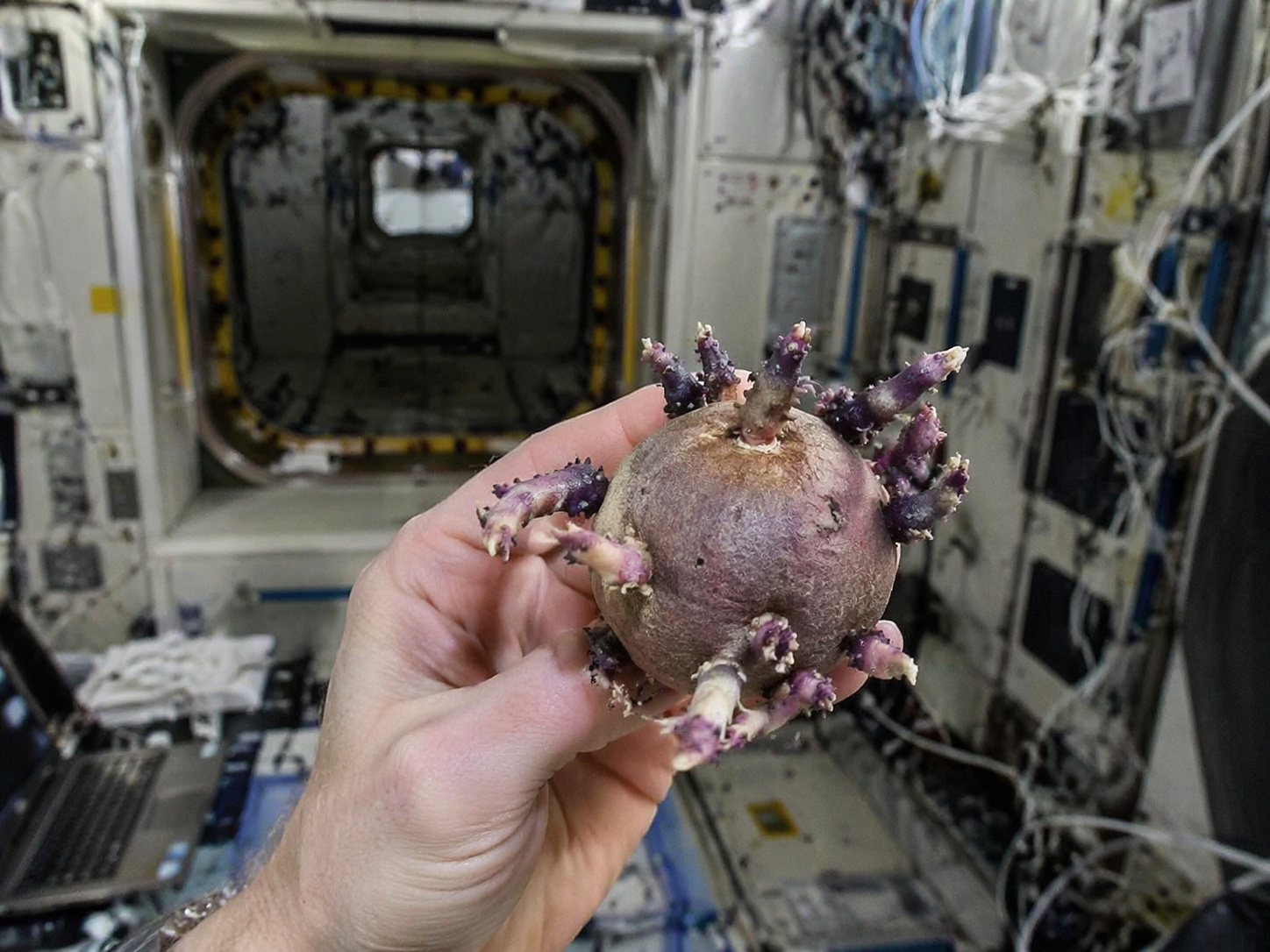
NASA astronaut goes viral by showing “alien potato” in space during mission at the International Space Station and reveals a surprising detail that explains the curious appearance of the experiment in microgravity.
-
Innovative case turns into a “memory card” and promises to revolutionize the iPhone 17 Pro: records directly to MicroSD up to 2 TB, features a 1.6” AMOLED touch screen, USB-C 45 W, and raises questions about limits in ProRes 4K 60 fps.

During the Juno flybys, scientists were able to focus on individual storms in the Northern Equatorial Belt, measuring lightning that occurred, on average, three times per second.
The probe recorded 613 pulses of microwave radiation, ranging in intensity from that of a terrestrial lightning bolt to 100 times more.

How the Juno probe measured lightning on Jupiter?
Although it was not specifically designed to detect lightning, Juno has instruments that capture radio and microwave waves emitted by storms.
This capability allowed scientists to estimate the energy of electrical discharges even in a chaotic atmosphere, where multiple storms occur simultaneously.
Wong compares the measurement challenge to the difficulty of hearing a series of pops without knowing their origin: “The mess of the pops does not allow one to know if the noise corresponds to popcorn popping a few meters away or fireworks a block away from the listener.”
Comparison with Earth lightning
Jupiter’s lightning far exceeds the power of terrestrial discharges due to several factors.
The Jovian atmosphere, dominated by hydrogen, allows for taller and bulkier storms, with intense winds and clouds that extend for thousands of kilometers.
On Earth, the nitrogen-rich atmosphere limits the extent and energy of lightning.
“Is the main difference in the hydrogen versus nitrogen atmospheres, or in the taller storms that involve greater distances?” Wong questions.
This contrast is essential for understanding how electrical phenomena vary from planet to planet.

Scientific implications and future research
Studying lightning on Jupiter not only reveals the power of storms on the gas giant but also offers insights into electromagnetic processes, storm formation, and atmospheric chemistry under extreme conditions.
The results may guide future space missions and help model electrical discharges, expanding the understanding of phenomena that also occur on Earth.
Even after decades of exploration, Jupiter continues to surprise scientists, showing that its extreme weather and giant lightning still hold secrets that challenge our understanding of planetary physics.
Study reveals that lightning on Jupiter has energy 100 times greater than on Earth, with giant storms and intense electrical discharges captured by the Juno mission.
With information from Revista Galileu







Seja o primeiro a reagir!