





 Portuguese
  English
  Spanish
  5 min of reading
  0 comments


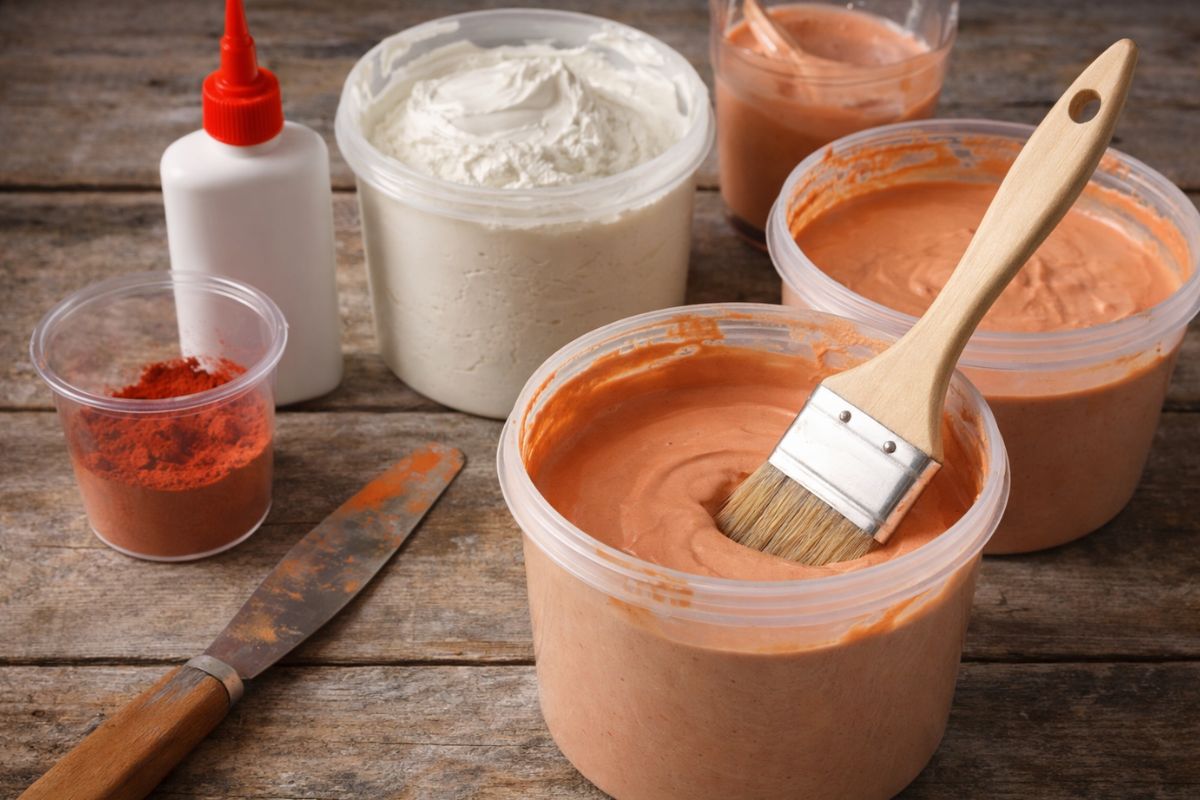
The recipe for homemade paint made with spackle, white glue, and paint pigment costs up to 70% less than conventional paint and allows you to paint walls spending little with just three easy-to-find ingredients and a result that surprises with its coverage
With just three ingredients that cost a fraction of the price of a can of conventional paint, it is possible to make a homemade paint that yields double and delivers a finish that no one believes wasn’t bought ready-made. The recipe uses spackle, white glue, and wall paint pigment, and the savings can reach 70% compared to industrialized products, making it feasible to paint walls spending little without sacrificing quality.
What makes this homemade paint so effective is the combination of materials. Spackle provides body and coverage, white glue ensures adhesion to the wall, and paint pigment allows you to choose any desired color. With one liter of the mixture, it is possible to cover two large walls, something that would be impossible with the same amount of purchased paint, and the preparation process is simple enough for anyone to do at home.
Spackle is the base that provides coverage and yield to homemade paint
The main ingredient of the recipe is spackle, and it is what explains why the homemade paint yields so much.
-
Home environment can influence the brain, mood, and well-being: studies indicate an increase of up to 15% in productivity, a reduction of 12% in stress with plants, and a direct impact of the circadian rhythm on the 24 hours of the day.
-
A Brazilian millionaire couple restores a farm over 150 years old in the interior of São Paulo and transforms the historic property with Portuguese tiles, antique furniture, and new spaces into a refuge that blends tradition, comfort, and sophistication.

-
Submerged city in a lake in Minas reveals intact streets, preserved vehicles, and houses after more than 60 years, impressing divers.

-
Yellowstone has started to rise again in an area of the caldera, and the movement rekindles fears surrounding the U.S. supervolcano, as scientists monitor the deformation and try to understand what is happening underground.

While conventional paints are mainly composed of water and resin, spackle has a firm consistency that covers imperfections and fills the surface with much less product.
For the recipe, you will need 1 liter of spackle with a firm and easy-to-spread consistency. This liter, combined with the other two ingredients, will yield the equivalent of twice as much as a liter of conventional paint, allowing you to paint walls spending little without the final result looking improvised.
Spackle acts as a coverage base and as a thickener, giving the homemade paint the ability to cover well already on the first coat.
White glue ensures that homemade paint sticks to the wall and lasts
The second ingredient is common white glue, the same school glue found in any stationery store.
The function of white glue in the recipe is to ensure adhesion and improve the texture of the mixture, preventing the paint from peeling or flaking off after drying.
The required amount is 200 ml of white glue, equivalent to a full disposable cup. Mixed with spackle, white glue creates a bond that makes the homemade paint adhere to the wall evenly, avoiding the most common problem of homemade recipes, which is the paint peeling off over time.
For those who want to paint walls spending little and need durability, white glue is the ingredient that makes the difference between a temporary solution and a result that truly lasts.
Paint pigment allows you to choose any color you want
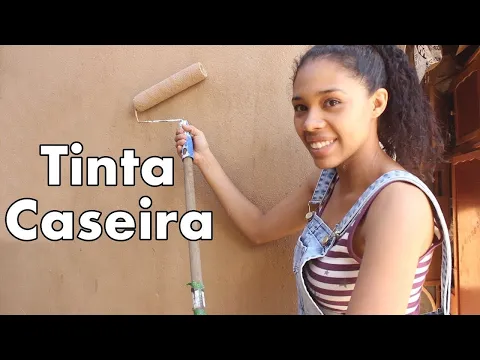

The third and final ingredient is a tube of paint pigment for walls, found in hardware stores.
The pigment is what transforms the white mixture of spackle and white glue into colorful homemade paint, and the variety of colors available is practically the same as that of industrial paints.
The amount of paint pigment added to the mixture determines the intensity of the final color. More pigment results in brighter shades, less pigment produces pastel tones, and it is possible to mix colors to create custom shades.
The result resembles colored lime paint, but with a more uniform and durable finish, which makes those who see the finished wall not believe it was made with homemade paint and not with a purchased product.
How to prepare homemade paint step by step
The preparation process is simple, but it requires attention to consistency. First, place the entire liter of spackle in a large container.
Next, add the 200 ml of white glue and mix well until you obtain a homogeneous mass.
Then, incorporate the paint pigment in the chosen color and continue mixing. The amount of water depends on how diluted you want the homemade paint: more water for a fluid consistency, less water for greater coverage.
A practical tip is to use a whisk fork attached to a drill to mix the mixture quickly and evenly.
Test the consistency on a piece of wall before starting the full job, adjusting the water if necessary.
How to apply to ensure a professional finish
With the homemade paint ready, the application is done with a paint roller. Start with the first coat using uniform and smooth movements, avoiding excess paint in one spot, and wait for complete drying before applying the second coat.
The drying time between coats is the detail that separates an amateur finish from a professional result. Waiting the appropriate time ensures that the surface remains smooth and consistent, without overlapping marks or bubbles.
For those who want to paint walls spending little and impress with the result, applying two complete coats of homemade paint with spackle is enough to cover any wall, even those that are already dark in color.
Does this 70% savings really work?
The homemade paint with spackle, white glue, and paint pigment can save between 50% and 70% compared to conventional paint.
One liter of the mixture covers two large walls, something that would require at least double the amount of purchased paint, and the ingredients cost a fraction of the price of a branded paint can.
For those who need to paint walls spending little in a home renovation, this recipe is a concrete and tested alternative.
The finish is not identical to that of premium paint, but it surprises with its coverage, uniformity, and durability, especially considering that the total cost of the materials is lower than that of a single can of conventional paint.
Have you tried this recipe or know someone who paints with homemade paint? Did the result turn out well? Share your experience in the comments and what color you would use on your wall.









Seja o primeiro a reagir!