





 Portuguese
  English
  Spanish
  4 min of reading
  0 comments


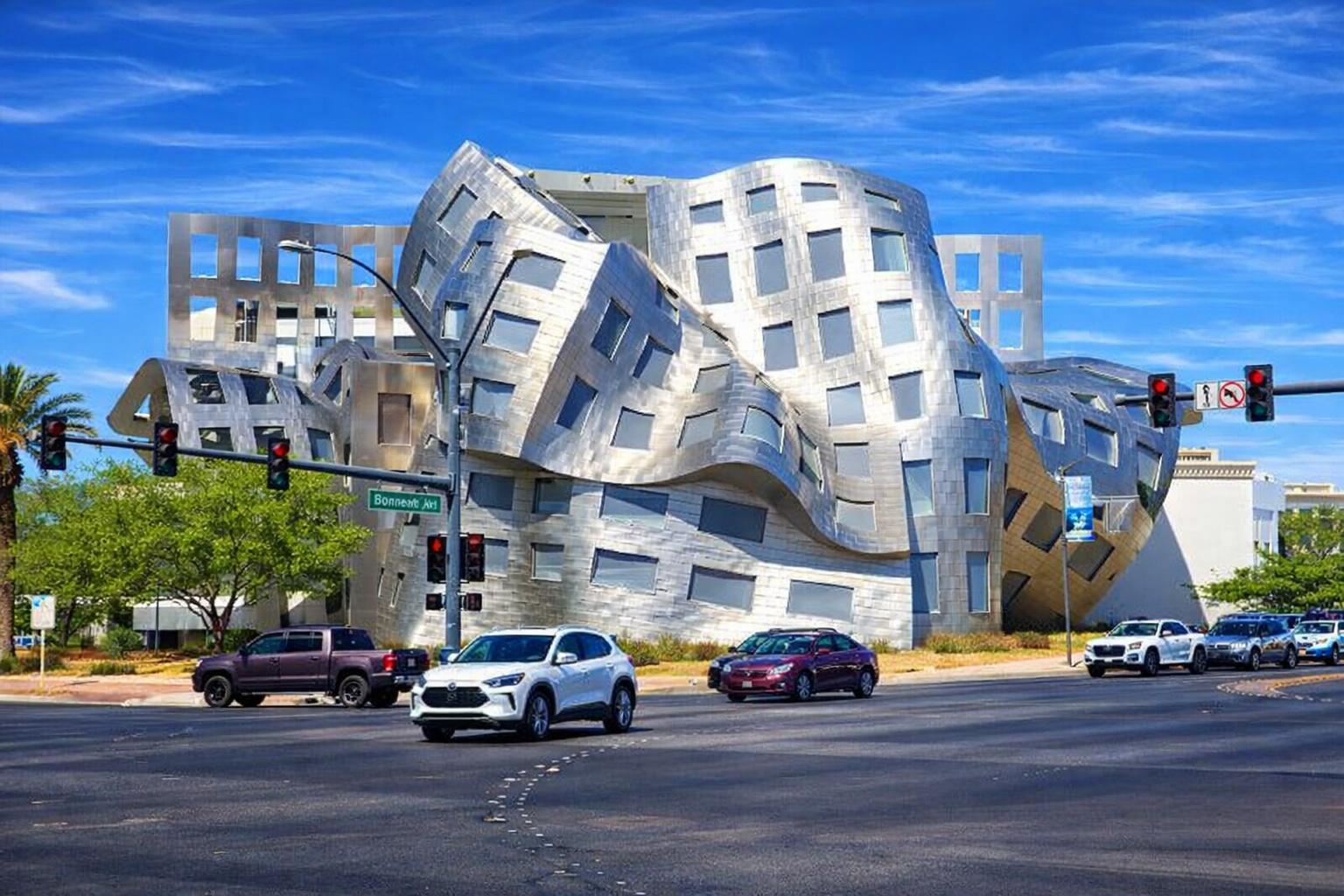
The building that seems to move is the Lou Ruvo Center for Brain Health, in Las Vegas, developed by Frank Gehry, combining architecture, advanced engineering, and is a great highlight for causing optical illusions
The Lou Ruvo Center for Brain Health stands out as one of the most innovative constructions in the world by uniting advanced engineering, design inspired by the human brain, and stainless steel structure. Located in Las Vegas, the building appears to move and has become a global reference in contemporary architecture and construction technology.
The work draws attention not only for its aesthetics but also for its functional impact in the areas of health and neurological research, in addition to generating significant visual engagement on digital platforms. The combination of organic shapes and complex structural solutions transforms the project into a symbol of modern engineering.
History of the Lou Ruvo Center and the motivation behind the project
The center was envisioned by Larry Ruvo, a beverage industry entrepreneur, after the loss of his father, Lou Ruvo, in 1994, due to Alzheimer’s disease. The initiative evolved to encompass studies on diseases such as Parkinson’s, Huntington’s, and ALS, expanding the institution’s reach.
-
From Florianópolis to Antarctica non-stop at 60 years old: 1st Brazilian woman to sail solo makes history by facing one of the most dangerous routes on the planet.

-
A Brazilian recounted how a sudden malaise triggered the entire hospital machinery in the United States, with emergency protocols, tests to rule out a heart attack, and a bill that could reach $40,000.

-
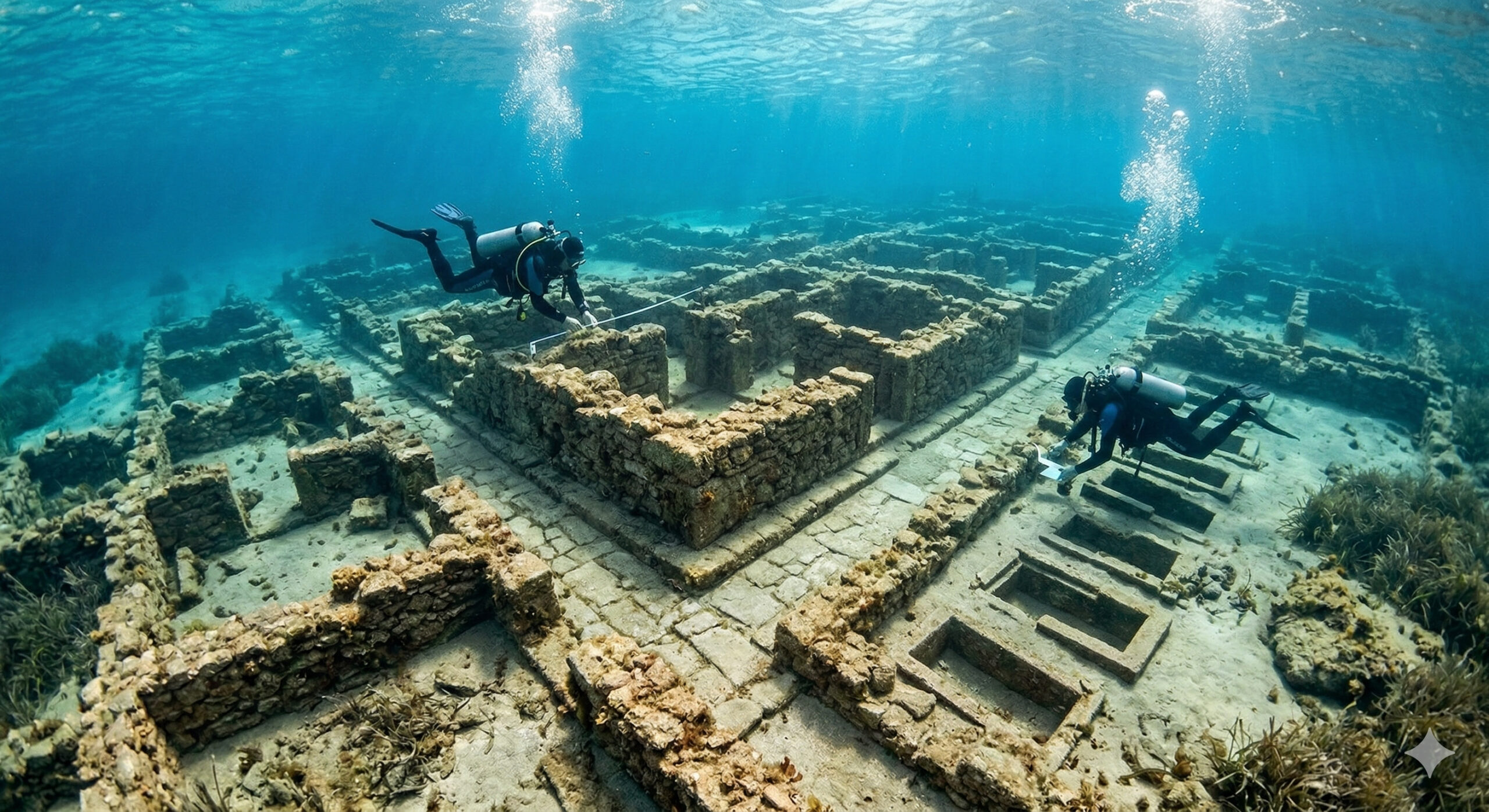
Discovered just 4 meters deep, a 5,000-year-old submerged city with streets, tombs, and trade signs with Crete reveals how one of the oldest civilizations in the world lived before disappearing beneath the sea.
-
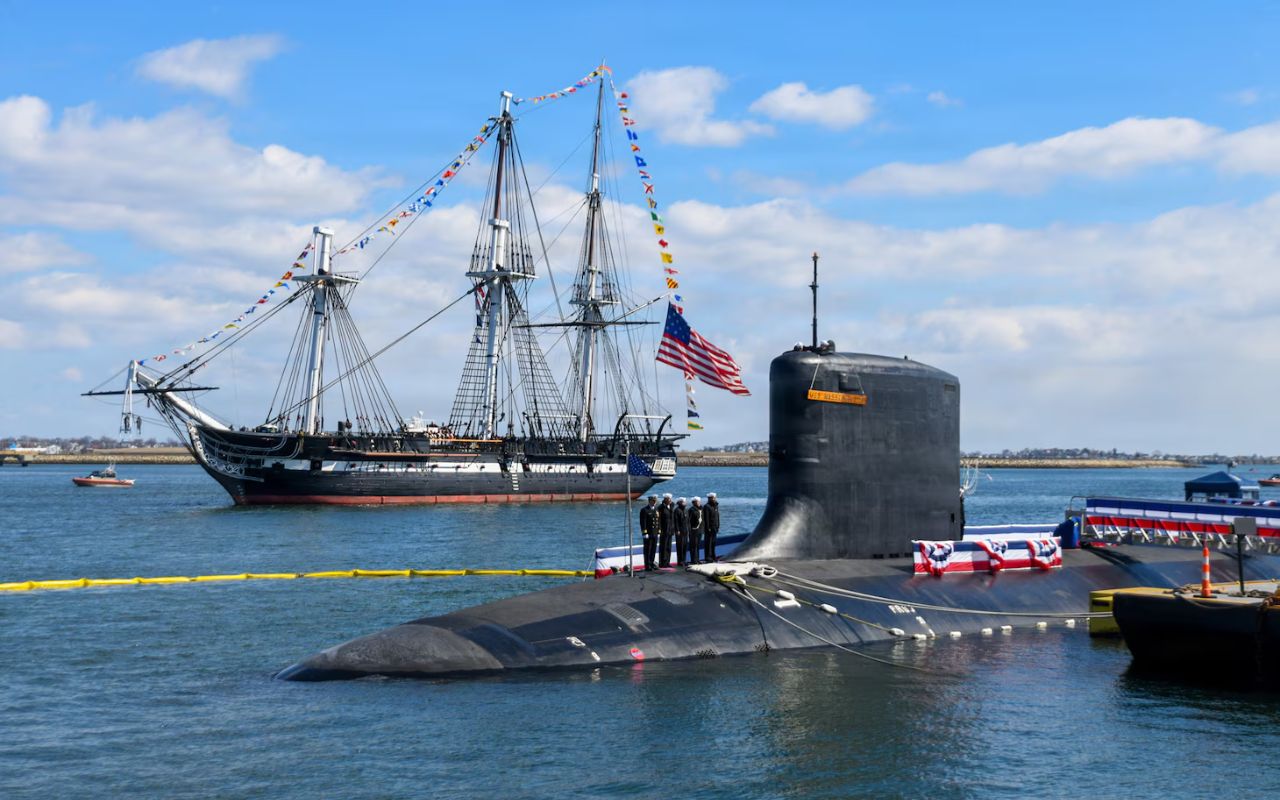
The new “monster” submarine of the United States Navy weighs nearly 8,000 tons, is 115 meters long, does not require fuel, and can operate for long periods submerged; meet the USS Massachusetts (SSN-798), which arrives to strengthen the military power of the U.S. amid global tensions.

Construction began in 2007, on land donated by the city of Las Vegas, within Symphony Park. The inauguration took place on May 21, 2010, with an investment of around $100 million, consolidating the space as a reference in research and specialized care.
Architecture signed by Frank Gehry combines logic and creativity in a single complex that seems to move
The architectural project was developed by Frank Gehry, known for his bold works and unconventional shapes. The building is divided into two wings connected by a central courtyard, creating a striking contrast between functionality and artistic expression.
The north wing features a more rational design, with four floors composed of straight blocks, white stucco, and glass, intended for clinics and laboratories. The south wing houses the Life Activity Center, with wave-like stainless steel structures, reminiscent of the complexity of the human brain.
ArchDaily, an international architecture and construction platform, highlighted the project as an example of integration between aesthetics and advanced structural engineering.
Structural engineering uses curved steel and independent systems for efficiency
The construction involves a sophisticated system of overlapping curved steel shapes, designed to withstand the desert climate conditions of Las Vegas. This solution ensures structural resistance and durability over time.
The building also features a two-story atrium, which connects different areas and integrates independent MEP systems, responsible for climate control, electrical, and plumbing. This configuration improves energy efficiency, especially in environments like laboratories and surgical rooms.
ArchDaily, the international architecture and construction platform, also emphasized the technical complexity involved in executing the curved metal structures.

Dimensions and internal spaces reinforce functionality and innovation
The complex has approximately 5,574 to 6,000 square meters, equivalent to about 60,000 square feet, distributed in environments focused on care, research, and interaction.
Among the available spaces are 13 examination rooms, 27 patient rooms, a community auditorium, neuroimaging laboratories, and the Museum of the Mind. The exact location is 888 West Bonneville Avenue, in Las Vegas, with coordinates 36°10′2.50″N 115°9′16.50″W.
Metal facade creates visual effects that boost global popularity
The facade in reflective stainless steel is one of the most striking elements of the project. The wavy surfaces generate dynamically changing optical illusions, which shift according to light and viewing angle.
This visual effect, therefore, contributes to the building’s popularity in photos and videos, especially in digital environments. The unique aesthetics transform the center into one of the most photographed locations in contemporary architecture.
Interior combines minimalism and fluid forms to promote well-being
The contrast between the two wings is also reflected in the interiors. The clinical area features a cleaner and more functional design, while the south wing bets on curved walls, skylights, and open spaces, creating a more fluid experience.

The presence of natural light and reflective gardens contributes to the comfort of patients and visitors. This approach reinforces the idea that the environment can positively influence well-being and recovery.
Lou Ruvo Center establishes itself as a reference in contemporary engineering and architecture
The building of the Lou Ruvo Center for Brain Health represents a milestone in the union of iconic architecture, structural engineering, and innovation in health. The work thus translates complex concepts into physical forms that impress both for their aesthetics and functionality.
In addition to its scientific role, the building has become a global symbol of creativity and technology in civil construction. The visual and technical impact continues to attract attention from professionals and the general public.
If you found this project impressive, leave your comment and share it with those who are also interested in innovative engineering and architecture.









Seja o primeiro a reagir!