





 Portuguese
  English
  Spanish
  4 min of reading


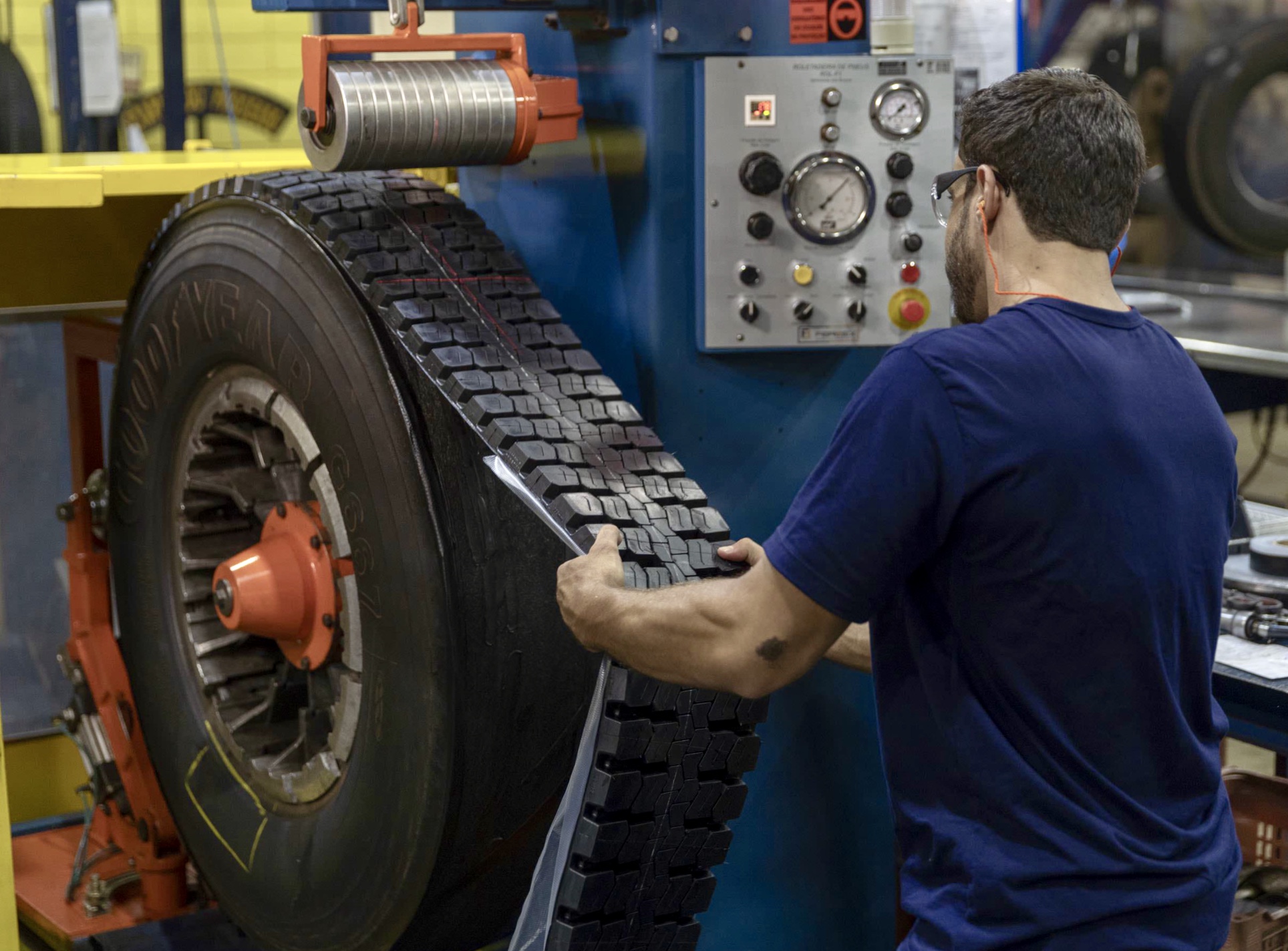
Tire Retreading Is Highlighted at COP26 and in the Market Beyond Ensuring More Than 250 Thousand Direct and Indirect Jobs, Most of Which Are in Micro Enterprises and Small Companies.
The tire retreading market in Brazil has evolved over the last decade, especially with new automation technologies. Twenty years ago, the activity was limited to operations in tire shops, usually located in the outskirts of cities. Currently, structured companies are investing in the sector and offering specialized services provided by skilled professionals in the trade.
Also Read
- After Halting Vehicle Manufacturing and Closing Factories in Brazil, Ford Enters the Chip Market to Increase Competition and End the Production Crisis in the Automotive Market
- There Are 424 Thousand Job Vacancies in the IT Area: The Market Became Even Hotter With the Pandemic and There Is a Surge in Demand for Technology Professionals in Brazil and Worldwide
- Fake Lubricants Do Not Contain Additives for Proper Engine Function and Performance; The Loss Can Exceed R$20 Thousand for Consumers
- WEG Invites Even Those Who Work at Another Company to a Free Course for Professional Qualification in Industrial Paint and Varnish Manufacturing on This November 22
Élcio Mendes, commercial manager of NSA Pneutec, explains that tire retreading is no longer a future market trend, but a reality: “We live in a time when the world requires care for the environment, and new ESG practices, for example, are essential to navigate this moment of global crisis and ensure sustainability,” he states.
Watch the Video Below to Learn the Difference Between Retreaded, Re-capped, and Remolded Tires:


Tire Retreading Ensures More Than 250 Thousand Direct and Indirect Jobs
The segment has an annual revenue of R$ 5 billion (considering the tire retreading units and raw material manufacturers), generating R$ 1 billion in tax revenue, in addition to ensuring more than 250 thousand direct and indirect jobs, most of which are in micro enterprises and small companies.
-
Created by George Lucas with over $1 billion, a futuristic museum in the shape of a spaceship with 1,500 curved panels is about to open in Los Angeles and will house one of the largest private collections of narrative art in the world.

-
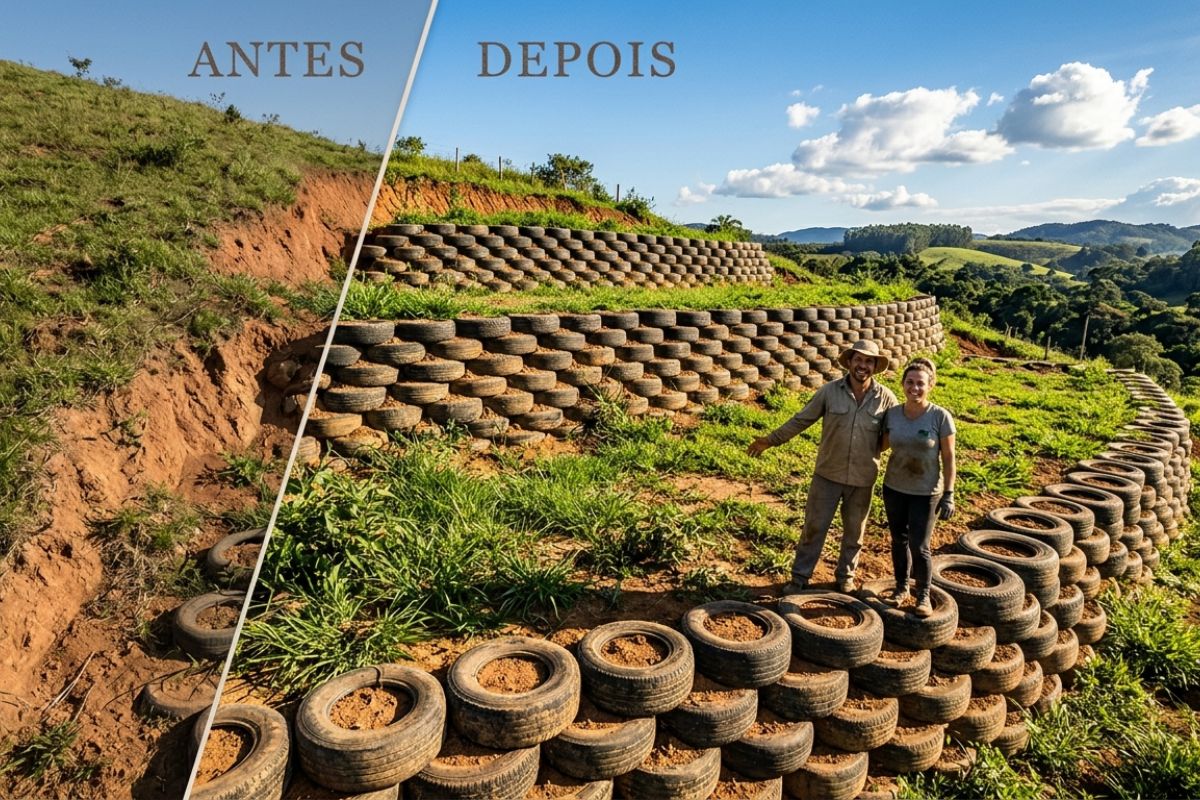
Couple shows how they built a retaining wall on their property using 400 old tires: sloped land turned into plateaus, tires are aligned, filled, and compacted with layers of soil, with grass helping in support and at almost zero cost.
-
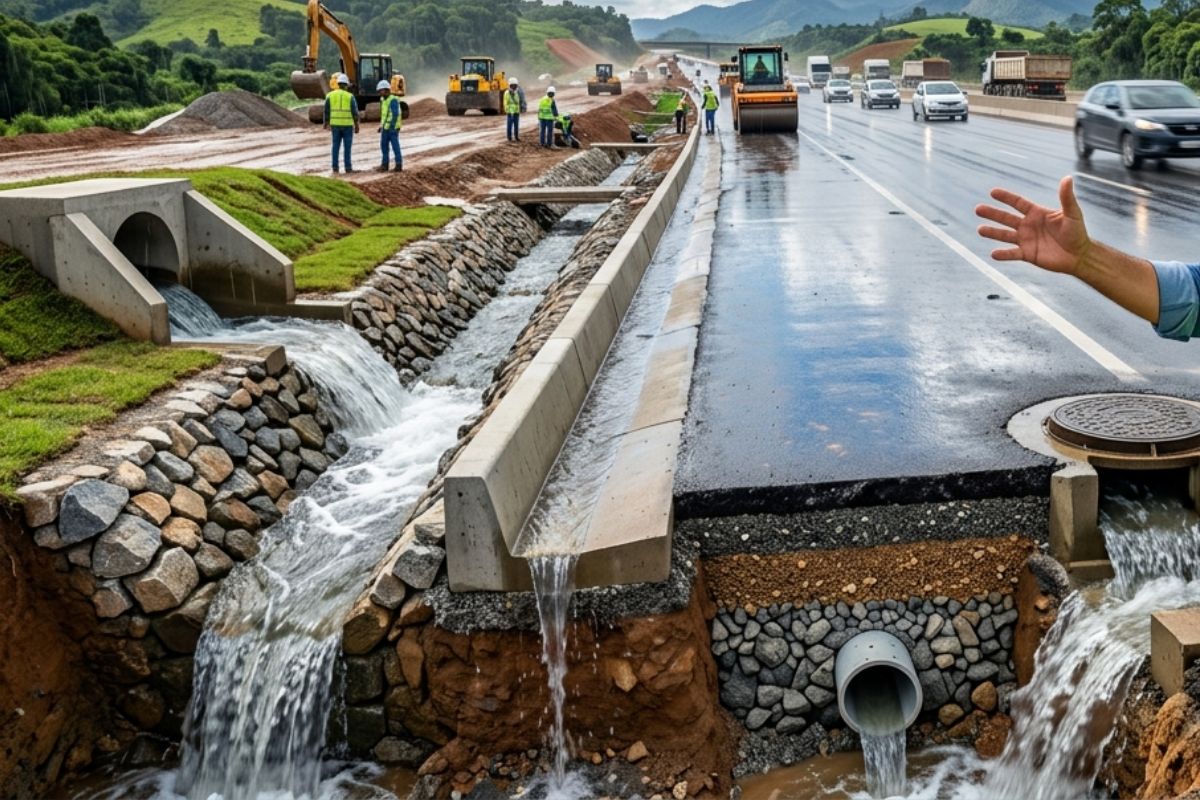
Engineer explains drainage during the rainy season: the difference between surface water and deep water, ditches, gutters, and water outlets on the road, as well as drains and drainage mattresses, to prevent erosion, aquaplaning, and flooding at the construction site today.
-
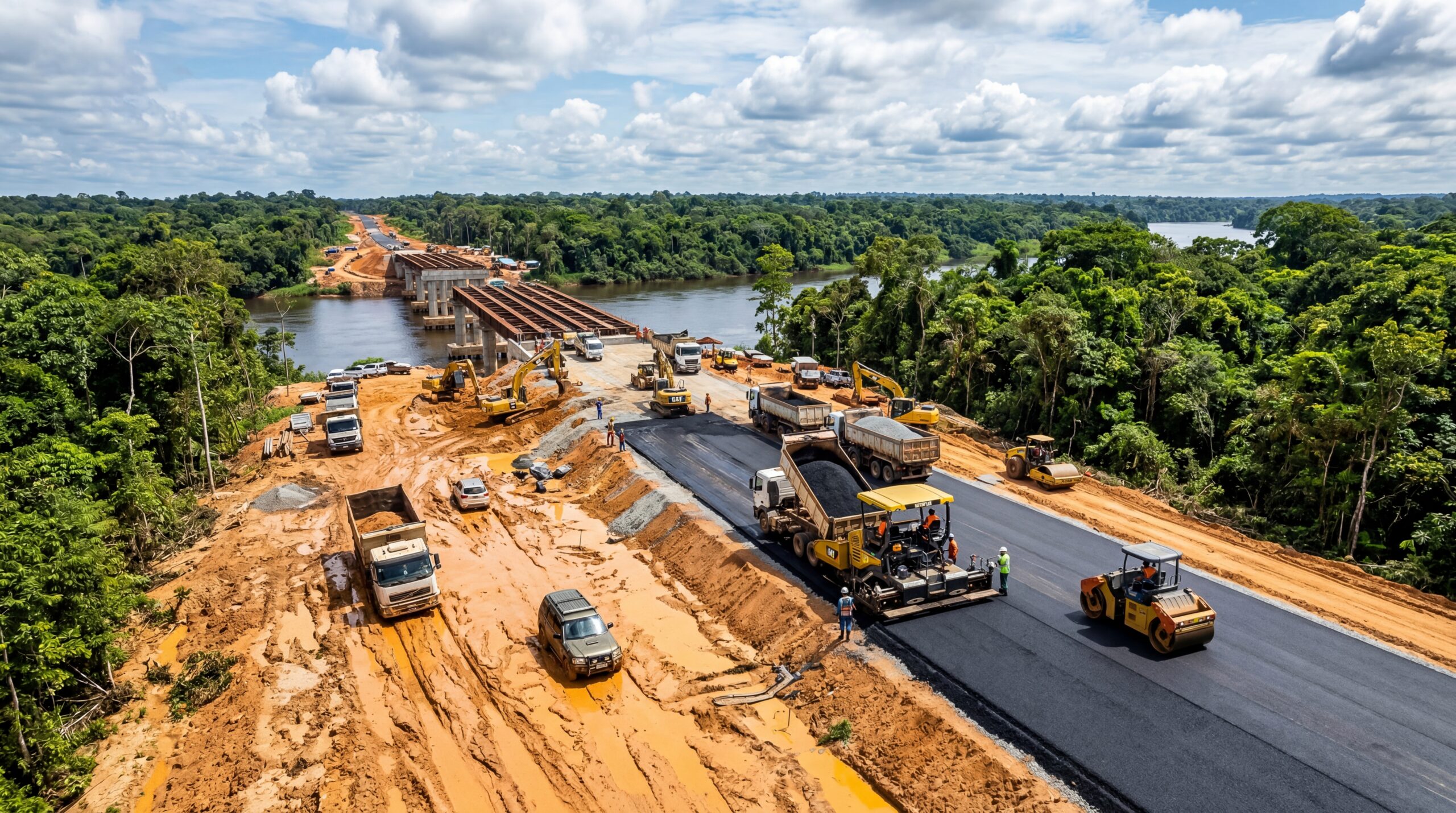
With 55 floors, 177 meters in height, a 15-meter walkway between the twin towers, ventilated facade, and 6,300 m² of leisure space, Ápice Towers already has one tower completed and another nearly at the top.


To manufacture a new commercial tire, 79 liters of oil are used, while a retreaded tire consumes about 29 liters. For tires of everyday vehicles (cars and motorcycles), manufacturing a new tire requires 27 liters, while a retreaded one needs only nine liters.
This difference has allowed, in ten years, a savings of over five billion liters of oil, which means that 26 million tons of CO₂ were not emitted into the atmosphere during the same period.
Sector Is Highlighted at COP 26
During COP 26 (a climate event promoted by the United States in early November), representatives of the Brazilian Association of Tire Retreaders (ABR) praised the contributions that a retreaded tire brings from environmental, social, and economic perspectives. According to the association, the sector avoided, over ten years, 26 million tons of CO₂ emissions in Brazil and a consumption of five billion liters of oil.
“Tire retreading ensures an environmental return of 80% less CO₂ than would be generated by the production of a new tire. At NSA, for example, we strive to offer products that also lead to fuel savings in active production lines,” comments Élcio.
Are the Performance of Retreaded Tires Equal to Those of New Tires?
A retreaded tire offers similar mileage performance to a new tire, but at a cost that is 75% more economical for the consumer, presenting a 57% reduction in cost/km for the transportation sector, for example. The tire is the second largest cost for a transport company, second only to fuel.
In the freight segment, retreaded tires account for about 65% of the total rolling equipment. Thus, the relevance of the tire retreading sector to the transportation economy is undeniable.
Is Prejudice Against Retreaded Tires Still Present?
Although they offer numerous environmental benefits and economic advantages for the consumer, there are still people who are skeptical about tire retreading.
Stigmas regarding the safety, quality, and longevity of a retreaded tire compared to a new tire still persist in society; however, this scenario has been changing with awareness campaigns, public statements from authorities, such as those seen at the COP 26, and the need to better care for the environment.
“Unfortunately, we feel that prejudice still exists, but we have a duty to convey the necessary safety to people and, in this way, change this reality, and align business with the need to reduce costs and contribute to the environment,” Élcio concludes.









Seja o primeiro a reagir!