





 Portuguese
  English
  Spanish
  5 min of reading
  0 comments



Proposed change in Salvador alters shopping routine, limits hours, imposes severe sanctions, and reignites debate between workers and employers about working hours, safety, and economic impact on local commerce.
A project filed in the City Council of Salvador proposes to restrict the operation of shopping centers in the capital of Bahia, establishing an operating limit until 9 PM from Monday to Saturday and closing stores on Sundays, except for activities related to food and entertainment.
In addition to the time limitation, the text provides for a fine of R$ 15,000, temporary suspension of the license in case of recurrence, and, in repeated situations, the permanent revocation of the operating license, creating a progressive punishment mechanism to ensure compliance with the rules.
Authored by councilor Maurício Trindade, currently in the PP, the proposal, filed this week according to the Bahia Notícias portal, also determines that any extensions of hours can only occur exceptionally, on holidays, the eve of commemorative dates, or occasions previously authorized by the City of Salvador.
-
Only 7 ships have crossed the Strait of Hormuz in the last 24 hours when the normal is 135 per day, and the United Arab Emirates confirms that 230 oil tankers loaded with oil are ready to depart but are prevented from leaving while Iran turns the waterway into a sovereign control post.

-
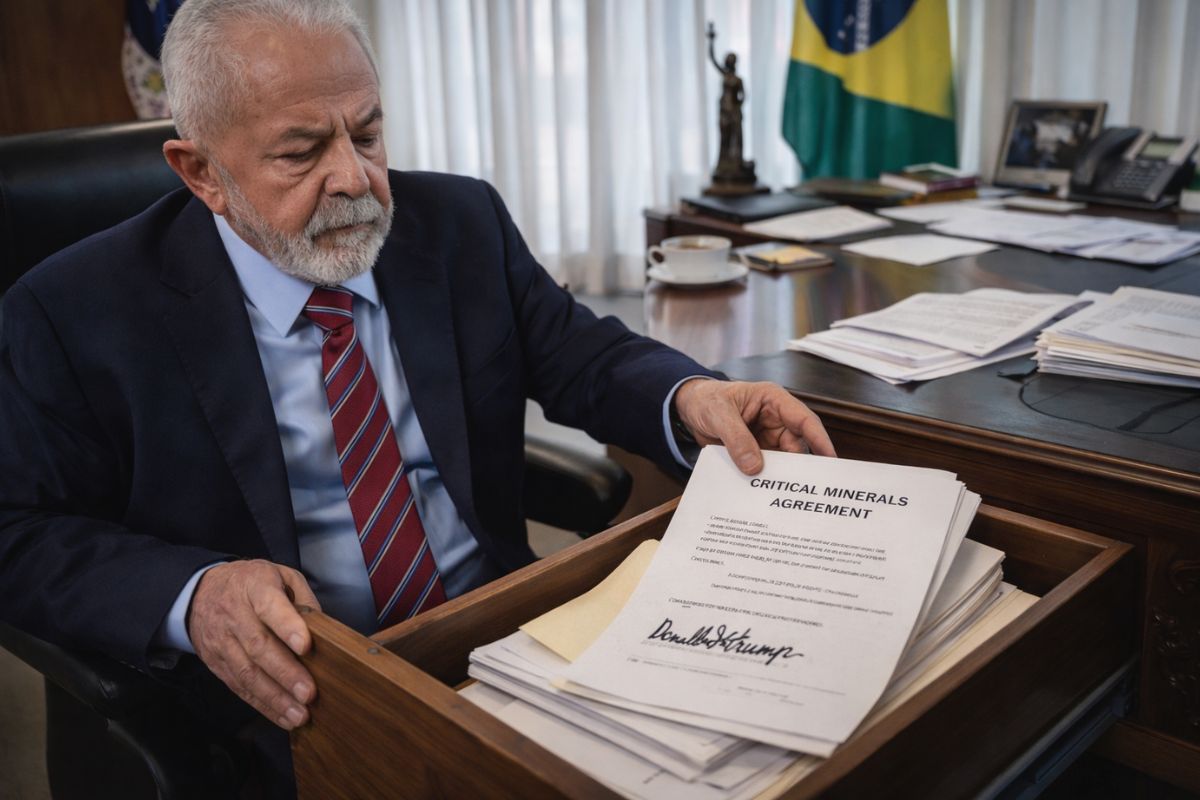
Trump sent a treaty on critical minerals to Lula in early 2026, and the document is sitting in the president’s drawer unsigned because the Brazilian government considers the proposal too generic and refuses to turn the country into a mere exporter of raw materials.
-
R$ 7 billion forgotten in the FGTS may finally be released after failures in the 2025 measures, while millions of workers find out they may have unclaimed money.

-
Brazil’s oil exports soar with record purchases from China, potentially generating a new cycle of economic growth, increasing external revenues, and consolidating the country as a global strategic supplier.

Before any practical change in the operation of shopping centers, the project still needs to pass through the thematic committees of the Council, go to a plenary vote, and, if approved, depend on sanction or veto from the municipal Executive.
Operating hours of shopping centers in Salvador
In practice, the measure directly alters the routine of stores, restaurants, and other operations located in shopping centers in the city, by combining the reduction of nighttime operations with the restriction of commercial activities on Sundays.
In this proposed model, only services aimed at leisure and food could operate on the last day of the week, while traditional commerce would be limited to the six preceding days, except for exceptions previously authorized by the municipal government.
To reinforce the application of the rules, the project establishes a tiered penalty system that starts with a fine of R$ 15,000, advances to suspension of the license in case of a new infraction, and can lead to permanent revocation in successive recurrences.
Thus, the proposal seeks not only to guide operations but to impose an effective obligation, using administrative sanctions as a tool to ensure adherence to the new rules if they are approved.
Worker safety is a central argument
In the justification presented, Maurício Trindade states that the change aims to reduce workers’ exposure to risks during nighttime travel, especially for those living in peripheral areas and relying on public transport after work hours.
According to the councilor, maintaining extended hours primarily serves commercial interests while transferring a high social cost to employees, associated with insecurity, physical wear, and reduced quality of life.
In defending the proposal, he argues that many workers become “more vulnerable to robberies, assaults, and other types of violence,” especially at night when the availability of transport and the circulation of people decrease significantly.
In another passage, the councilor states that “economic development cannot take precedence” over the right to life and safety, reinforcing the idea that reorganizing hours seeks to balance economic activity and social protection.
According to the text, reducing working hours would not necessarily imply a significant loss of sales, as consumers would still have six days a week to visit shopping centers.
Reactions from commerce and workers
The proposal has provoked distinct reactions among representatives of the business sector and labor unions, highlighting a conflict of interests regarding the economic and social impacts of the measure.
For the president of Sindilojas, Paulo Motta, the initiative is inappropriate and disregards that federal legislation already regulates work on Sundays and holidays in commerce, which would make a new municipal limitation unnecessary.
In the leader’s assessment, restricting hours could compromise local economic activity, especially in a scenario marked by strong competition from e-commerce, which expands consumption options outside traditional physical spaces.
Commenting on the project, Motta expressed hope that the proposal would be shelved, arguing that the measure tends to generate losses for the sector without necessarily resolving the labor issues raised.
On the other hand, the president of the Retail Workers’ Union, Renato Ezequiel, expressed support for the initiative and related the debate to a broader discussion about working hours, including the 6×1 schedule, often criticized by representative entities of workers.
According to him, the hours practiced in shopping centers are excessive and contribute to the physical and mental wear of the category, making a review that prioritizes more balanced working conditions necessary.
In defending the proposal, Ezequiel stated that the measure represents an old demand from the union and can help address a routine considered exhausting by a large part of the workers in the sector.
In his statement, he also highlighted that the current workload contributes to the illness of professionals and can have indirect impacts on Social Security, increasing the relevance of the topic in public debate.
Project will still be analyzed in the Chamber
The advancement of the proposal occurs in a recent context of impasses involving the operation of commerce in Salvador, especially on specific dates that require agreements between employers and workers.
Divergent decisions about the opening of stores and shopping centers on certain occasions have already highlighted the sensitivity of the topic, which involves both economic aspects and labor rights.
In this scenario, the project remains in the initial phase of processing and will still depend on technical analysis in the committees before being brought to the plenary for a vote by the councilors.
If it progresses through the legislative stages, the proposal is likely to face resistance from the retail sector while maintaining support from representative entities of workers and expanding the legal debate on the limits of municipal legislation in light of existing federal norms.






Seja o primeiro a reagir!