








Rotterdam Foundation removes tattoos imposed by abusers and helps women regain control over their own bodies after years of violence.
Women victims of abusive relationships in the Netherlands are turning to laser to erase marks left by violence, coercion, and control.
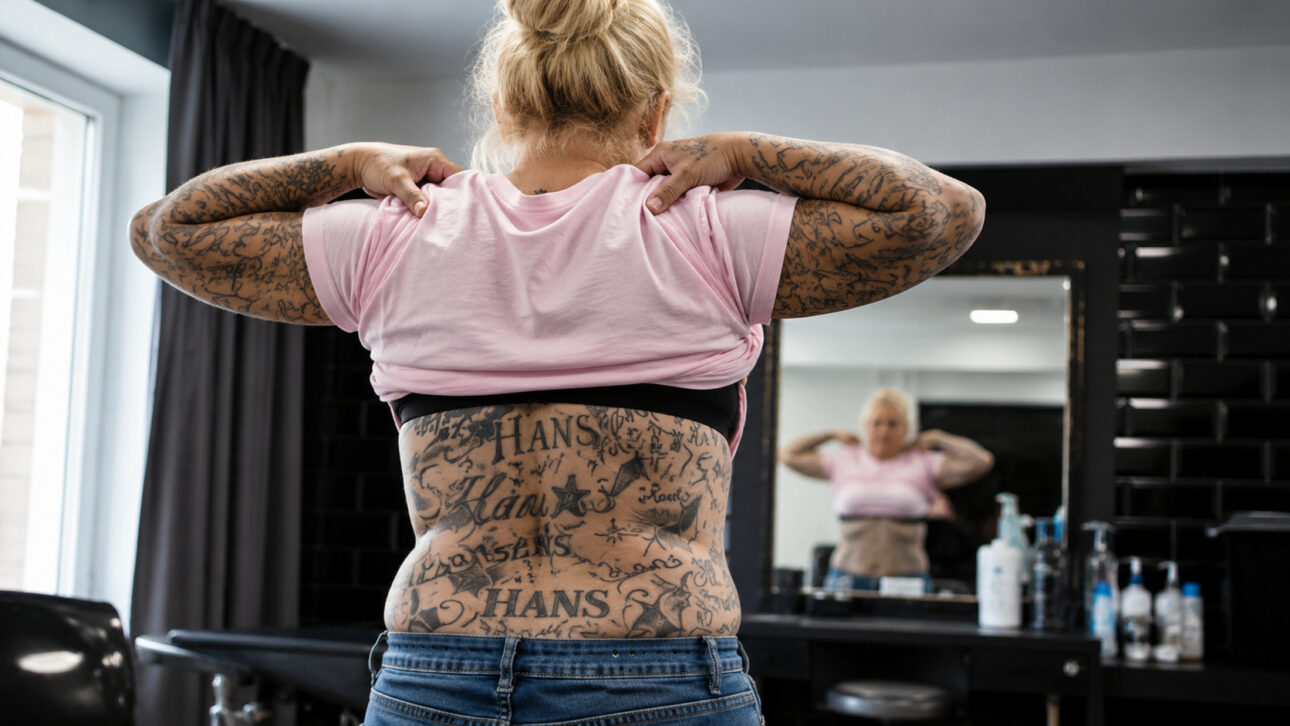
Joke, 53, received approximately 250 tattoos against her will while being held captive.
The abuser engraved his own name on places where he believed other men had touched her.
-
Cancer passes from fish to fish, spreads through a lake between the United States and Canada, and becomes the fourth known transmissible tumor in science.

-
Families held funerals, kept urns, and created jewelry before discovering that the director was delivering fake ashes and keeping 31 decomposing bodies.
-
The mother erased the answers in the donated books with an eraser so her daughter could answer everything again, and the 20-year-old girl studied up to 11 hours a day and scored 877.55 on the Enem, getting into medical school.

-
Swollen wall and peeling paint? See how to eliminate moisture, prepare the surface, and make the repair truly last.


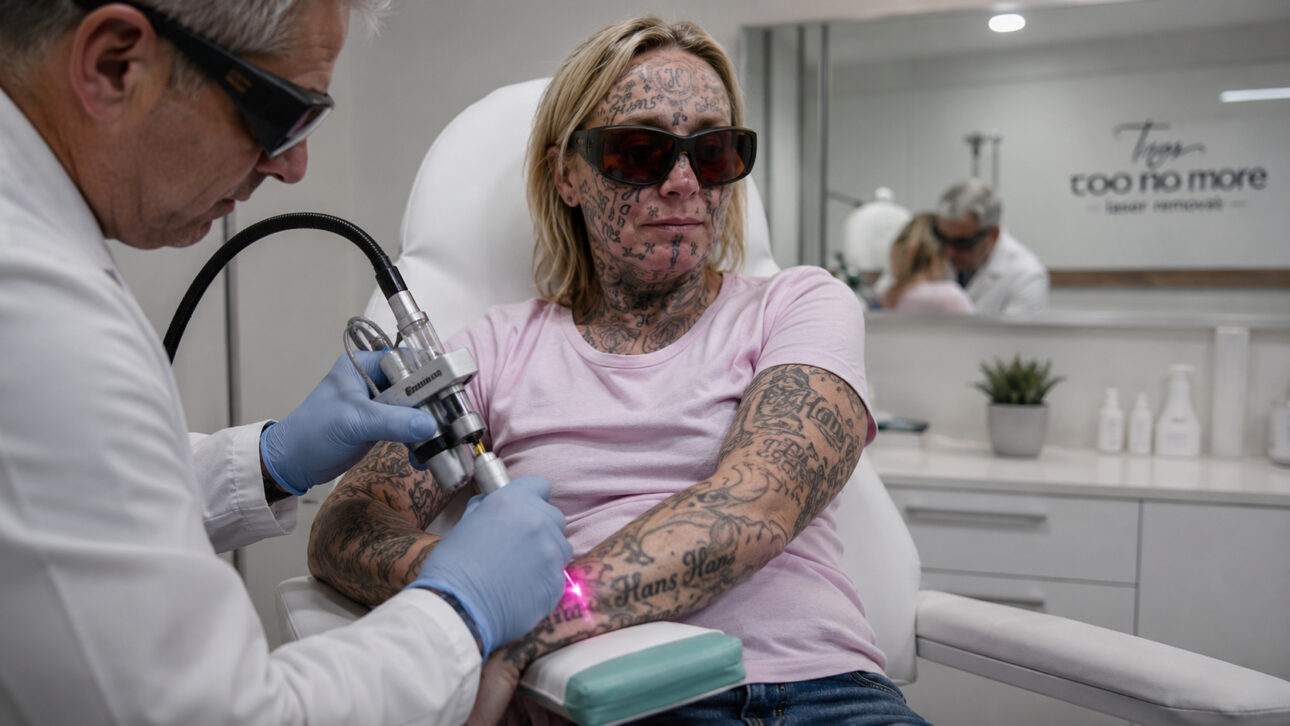
More than 12 inscriptions were made only on the victim’s face, covering forehead, nose, cheeks, chin, and eyelids.
The story was followed by Agence France-Presse in July 2026, during a treatment session held in Rotterdam.
Years of violence left about 250 tattoos
Joke remained confined for years inside trailers and sheds.
The partner used a home tattoo machine to mark almost every part of her body.
The escape ended the captivity, but the inscriptions remained visible.
Stares, insults, and offensive comments became part of the routine.
The shame also caused fear of leaving the house.
Joke faced suicidal thoughts for approximately 18 months.
Facial treatment required 12 laser sessions
The organization Veilig Thuis, dedicated to assisting victims of domestic violence, introduced Joke to the foundation Spijt van Tattoo.
The facial treatment lasted two and a half years.
In total, 12 laser sessions were conducted.
The intensity of the pain required anesthesia applied by a plastic surgeon.
Currently, facial tattoos have become almost imperceptible with the help of makeup.
Removing the name of the ex-partner brought a sense of freedom.
Small situations, like watching the weather or staying home during the rain, once again started to bring happiness.
Bonnie was marked as “property” of the abuser
Bonnie, name changed by AFP to preserve her identity, met the ex-partner at 17 years old.
Five years later, she was forcibly taken to a tattoo studio.
The phrase “property of”, accompanied by the abuser’s name, was tattooed above the pubic area.
Bonnie tried to show that she did not agree with the procedure.
The intimidating presence of the partner ensured that the tattoo was completed.
The victim was also forced to show the inscription to his friends upon returning home.
Threats prevented the victim from leaving the relationship
Bonnie remained for more than ten years under violence and manipulation.
Death threats and intimidations related to the children were frequent.
The decision to flee occurred when the abuser began to physically attack one of the children.
The psychological control made Bonnie doubt her own ability and self-worth.
The rejection of her body became so intense that she began to avoid bathing.
Covering the inscription with another design was considered.
The original ink, however, would still be present under the new tattoo.
The removal represented, therefore, a step towards healing, freedom, and reclaiming her own body.
Foundation offers free treatment since 2018
Andy and Dex Han run Spijt van Tattoo and have been working with tattoo removal for about 30 years.
The couple started, in 2018, to reserve one day a week to serve victims of violence and coercion for free.
The procedures range from small initials on fingers to names of exploiters tattooed on women’s foreheads.
Joke’s case surprised even Andy.
Face, chest, nose, and eyes were covered by the name of the aggressor.
The amount of ink made it difficult even to choose the first area to be treated.
Complete removal was estimated at 100 thousand euros
Joke’s treatment was estimated at approximately 100 thousand euros.
A crowdfunding campaign raised more than 30 thousand euros.
The couple decided to continue the treatment despite the high cost.
Photographs taken before and after the sessions show a significant physical transformation.
Changes were also noticed in the victim’s personality and confidence.
Hidden marks make identifying violence difficult
Kylianne Teuben, a specialist associated with Veilig Thuis, explains that many forced tattoos remain hidden under clothing.
Fear and manipulation also prevent some victims from revealing the abuse.
The organization recommends that women in this situation seek support when they feel ready.
Joke and Bonnie reinforce the same message.
Removal does not erase everything that happened, but it allows victims to decide again what remains on their bodies.
Do you believe that treatments to remove tattoos imposed by aggressors should be offered for free to all victims? Share your opinion!


