





 Portuguese
  English
  Spanish
  4 min of reading
  0 comments



The New Xiaomi 17 Series Brings a Revolution: AMOLED Rear Screen, Professional Cameras, and a Lower Price Than the iPhone
Xiaomi has just officially introduced its new generation of smartphones, the Xiaomi 17 series, which comes with a bold bet: to compete directly with the newly launched iPhone 17 from Apple.
The announcement, made last week, marked an important leap in the Chinese company’s technological strategy, which decided to skip number 16 and launch directly into series 17, even adopting the same name structure as its American rival: base, Pro, and Pro Max.
According to data from IDC regarding the second quarter of 2025, Xiaomi holds a 14.4% share of the global smartphone market, positioning itself as the third most sold brand in the world, behind only Samsung (19.7%) and Apple (15.7%).
-
They seemed like common bones, but scientists were surprised to find a relic over 12,000 years old that dates back to before the Bronze Age.

-
With an almost perfect ring of 70 km visible from space, known as the “Eye of Quebec” and over 100 km in length, the Manicouagan Crater in Canada reveals the colossal mark left by a giant asteroid and has become one of the most impressive formations ever identified on the Earth’s surface.

-
Scientists have found in China dinosaur embryos dating back 190 million years in various stages of development, and the discovery still preserves traces of extremely rare proteins in the bones, something that could change what is known about life before hatching.

-
The CEO of Honor in Spain says that smartphones will change with AI, foldables, and even robot phones; the component crisis is making cheap models more expensive in 2026 and shifting the focus to premium.

With this new release, the company aims to establish itself in the premium segment, combining real innovation with more accessible prices.
A Rear Screen That Makes a Difference
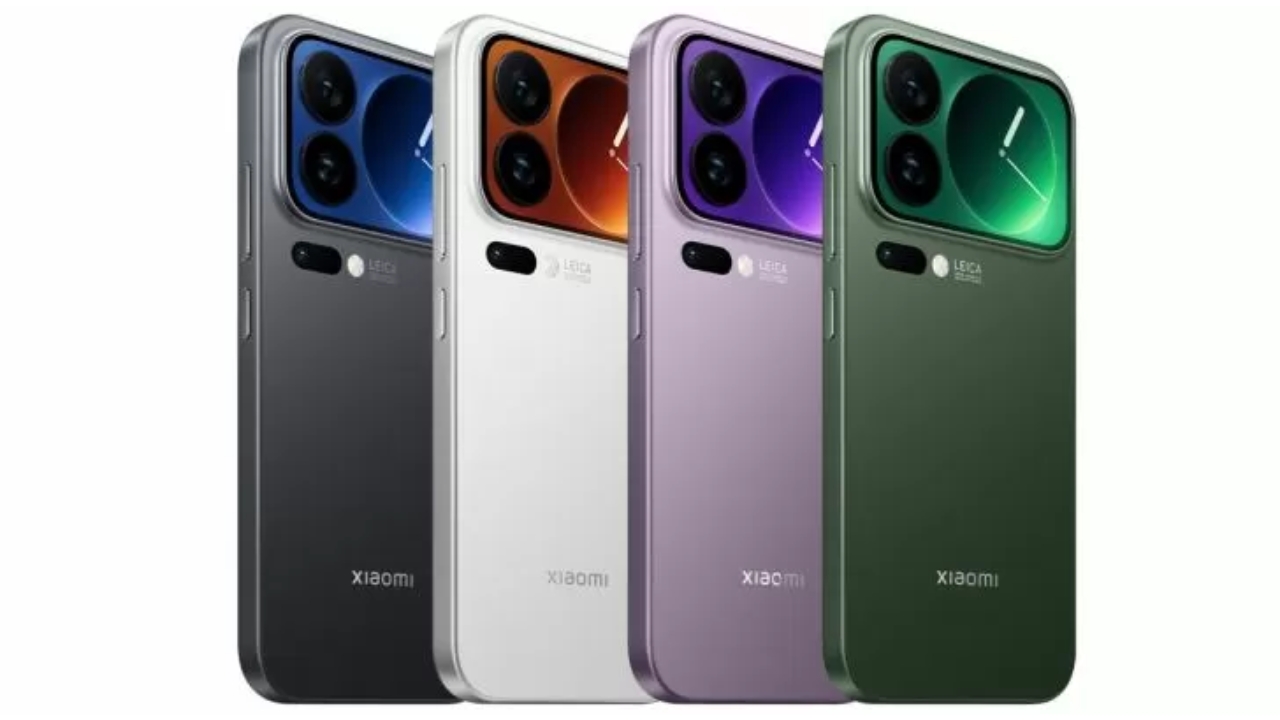
The major revolution of the new Xiaomi 17 Pro and 17 Pro Max lies in the AMOLED secondary screen, positioned next to the camera module — a unique detail in the brand’s line.
This additional panel, measuring 2.7 inches on the 17 Pro and 2.9 inches on the Pro Max, allows users to control music, view notifications, and take selfies with the main cameras without needing to activate the front screen. In practice, it functions as a small multitasking window that transforms the usage experience.
The main screens maintain the characteristic premium standard of Xiaomi: 6.3 inches on the 17 Pro and 6.9 inches on the Pro Max, both with 1.5K AMOLED technology, 120 Hz refresh rate, and a maximum brightness of 3,500 nits, ensuring impeccable visibility even under intense sunlight.
The internal power comes from the new Snapdragon 8 Elite Gen 5, a next-generation processor designed to deliver extreme performance in gaming, advanced photography, and heavy multitasking.
Leica Cameras and Elite Performance
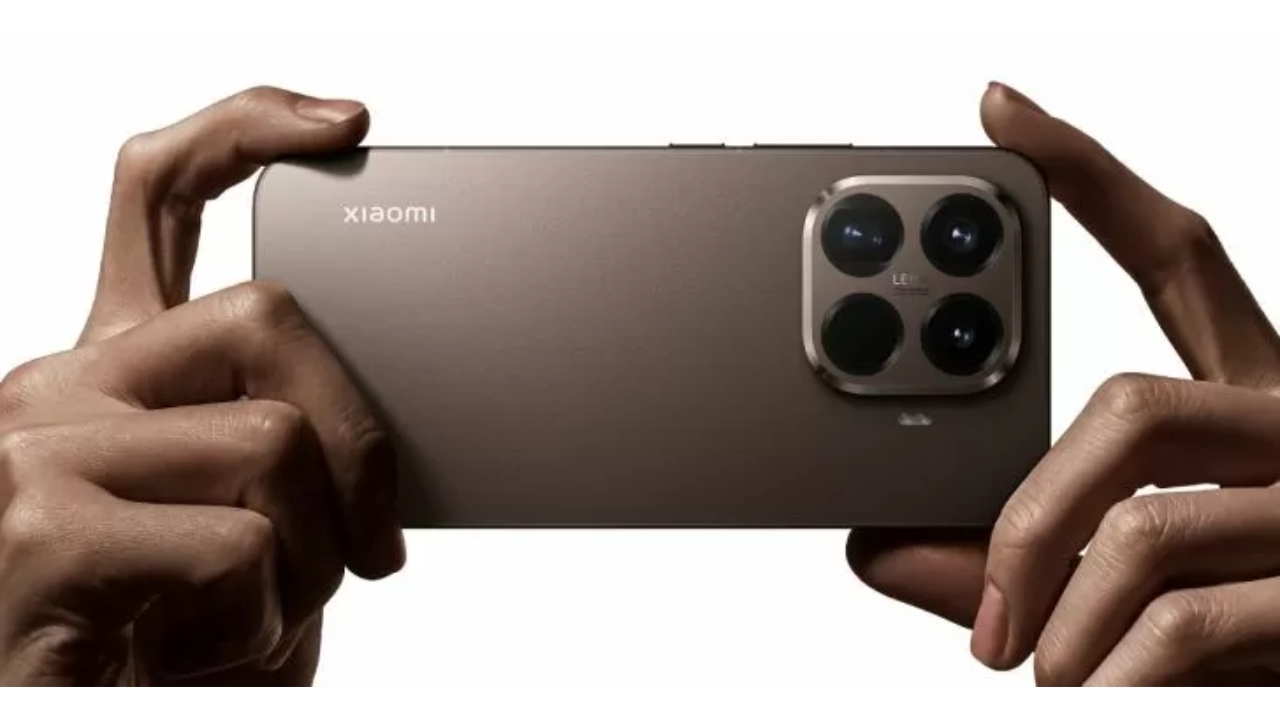
The camera setup is another highlight of the series. Xiaomi renewed its partnership with Leica to develop a triple camera system consisting of a main sensor of 50 MP, an ultra-wide angle of 50 MP, and a telephoto lens of 50 MP with 5x optical zoom.
The setup includes optical image stabilization and lenses optimized to reduce glare and aberrations. This combination promises professional-level photos with exceptional clarity, even in low light environments.
In terms of battery life, both models come equipped with high-density batteries and 120 W fast charging, capable of reaching 100% in less than 20 minutes.
Xiaomi has also improved the cooling system, featuring a next-generation vapor chamber, which enhances thermal control during long gaming sessions or 4K recordings.
The Mid-Range Reinforcement: Xiaomi 15T
Together with its main models, the company also introduced the Xiaomi 15T, aimed at those seeking a balanced smartphone with good cost-effectiveness. Although it doesn’t have the rear screen of the 17 Pro models, the device maintains solid specifications and a refined design.
The 15T stands out for its 6.83-inch AMOLED screen, 1.5K resolution, and 120 Hz refresh rate, with a maximum brightness of 3,200 nits. It is equipped with the MediaTek Dimensity 8400 Ultra, an efficient and powerful chip within its category.
In the camera setup, it features a main sensor of 50 MP with optical stabilization, a telephoto lens with 2x optical zoom, and an ultra-wide angle of 12 MP. All this in a thin and lightweight body, measuring 7.5 mm thick and weighing 194 grams, reinforcing its modern and ergonomic profile.
iPhone 17: The Direct Rival
Apple, for its part, did not lag behind. The Cupertino brand launched the iPhone 17 on September 12, maintaining the base, Pro, and Pro Max versions, focusing on professional photography, energy efficiency, and integration with the brand’s ecosystem.
The iPhone 17 Pro Max, for example, features a high-resolution OLED screen, improvements in video recording, and the powerful A18 Bionic chip, which consolidates its position at the high end of the market.
In terms of pricing, the Xiaomi 17 Pro was launched at around US$ 700, while the iPhone 17 Pro costs approximately US$ 1,099 in the United States. This difference of over 30% could be decisive for consumers seeking power, design, and cutting-edge technology without paying the price of an iPhone.







-

-

3 pessoas reagiram a isso.