





 Portuguese
  English
  Spanish
  2 min of reading
  0 comments


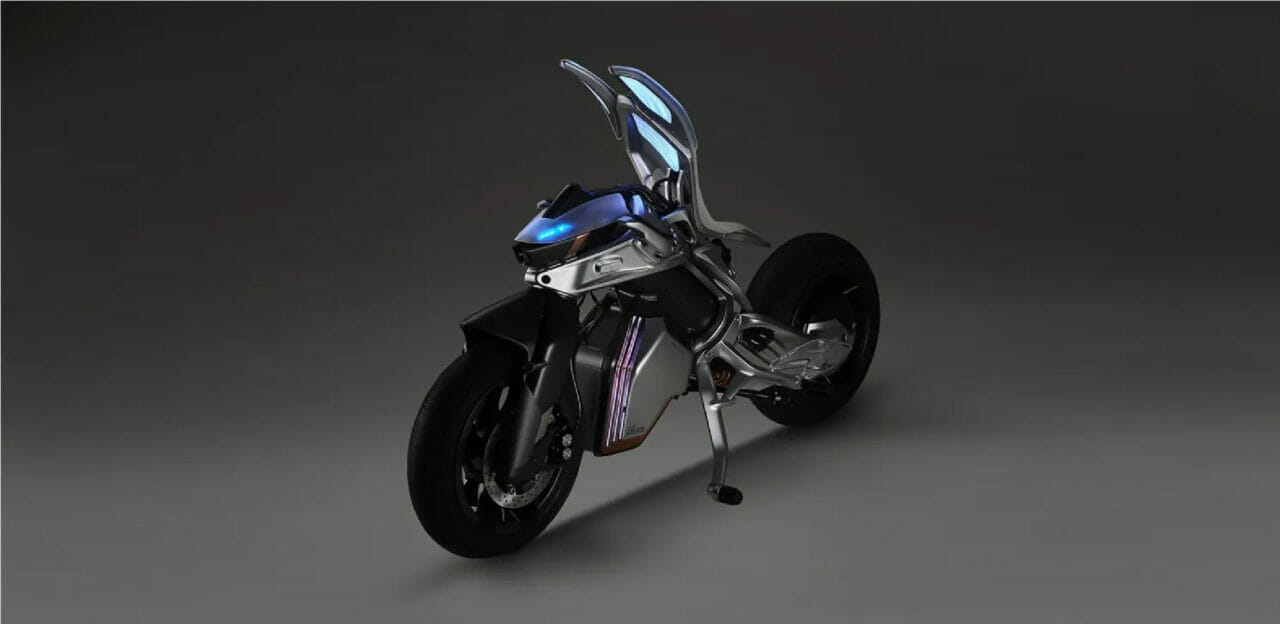
The New Yamaha Electric Motorcycle Features a Revolutionary Design, Complex Structure, and an Innovative Approach
About six years ago, when Yamaha revealed the concept of the electric motorcycle Motoroid, many considered it an invention straight out of a science fiction movie. Today, the company unveils the new and improved Yamaha Motoroid 2, offering a glimpse of a future that once seemed distant, according to Electrek.
The Yamaha Motoroid 2 breaks away from the conventional design of motorcycles. While most traditional bikes have a complex mechanical structure, this electric motorcycle opts for an innovative approach. The rear houses a centrally located motor powered by a seemingly compact and suspended battery.
Instead of a traditional handlebar, the front fork offers steering in a non-conventional manner. Rather than handlebars, the motorcycle has rigid grips, designed essentially just for holding on.
-
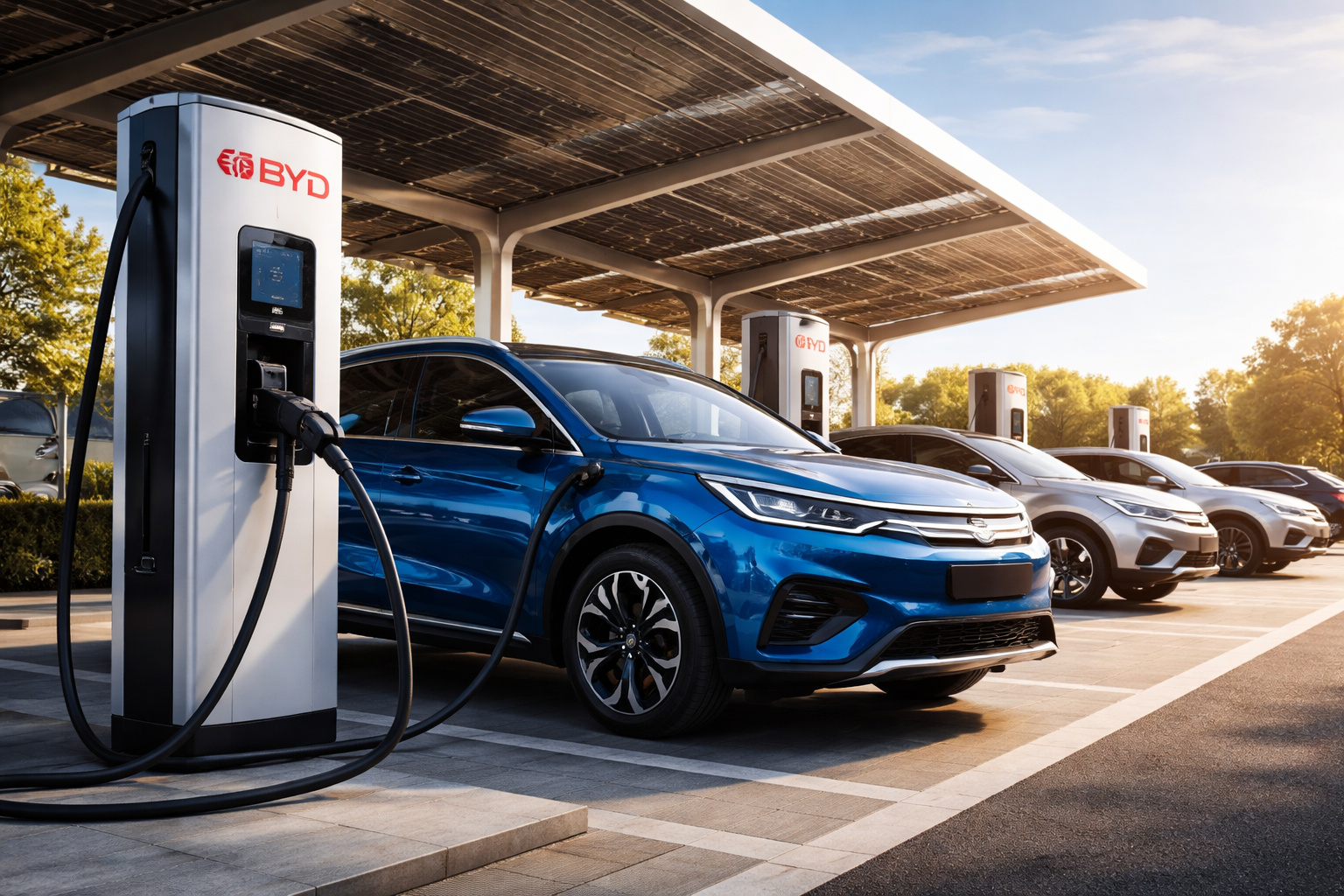
Largest public charging network in Brazil: BYD reaches 125 fast chargers and accelerates national expansion of electric mobility.
-
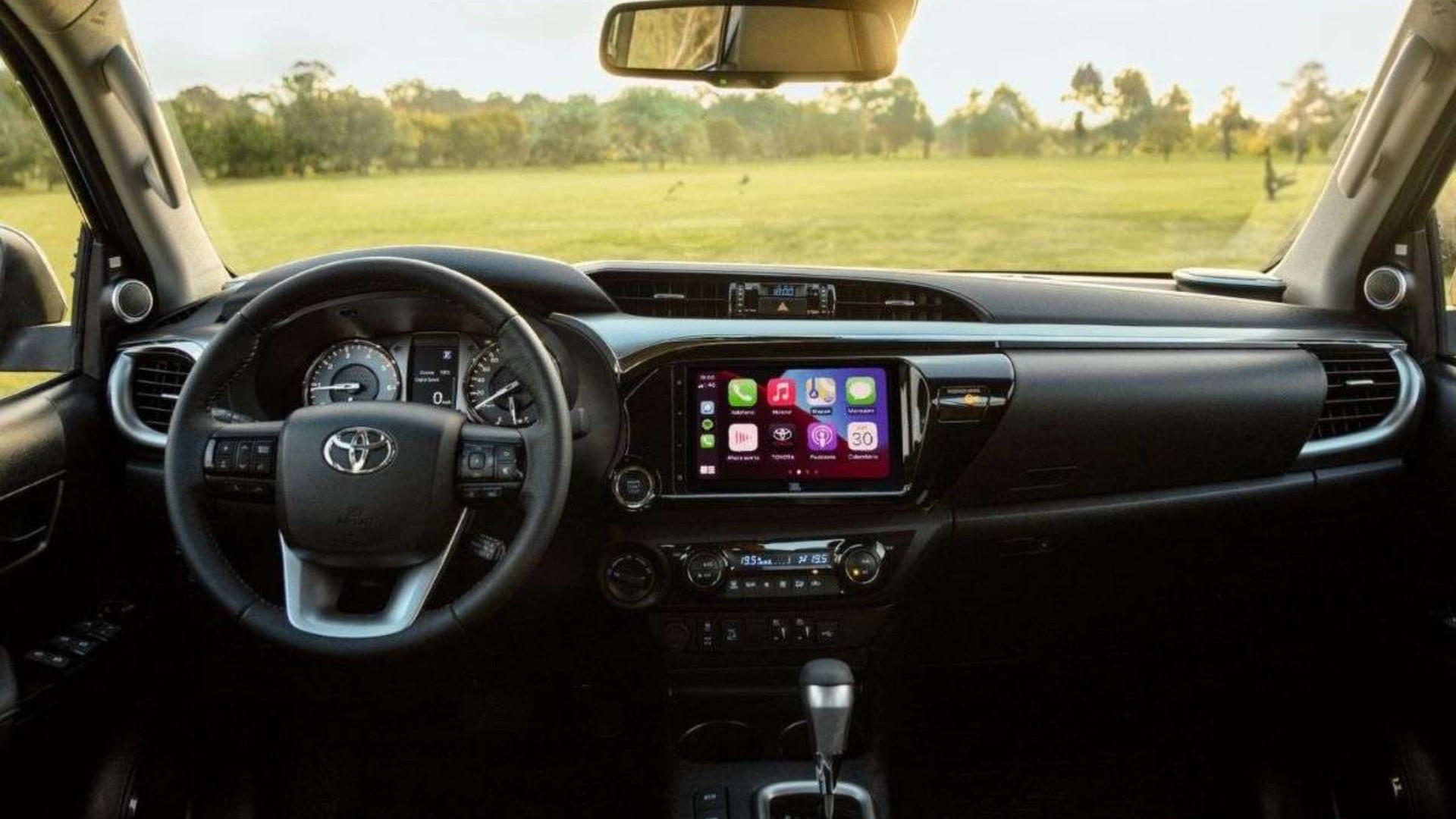
The Toyota Hilux is R$ 75.5 thousand cheaper and bets on the 2.8 turbodiesel engine with up to 204 hp and 50.9 kgfm to catch up with the VW Saveiro, which leads with 4,472 sales.
-
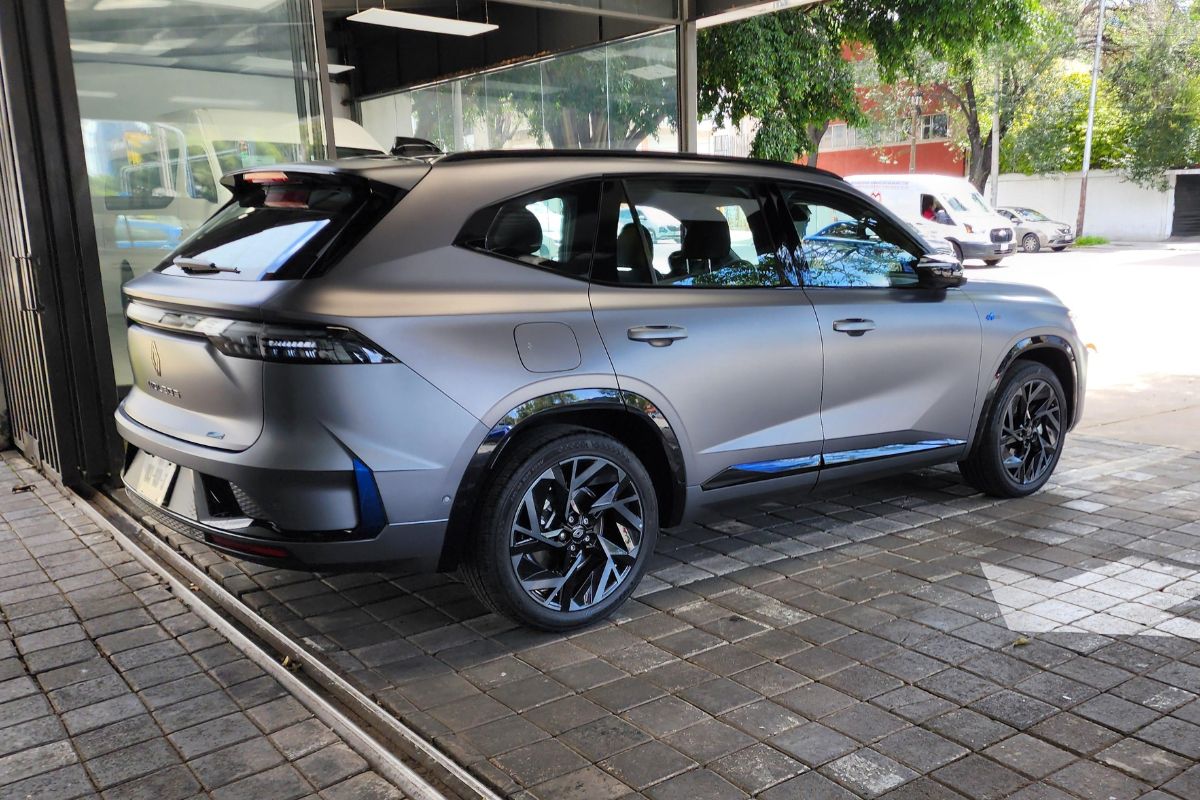
The new Renault Koleos has a screen exclusively for the passenger that is invisible to the driver, heated rear seats, and 29 assistance systems, but its Chinese competitors cost R$ 40,000 less and deliver more power.
-
The car stored for 38 years: when opening the barn door, what appears is breathtaking and looks like a scene from a movie!


The overall design of the Yamaha Motoroid 2 is futuristic and bold, with ambient blue lighting that highlights the body. The motorcycle features a faux gas tank that rises for unknown reasons, adding a touch of uniqueness to its appearance.
Automatic Balance and Potentially Operatorless
One of the most intriguing features of the Yamaha Motoroid 2 is its automatic balance. It has been designed to operate without the need for a rider on board, meaning it can ride and maintain balance regardless of human presence.
This capability is enabled through technologies such as facial recognition and gesture control, allowing the motorcycle to follow a person when operated without a rider. Additionally, a large central stand has been designed to automatically retract when the motorcycle slows down to park and can be raised autonomously when the motorcycle decides to resume driving.
The Future of Mobility?
While it is unlikely that Yamaha will produce an electric motorcycle with these features in the short term, the development of the Yamaha Motoroid 2 demonstrates the company’s ongoing interest in exploring new ideas and technologies. The company has even been producing functional prototypes.
Yamaha plans to showcase the prototype of the Motoroid 2 at future events, such as the Japan Mobility Show 2023. While this futuristic motorcycle may not be on the roads anytime soon, its existence highlights Yamaha’s continued focus on innovation and the future of electric mobility.
As Yamaha explores futuristic concepts, other motorcycle manufacturers, such as Kawasaki, are taking more concrete steps towards electric bikes. Kawasaki is about to launch its first regional transport electric motorcycles in North American and UK markets, demonstrating the growing acceptance and development of electric motorcycles.








Seja o primeiro a reagir!