





 Portuguese
  English
  Spanish
  3 min of reading
  0 comments


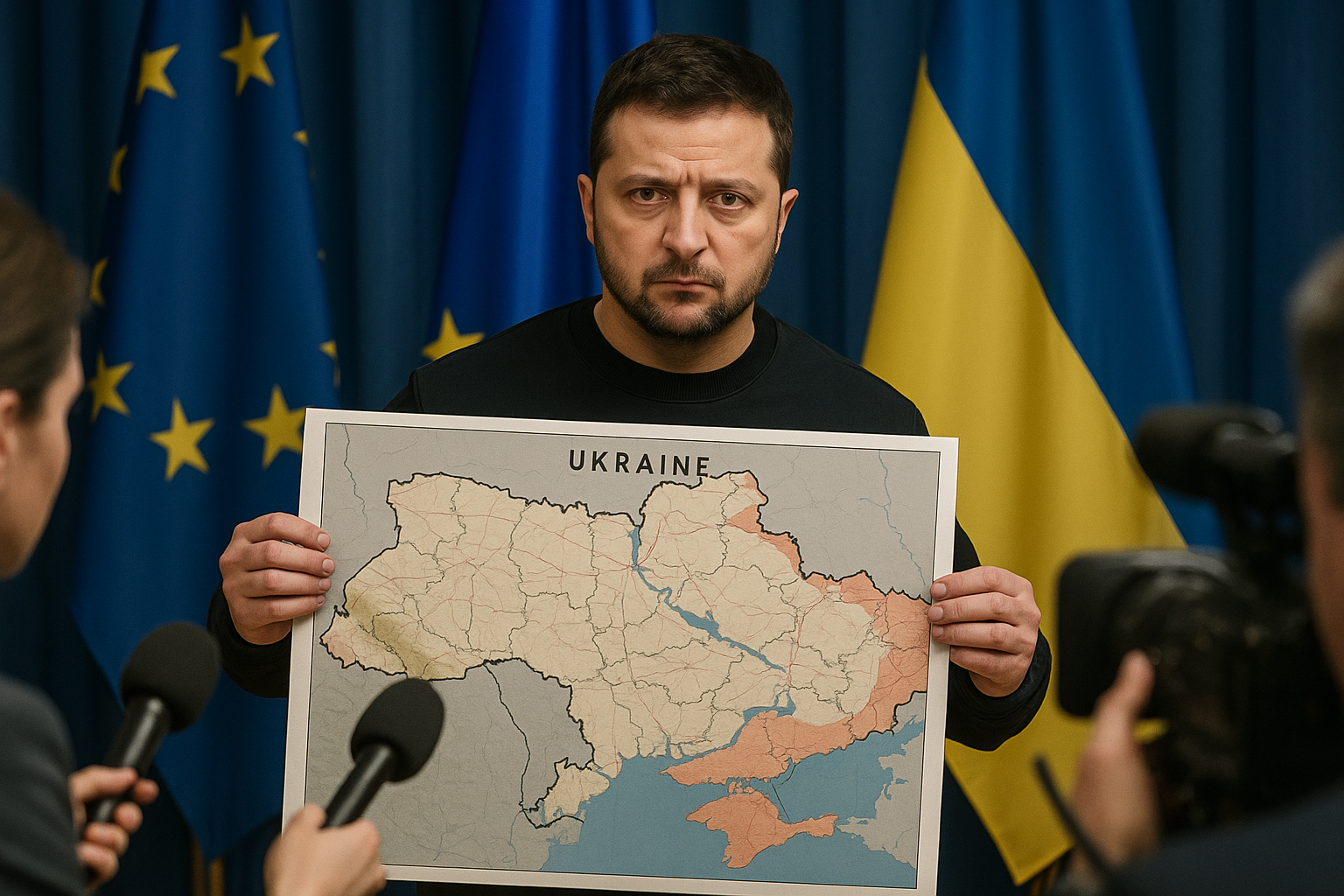
Ukrainian President Suggests Front Line as Basis for Peace Deal, After Summit Between Trump and Putin Does Not Yield Ceasefire, and Prepares Trip to Washington to Seek Support Against Risk of Diplomatic Isolation
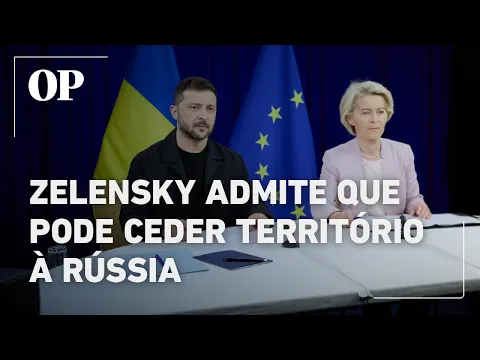
The President of Ukraine, Volodymyr Zelensky, stated last Sunday (17) in Brussels that peace negotiations with Russia could start from the current front line, signaling for the first time that occupied territories could be used as bargaining chips for a possible agreement to end the war. The statement came after a meeting with the President of the European Commission, Ursula von der Leyen, and marks a significant shift in the official Ukrainian stance.
According to Zelensky, “we need real negotiations, which means we can start from where the front line is now.” Until then, Kiev’s position had always been to demand the complete recovery of areas invaded by Russia since 2014.
-
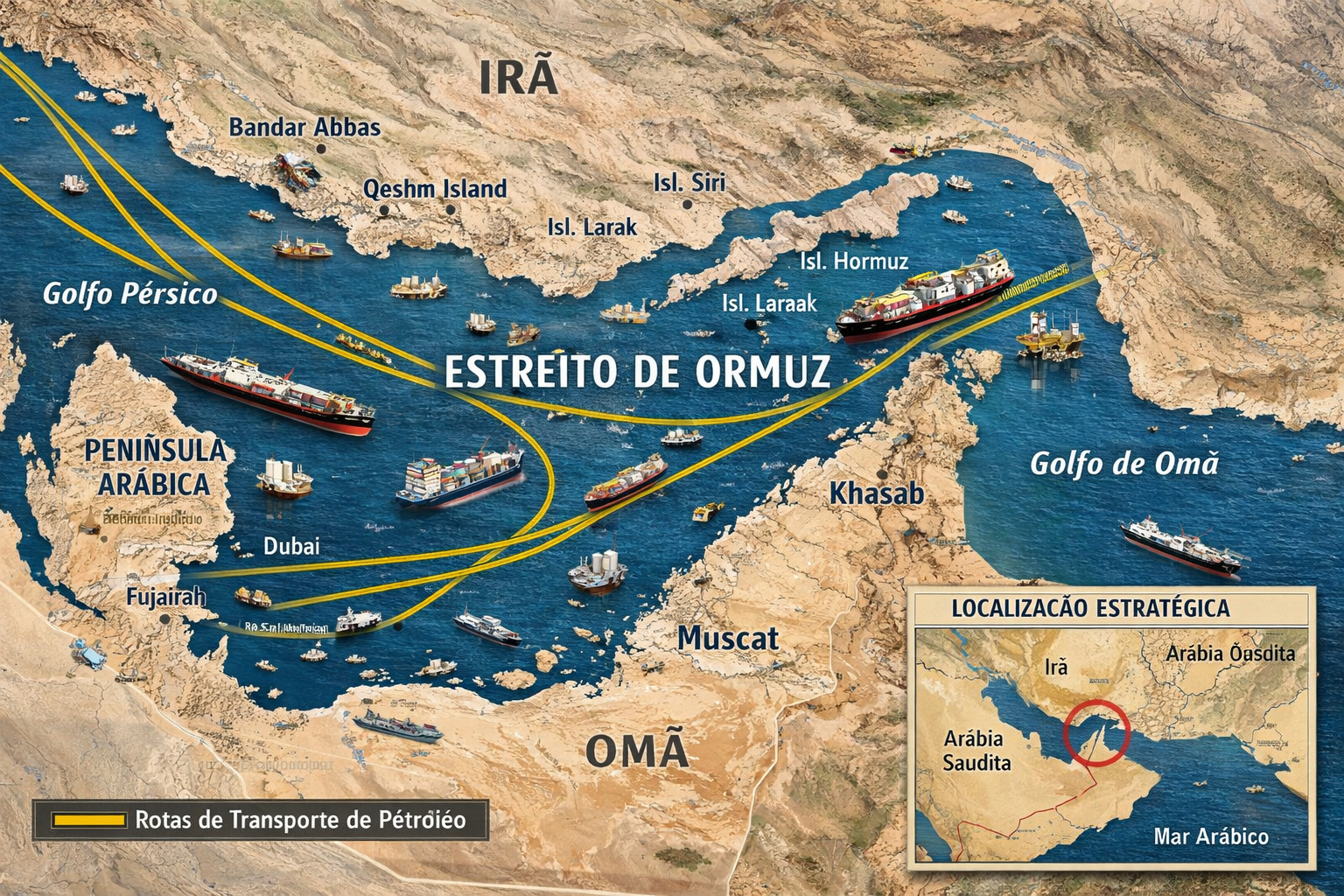
Global summit with over 40 countries pressures Iran for a blockade in the Strait of Hormuz and warns of direct impact on oil, food, and the global economy.
-
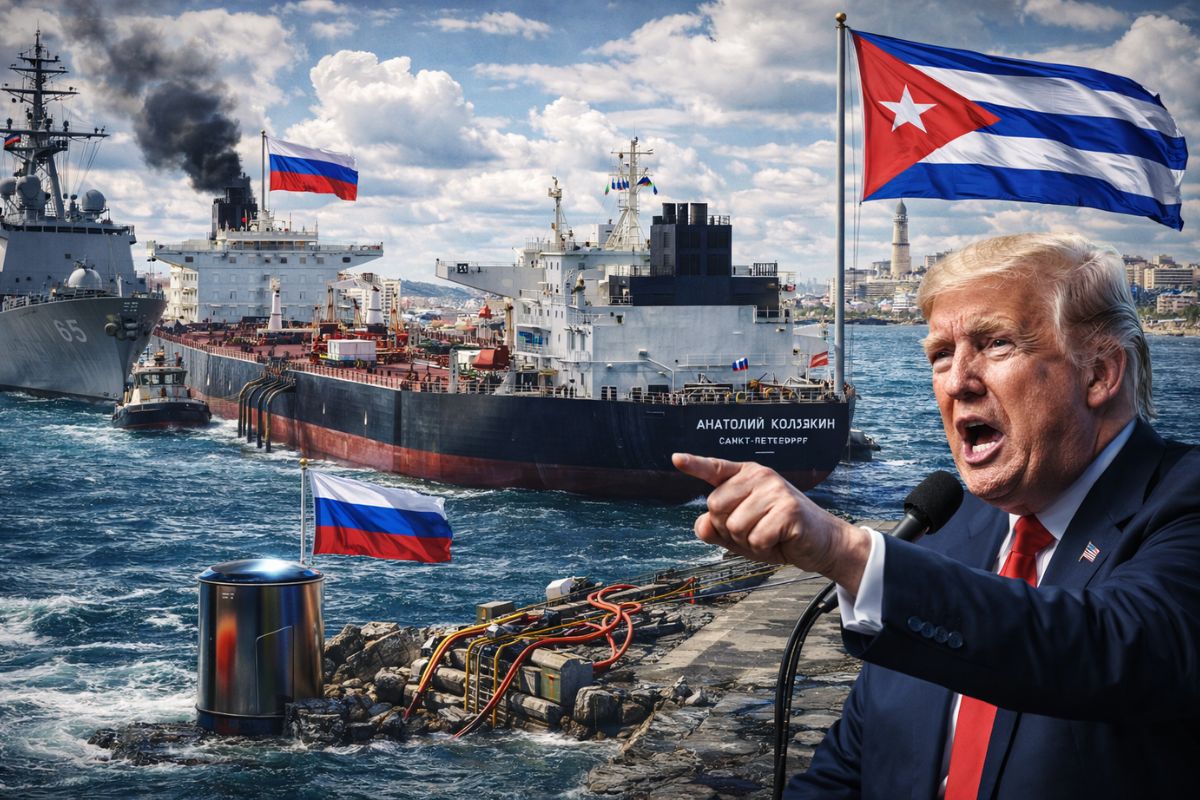
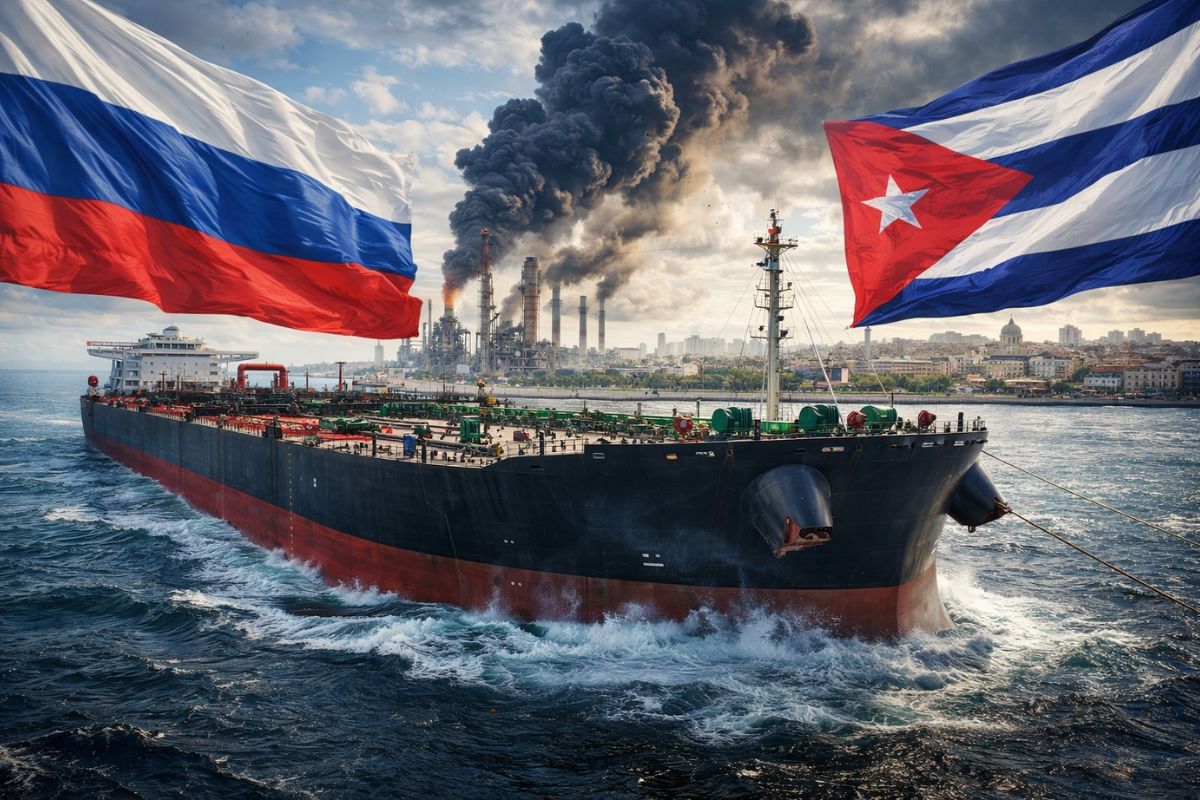
Russia has broken the U.S. maritime blockade to send oil to Cuba and is now loading a second ship while Trump says that “Cuba is next” in a possible military action against the island.
-
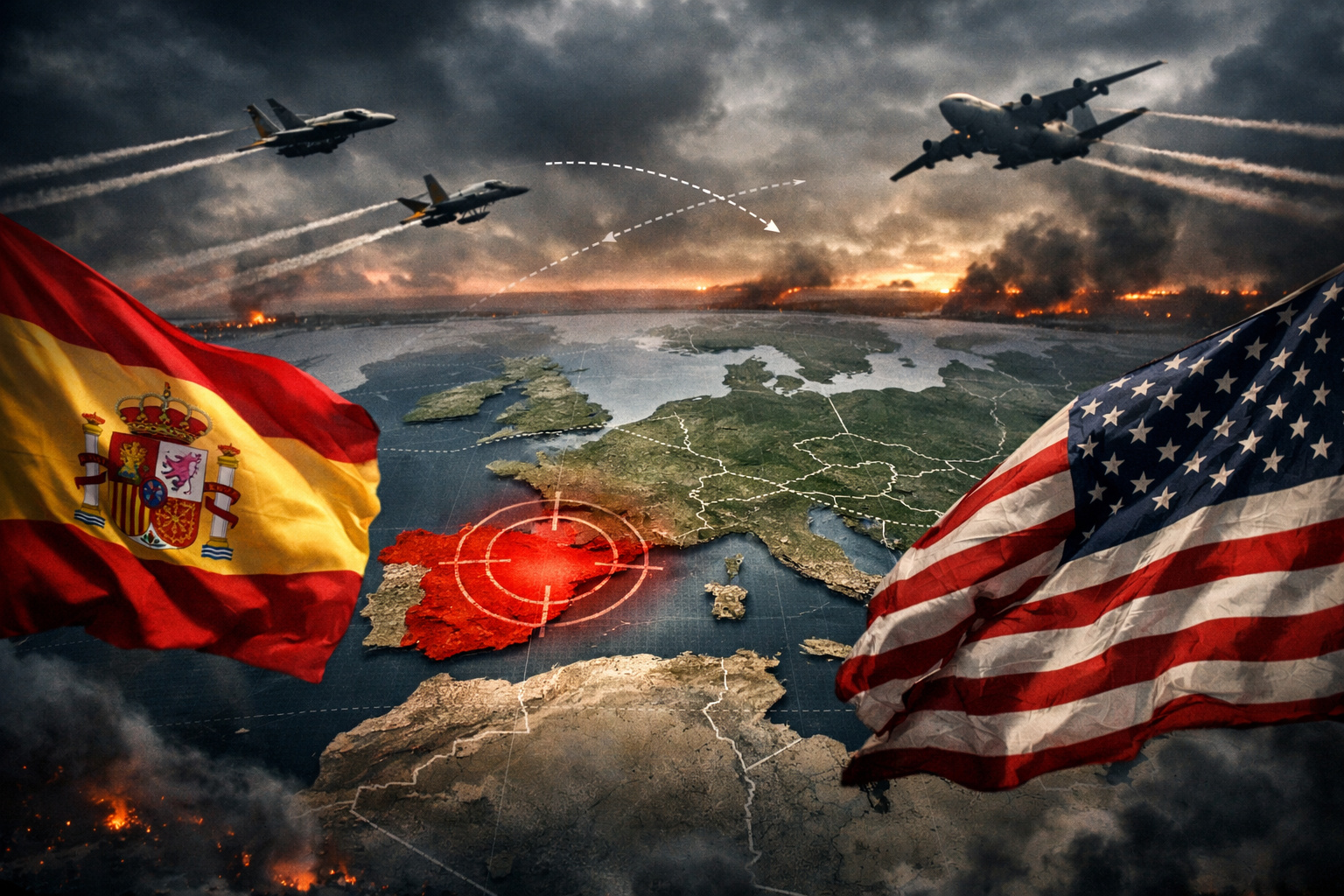
Spain challenges the USA and closes its airspace for operations against Iran, raising global tension and provoking the threat of a trade rupture.
-
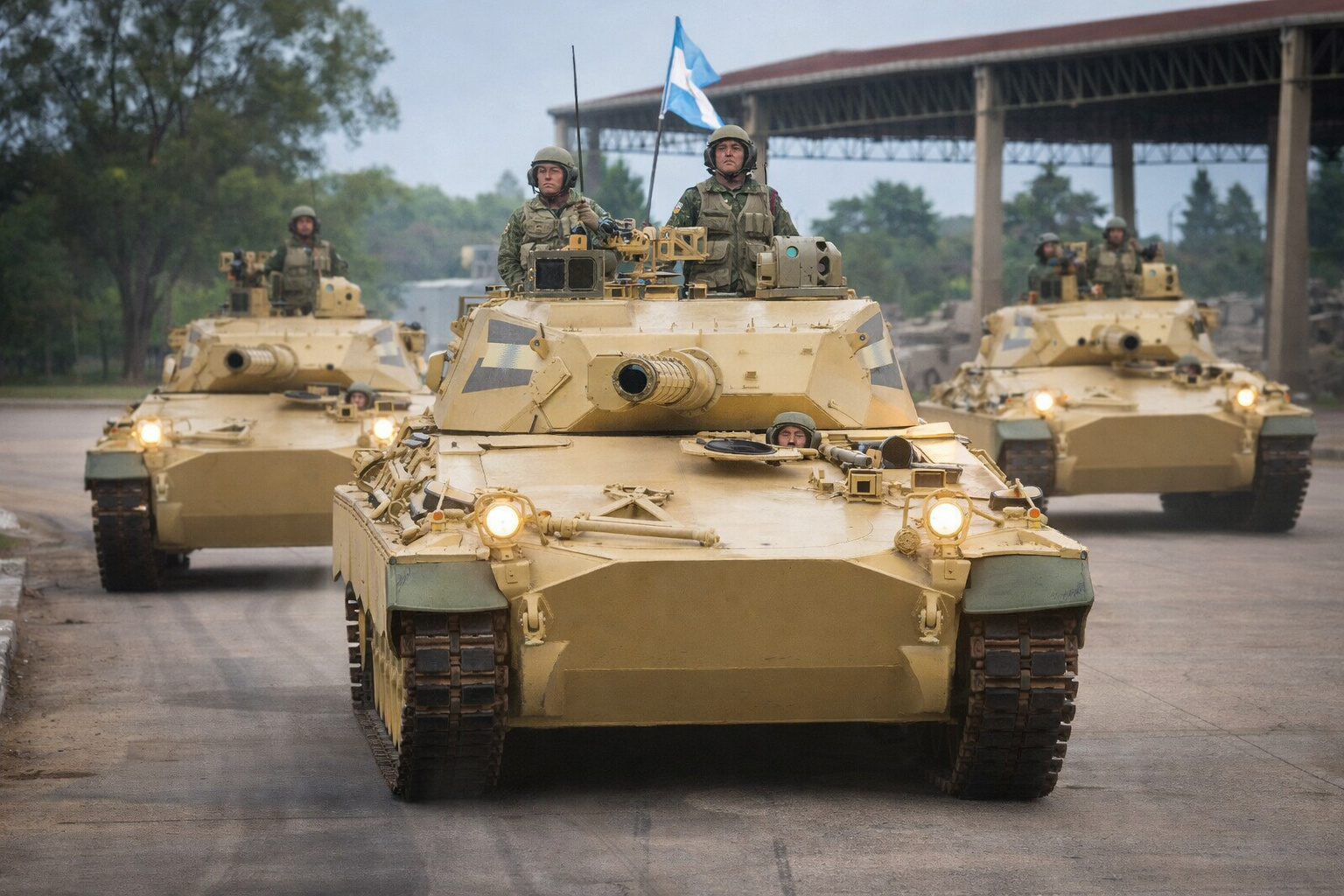
While no other country manufactures tanks in Latin America, Argentina activates the TAM 2C-A2 and raises a curiosity about the technological lag in the region.

The information was released by the Reuters agency, which covered the Ukrainian leader’s speech. The announcement comes at a time when Ukraine is facing international pressures to soften its stance and move forward with a peace agreement.
Context After Meeting Between Trump and Putin
Zelensky’s remarks come just two days after the summit between Donald Trump and Vladimir Putin, held in Alaska. Although the meeting did not result in a ceasefire, the American president indicated that a long-term pact could include territorial concessions to Russia, a scenario supported by Moscow.
Trump, who recently returned to the White House, has been referring to a “permanent agreement” rather than a temporary truce. This discourse aligns with the Russian narrative and concerns Kiev, which fears being placed in a position of diplomatic isolation if Washington proceeds with bilateral negotiations with the Kremlin.
Zelensky, in turn, is trying to reorganize European and American support, emphasizing that an agreement must guarantee security and stability for Ukraine. His visit to Brussels aimed to reaffirm the partnership with the European Union ahead of the trip to Washington this Monday (18).
Map of Disputed Areas
Currently, Russia controls about 400 km² in the regions of Sumy and Kharkiv, in addition to large parts of Donetsk, Luhansk, Zaporizhia, and Kherson, along with Crimea, annexed in 2014.
Military experts cited by the Infomoney newspaper suggest that a possible agreement could include the total handover of Donetsk to Moscow in exchange for the return of peripheral areas of Sumy and Kharkiv, deemed less strategically important.
Donetsk remains partially under Kiev’s control, but Russian advances have threatened key cities. Meanwhile, Luhansk remains entirely under Moscow’s control, and the regions of Zaporizhia and Kherson could be frozen in their current status, consolidating a new border line.
Flexibilization as Strategic Pause
Despite the change in rhetoric, Zelensky avoided discussing surrender or definitive cession. He emphasized that recognizing the current front line serves as a starting point to seek a pause in the conflict, which could open up space for broader negotiations.
“We are not giving up our cities, but we need to stop the war to protect lives,” said the president. The mere recognition of this possibility already represents a concrete shift in Kiev’s foreign policy.
Attention now turns to the meeting in Washington, where Zelensky and Ursula von der Leyen will try to align positions with the United States and reduce the risk of a direct understanding between Trump and Putin that undermines Ukrainian resistance.
According to analysts consulted by The Guardian, this will be one of Zelensky’s most delicate trips since the onset of the war, as the future of military and economic support for Ukraine will depend on negotiations in the coming days.






-

2 pessoas reagiram a isso.