





 Portuguese
  English
  Spanish
  7 min of reading
  1 comment


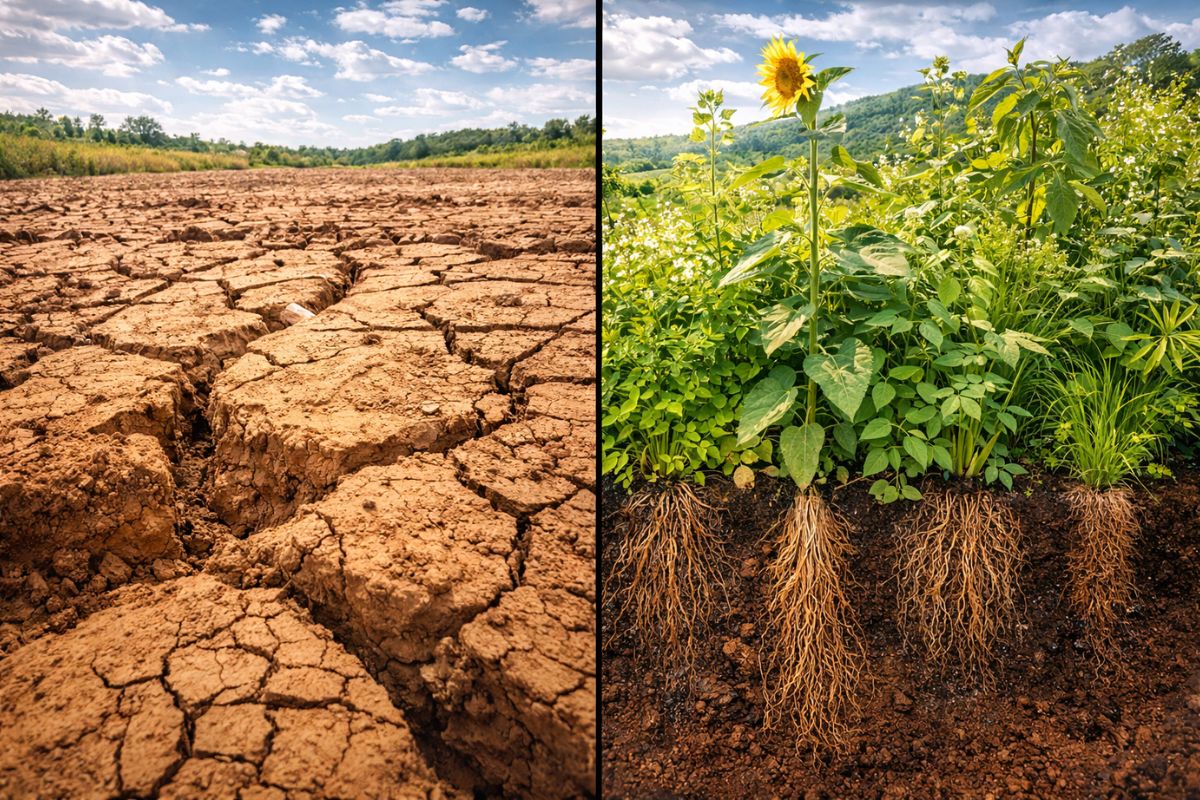


Plants Used In Green Manuring, Vegetative Cover, And Deep Roots Can Help Recover Degraded Soil, Improve Water Infiltration, And Bring Life Back To The Earth Without Relying On Chemicals
The right plants can do a job that many people still associate only with external products and corrections. Instead of treating compacted and degraded soil as something lost, the logic presented by green manuring shows that recovery can begin with cover, roots, biomass, and timely management.
In Brazil, this process gains strength with species that act in different and complementary ways. Some penetrate hard layers, others cover the ground, some produce a lot of organic matter, and there are also those that help rearrange nutrients in the soil profile. The central point is not to plant anything but to create a system in which plants work together to make the soil function again.
Degraded Soil Needs Not Just Product, But Process
The foundation of this recovery lies in understanding that soil does not improve solely with a single application. What restores structure to the earth is a continuous process, in which plants begin to fulfill specific functions within the system.
-
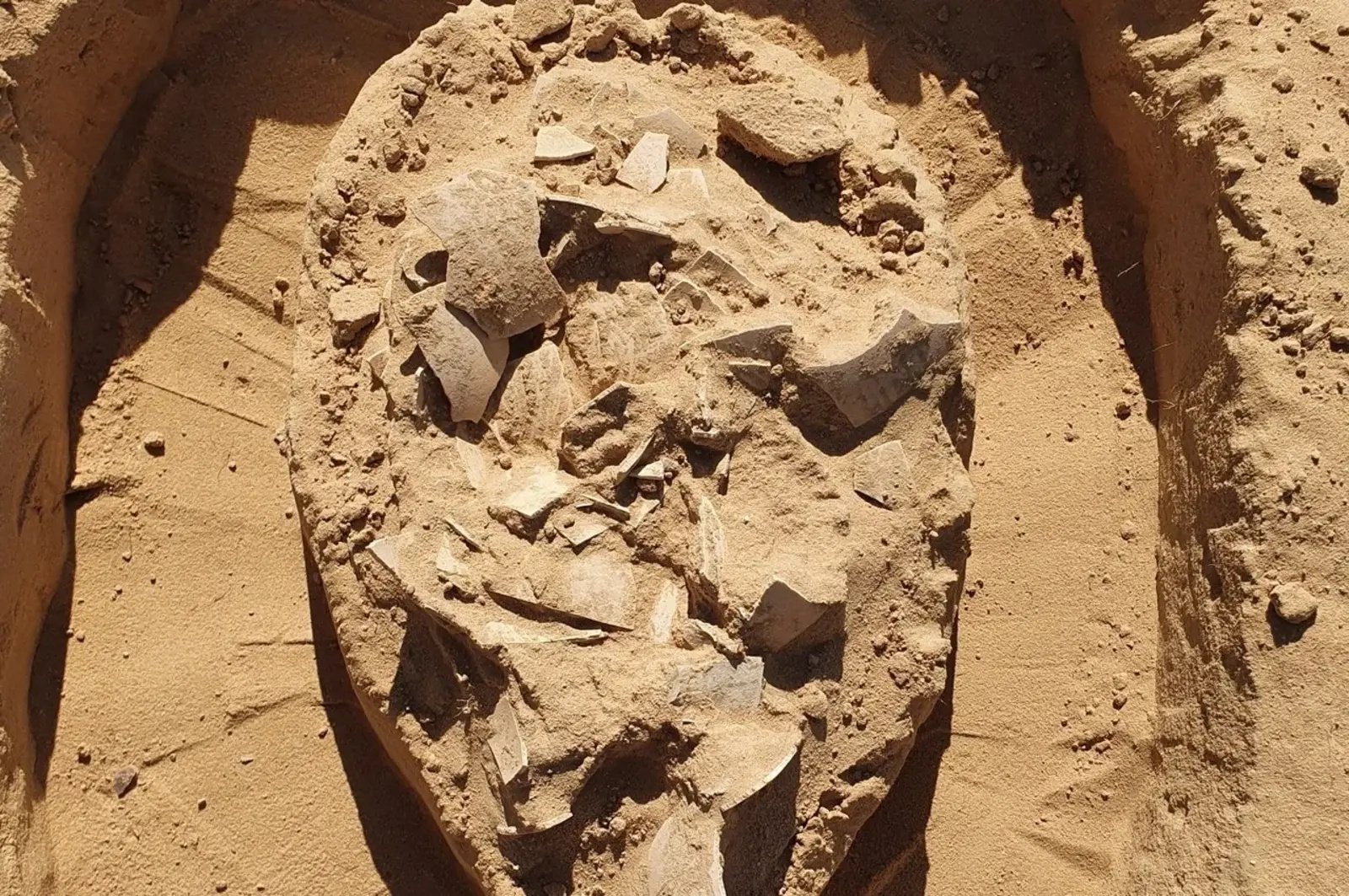
7,000-year-old bonfire in southern Israel reveals a rare scene from the past and uncovers ostrich eggs prepared by nomads in the desert.
-
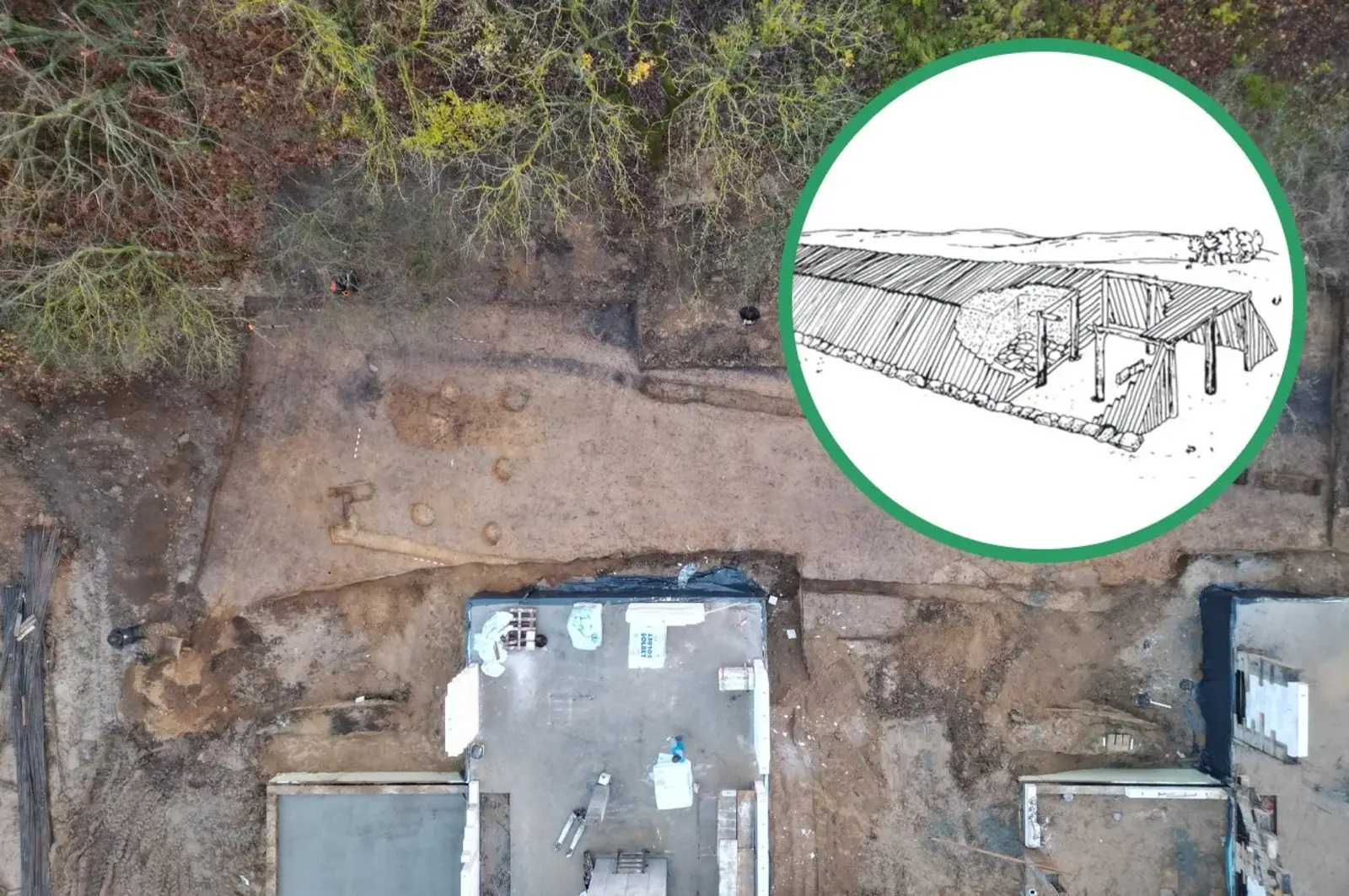
Gigantic megalithic mound of 42 meters emerges during housing construction in Lublin and reveals a Neolithic megadendron with a moat of nearly 30 meters.
-
The surprising fact: 1 in 3 Brazilians doubts the arrival of man on the Moon, while the majority still believes in the historic achievement, according to a Datafolha survey with more than 2,000 people.

-
Scientists have finally discovered where the plastic that disappeared from the oceans went, and the answer is frightening: it fragmented into such tiny particles that they became invisible and now there are 27 million tons of nanoplastic just in the North Atlantic.


The first of these functions is cover. When the soil is protected from direct sunlight and from the impact of rain, the tendency is to reduce erosion, surface crust, and sealing. The second is the action of the roots, which help to create natural channels, increase porosity, and open up space for water and air.
The third is biomass, which delivers organic matter above and below the surface. This combination is what begins to transform hard land into more balanced and fertile soil.
Why Cover Crops Make Such A Difference
Many people know one or another species, but they do not always connect the plant’s function to the real problem in the area. This reduces the result. Compacted soil, for example, requires plants with more aggressive roots. An exposed plot with low organic matter needs cover and biomass production.
In practice, recovery becomes more efficient when species are chosen with purpose. Instead of thinking only about a nice name or traditional use, management should consider whether the plant will cover, penetrate, cycle nutrients, fix nitrogen, or form a functional cocktail. This understanding distinguishes an isolated attempt from a true recovery.
Sunflower Helps Cycle Nutrients And Improve The Top Layer

Among the most useful plants in this process is the common sunflower. Although many see it only as ornamental, it works as a kind of nutrient elevator, pulling elements from deeper layers and helping to return them to the surface when the straw is kept in the soil.
This behavior makes a difference in tired areas where the top layer has lost quality. At the end of the cycle, the sunflower also leaves organic matter and contributes to the physical reorganization of the profile. Besides the visual effect, it serves as a real tool for soil recovery.
Fodder Turnip Is One Of The Most Useful Plants Against Compaction
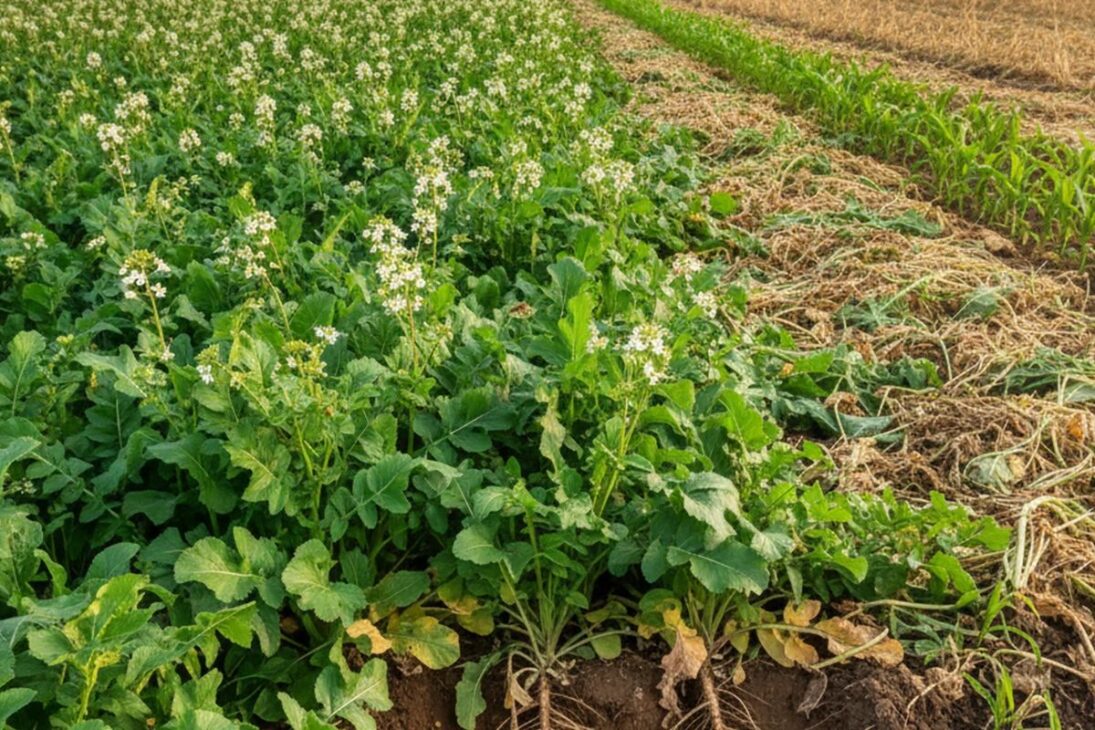
When the main problem is hardened land, the fodder turnip emerges as one of the most strategic plants. Its root acts as a natural drill, creating channels that help with dedensification and alter the structure of the soil over the cycle.
This effect is especially important in areas where water drains and the spade hardly penetrates. Over time, these channels facilitate the entry of water and air, favoring the functioning of the profile.
That is why the fodder turnip is often remembered as one of the strongest names to start recovering compacted soil.
Mustard And Other Brassicas Enter As Technical Management
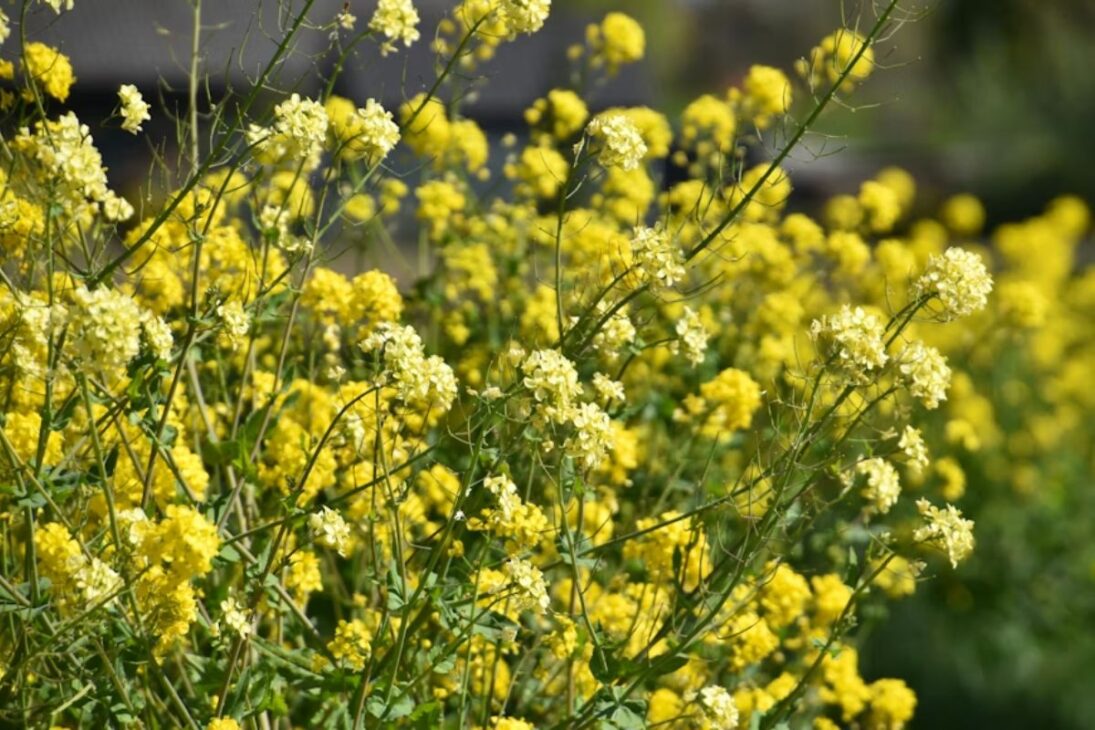
The plants from the brassica group, such as mustard, appear in strategies linked to management and biofumigation in certain contexts. In this case, the effect does not depend solely on the species but also on the timing of the cut and how the plant will be used in the system.
This shows that soil recovery does not depend just on choosing a seed but on knowing how to conduct the process.
When management is done at the right time, these plants help reorganize the invisible environment of the soil and enhance the effect of other species.
Portulaca Covers The Ground And Can Also Enter The Diet
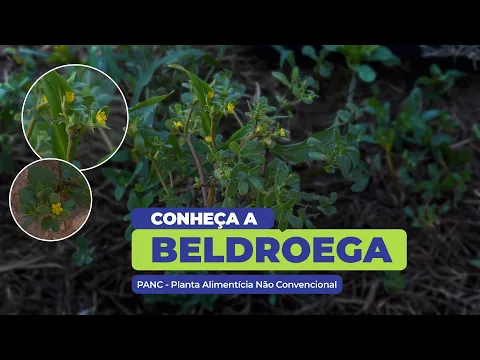

Among the plants mentioned, portulaca stands out for uniting live cover and food use. Spreading, resistant to the sun, and able to cover the ground, it helps protect the surface and also appears as a non-conventional food plant.
The basis highlights that portulaca is known for its use in salads and soups and is remembered as a significant plant source of omega-3. This reinforces how some neglected species like weeds can fulfill a dual function within the system.
While helping to cover the soil, portulaca shows that recovery and utilization can go hand in hand.
Dandelion Has Persistent Root And Traditional Utility
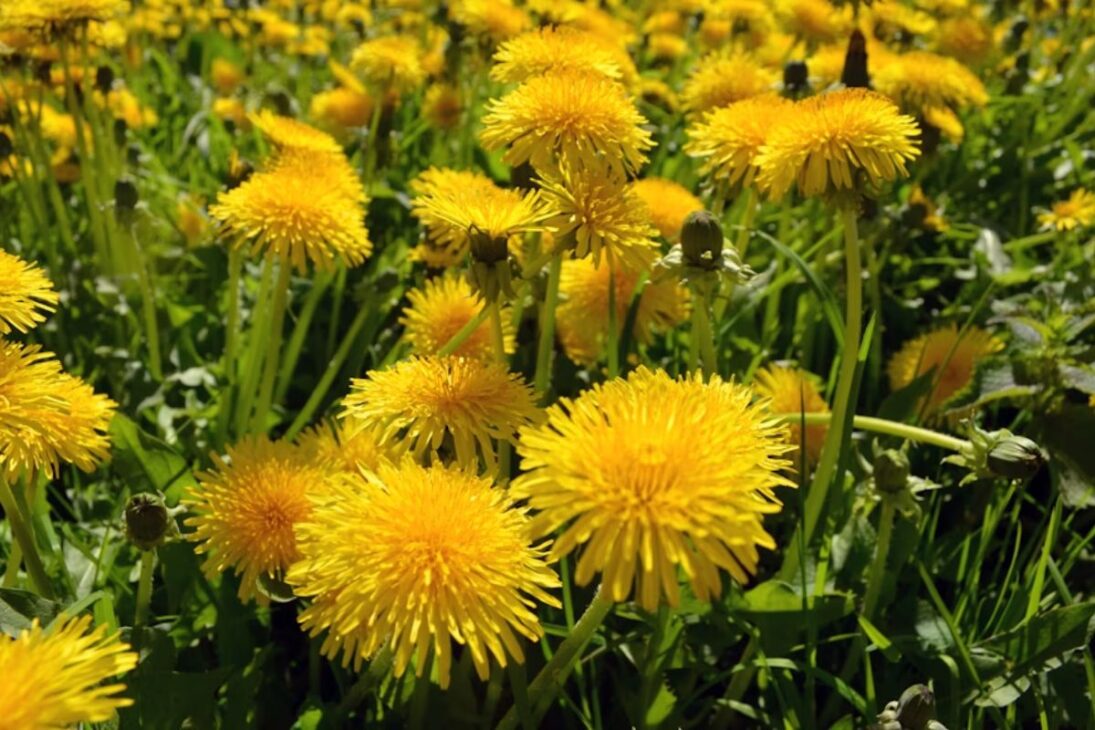
Dandelion is another of the plants that tend to be ignored or pulled out without attention. However, it appears with food and medicinal use in materials of tradition and health, in addition to having a persistent root, an important characteristic for working deeper layers of the earth.
In the context of the soil, this persistence helps create movement where many superficial species do not reach. In human use, the plant is remembered for its leaves, flour, and traditional preparation.
Once again, the text shows that some plants treated as weeds can have a relevant role in recovery and utilization of the system.
Clovers Help Bring Nitrogen Into The System
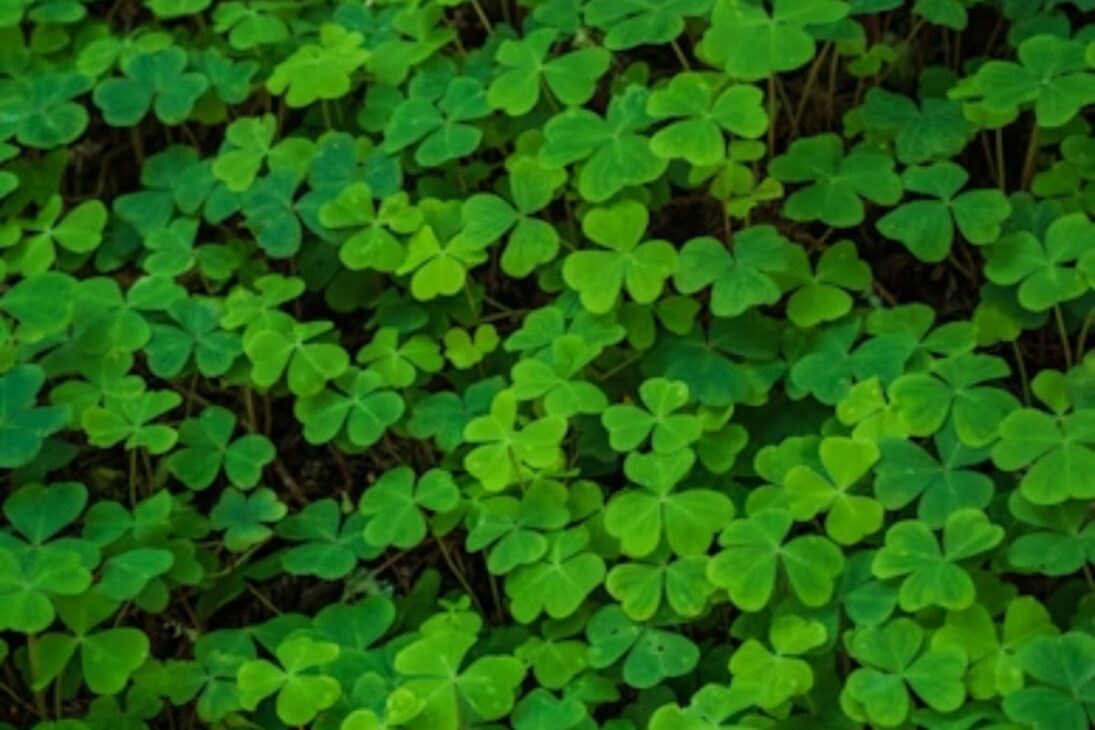
Among the plants of greatest functional value are clovers. Their role is linked to biological nitrogen fixation, a natural technology that helps introduce this element into the system without relying solely on industrial fertilizer.
When they enter as cover, clovers change the behavior of the soil over time. They can help reduce costs, improve the biological environment, and complement other species used in the process.
In a recovery system, plants like these do not come just to decorate but to sustain fertility with more balance.
Mucuna And Wild Bean Enhance Biomass And Soil Protection
Mucuna ranks among the most recognized plants when the goal is to produce biomass and protect the ground more intensely. That is why it often gains space in technical recommendations related to green manuring.
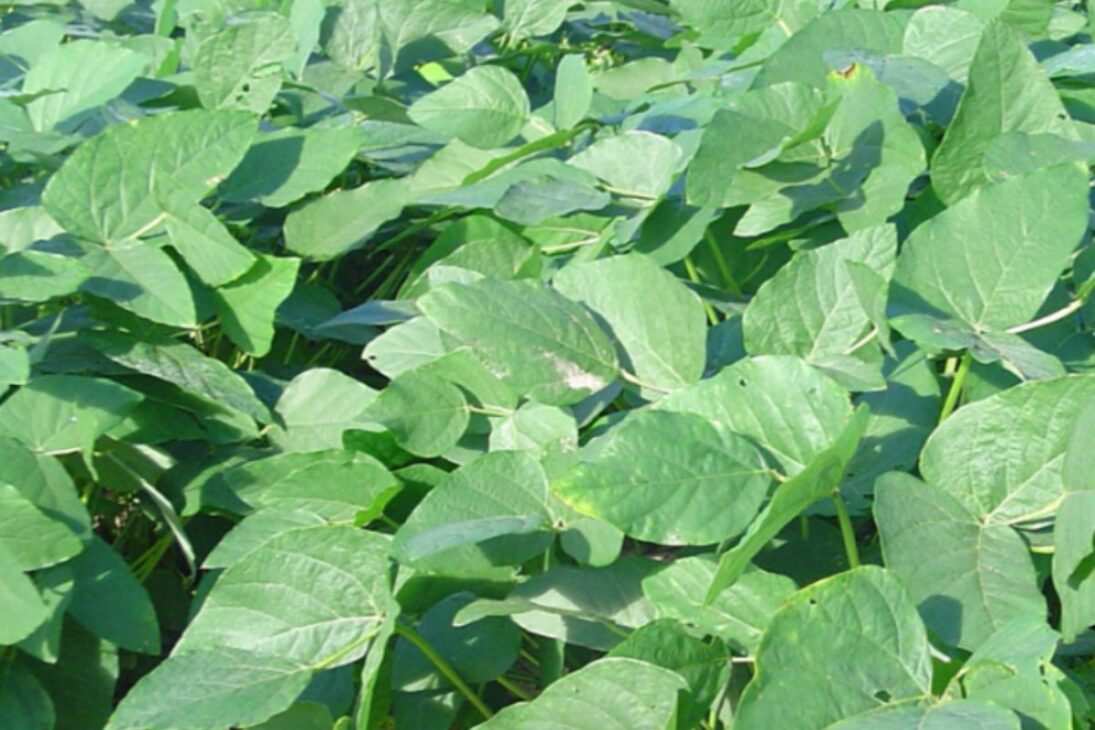
Meanwhile, wild bean contributes in a different way. It creates volume, generates shade, alters the microclimate closer to the soil, and assists in biodiverse recovery systems. In highly exposed areas, this can be decisive.
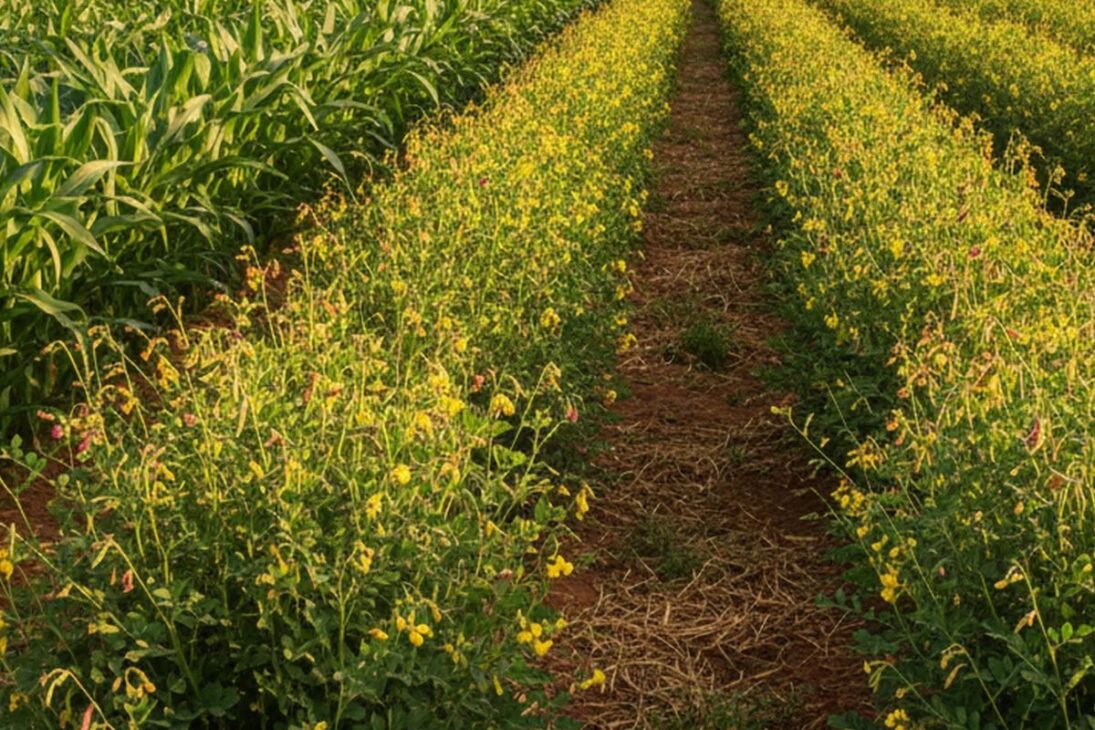
While mucuna strengthens the cover and organic matter, wild bean helps smooth out extremes and create better conditions for the system to react.
Plant Cocktail Can Speed Up Recovery
One of the strongest ideas in this framework is that it is not always worthwhile to choose just one species. In many cases, the most efficient path is to create a cocktail of plants with complementary functions.
In this arrangement, one quickly covers, another has aggressive roots, another fixes nitrogen, and another cycles nutrients. The result is a stacking of benefits within the same cycle.
Instead of betting on an isolated solution, the cocktail increases functional diversity and accelerates soil recovery.
Soil Should Never Be Bare
The tenth lesson of the material is not exactly a species but a principle. The soil should not remain exposed. Even when there is not yet a consolidated system, maintaining cover is a central part of recovery.
This means looking at spontaneous vegetation more critically. Not everything that emerges first should be treated automatically as a problem.
The most important thing is to decide whether the producer will lead the system intelligently or let chance dominate the area.
How To Choose Plants According To The Problem
The choice of plants depends on the type of limitation found in the terrain. In the case of compaction, the combination of fodder turnip, sunflower, and clover tends to make more sense. For weak and sandy soil, mucuna, clover, and the cover cocktail appear as more coherent options.
In very hard clay soil, fodder turnip, wild bean, and constant cover come into play. In flooded areas, the logic changes and also demands water management, ditches, leveling, and drainage, without assuming a single plant will solve everything. Recovery begins to work when the diagnosis aligns with the function of each species.
The Right Management Transforms The Presence Of Plants Into Real Results
In the end, what makes a difference is not just putting seeds in the ground. The result depends on cutting at the right moment, maintaining cover, or incorporating as per the adopted strategy. Biomass entering the system and roots opening the way are central parts of the practice.
Therefore, plants should not be seen as a secondary detail. They are tools of biological engineering capable of reconstructing structure, protecting the surface, improving infiltration, and initiating a new cycle for degraded areas.
When the soil is treated as an organism again, recovery stops seeming like a miracle and starts to make sense as a process.
Did you already know these plants for recovering compacted soil, or did any of them surprise you more?








Algumas, sim! Esta técnica de recuperação d solo é muito importante para alimentar animais, controlar insetos. É essencial para Apicultura.