





 Portuguese
  English
  Spanish
  4 min of reading
  0 comments


Some Models Have Turned Off the Spotlight, but Still Offer Balanced Performance, Adequate Consumption, and Good Cost-Benefit According to Automotive Industry Experts. Check Out Which Continue to Be Good Opportunities Among New and Used Vehicles.
Some models that have left the sales focus continue to offer balanced combinations of performance, space, and equipment.
Even with a discreet presence at dealerships, they continue to be evaluated by experts as competitive options in the new and used vehicle market.
The survey is based on registration volumes from Fenabrave and highlights four little-remembered vehicles but with relevant technical arguments—plus an extra model at the end.
-
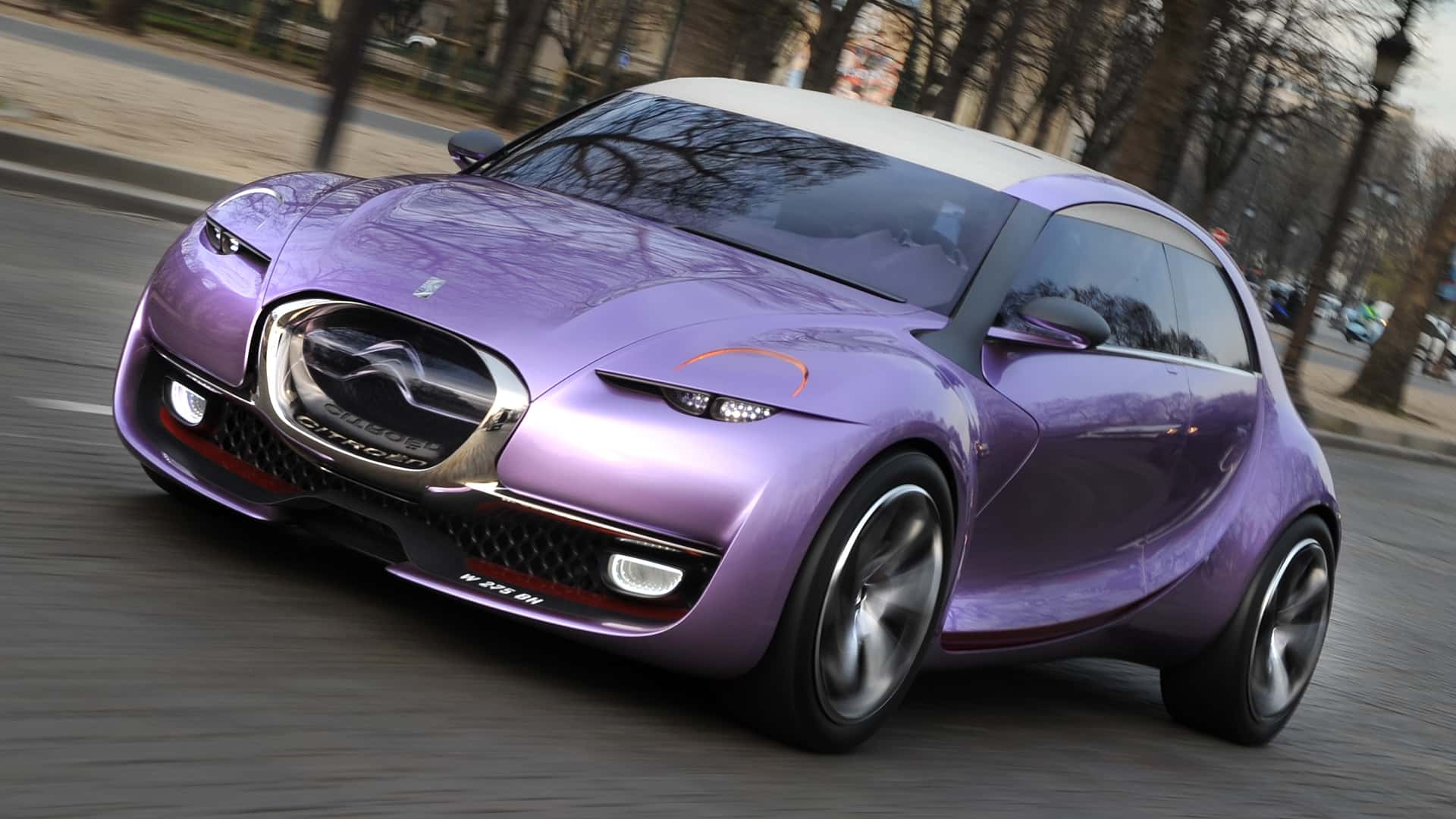
After decades out of the spotlight, Citroën is preparing to bring back the legendary 2CV as a low-cost electric vehicle, betting on the revival of one of the most popular cars in history and aiming to enter the race for affordable compact cars.
-
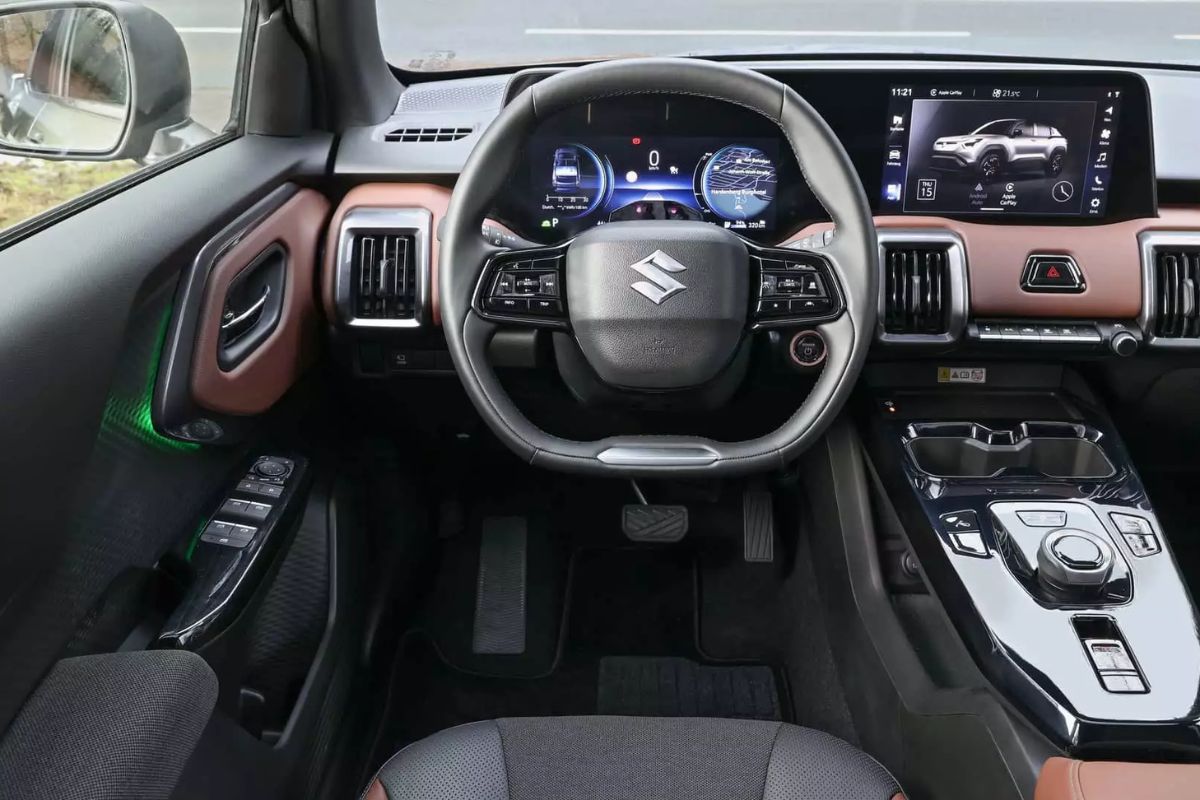
The 2026 electric Vitara arrives in Brazil and proves that Suzuki is not leaving: 4×4 traction, 184 hp, 61 kWh LFP battery, 293 km range, R$ 259,000, and a trunk capacity of 224 L.
-
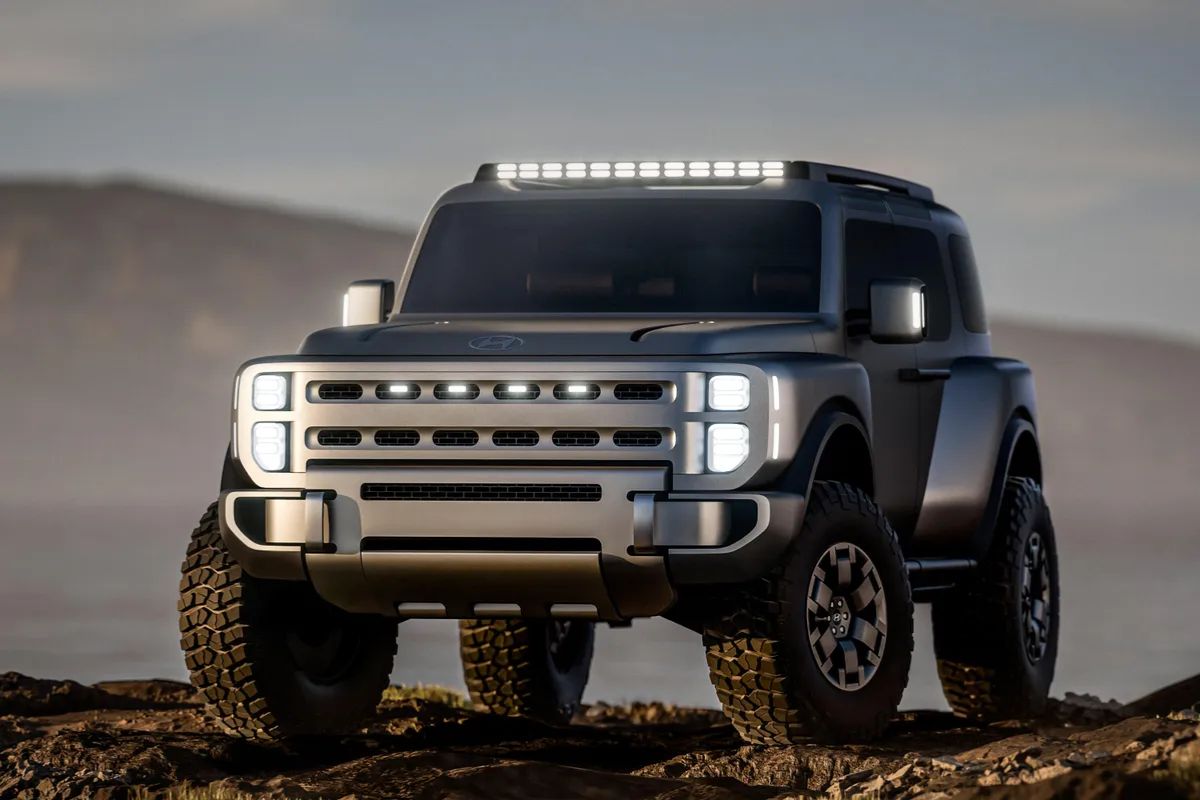
Hyundai has unveiled the Boulder, a square SUV with a body-on-frame design, 37-inch mud tires, and carriage-style doors that seems to be made to take on the Ford Bronco and the Scout Traveller in the United States.
-
The Toyota Hilux is R$ 75.5 thousand cheaper and bets on the 2.8 turbodiesel engine with up to 204 hp and 50.9 kgfm to catch up with the VW Saveiro, which leads with 4,472 sales.
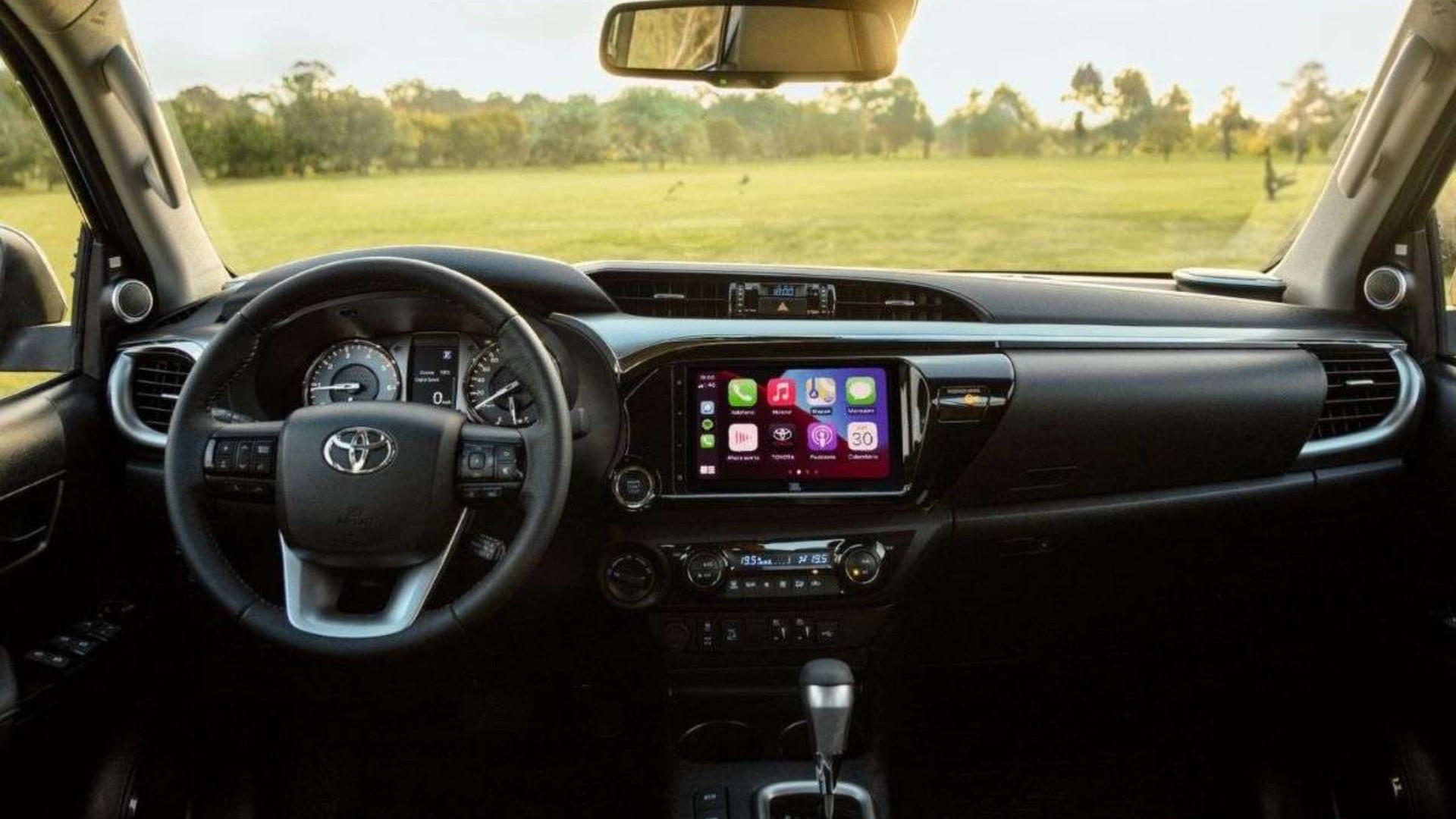

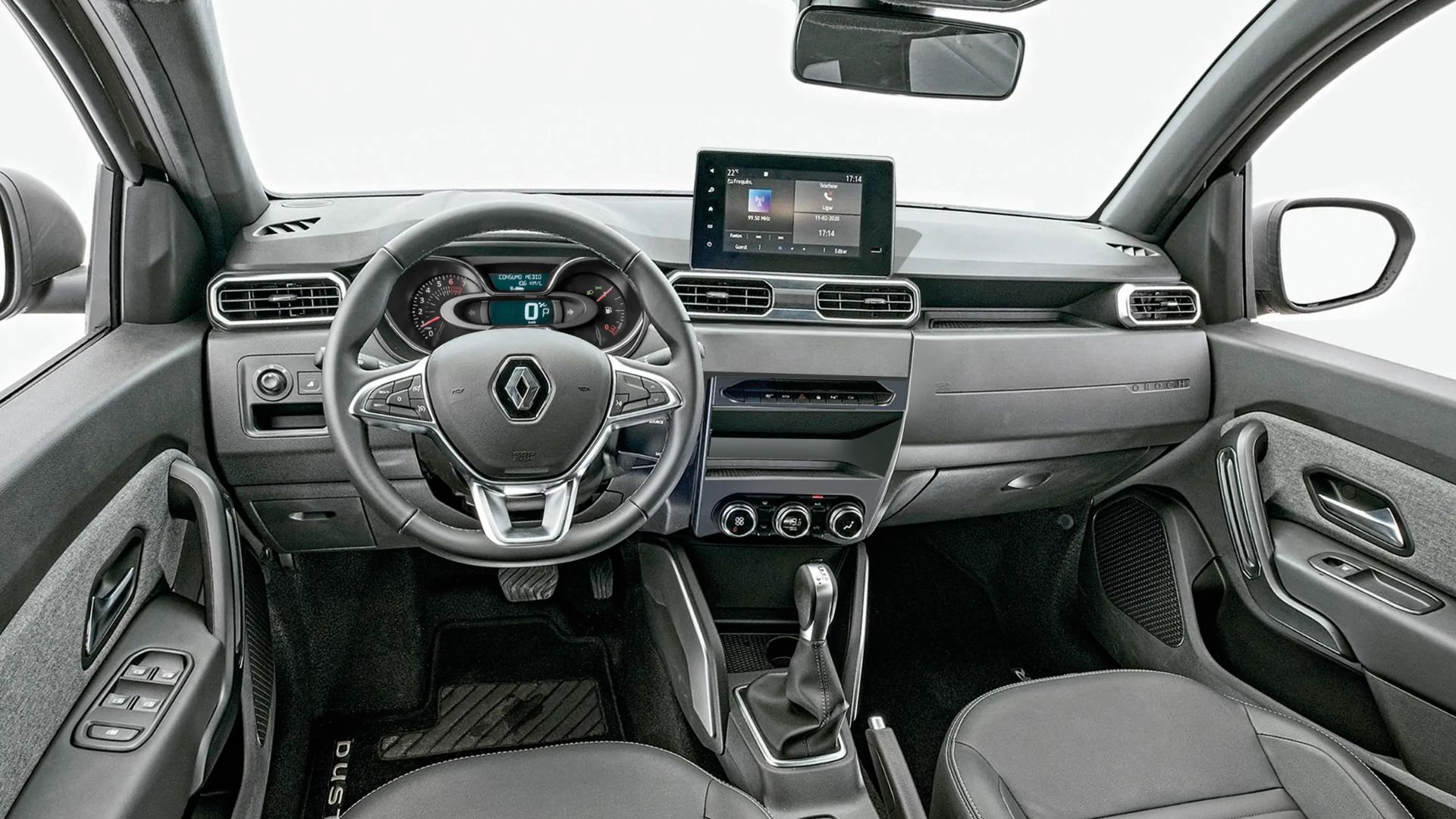
Renault Oroch: Robust Pickup with Simple Maintenance
Launched a decade ago, the Renault Oroch maintains space among consumers who prioritize durability and practicality.
The model uses a 1.6 SCe flex engine, combined with a manual transmission, a combination that favors mechanical simplicity and predictable costs, according to workshops and industry specialists.
In the tests by Inmetro, the Oroch shows a consumption of 7.6 km/l in the city and 8.1 km/l on the road with ethanol, or 11.3 km/l and 11.7 km/l with gasoline.
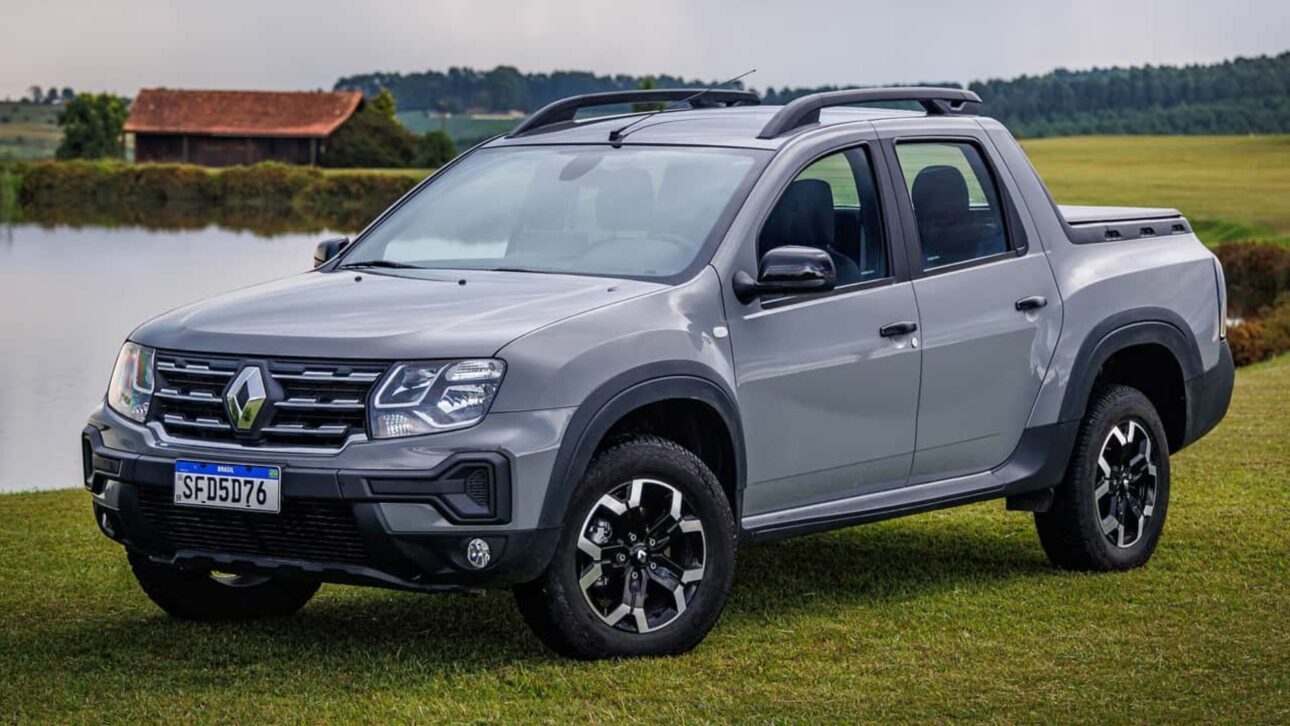
The 683-liter bed and the payload capacity between 650 kg and 680 kg, depending on the version, ensure adequate performance for transporting light loads.
Items such as traction and stability control, speed limiter, and adventurous styling are standard across the lineup.
The price is usually lower than that of pickups offering turbo engines and automatic transmissions, a factor noted by analysts as the main differential of the Oroch among mid-range models in the segment.
Peugeot 2008: Compact SUV with Semi-Hybrid System
Among compact utilities, the Peugeot 2008 has received relevant updates, including the adoption of the 12V semi-hybrid system associated with the 1.0 turbo engine with 130 hp in top versions.
Other configurations continue with the same engine, but without electrification.
According to Inmetro, the GT T200 Hybrid version shows a consumption of 9.0 km/l in the city and 9.6 km/l on the road with ethanol, or 13.0 km/l and 13.7 km/l with gasoline.
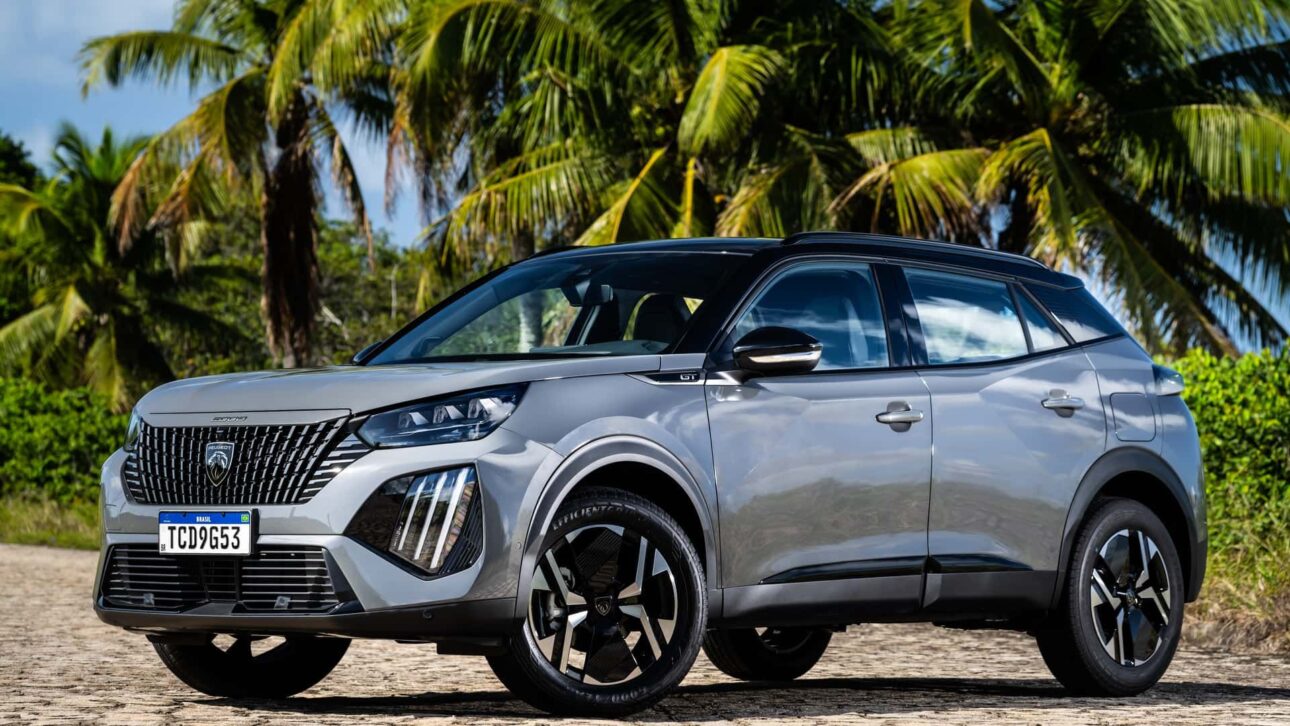
With measures of 4.30 m in length and 2.61 m in wheelbase, the model is positioned in the middle of the B-SUV segment, offering proportional cabin space and a trunk compatible with family use.
The internal finish and external design are still pointed out by specialists as differentiators compared to direct competitors.
The package includes electronic parking brake, 17” wheels, and updated multimedia system, along with pricing campaigns at dealerships, according to information from the Peugeot network.
Citroën Aircross: Seven Seats and 1.0-Liter Turbo Engine
The Citroën Aircross is currently the only national compact SUV with up to seven seats, a feature that keeps it as an alternative for families needing versatility.
The model uses a 1.0 Turbo 200 flex engine with a CVT transmission, a combination that, according to the manufacturer’s data, aims to balance urban performance and efficiency.
According to Inmetro, the official consumption is 10.6 km/l in the city and 12.0 km/l on the road with gasoline, or 7.4 km/l and 8.6 km/l with ethanol.
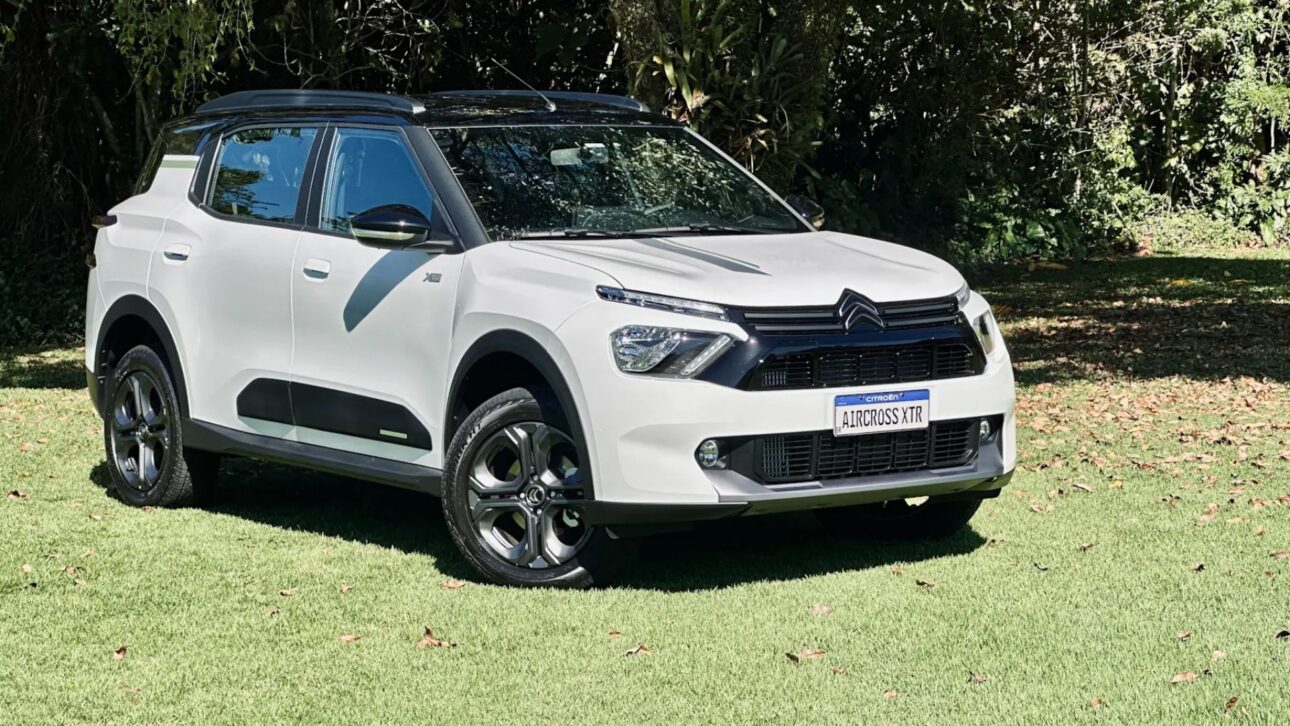
The vehicle measures 4.32 m in length and 2.675 m in wheelbase, dimensions that help to explain the interior space.
The 493-liter trunk (with the third row removed) meets family uses, but the volume is reduced with all seven seats installed.
Standard items include multimedia center, hill-start assist, and LED DRLs.
Experts highlight that the model offers one of the few seven-seat options in the compact SUV segment, an alternative that positions it as an indirect competitor to the Chevrolet Spin, which is more focused on family transport.
Mitsubishi Eclipse Cross: Medium SUV with Complete Package
The Mitsubishi Eclipse Cross remains available with a 1.5 turbo gasoline engine with 165 hp and CVT transmission, in addition to options with 4×2 and 4×4 traction.
The setup is considered by automotive consultants as a balance between performance and comfort, with appropriate levels of acoustic insulation and stability.
According to Inmetro, the model reaches 10.3 km/l in the city and 11.3 km/l on the road (gasoline).
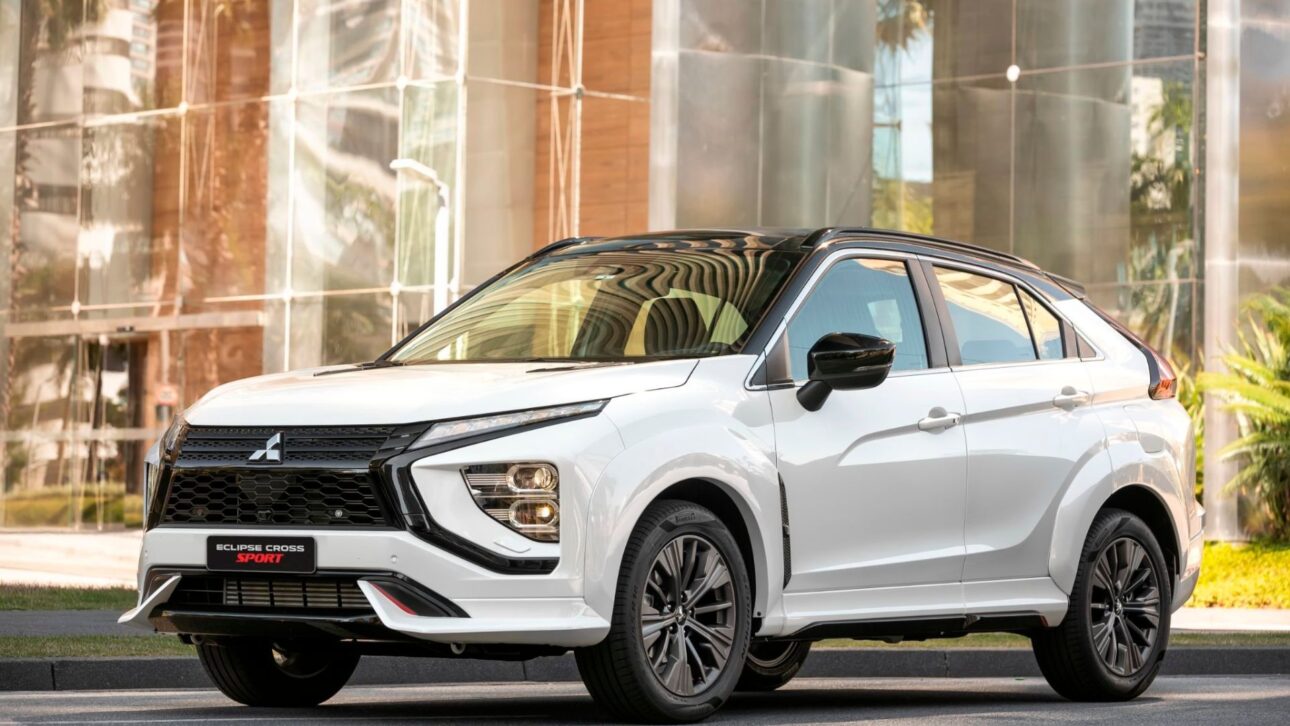
The dimensions—4.54 m in length and 2.67 m in wheelbase—result in a 473-liter trunk, compatible with the size of a medium SUV.
The Rush version includes seven airbags, cruise control, and a 10” multimedia screen, making up the standard package.
Even with a lower share compared to competitors like the Jeep Compass, the Eclipse Cross is still evaluated by experts as a good alternative for content and value in entry-level versions.
In a scenario of intense competition and marketing focused on the best-selling models, experts note that vehicles like the Oroch, 2008, Aircross, and Eclipse Cross still present consistent technical arguments for those seeking efficiency, space, or versatility.







-

-

-

-

9 pessoas reagiram a isso.