





 Portuguese
  English
  Spanish
  4 min of reading
  0 comments



Who would have thought that Japanese cars, once seen as modest and unsophisticated options, would become symbols of innovation, reliability, and even status in the automotive world? Over the last few decades, models manufactured in Japan have not only gained ground on every continent but have also set trends that forced traditional industry giants to reinvent themselves. Below, we will explore five iconic vehicles that changed the course of the industry’s history.
The Revolution Begins With Japanese Cars
In the 60s and 70s, while European manufacturers focused on sportiness and American ones on raw power, Japanese cars arrived with a different proposal: efficiency, durability, and affordability. This trio won over consumers of various profiles, transforming them into key players in the global market. Today, speaking of sturdy bodywork, economical engines, and embedded technology also means talking about Japan.
Toyota Corolla: The World’s Best-Selling Car
The Toyota Corolla is undoubtedly one of the most emblematic Japanese cars in history. Launched in 1966, it solidified its status as the best-selling automobile on the planet, surpassing 50 million units sold. The secret? A winning combination of mechanical reliability, low maintenance costs, and adaptability to the different realities of each market.
-
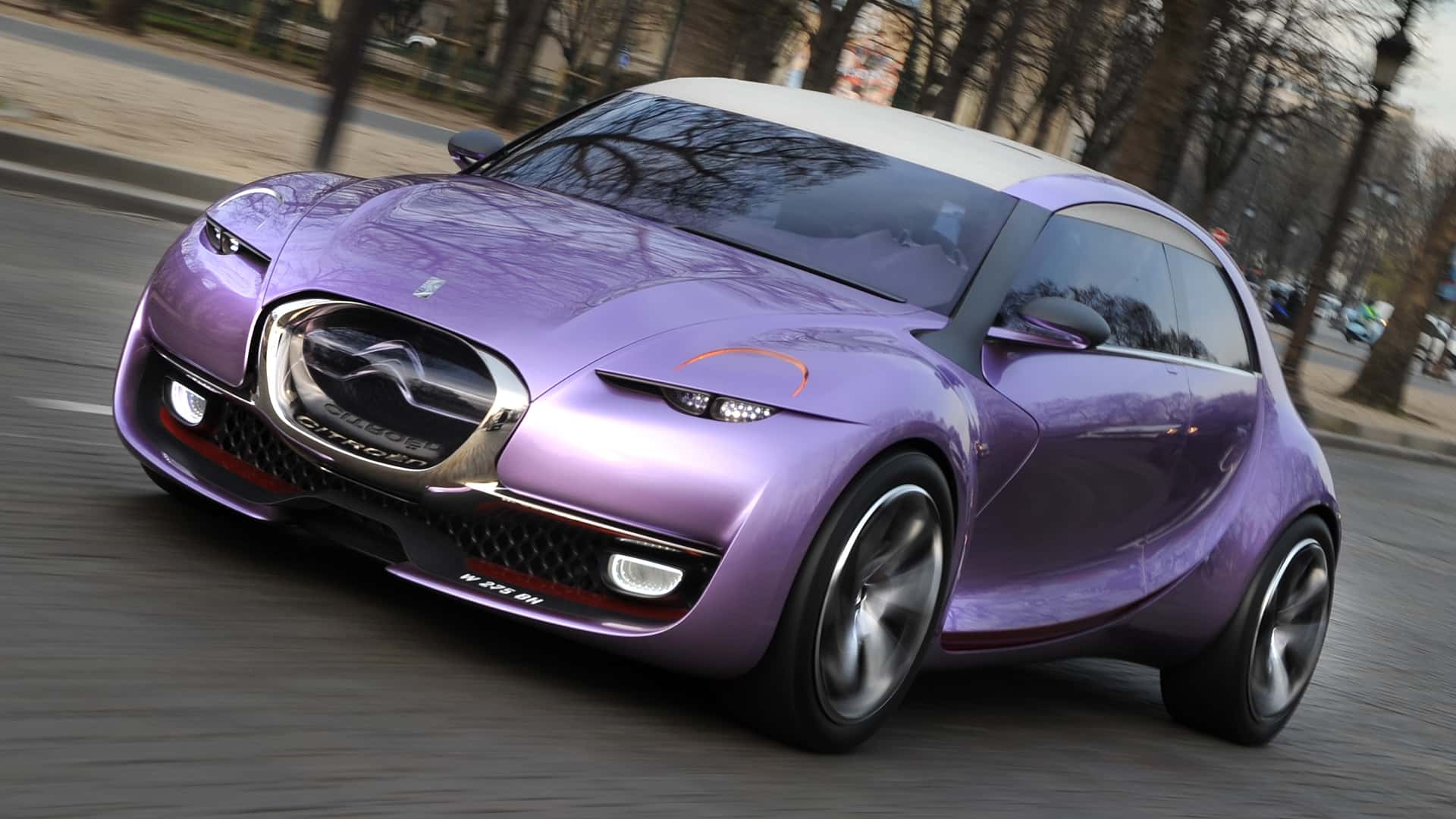
After decades out of the spotlight, Citroën is preparing to bring back the legendary 2CV as a low-cost electric vehicle, betting on the revival of one of the most popular cars in history and aiming to enter the race for affordable compact cars.
-
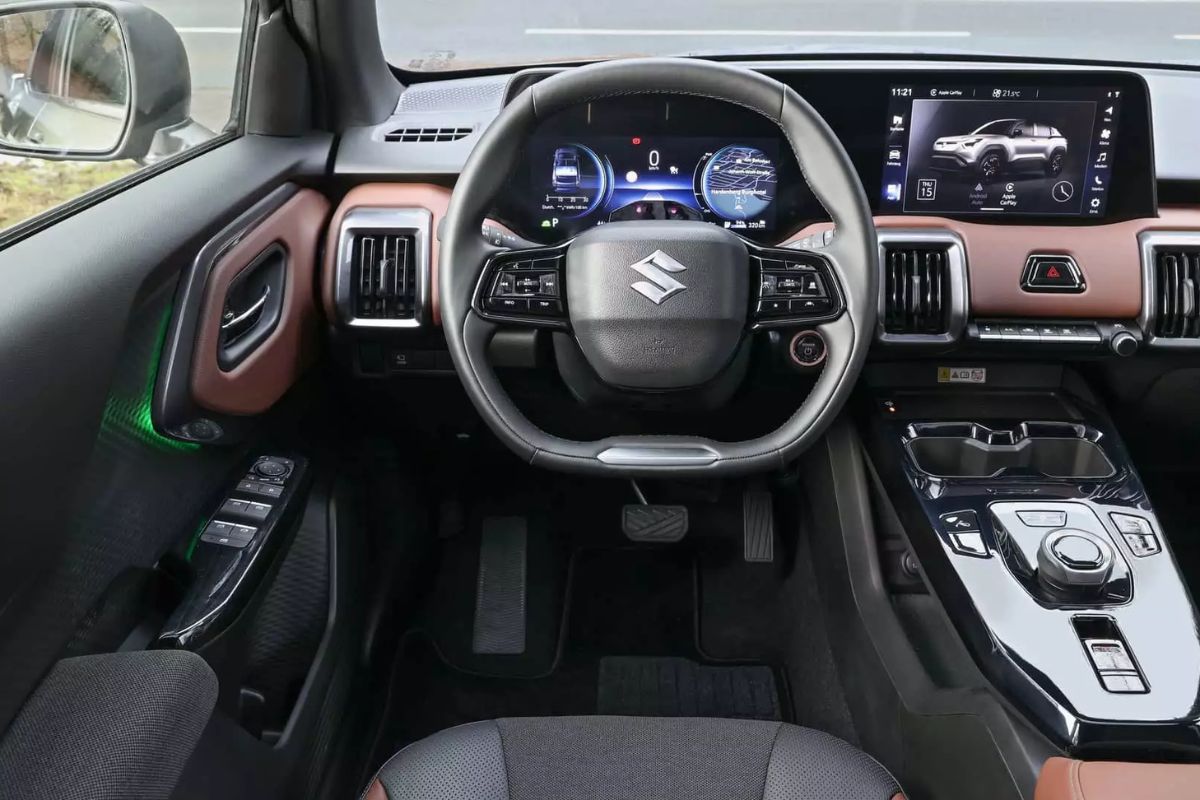
The 2026 electric Vitara arrives in Brazil and proves that Suzuki is not leaving: 4×4 traction, 184 hp, 61 kWh LFP battery, 293 km range, R$ 259,000, and a trunk capacity of 224 L.
-
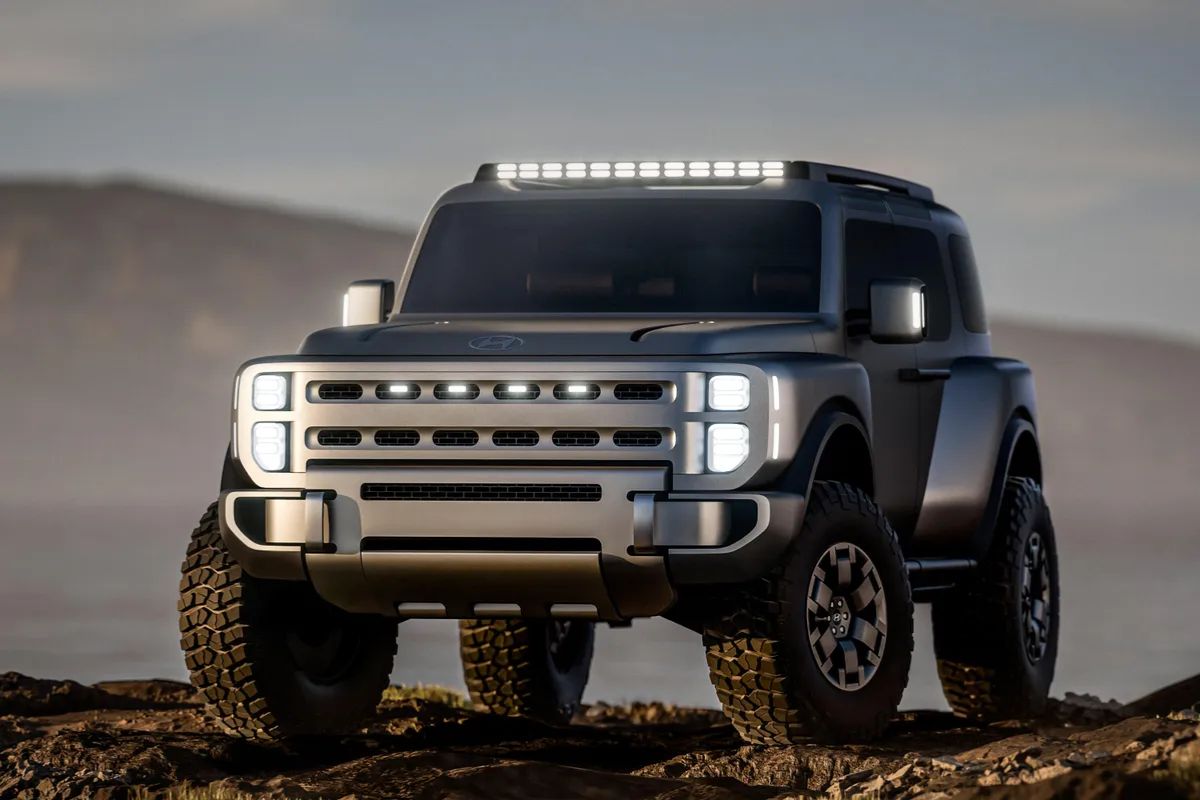
Hyundai has unveiled the Boulder, a square SUV with a body-on-frame design, 37-inch mud tires, and carriage-style doors that seems to be made to take on the Ford Bronco and the Scout Traveller in the United States.
-
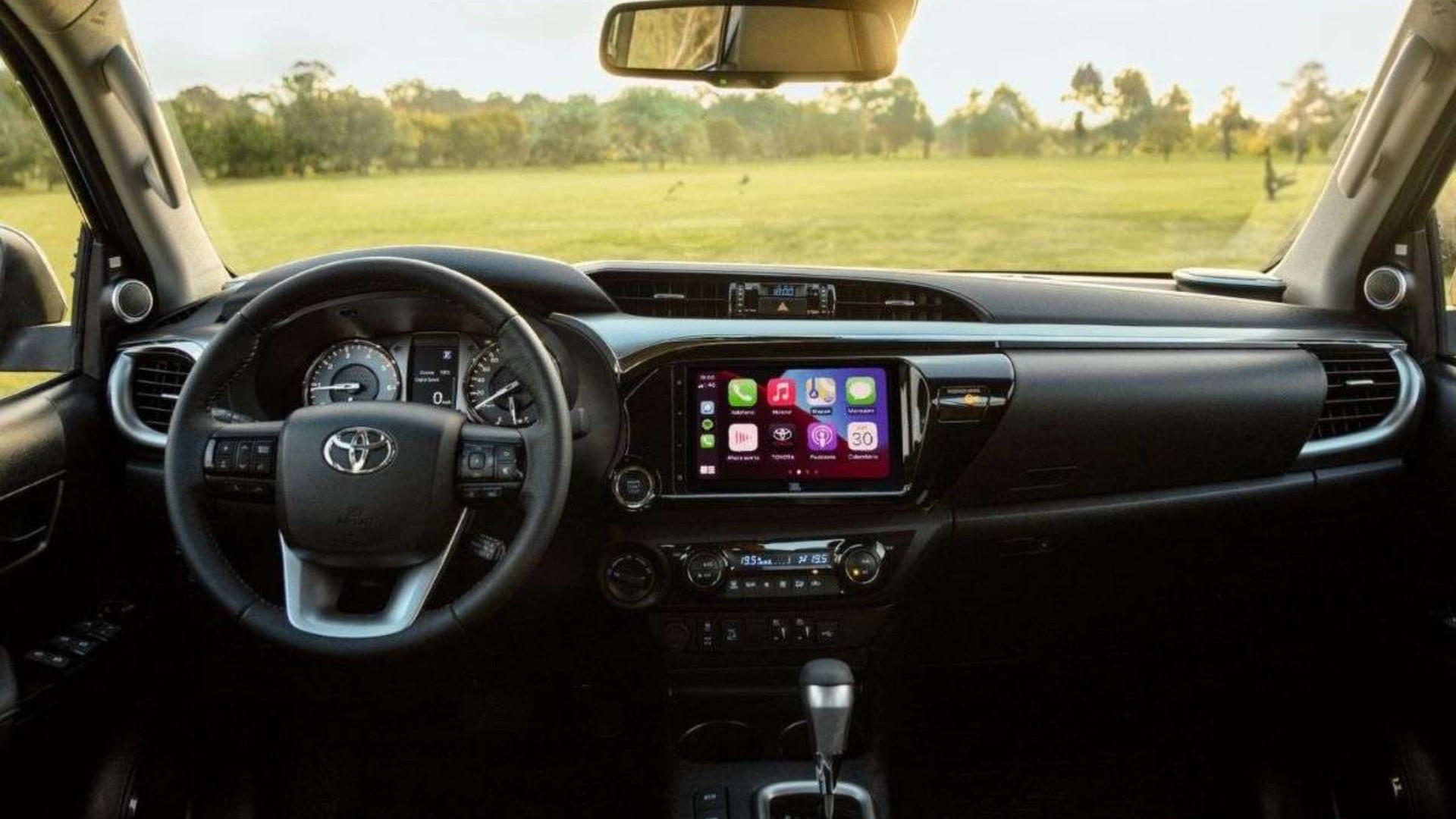
The Toyota Hilux is R$ 75.5 thousand cheaper and bets on the 2.8 turbodiesel engine with up to 204 hp and 50.9 kgfm to catch up with the VW Saveiro, which leads with 4,472 sales.

More than just numbers, the Corolla redefined the concept of a “family car.” It showed that it was not necessary to give up comfort or safety in the name of economy. Even today, successive generations continue to attract drivers of all ages, whether in developed countries or emerging nations.
Honda Civic: Style and Technological Innovation
Another highlight is the Honda Civic, launched in 1972, which showed the world that Japanese cars could be more than just practical: they could also be stylish and modern. With bold design and a focus on efficiency, the Civic became a reference among medium sedans.
It was one of the first models to popularize low emissions technologies, anticipating environmental discussions that would only gain traction decades later. In addition, sporty versions like the Civic Si helped win a legion of fans passionate about performance, creating an aura of youth and personality around the brand.
Nissan Skyline GT-R: The Affordable Supercar
In the 90s, Nissan showed that Japanese cars could also go head-to-head in the sports car universe. The Skyline GT-R, nicknamed “Godzilla” by Australians, made history by challenging European supermachines on tracks and roads, but at a more accessible price.
Its combination of all-wheel drive, high-performance turbo engine, and advanced electronics was revolutionary. The Skyline GT-R inspired generations of speed enthusiasts and gained cultural icon status in movies, video games, and the tuning scene. To this day, collectors compete for original units as true relics.
Mazda MX-5 Miata: The Roadster That Delighted the World
If in elite sports cars the Japanese already showed boldness, it was with the Mazda MX-5, launched in 1989, that they captured hearts definitively. Small, lightweight, and with rear-wheel drive, the Miata revived the charm of British roadsters from the 60s, but with Japanese reliability.
It demonstrated that driving could be fun even without excessive power. The driving experience, the feeling of freedom, and the affordable price made the MX-5 the best-selling roadster in history. To this day, it remains synonymous with driving pleasure, with loyal fans around the world.
Toyota Prius: The Pioneer of Electrification
If the 90s were dominated by the pursuit of performance and style, the late decade marked a shift towards sustainability. And it was again Japan that led this revolution. The Toyota Prius, launched in 1997, was the first mass-produced hybrid.
Combining an internal combustion engine and an electric motor, the Prius paved the way for a new era in the automotive industry. Even with some initial skepticism, it showed that it was possible to combine fuel economy, emissions reduction, and cutting-edge technology in an everyday car. Today, the entire race towards electrification owes much to this pioneer.
The Global Impact of Japanese Cars
These five models represent just the tip of the iceberg. Japanese brands like Toyota, Honda, Nissan, Mazda, and Subaru have proven that innovation does not have to be restricted to European countries or the United States. They democratized access to technologies once seen as luxuries and put the consumer at the center of attention.
More than that, Japanese cars taught the global industry that quality and reliability build lasting legacies. Looking back, it is clear that without Japan’s contribution, the current automotive landscape might be very different.
Reflection of Culture and Vision for the Future
The success of these vehicles is not only technical or market-driven. It also reflects cultural values of Japan: discipline, focus on the collective, pursuit of perfection in details, and respect for the consumer. Each mentioned model is a portrait of the work philosophy that placed the country on the map as a technological powerhouse.
As the world turns towards electric and autonomous cars today, it is impossible to ignore the Japanese heritage. The Prius opened the doors to electrification, the Civic demonstrated the power of innovation, the Corolla became synonymous with trust, the Skyline proved strength in sports cars, and the MX-5 redefined the enjoyment of driving.
The journey of these five icons reinforces that Japanese cars not only kept up with the transformations in the sector — they were protagonists in many of them. The future of mobility will undoubtedly continue to carry much of the vision and boldness that was born in Japan.









Seja o primeiro a reagir!