Portuguese
 Spanish


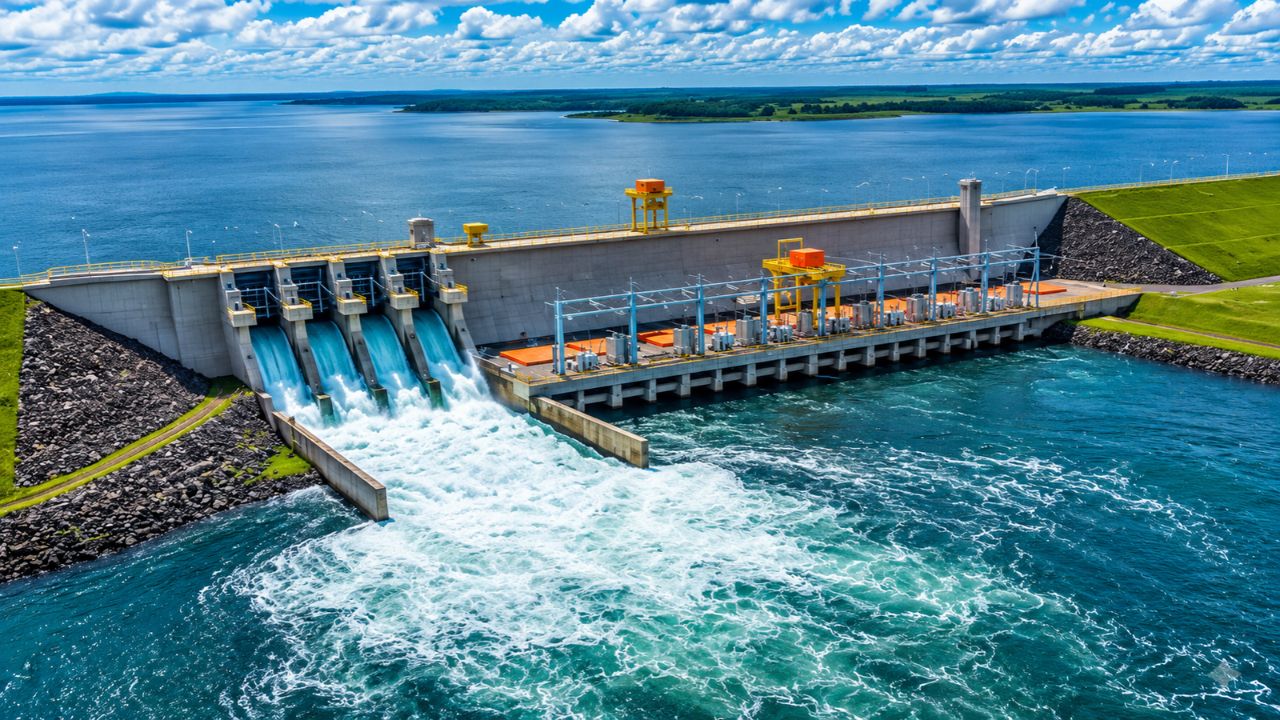

Brazil’s electricity regulator transfers Três Irmãos hydropower concession to Axia Energia. The 807.5-MW plant has room for three additional generating units.
Axia Energia officially became the concession holder for the Três Irmãos hydropower plant in the interior of São Paulo state after authorization from Brazil’s National Electric Energy Agency (Aneel), published in the Federal Official Gazette on Monday (23). With installed capacity of 807.5 MW, the plant was previously operated under a concession held by Tijoá Participações e Investimentos and has infrastructure in place for three additional generating units.
The approval follows a transaction worth approximately R$256 million that allowed the company to take full control of the hydropower plant. Its history includes changes in ownership, a billion-real dispute with the federal government, and investments in electricity generation and waterway transport.
How Axia Energia took full control of the Três Irmãos hydropower plant
Before consolidating ownership of the plant, Axia Energia was already connected to the project through Furnas, which took part in the concession auction in 2014. Três Irmãos was awarded to the Novo Oriente Consortium, the only bidder to submit an offer in the auction held on March 28 that year.
-
Gás Verde receives ANP approval to certify 160,000 cubic meters per day of biomethane production
-
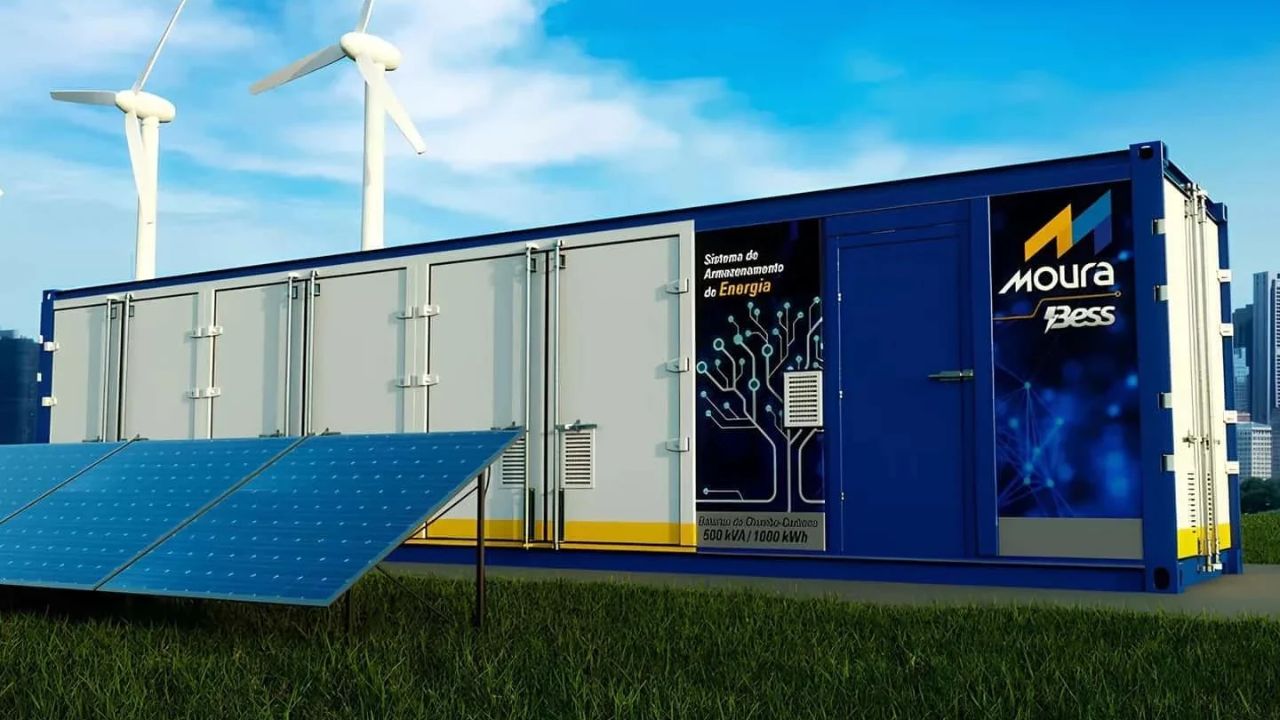
Moura Wins BNDES Approval for Battery Systems; Plans R$200 Million Investment in Pernambuco Plant

-
Brazil’s ANEEL approves rule that could reduce solar power discounts starting in 2027
-
99 offers drivers in six Brazilian states electricity-bill discounts of up to 34% through shared solar power

The Constantinopla Investment Partnership Fund held 50.1% of the consortium, while Furnas held the remaining 49.9%. The winners secured the right to operate the hydropower plant for 30 years, at the maximum annual amount of R$108.87 million set by Aneel for Annual Generation Revenue, with no discount applied.
Tijoá was established to manage the concession and has been responsible for the plant’s commercial operation since October 2014, until the recent changes in its ownership structure.
Axia Energia consolidated control in several stages:
- 2025: the company, then still using the Eletrobras name, announced its purchase of indirect control of Tijoá;
- January 2026: Aneel granted prior approval for the transaction;
- June 2026: the company completed its purchase of Mercúrio’s and Triunfo’s stakes in holding company Juno.
With the acquisition of the remaining stakes, the company became the sole owner of the hydropower plant. The company said the restructuring eliminated the need to maintain intermediate entities in the ownership chain.
Dispute over compensation for the plant ended in R$4.1 billion settlement with federal government
The hydropower plant’s history was also shaped by a financial dispute that ended in December 2022, when Auren Energia and the federal government reached a settlement to resolve a lawsuit that had begun eight years earlier.

Approved by the courts on the 7th of that month, the agreement set compensation at approximately R$4.1 billion, reflecting the adjustment by Brazil’s benchmark Selic interest rate of the historical amount of R$1.7 billion. Payment was scheduled in 84 monthly installments starting in 2023, using funds from the Global Reversion Reserve (RGR).
The dispute began when Três Irmãos’ first concession expired in November 2011. The former São Paulo Energy Company (CESP) temporarily remained in charge of the plant but rejected the renewal terms presented by the federal government the following year.
Changes introduced by Provisional Measure 579, later enacted as Law No. 12,783/2013, sought to lower electricity rates through a quota-based compensation model limited to operating and maintenance expenses.
Dissatisfied with the financial terms, CESP tried to block the new tender in court, but injunctions were overturned by Brazil’s Supreme Federal Court (STF) and Superior Court of Justice (STJ). In July 2014, the company sued in federal court in Brasília to recover about R$6.69 billion, including investments in the complex’s navigation infrastructure.
The rights related to the lawsuit later passed to Auren Energia, established in 2022, following CESP’s privatization in 2018 and its acquisition by the VTRM consortium, comprising CPP Investments and Votorantim Energia.
A 9.6-kilometer canal and expansion potential make the hydropower plant strategically important
Ranked seventh in capacity among hydropower plants in São Paulo state, Três Irmãos stands out for its potential to increase generation capacity by using civil infrastructure built earlier.
In addition to its five existing turbines, the plant has room for three more generating units. That feature could become important in planning for Brazil’s National Interconnected System (SIN), as the power sector faces the need to meet demand for capacity.
CESP began building the plant in July 1980, but financial difficulties forced the company to halt work several times before the facility was inaugurated on March 12, 1991.
The project, however, was not designed solely to generate electricity. It also incorporated engineering solutions to preserve vessel traffic in an area where the dam created a difference in elevation along the Tietê River.
One such solution was the construction of the Pereira Barreto Canal, which runs approximately 9.6 kilometers between the hydropower plant’s reservoir and the Ilha Solteira reservoir on the Paraná River. The connection enables the two reservoirs to operate as an integrated system, supporting regional energy generation.
Together with the lock built at the complex, this infrastructure supports part of the Tietê-Paraná Waterway, allowing cargo to move between areas of Brazil’s Central-West region and inland São Paulo state. Fertilizers, sugar and grain are among the products transported through the system, which brings together two major economic activities: power generation and river shipping.