Portuguese
 Spanish


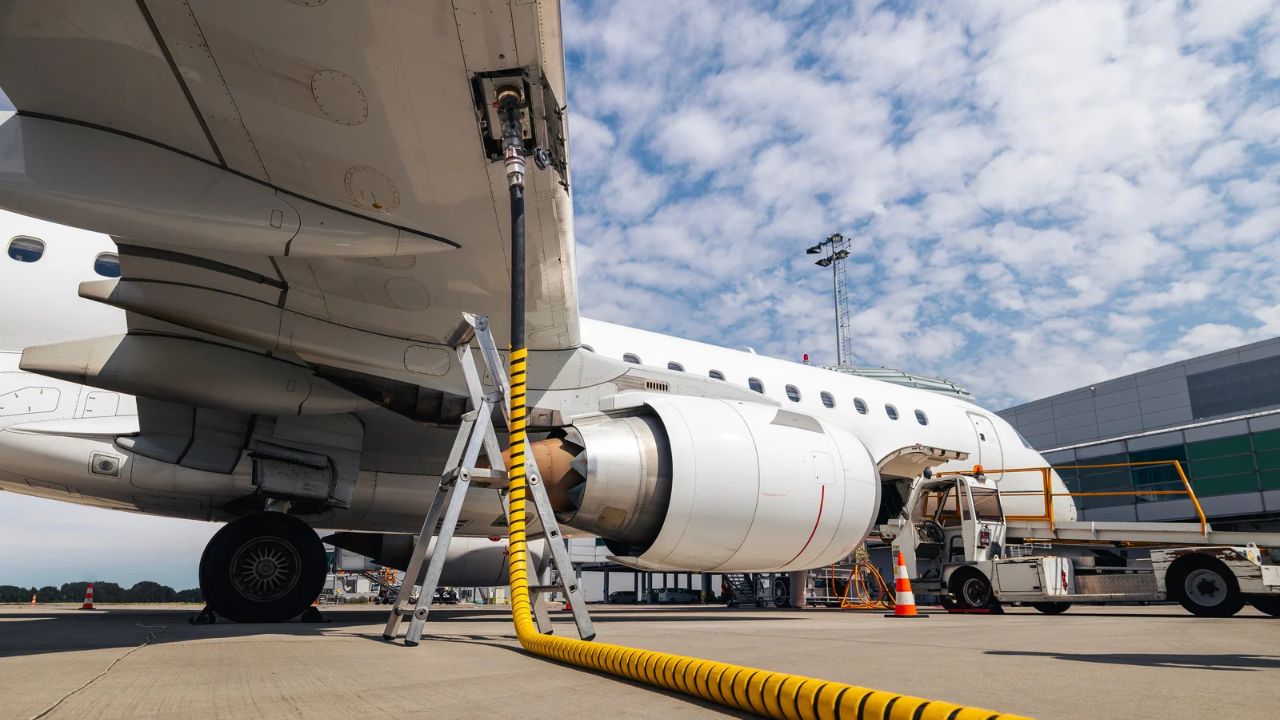

Airlines seek more time to adopt SAF in Brazil amid costs and supply challenges for sustainable aviation fuel.
With Brazil’s first aviation emissions-reduction targets approaching, airlines are calling for more time to adopt sustainable aviation fuel (SAF). The industry says costs and supply challenges make it difficult to meet requirements set for 2027, while Brazil’s federal government intends to preserve the timeline established by the Future Fuels Law.
Airlines cite challenges to expanding SAF use in Brazil
Concerns about supply persist despite projections for growth in Brazilian production. A forecast reported by CNN indicates that the country could produce 2.1 billion liters of sustainable fuel a year by 2030.
For Juliano Noman, president of the Brazilian Association of Airlines (Abear), expanding the supplier network is essential because airlines cannot rely exclusively on Petrobras to buy the product.
-
Ethanol production soars 37.2% in Brazil’s North and Northeast to nearly 1.9 billion liters despite reduced sugarcane crushing

-
Argentina Approves Genetically Modified Yeast Promising More Ethanol from the Same Amount of Grain
-
India could save $20.6 billion annually with biogas, but 75% of projects remain inactive
-
India announces five biomethane plants with a 7.5 billion-rupee investment and output of 110 tonnes per day


The adjustment period is also a concern for Latam CEO Jerome Cadier, who told CNN the industry would need another year to prepare, saying it cannot begin the transition under current conditions in January 2027.
Despite the industry’s requests, Ports and Airports Minister Tomé Franca said the government is not considering changing the legal timeline at this time. While acknowledging the financial impact of the energy transition on companies, the minister supports keeping the targets in place.
That does not mean, however, that sustainable fuel will necessarily begin to be used in January. Franca stressed that its adoption depends both on regulatory progress and on the conditions needed to put the measure into practice.
The government’s position therefore distinguishes between maintaining the environmental commitments set out in law and airlines actually beginning to use the fuel.
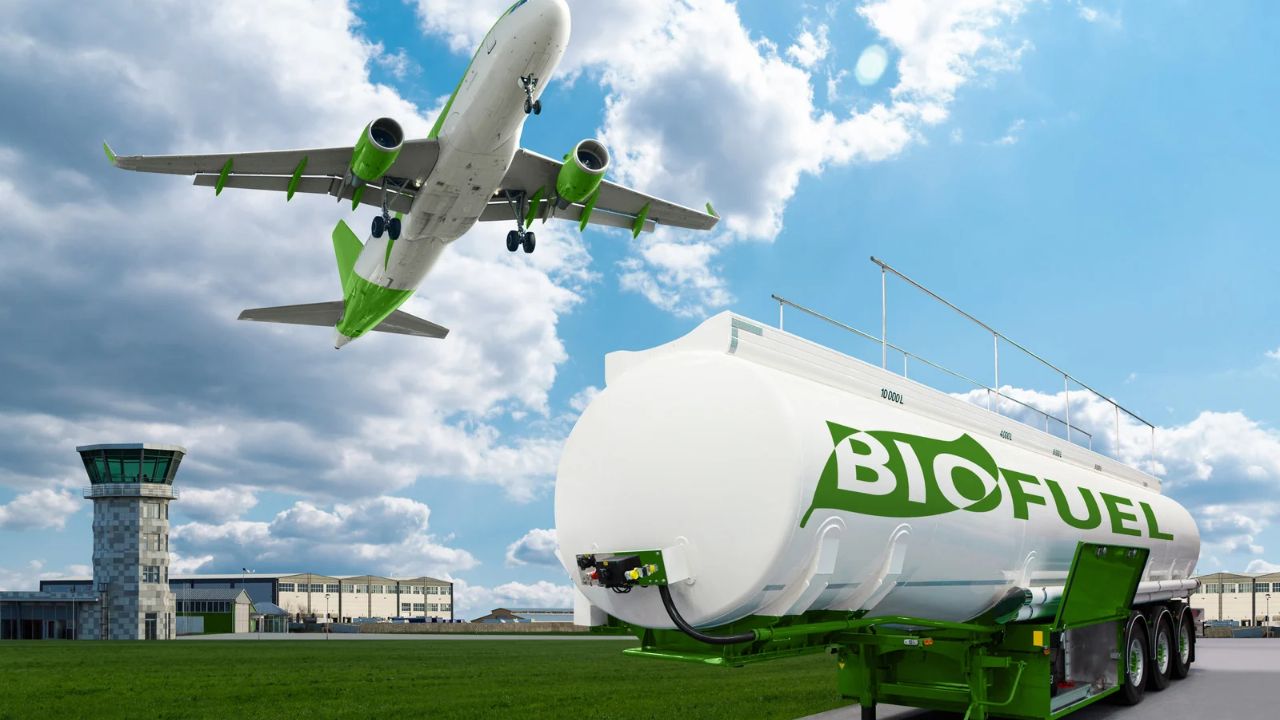
Sustainable fuel regulations still depend on decisions by Brazil’s oil regulator
Brazil’s Future Fuel Law sets progressive environmental commitments for domestic aviation. Starting in 2027, airlines will have to reduce their greenhouse gas emissions by 1%, with the percentage gradually increasing to 10% by 2037.
Compliance with the law is tied to the environmental performance of flight operations, without specifying how much sustainable aviation fuel (SAF) must be included in aircraft refueling.
Two federal agencies are responsible for regulating the program, each with distinct duties:
- Brazil’s National Agency of Petroleum, Natural Gas and Biofuels (ANP): setting criteria for fuel sales, certification and traceability.
- Brazil’s National Civil Aviation Agency (Anac): establishing procedures to inspect, monitor, verify and report on emissions-reduction targets.
The two agencies have until December 18 to publish the regulations, under the deadline set by the decree that implemented the program.
One part of the process moved forward on November 17, when Anac published Resolution No. 820, setting procedures for monitoring airlines’ environmental obligations.
The industry is now waiting for the ANP to publish its rules. Those regulations are one of the remaining steps needed to enable the adoption of sustainable aviation fuel in Brazil’s aviation sector.
Source: CNN