





 Portuguese
  English
  Spanish
  5 min of reading
  1 comment


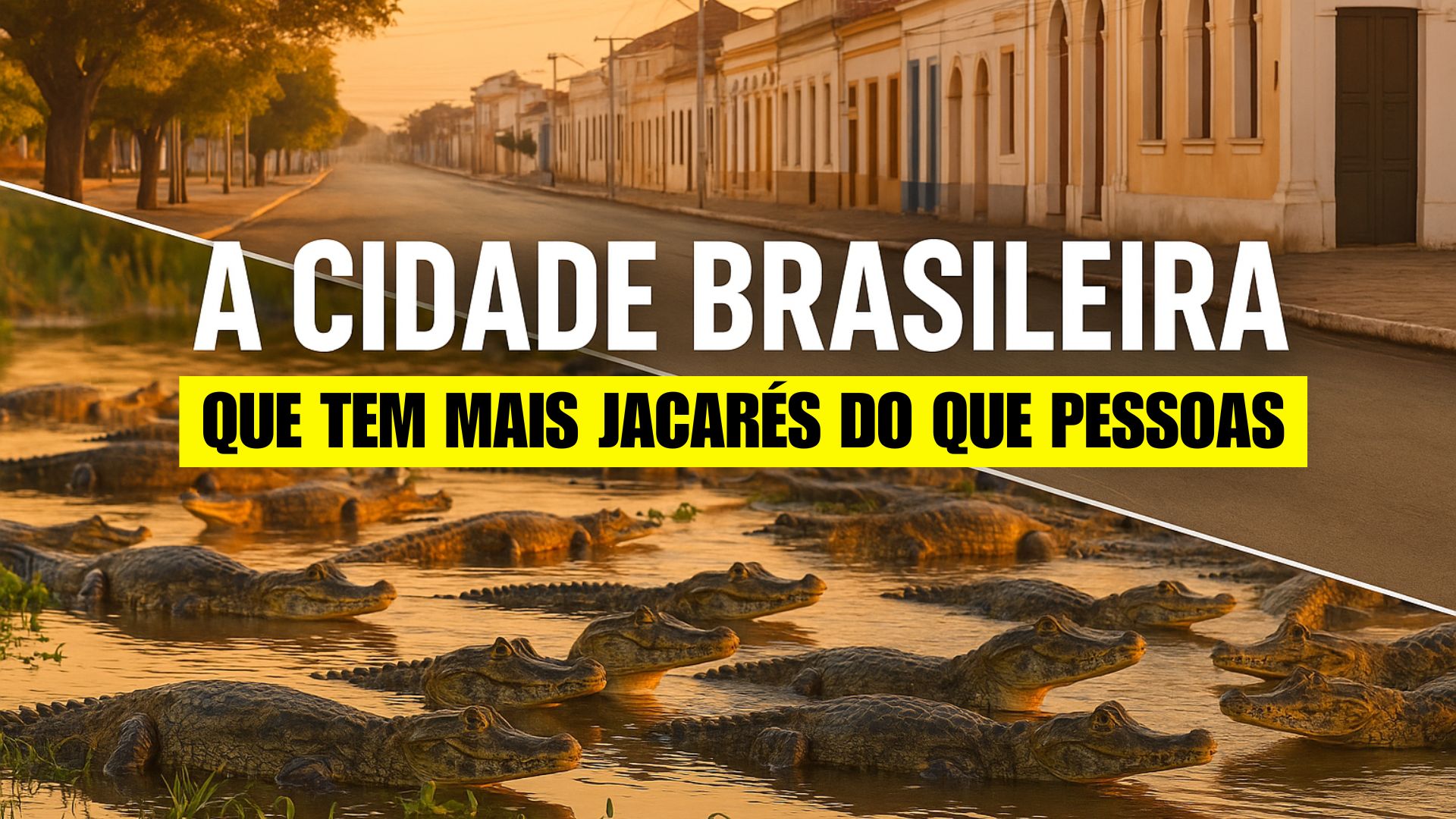


In one of the largest territorial extensions of the country, Corumbá, in Mato Grosso do Sul, houses millions of caimans spread across the Pantanal, but coexistence with the urban population is minimal, according to experts and environmental agencies.
Corumbá, in Mato Grosso do Sul, concentrates two contrasting characteristics: about 96 thousand inhabitants and an estimated population of millions of caimans in its territory.
The location on the edge of the Brazilian Pantanal, the largest continental wetland area in the world, explains the high number of these reptiles.
Although estimates indicate that there are more caimans than people, experts clarify that these animals mainly live in natural areas and rarely approach the urban zone.
-
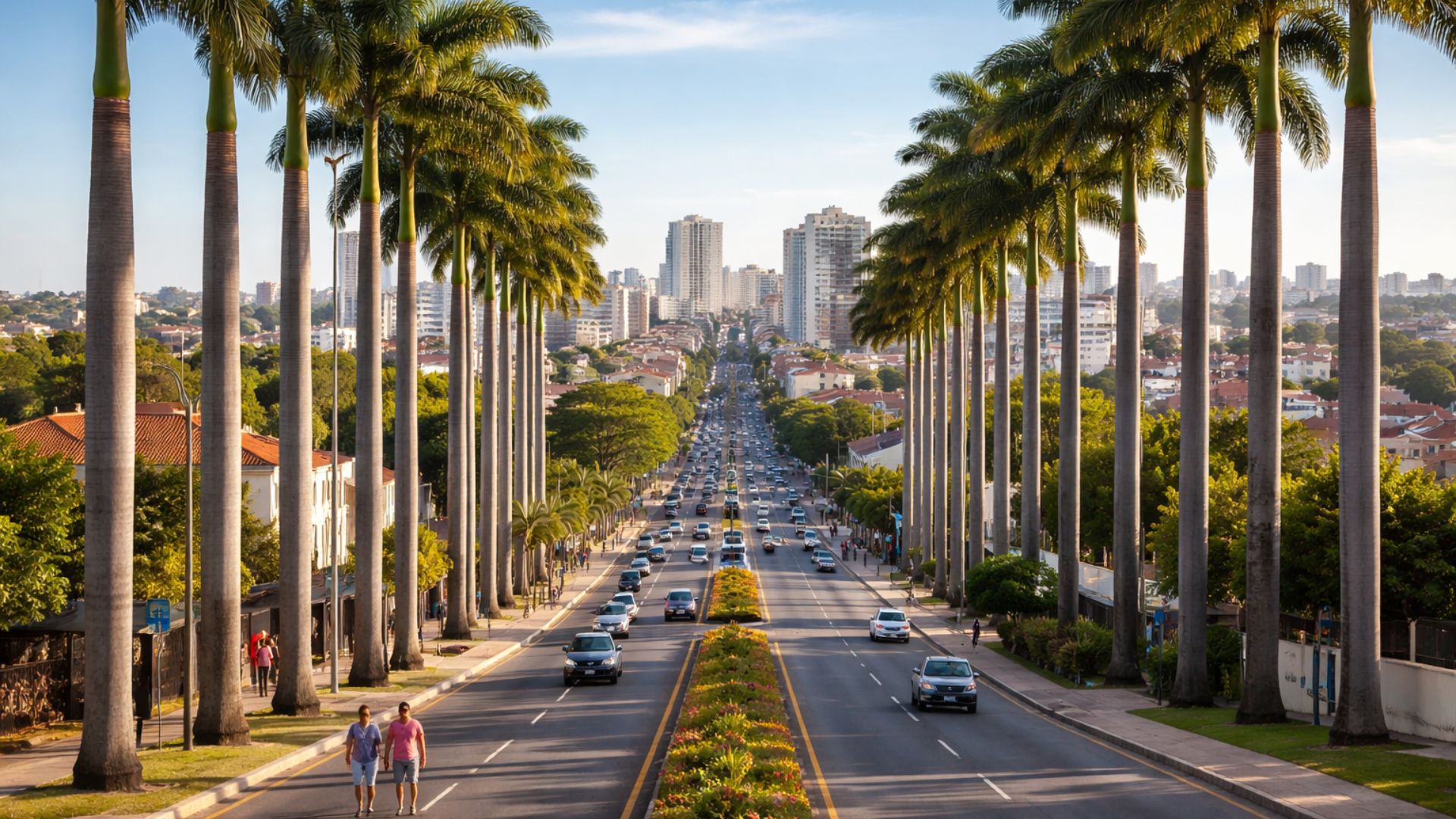
The USA invaded Brazil to create a city: founded after the war, the municipality of 250,000 inhabitants is the safest in São Paulo.
-
With a length of 399.9 meters and a capacity for over 24,346 containers, the MSC Irina becomes the largest ship in the world and revolutionizes global maritime transport.

-
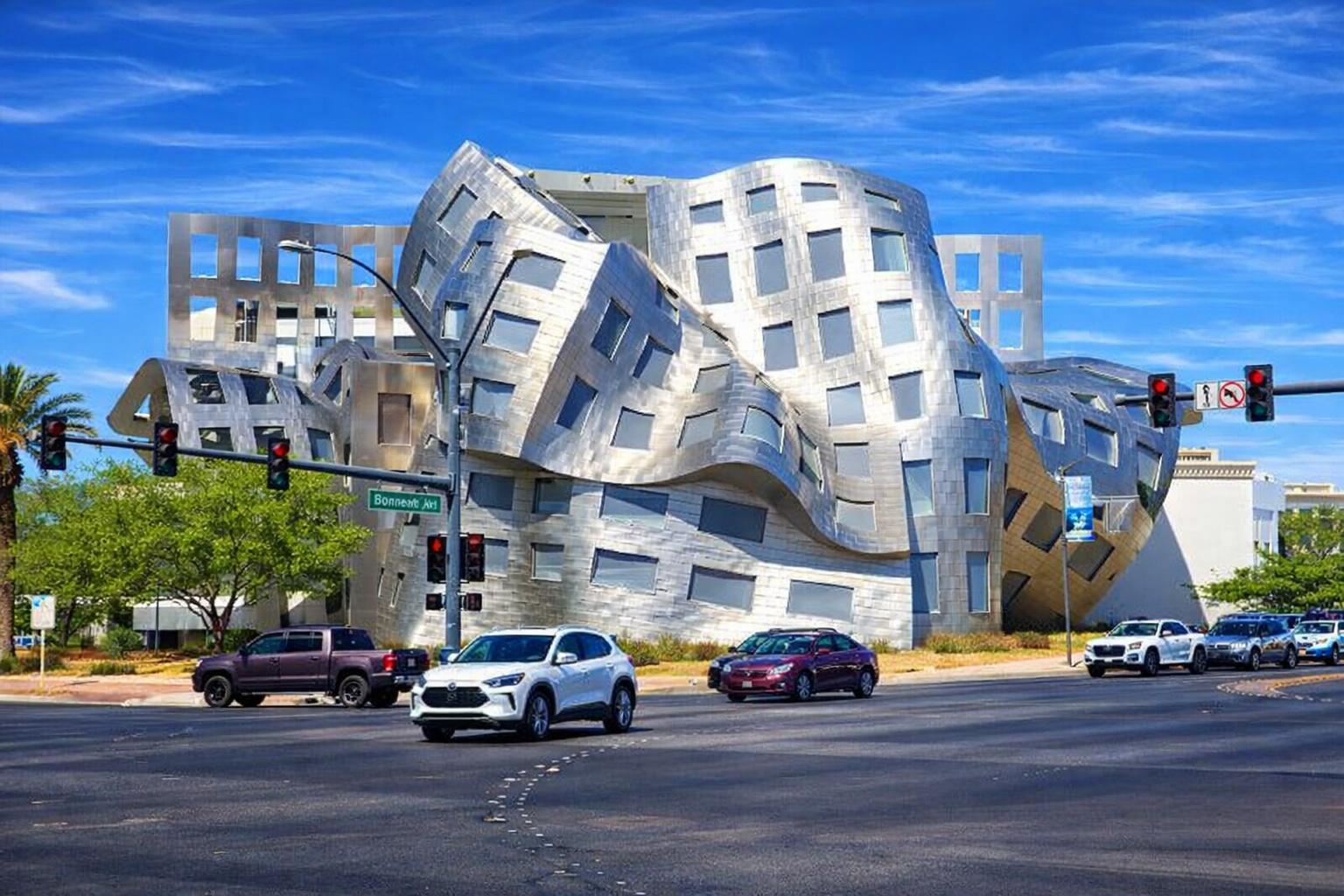
With nearly 6,000 square meters and an investment of $100 million, the building that seems to move in Las Vegas has a reflective stainless steel façade, creates optical illusions, and has become a symbol of creativity worldwide.
-
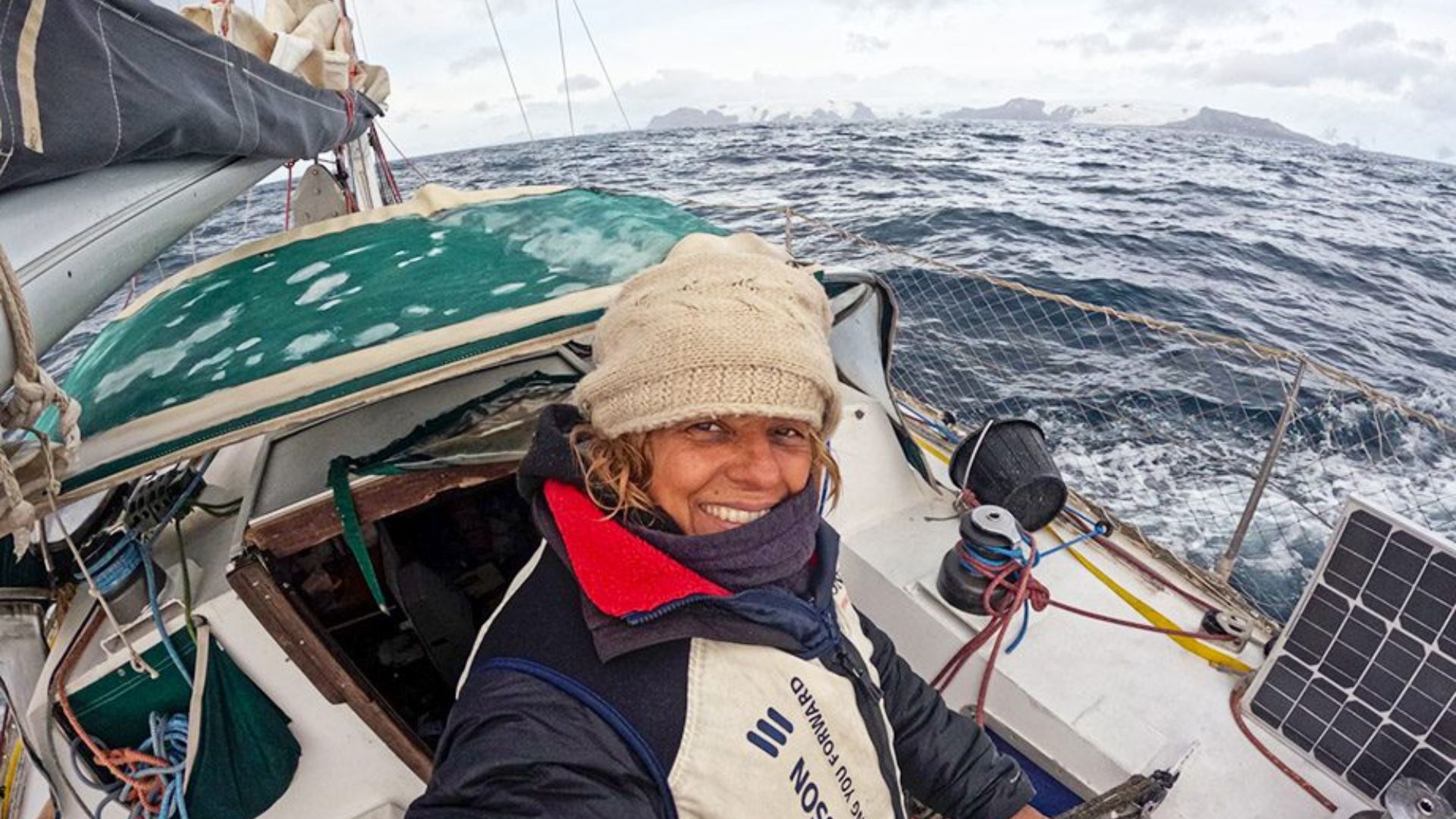
From Florianópolis to Antarctica non-stop at 60 years old: 1st Brazilian woman to sail solo makes history by facing one of the most dangerous routes on the planet.

Territorial Extension and Favorable Environment
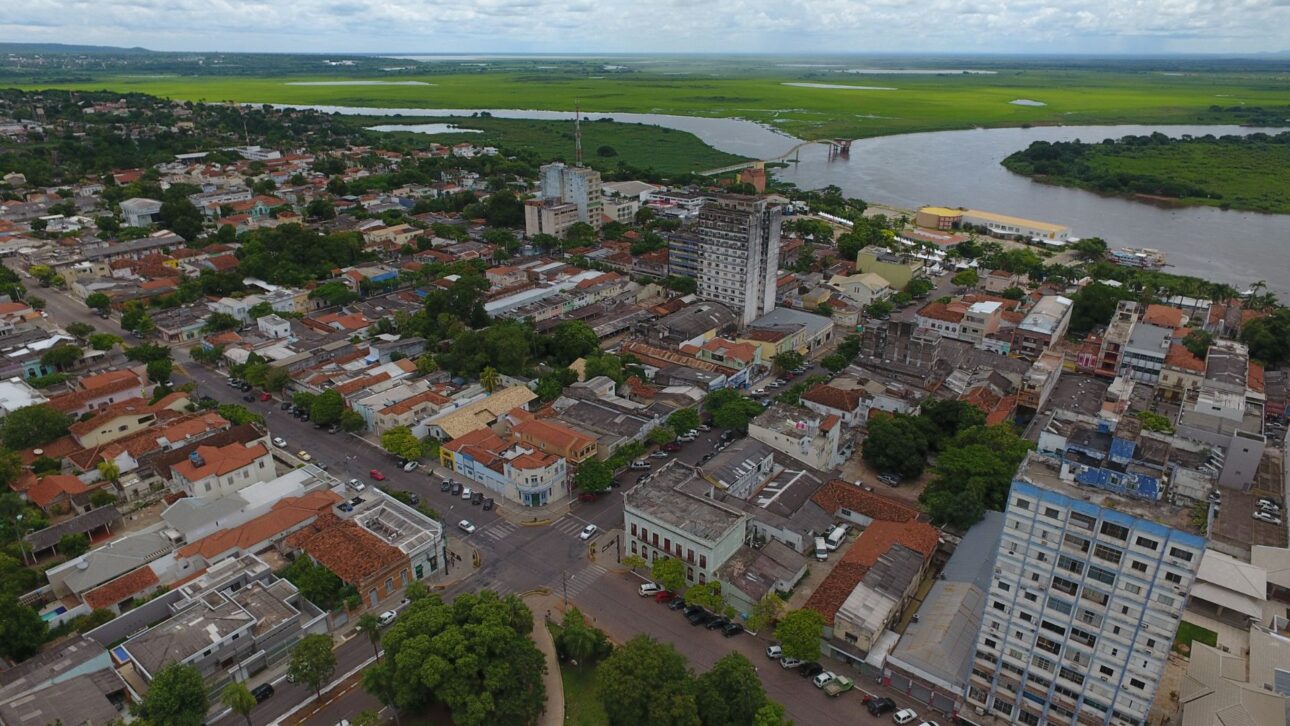
The municipality of Corumbá covers more than 64 thousand square kilometers and is among the largest in the country in terms of area.
The majority of this area consists of flooded regions and native vegetation, an ideal habitat for the development of caimans.
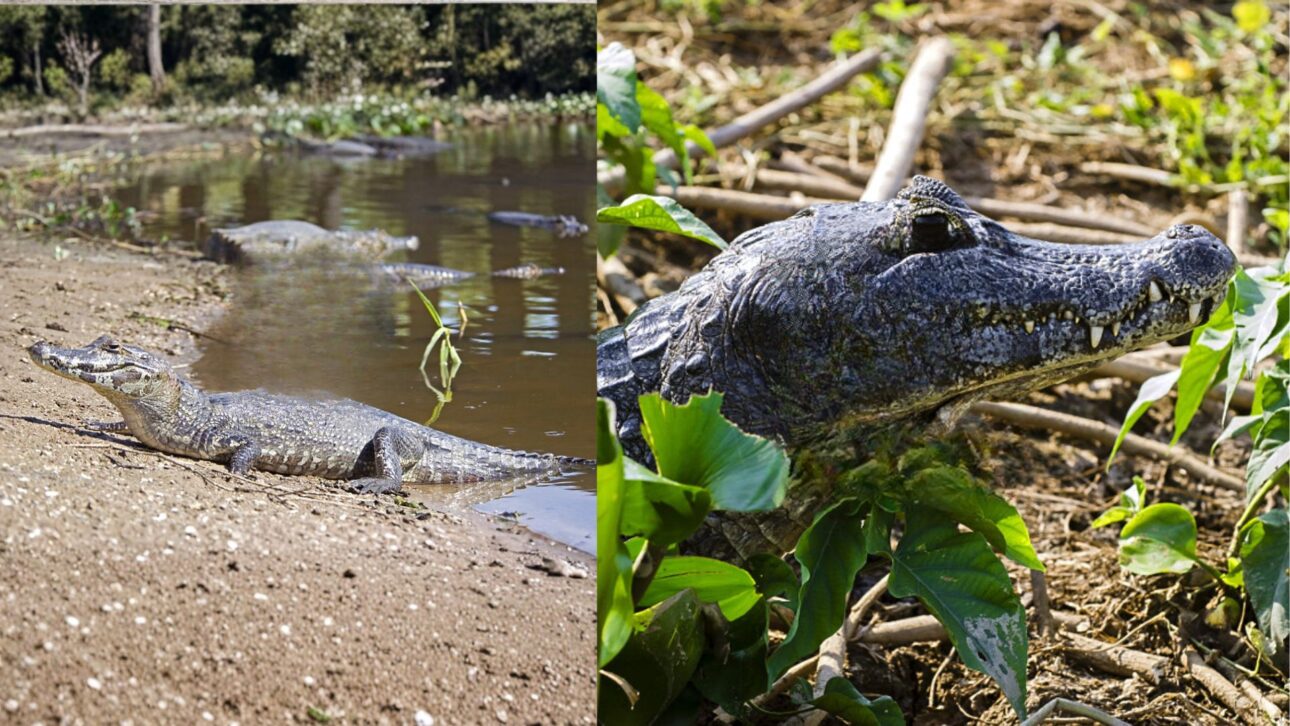
According to researchers from the Chico Mendes Institute for Biodiversity Conservation (ICMBio), the environmental conditions of the Pantanal — which include abundant food, plentiful water, and high temperatures — create a suitable setting for the large concentration of these animals.
Rare Presence in Urban Areas
Despite the fame of “City of Caimans,” experts assert that the reptiles are not part of the urban routine.
Populations are concentrated along the banks of rivers, bays, and interconnected lagoons, far from inhabited areas.
Even during the flooding period, when water spreads and links water bodies, caimans tend to remain in their natural habitats, where they find food and shelter.
Instances of appearances in streets or neighborhoods are considered sporadic and usually occur in transition zones between the wild environment and the urban perimeter.
Flood Cycle and Animal Behavior
Between November and March, the Pantanal goes through its flood cycle, a phenomenon that alters the behavior of the fauna.
According to biologists from the Federal University of Mato Grosso do Sul (UFMS), the expansion of flooded areas facilitates the movement of caimans and increases food availability, which disperses populations and reduces the likelihood of encounters with humans.
This natural process is essential for the reproduction and maintenance of the species, but does not pose a risk to the population of the Pantanal cities.
Ecological Function of Caimans
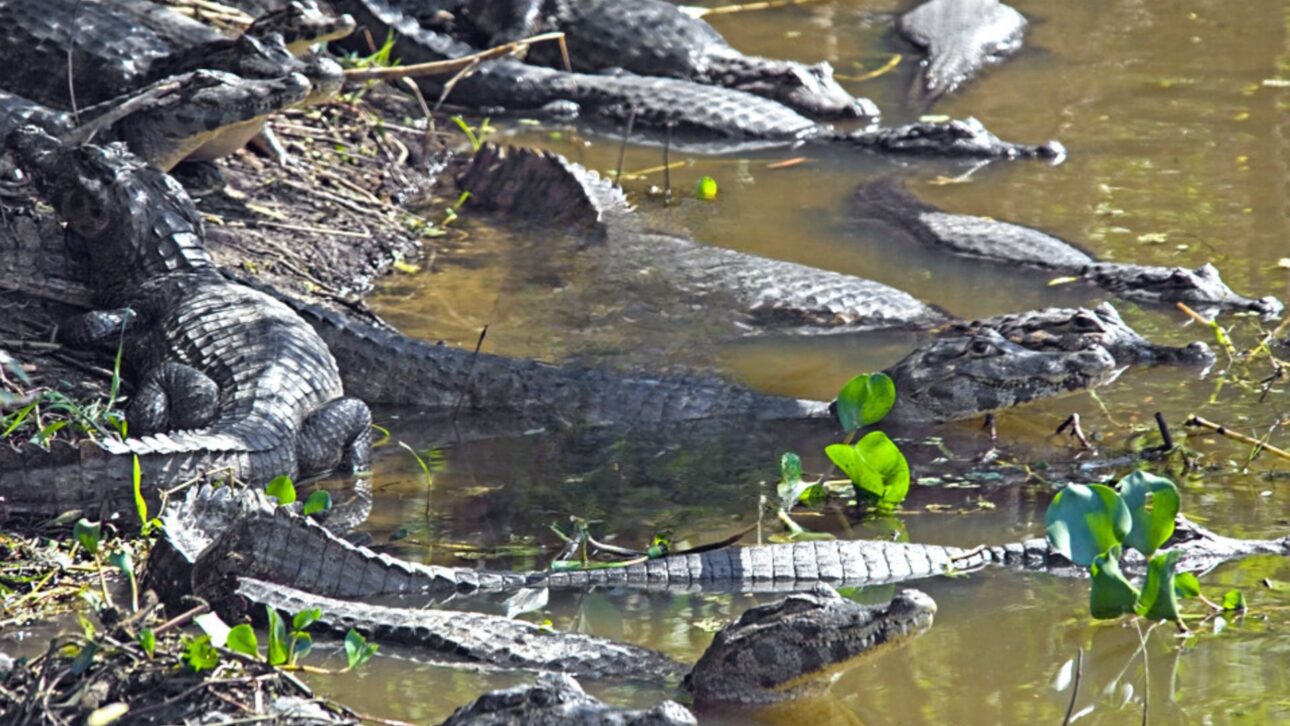
Researchers highlight that the Pantanal Caiman (Caiman yacare) plays an important role in regulating local food chains.
By feeding on fish and small vertebrates, the animal helps balance aquatic ecosystems.
According to ICMBio, it is a species that generally exhibits reserved and non-aggressive behavior, avoiding contact with people and only reacting when threatened.
There are no records of recurring attacks on humans in the Corumbá region.
Corumbá and Coexistence with the Biome
Corumbá maintains a close relationship with the Pantanal.
The city is considered one of the main gateways to the biome, attracting tourists interested in sport fishing and wildlife observation.
Local environmental and tourism authorities explain that coexistence occurs in a balanced manner, with attention to the preservation of natural areas.
Although part of the economy depends on natural beauty and proximity to rivers, the urban environment remains separate from areas where caimans live.
Facts and Perceptions About Appearances
Reports of caimans “strolling” through Pantanal cities are frequent on social media, but usually refer to areas close to rivers and ports, according to the Environmental Military Police of Mato Grosso do Sul.
In Corumbá, appearances occur mainly on banks of streams or rural roads, and not in residential neighborhoods.
Experts warn that the territorial dimension of the municipality — one of the largest in the country — contributes to the notion that animals are everywhere, when in reality, they remain restricted to flooded zones.
Habitat and Natural Dynamics
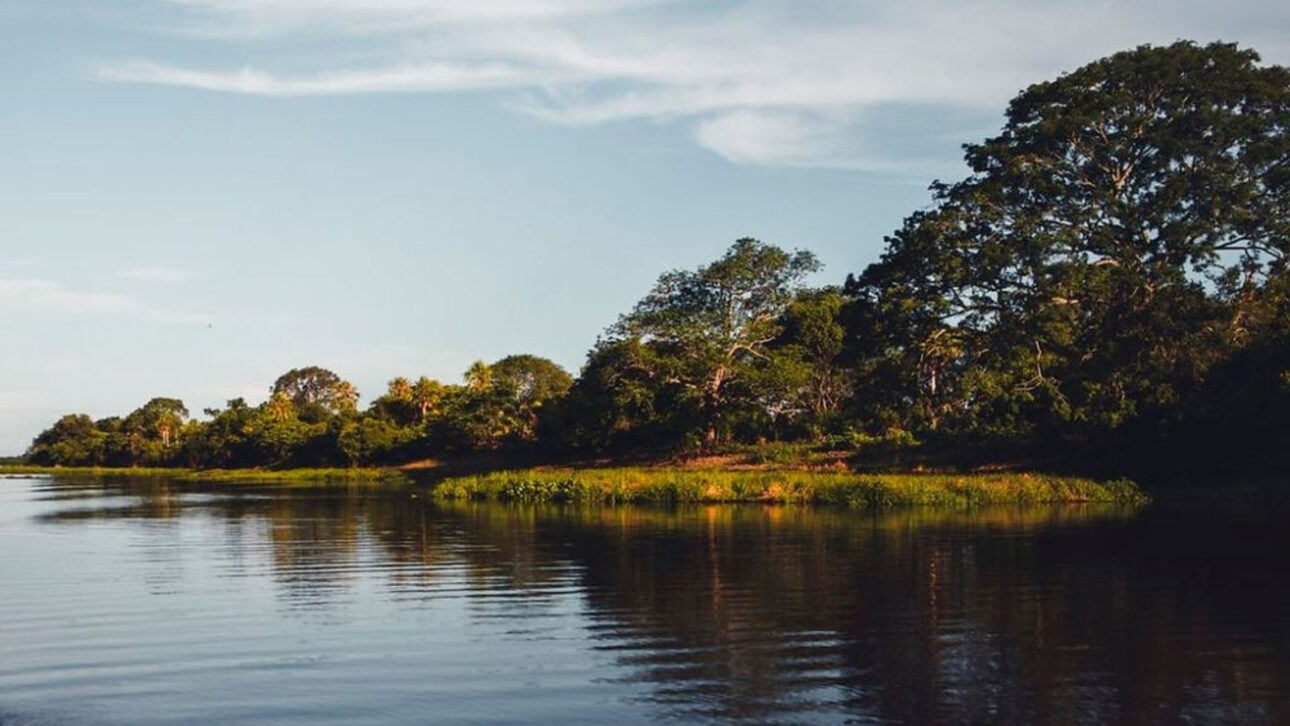
The areas that house the millions of caimans described in scientific studies are located in the flooded plains and near the major Pantanal rivers.
Aquatic vegetation and high fish productivity ensure a constant food supply, allowing for high density of individuals.
As explained by technicians from the Institute of Environmental Affairs of Mato Grosso do Sul (Imasul), this abundance is an indicator of the ecological health of the Pantanal, since caimans are top species in the food chain and reflect the balance of the ecosystem.
Environmental Education and Safe Coexistence
Environmental education projects conducted in schools and riverside communities of Corumbá aim to guide residents and tourists on how to act when spotting a caiman.
Recommendations include keeping a distance, avoiding feeding the animals, and not attempting to capture them.
According to the Municipal Secretariat of Environmental Affairs, peaceful coexistence between humans and caimans depends mainly on the respect for the natural limits of each species.
Conservation Challenges in the Pantanal
The Pantanal faces threats related to climate change, wildfires, and agricultural expansion.
Researchers emphasize that changes in the flooding regime may affect the availability of food and the breeding areas of caimans.
For biologist Luciano Queiroz, from Embrapa Pantanal, “if the flooding rhythm changes drastically, the entire balance of Pantanal fauna will be impacted.”
The conservation of the species, according to him, is directly linked to the preservation of the natural water cycle.
Current Portrait of Corumbá and the Pantanal
The most recent picture shows that Corumbá maintains a safe distance between urban life and wildlife, according to state and federal environmental agencies.
The massive presence of caimans is characteristic of the flooded zones, not the urban perimeter.
Thus, the fact that the municipality has more reptiles than inhabitants reflects the territorial scale and ecological balance of the Pantanal, rather than a daily risk for the population.







Que bom que não são agressivos e fogem da presença humana. Diferente do Crocodilo. Até neste sentido, a Natureza e sábia.