





 Portuguese
  English
  Spanish
 5 min of reading
  9 comments


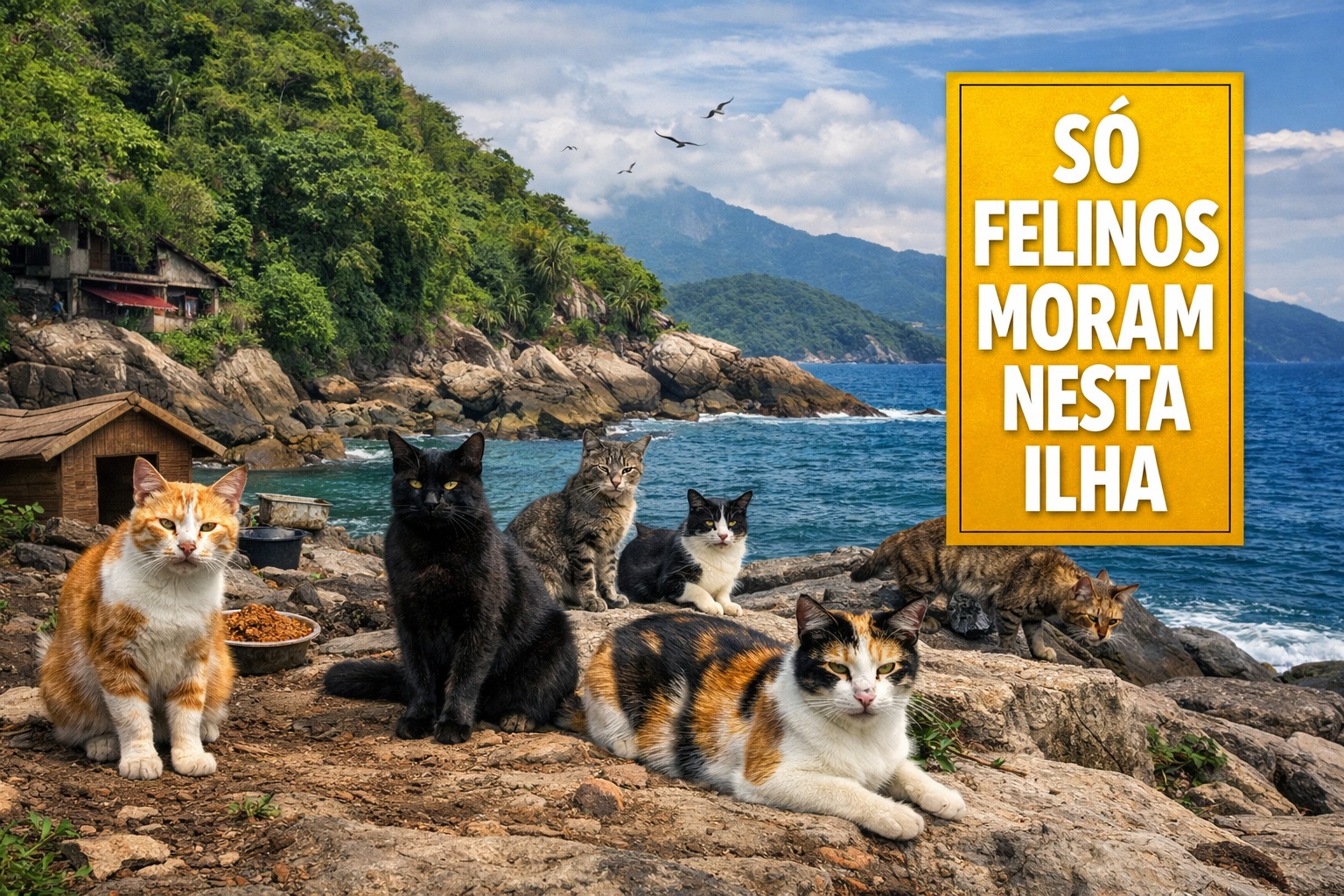


Isolated Up to 8 Kilometers from the Continent, Furtada Island, in Mangaratiba, Gathers Abandoned Cats Since the 1940s, Faces Accelerated Growth of the Feline Population, Environmental Imbalance, Sanitary Control Difficulties, and a New Increase in Dumpings During the COVID-19 Pandemic, Involving NGOs, City Hall, and the State Government
On the southern coast of Rio de Janeiro, cats abandoned since the 1940s have multiplied on Furtada Island, in Mangaratiba, creating a population estimated in the hundreds and revealing a growing problem of abandonment aggravated during the pandemic.
Origin of Feline Isolation on the Costa Verde
Furtada Island is located no more than 8 kilometers from the mainland, right in the tourist route of Angra dos Reis Bay, surrounded by lush green waters.
Despite the attractive landscape, the place draws attention for the mystery surrounding the massive presence of cats living in isolation and in the wild.
-
A promise made to their father led three men to unearth a forgotten house that had been swallowed by time for over 70 years, in a story of memory, abandonment, and reconstruction that seems straight out of a movie.

-
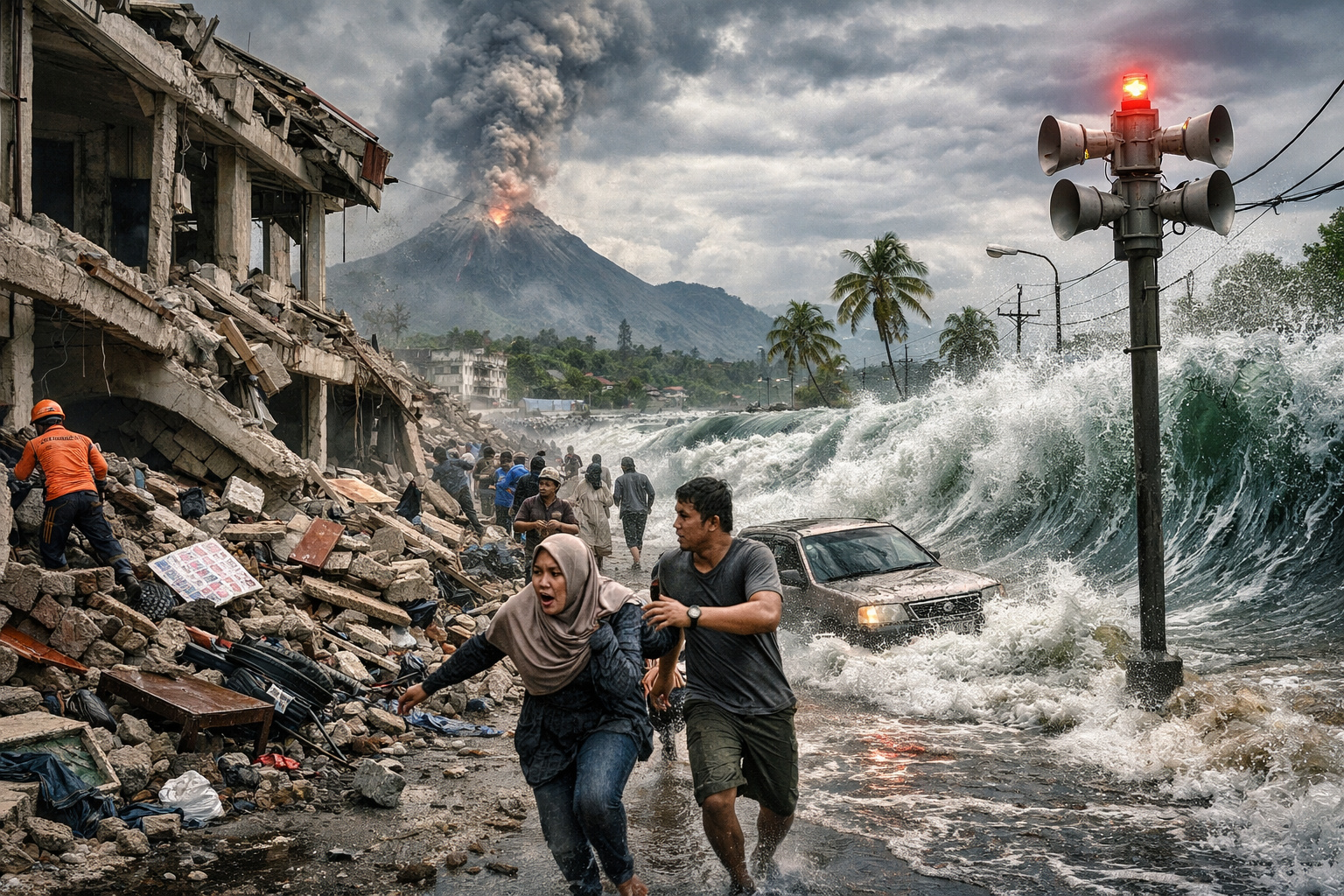
A strong earthquake in Indonesia affects houses and schools, causes panic, triggers a tsunami alert, and records a rise in sea level of up to 30 centimeters in some areas.
-
The Argentine government celebrates the lowest poverty rate in 7 years, but experts warn that the methodology has changed, real wages have fallen, unemployment has risen, and the number of people on the streets of Buenos Aires has increased by 57% since Milei took office.

-
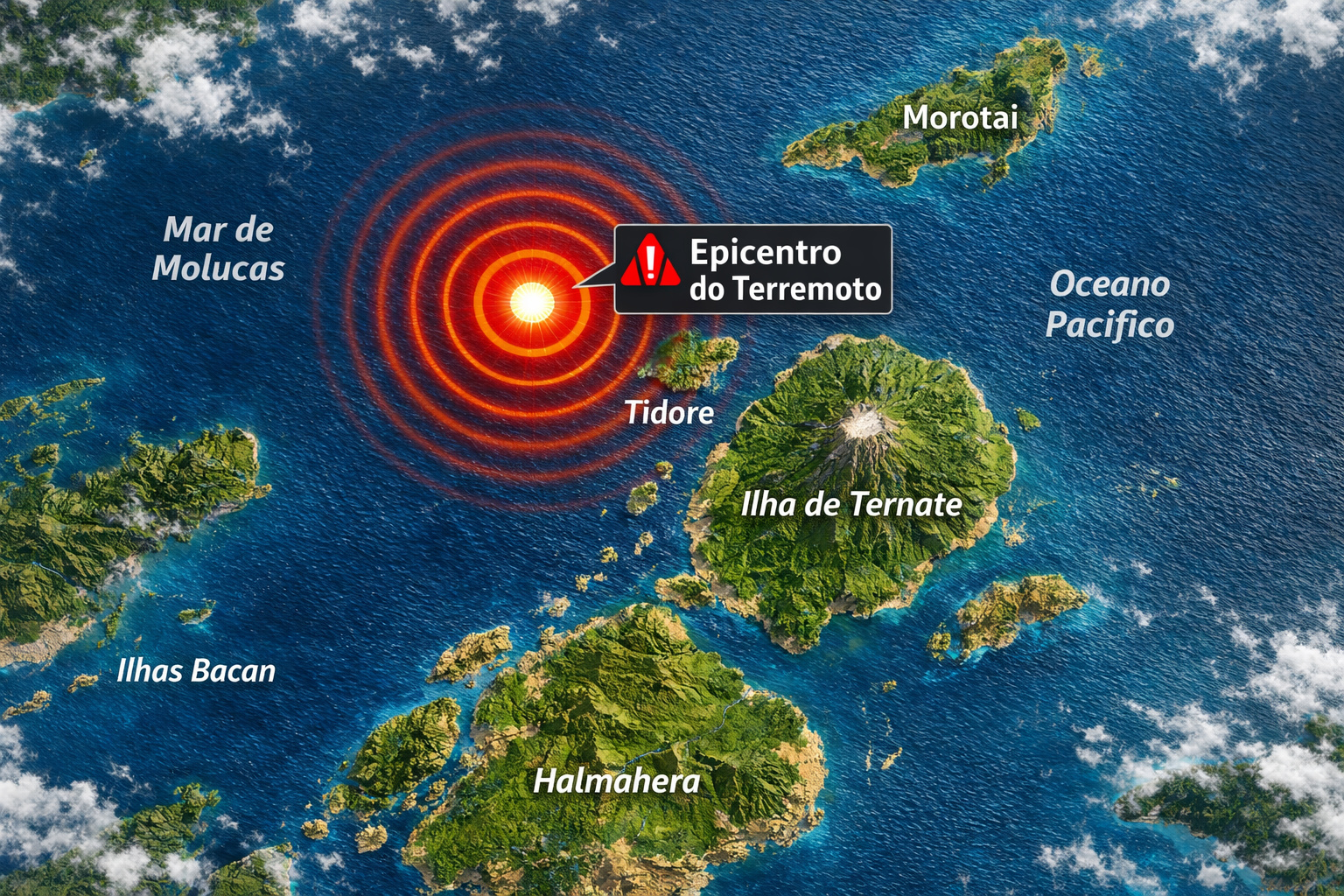
7.8 magnitude earthquake in Indonesia frightens the population, triggers tsunami alert, and hits an island with over 200,000 inhabitants this Thursday.

According to regional historians, a family tried to settle on the island in the late 1940s but faced logistical problems.
Unable to adapt, the residents returned to the mainland to live in Rio, leaving behind the cats they had brought.
Trapped in the middle of the sea, without easy access to food or human shelter, the animals began to survive alone on the insular territory.
As the years went by, that small initial family began to reproduce rapidly, occupying the entire stretch of the island.
Occasional visitors began to notice not only an increase in numbers but also visible changes in the size and behavior of the cats.
Described as larger and wilder than common domestic animals, the felines attracted attention for their extreme adaptation to the hostile environment.
Accelerated Growth and Control Difficulties
In 2012, the population of cats on Furtada Island was estimated at 250, according to surveys conducted at the time.
Years later, the Undersecretariat for Animal Protection and Welfare of the State of Rio de Janeiro estimated that 750 cats lived on the island.
The number is considered approximate, as the characteristics of the terrain and the skittish behavior of the animals prevent an accurate count.
The area known as Cat Island has just over 5 kilometers in circumference and has no beaches, only rocks and dense forest.
There are no natural sources of drinking water, and human access is difficult, which complicates the survival conditions of the felines.
What might seem like a curious story has turned into a nightmare for Supan, environmental organizations, the municipality, and the state government.
The island has become a dumping ground for animals, especially during the COVID-19 pandemic.
To cut costs, due to lack of space or out of cruelty, people travel to the island to abandon their pets.
Impacts of Recent Abandonment and Emergency Actions
The integration of abandoned tame cats is traumatic, as they face wild animals, food scarcity, and almost no water.
Veterinarian Joyce Puchalski, coordinator of Animal Heart, states that understanding these difficulties is essential, especially in times of pandemic.
According to Puchalski, there is no natural water available on the island, not enough food exists, and very few humans approach due to fear.
To minimize suffering, volunteers have improvised shelters and feeding spots in strategic locations on the terrain.
Containers for collecting rainwater, the only available source for the cats to drink regularly, have also been installed.
During recent visits, small houses have been set up to protect the animals from the cold, damp, and windy nights of winter.
The health secretary of Mangaratiba, Sandra Castelo Branco, stated that Cat Island has become a municipal problem.
She emphasized that the disproportionate growth of the feline population is concerning, despite the spay/neuter campaigns that have been implemented.
The capture of the animals is difficult, and the lack of cooperation from the population, which continues to abandon cats, complicates any effective control.
According to Castelo Branco, it is evident that the cats were taken to the island, as they do not like water or swimming.
Genetic Evidence and Environmental Imbalance
Amélia Oliveira, founder of Veterinário na Estrada, has been monitoring the situation for nearly five years and points to clear signs of new abandonments.
She states that studies on color variations and genetics of the kittens prove the frequent arrival of new cats.
Oliveira emphasizes that female cats go into heat four times a year, which would already be sufficient to cause accelerated growth.
Even so, residents continue to abandon animals, ignoring campaigns from NGOs and the city hall, which visibly irritates her.
One of the main problems of overpopulation is the imbalance caused to the local fauna of the island.
Rodents, capybaras, lizards, and migratory birds share space with the felines, altering the natural dynamics of the ecosystem.
The cats consume eggs and nestlings of birds, while larger lizards even attack smaller cats, creating an atypical cycle.
Veterinarian Viviane Costa, from Supan, states that this imbalance is unusual and occurs because the cats should never have been there.
An Expanded Portrait of Animal Abandonment
The situation on Cat Island reflects a broader scenario observed throughout the state of Rio de Janeiro.
According to Karla de Lucas, director of Supan, about 3 million pets are abandoned in the state.
During the pandemic, this number increased by 40%, according to an alert she released on social media.
De Lucas emphasizes that animals feel cold, hunger, and fear, and should not be treated as disposable trash.
Periodically, expeditions of veterinarians take cats to the mainland for spaying/neutering and vaccination, but the work is limited.
The animals are difficult to capture, flee upon seeing humans, and can attack when they feel cornered.
Fishermen and tour guides avoid the island, both due to fear of the cats and stories of spells associated with the place.
Andreia Mendes, founder of Resgatinhos, explains that adults are already too skittish for adoption, and returning them to the island is inevitable.
The NGO prioritizes the rescue of kittens, who still have a chance of adaptation, while adults remain dangerous.
Decades ago, Cat Island was for sale for over 10 million dollars, but today it symbolizes a persistent problem.
Although cats are common on Brazilian islands, this is the only one inhabited exclusively by felines, without permanent human presence.
With information from AA.Com.








Doesn’t trump want this island?
Sim, para enfiar no seu c_Ú
Povo **** , se estão se multiplicando, sinal que não precisam ajuda , vão lá na ilha das cobras levar alimentos , lá tem uma cobra por metro quadrado, precisam de mais ajuda, kkkk!
Você já deu meia hora de cú hoje? Vai **** seu ****
Você já deu meia hora de cú hoje? Vai xupar uma p_i_c_a seu a_r_rò_m_b_a_d_o
Muito triste o poder público do Rio de janeiro, não faz nada pelos animais.