





 Portuguese
  English
  Spanish
  4 min of reading
  3 comments


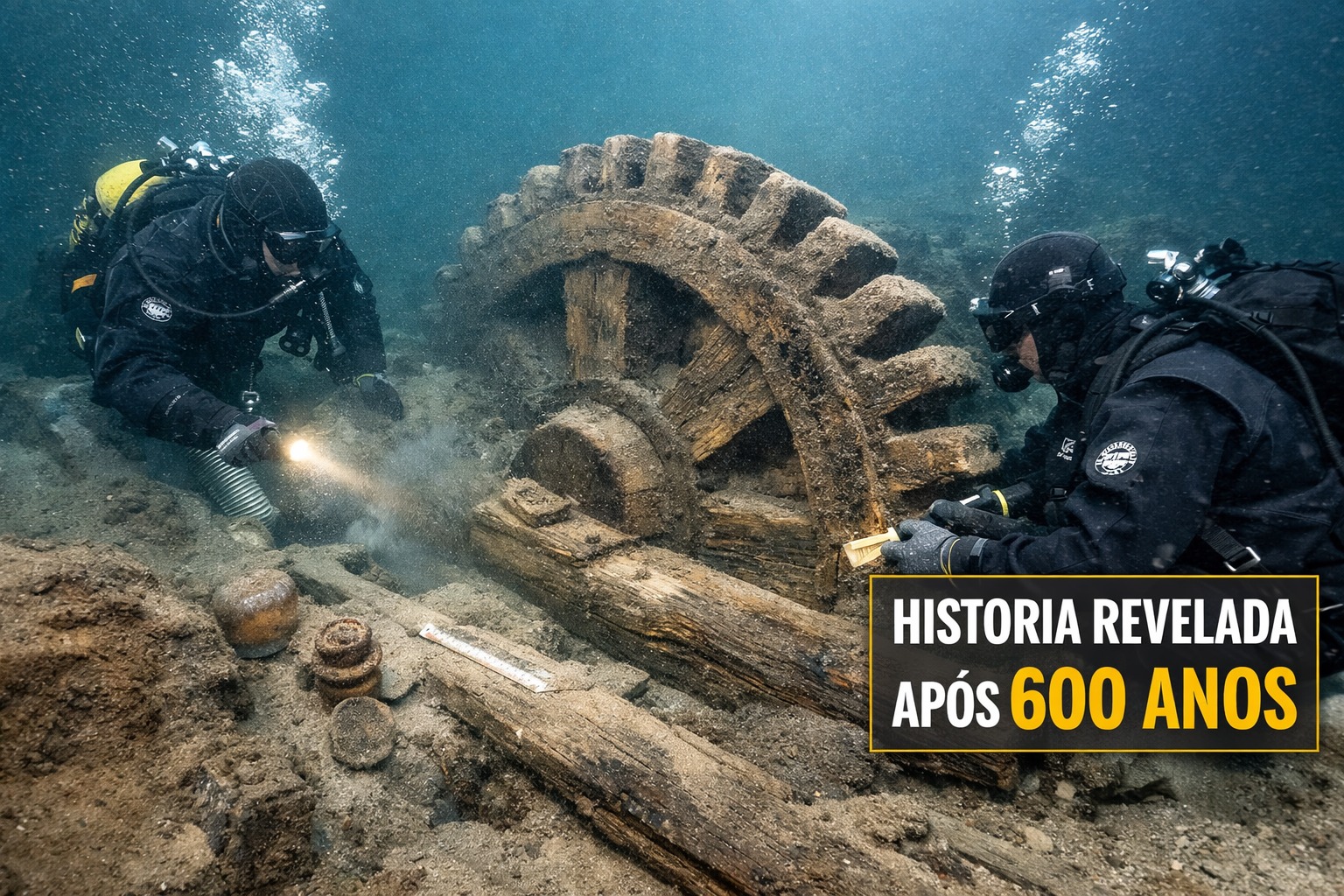


Underwater Excavations Reveal Largest Known Gearwheel, Preserved at Thirteen Meters, with Personal Items, Kitchen, Castles, and Valuable Clues About the 15th Century European Economy and Medieval Trade
Under meters of sand and cold water, a giant of medieval trade waited 600 years to reveal its secrets. At the bottom of the strait separating Denmark from Sweden, archaeologists identified remnants that shed light on how people navigated, what they ate, and even how they prayed aboard the largest gearwheel ever known.
The discovery occurred during underwater research related to the Lynetteholm project, a new neighborhood under construction off the coast of Copenhagen.
At the site, investigators from the Viking Ship Museum in Roskilde found an enormous gearwheel buried 13 meters deep.
-
Brazil joins the select group of countries by producing a supersonic fighter that reaches 2,400 km/h with advanced electronic warfare technology, US$ 4 billion in investments, 36 units planned, 350 trained engineers, and unprecedented national production by 2032.

-
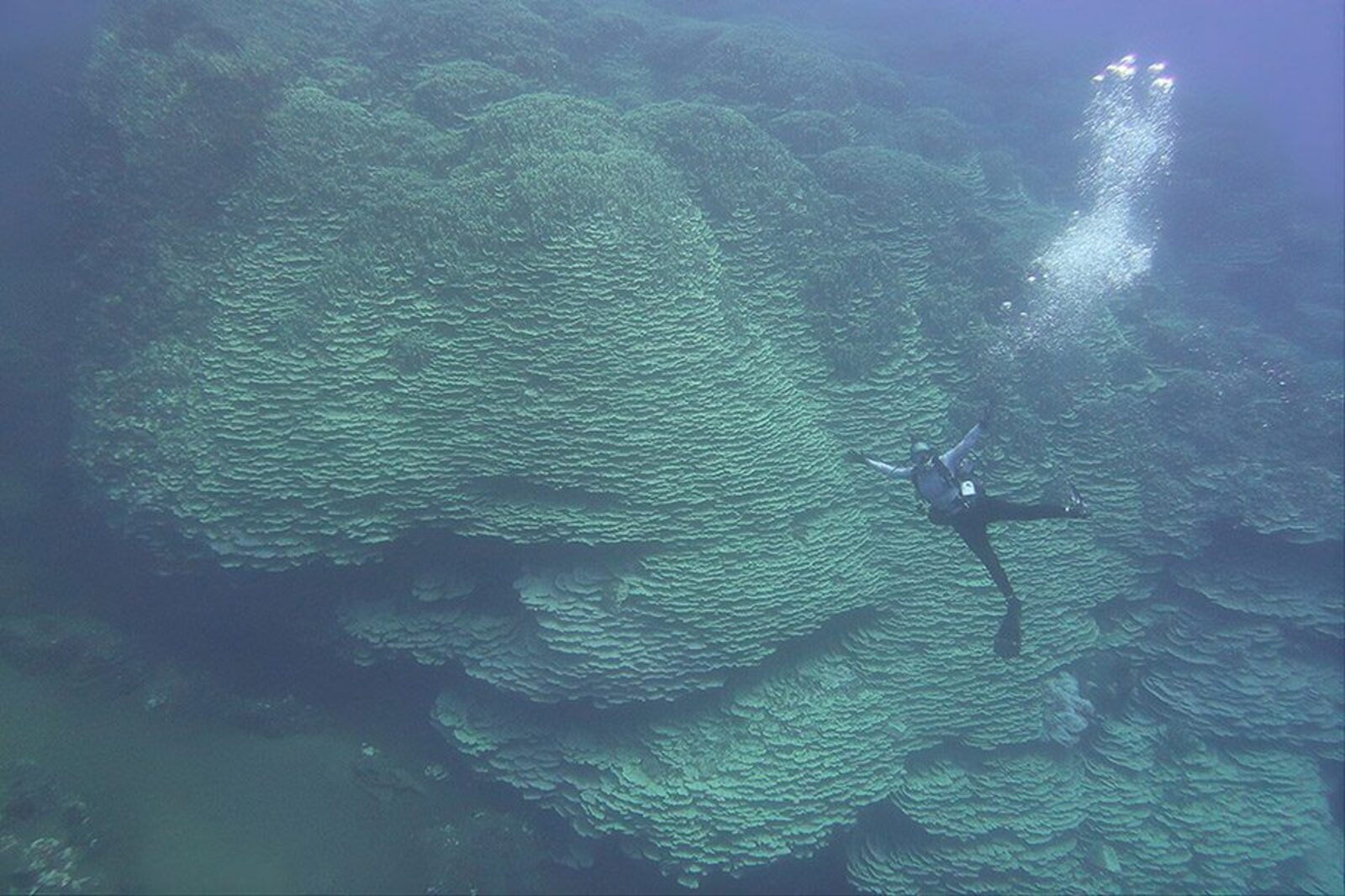
At the bottom of the sea, scientists have found a true underwater cathedral measuring 62 meters at the base, 31 meters at the top, and 1,347 square meters of giant coral in the Maug Islands, estimated to be 2,050 years old.
-
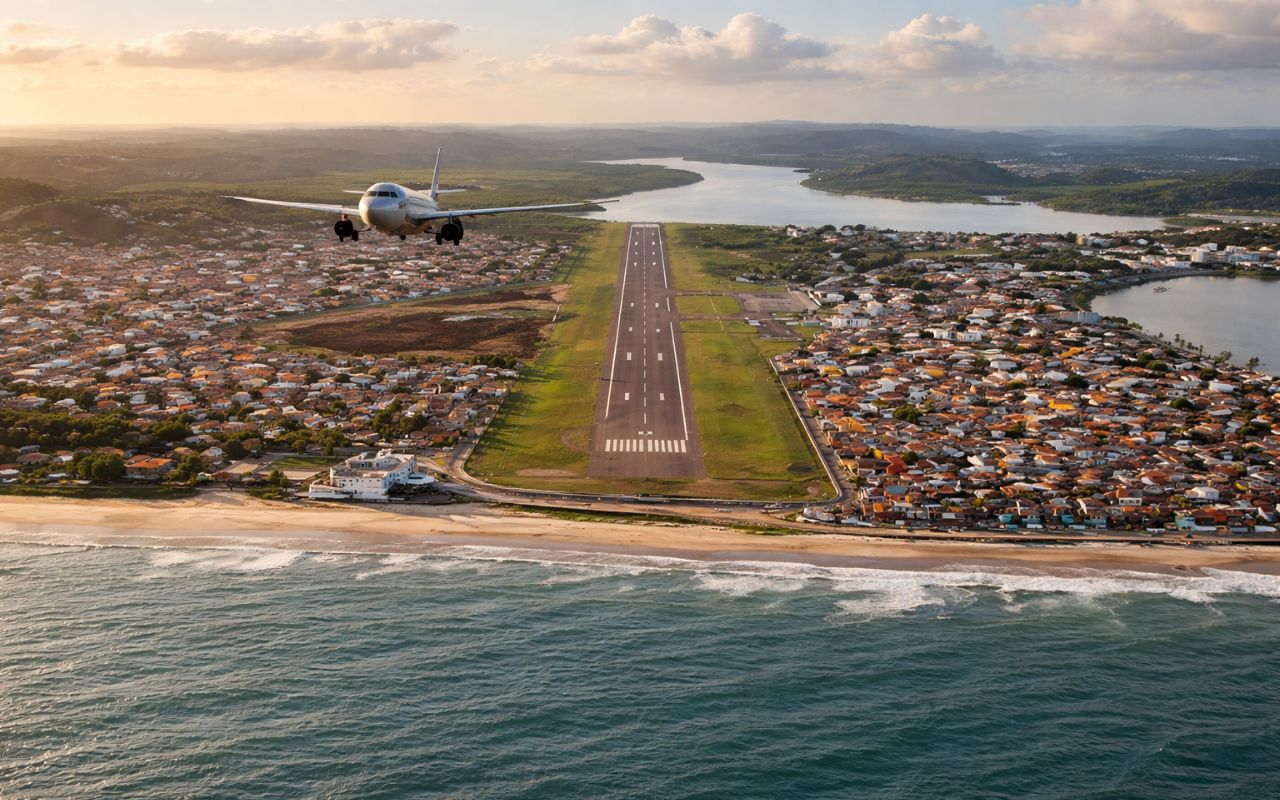
Surrounded by the sea, the airport will have a system to prevent airplanes from falling into the water; technology will be installed in Ilhéus (BA), with an investment of R$ 70 million.
-
With a cost per shot close to zero, the DragonFire laser could change naval warfare in 2027 and provide British ships with nearly unlimited defense against drones.


The ship was named Svælget 2, in honor of the channel where it was located, and all indications suggest that it is the largest merchant ship from the Middle Ages ever found.

A Giant Ship of Medieval Engineering
According to estimates, the cargo ship was built around 1410. It measures 28 meters in length, 9 meters in width, and 6 meters in height, with a cargo capacity of nearly 300 tons.
These figures make Svælget 2 the largest known example of its kind to date.
The gearwheels were the true long-distance trucks of the Middle Ages. They transported large volumes of goods and allowed trade to extend beyond luxury items.
Salt, timber, food, and bricks began to circulate regularly between ports in northern Europe.
“The discovery marks a milestone for maritime archaeology. It is the largest gear we know of and gives us a unique opportunity to understand how these ships were built and how people lived aboard them,” explained Otto Uldum, maritime archaeologist and director of the excavation, in statements released by the Viking Ship Museum.


Remnants That Tell Stories
When the divers started to remove the sand from the seabed, they did not find traditional treasures.
Combs, worn shoes, rosaries, painted wooden plates, and other simple objects belonging to sailors over 600 years ago emerged.
For the investigators, a ship of this size could only exist within a well-oiled commercial system.
“It is concrete evidence of how trade was organized in northern Europe during the 15th century,” Uldum stated, according to the Viking Ship Museum.
Wood That Reveals the Ship’s Origins
Dendrochronological analysis, based on tree growth rings, allowed for the identification of the materials’ origins.
The oak planks came from Pomerania, in present-day Poland, while the frames, the so-called ribs of the ship, were made from wood from the Netherlands.
“This indicates that the heavy wood was imported and that the ship was built where the technical knowledge to manufacture such large vessels existed,” Uldum explained.
This fact shows that Svælget 2 was already part of an international trade network even before touching the water.

A Rare State of Preservation
For centuries, the ship was covered by sand and sediments. This natural protection preserved the starboard side intact, from the keel to the rail, something unprecedented in this type of discovery.
Thanks to this state of conservation, remnants of the rigging, the complex system of ropes and pulleys that allowed for handling the sail and stabilizing the mast, were found.
For the archaeologists, these elements help better understand the navigation techniques of the time.
Castles and Kitchen Aboard the Ship
This is also the first clear archaeological proof of the stern castles of medieval gearwheels, elevated structures known only through illustrations until now.
In Svælget 2, a large amount of wood from one of these castles was found, where the crew could take shelter.
Another surprise was the identification of a kitchen built of brick, the oldest ever found in Danish waters. About 200 bricks, 15 tiles, as well as bronze and ceramic pots were recognized.
“This reveals exceptional comfort and organization aboard. The sailors could enjoy hot meals, similar to those they had on land,” Uldum stated, according to the Viking Ship Museum.
A Mirror of Its Time
Personal items like combs, shoes, and rosaries complete the picture of daily life. “The sailor took his everyday life to the sea,” summarizes the archaeologist.
Interestingly, no traces of the cargo were found. The hold was not covered, so barrels or bales would have floated after the sinking.
The absence of ballast indicates that the ship was fully loaded and there are no signs of conflict or military use.
Beyond what it carried, Svælget 2 reflects a society capable of financing large vessels and sustaining complex trade networks, offering a rare window into a world that remained hidden beneath the sea for centuries.
With information from Tempo.com.








A/O “Roda dentada” é um erro de tradução, nome do navio, fazia parte do navio ou era carga do navio!??
Não cheguei a conclusão nenhuma!
It is a cog-ship, not af cog wheel. Read the rigth story here: https://www.vikingeskibsmuseet.dk/en/news/archaeologists-reveal-a-medieval-super-ship-its-the-worlds-largest-cog
Eu só quero saber porque a roda dentada estava enterrada SOBRE a areia…