





 Portuguese
  English
  Spanish
  6 min of reading
  0 comments


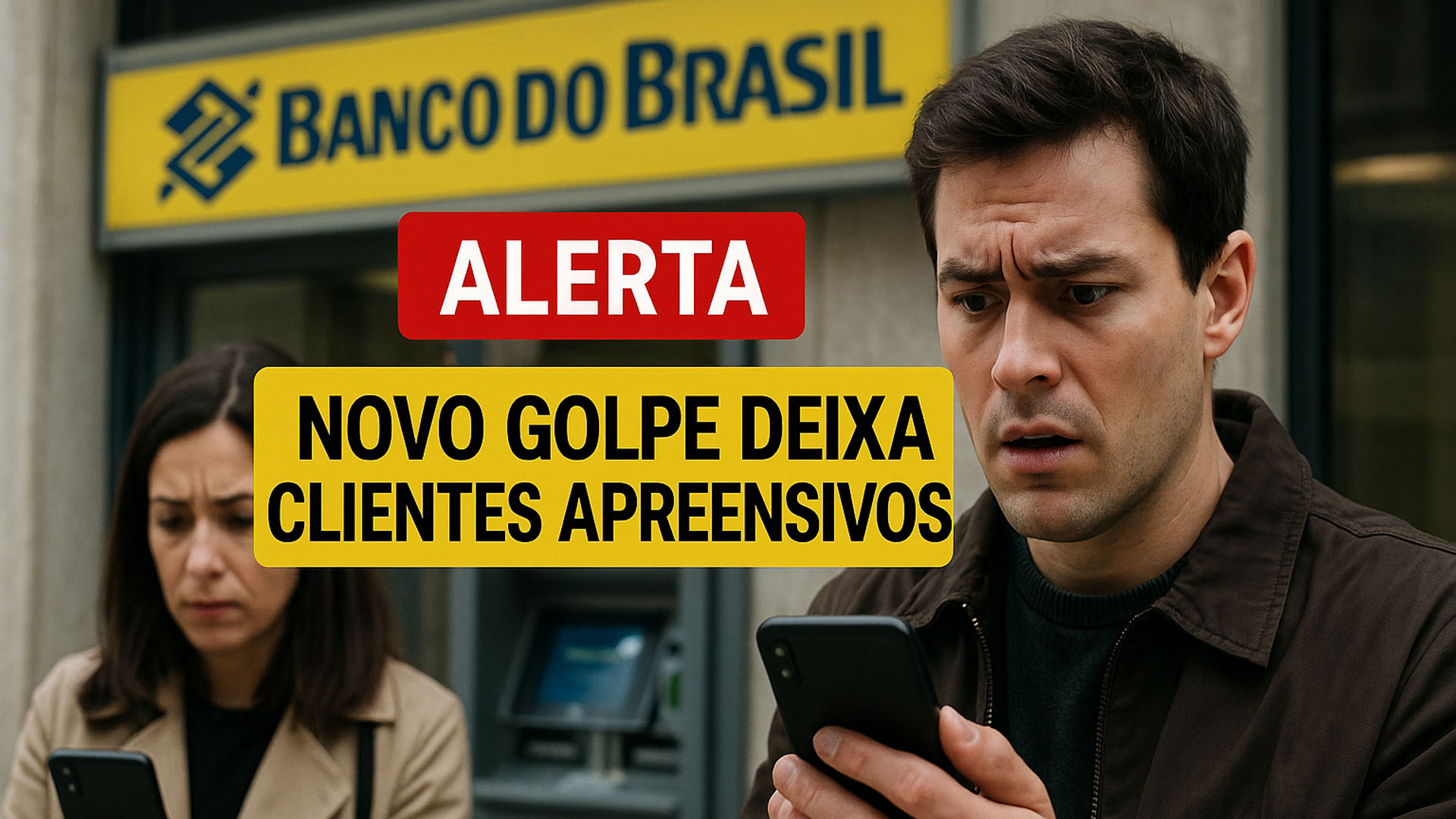
Banco do Brasil Issues Alert About the Fake Call Center Scam, Where Criminals Pose as Official Representatives to Steal Data and Access Customer Accounts. Understand How the Fraud Works, What the Bank Never Does on Calls, and How to Protect Yourself in Phone Calls and Messages via WhatsApp.
The so-called Fake Call Center Scam has ceased to be an isolated scheme and has become part of the daily operations of criminals targeting banking customers in Brazil. Reports from different states show gangs posing as employees of Banco do Brasil (BB) to steal data and authorize unauthorized transactions.
In recent years, the problem has grown alongside the rise of digital financial services and the massive use of Pix. A study by the Central Bank and the Credit Guarantee Fund (FGC) indicated that 26% of adult Brazilians using the financial system were victims of scams or fraud in the two years prior to the research.
The vulnerability does not only affect those with limited familiarity with technology. The same research indicates that people with higher income and greater internet access fall into traps more frequently, raising alerts for businesses, freelancers, and entrepreneurs who concentrate a significant portion of their resources in digital accounts.
-
These are the drivers who may stop paying tolls on highways in a project that promises to reduce costs for those who live from transportation in Brazil.
-
(Video): Italian pilot lands plane on moving train at 120 km/h and achieves unprecedented feat in aviation, even with a narrow runway and without direct visual contact.

-
It seems to have come out of a science fiction movie: A Brazilian city where it rains almost every day, recording over 4,000 mm per year, driven by climatic factors — a direct result of its strategic location in the Amazon.

-
The water crisis that could change everything this year has already begun; it’s not just about the climate, it affects technology, raises product prices, and can halt entire companies without warning.


In light of the increase in cases, Banco do Brasil has been reinforcing guidance campaigns and publishing specific alerts about the Fake Call Center scam, highlighting what the institution does — and, most importantly, what it never does in a call or message to the customer.
How the Fake Call Center Scam Works at Banco do Brasil
In the Fake Call Center scam, the first step usually involves a phone call or message on WhatsApp from a supposed “security manager” or “customer service analyst” from Banco do Brasil. To gain credibility, the criminals use the technique of spoofing, masking the number displayed on the screen to appear as an official bank channel.
In the approach, the fraudster claims to have identified suspicious activity in the account, such as a high-value purchase, an unrecognized Pix transfer, or an attempted breach. The script appeals to fear and urgency, stating that it is necessary to “cancel” or “reverse” the transaction immediately before the money is “lost forever.”
From there, the criminal begins to instruct the customer to follow technical instructions, supposedly to “protect the account.” Among the most common requests are installing unknown applications, entering passwords on screens indicated by them, providing authentication codes received via SMS, or even allowing remote access to the computer or mobile phone. It is at this moment that the scam is realized.
In some cases, the scammer sends the victim to an ATM to carry out “security” procedures, which in practice authorize transfers, loans, or changes in registration. Banco do Brasil emphasizes that it never requests this type of operation over the phone and that any guidance to go to the ATM in the name of security should be regarded as a scam.
Why Businesses and Digital Clients Have Become Preferred Targets
Criminals increasingly target accounts of legal entities and clients with significant online activity, precisely because the potential for loss is greater. Recent reports show that when companies fall victim to such scams, it is not uncommon for high-value transfers, payment of fake bills, and access to sensitive data of corporate clients to occur.
According to a survey by the Brazilian Federation of Banks (Febraban), the Fake Call Center scam has already appeared among the scams most reported by clients to financial institutions, with a growth of nearly 200% in just one year.
This places the fraud in the same risk category as other mass attacks, such as the fake sales scam and WhatsApp scams.
For those who run businesses or manage corporate accounts, losing temporary control of the account can mean not only direct financial losses but also delays in payments, issues with suppliers, and damage to reputation with clients who see their information exposed.
What Banco do Brasil Does and What It Never Does in a Call
Banco do Brasil reminds that it can indeed contact customers to confirm suspicious transactions or offer products. However, the institution emphasizes that it never asks for passwords, tokens, or authentication codes during active calls. If the bank is the one calling, it does not need the customer to repeat information already on file.
According to official security materials from BB, the institution never requests: installation of external programs or applications; updating supposed “security modules” over the phone; releasing devices; or remote access to the customer’s mobile phone or computer. Any such request, made via phone, WhatsApp, SMS, or email, should be treated as a scam.
The bank also advises that the customer should immediately distrust when the call involves psychological pressure, exaggerated urgency, or threats of total account blocking if the procedure is not done “right then.” The use of technical language, recordings that mimic official centers, and service from “multiple sectors” in the same call are all part of the criminals’ scripts.
If in doubt, Banco do Brasil itself recommends hanging up immediately and contacting through official channels: the app, website, agencies, or phone numbers published on the institution’s portal. Additionally, it is important to call from another device when possible, to avoid keeping the line connected to the scammer’s number — a tactic already identified in investigations into this type of fraud.
Step-by-Step to Protect Yourself From the Fake Call Center Scam
The first rule is simple and applies to any customer: never execute procedures instructed by someone who called you, even if the number appears to be from the bank. If the person on the other end speaks of suspicious activity, hang up and confirm the information through the official app or phone numbers obtained directly from the Banco do Brasil website.
Another essential measure is not to install applications suggested by unknown representatives and not to allow remote access to your device. Such programs can give the criminal total control of the device, allowing them to view typed passwords, approve Pix transfers in real time, and alter security settings without the user noticing.
Businesses and entrepreneurs should adopt internal security routines, such as limiting the number of people with access to passwords and tokens, requiring double-checking before altering bank registrations, and maintaining clear policies about who can speak with the bank on behalf of the company. In cases of suspicious contacts, it is best to document the attempted scam and inform the relationship manager.
If, despite precautions, the scam is realized, experts recommend acting quickly: immediately block the channels in the app, file a police report, inform Banco do Brasil through official service, and gather all protocols and evidence. These documents will be important in any requests for reimbursement or legal actions.
Finally, it is worth reinforcing the guidance that has been repeated by campaigns from banks, public agencies, and consumer protection entities: stop, think, and suspect. In digital security, haste is almost always an ally of the criminal — and information is the greatest ally of the customer.
Responsibility of Banks and Rights of Those Who Fall Victim to the Scam
The rise of the Fake Call Center scam has brought the issue to higher courts. In a recent decision, the Superior Court of Justice (STJ) understood that banks and payment institutions can be required to compensate customers when security failures facilitate the actions of scammers, especially in operations outside the normal consumption pattern of the account holder.
In practice, this means that, in addition to protecting themselves, consumers who can demonstrate that they were deceived by a call impersonating the bank’s center and that there was a failure in detecting atypical transactions may seek compensation through consumer protection agencies and the judiciary. The decision also pressures financial institutions to continuously invest in fraud detection mechanisms and clear communication with the public.
For the end customer, whether an individual or a legal entity, the message is that security is a shared responsibility: banks must enhance systems and educational campaigns, but users need to know their rights, follow official guidelines, and never underestimate the sophistication of scammers.
In your case, do you think Brazilian banks are already doing enough to protect clients from the Fake Call Center scam, or do they still leave the risk on the consumer? Share in the comments if you, your company, or someone close has received this type of call and what you did at that moment.








-

-

-

-

-

-

10 pessoas reagiram a isso.