





 Portuguese
  English
  Spanish
  3 min of reading


In Addition to the Shipbuilding Giants Ecovix and Wilson Sons, Two New National Shipyards Are Now Targeting the Project to Build the Ship That Will Support the Brazilian Navy’s Base in Antarctica
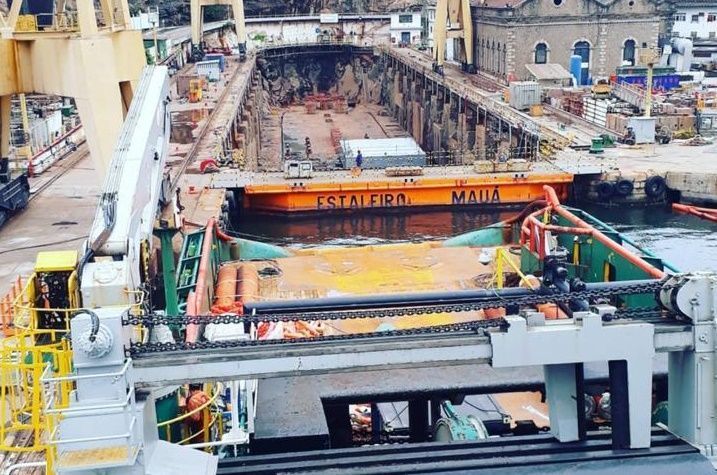
Many Brazilian shipyards are seeking partnerships to participate in the bidding process for naval construction of the NApAnt for the Brazilian Navy. According to the magazine Portos e Navios, both the Estaleiro Atlântico Sul, located in Pernambuco, and the Mauá Shipyard in Rio de Janeiro are studying the possibility of forming a consortium to participate in the competition for the vessel.
Read Also
- Naval Industry: Brazil Purchases Four Cannons for the Tamandaré Class Frigates of the Navy for 30 Million Euros to be Built in Itajaí
- Petrobras Tender with 55% Local Content Launched for Supply of Flexible Pipes
- As an Alternative to Naval Construction, Shipyard Under Ecovix’s Command Works with Livestock and Scrap Embarkation
Last year, the Navy launched a market survey regarding the possibility of constructing the NApAnt, a vessel that will replace the Oceanographic Support Ship Ary Rongel. The submission of proposals is expected by the end of this year, with the final announcement of the winner scheduled for mid-2021.


The Brazilian Ecovix, owner of the shipyard in Rio Grande, has joined forces with the Chilean state-owned company Asmar to participate in the tender. Wilson Sons has also established a partnership with the Dutch company Damen to compete in the process and carry out construction of the ship at Wilson Sons shipyards in Guarujá, São Paulo.
-
With 74% of companies facing difficulties in hiring, technicians and engineers in renewable energy are becoming scarce in Brazil and are essential to support the expansion of solar, wind, and green hydrogen projects.

-
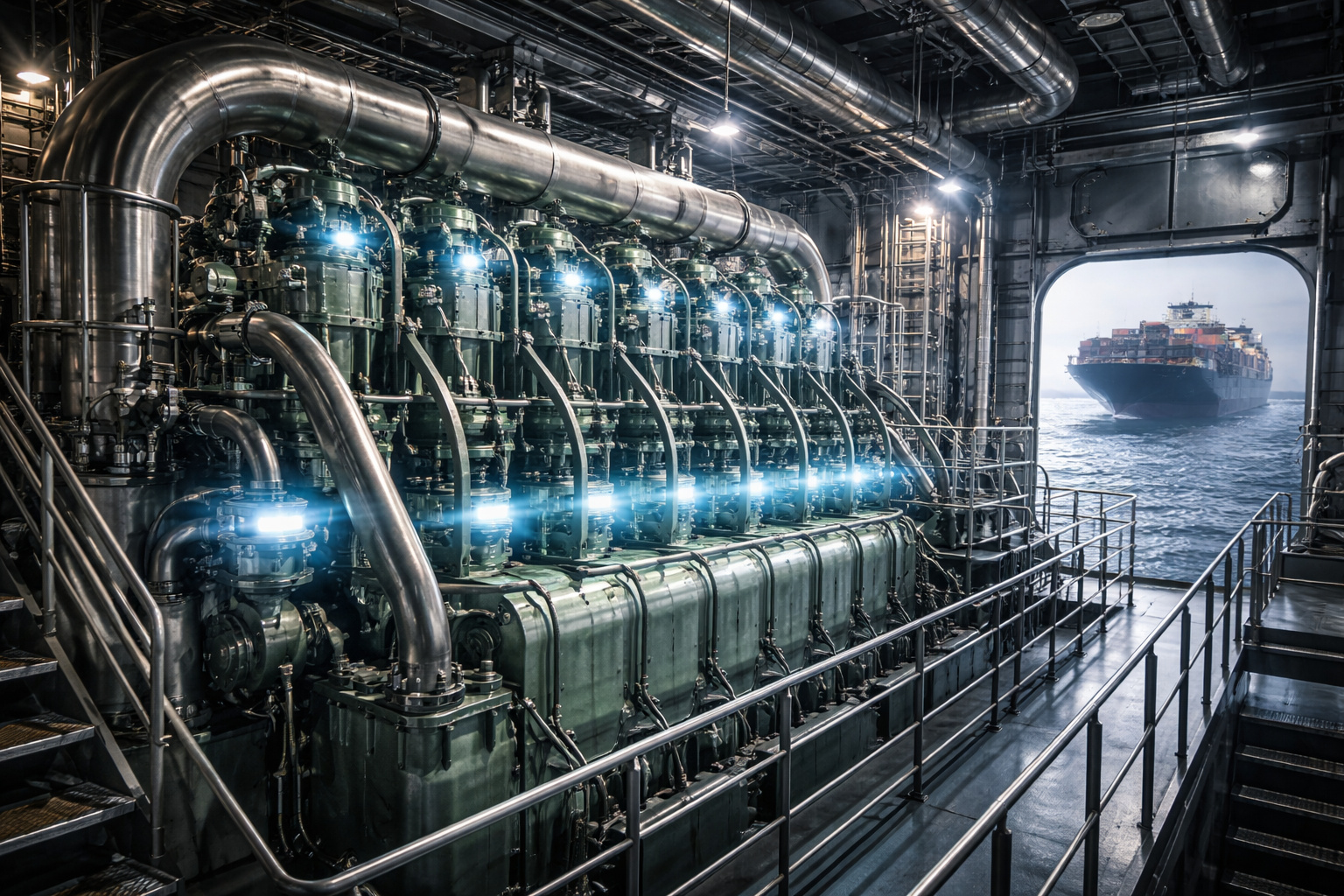
Europe is trying to create an ammonia-powered marine engine without auxiliary fuel, which could unlock the race for giant emission-free ships. The technology aims to eliminate one of the biggest obstacles to clean maritime propulsion.
-
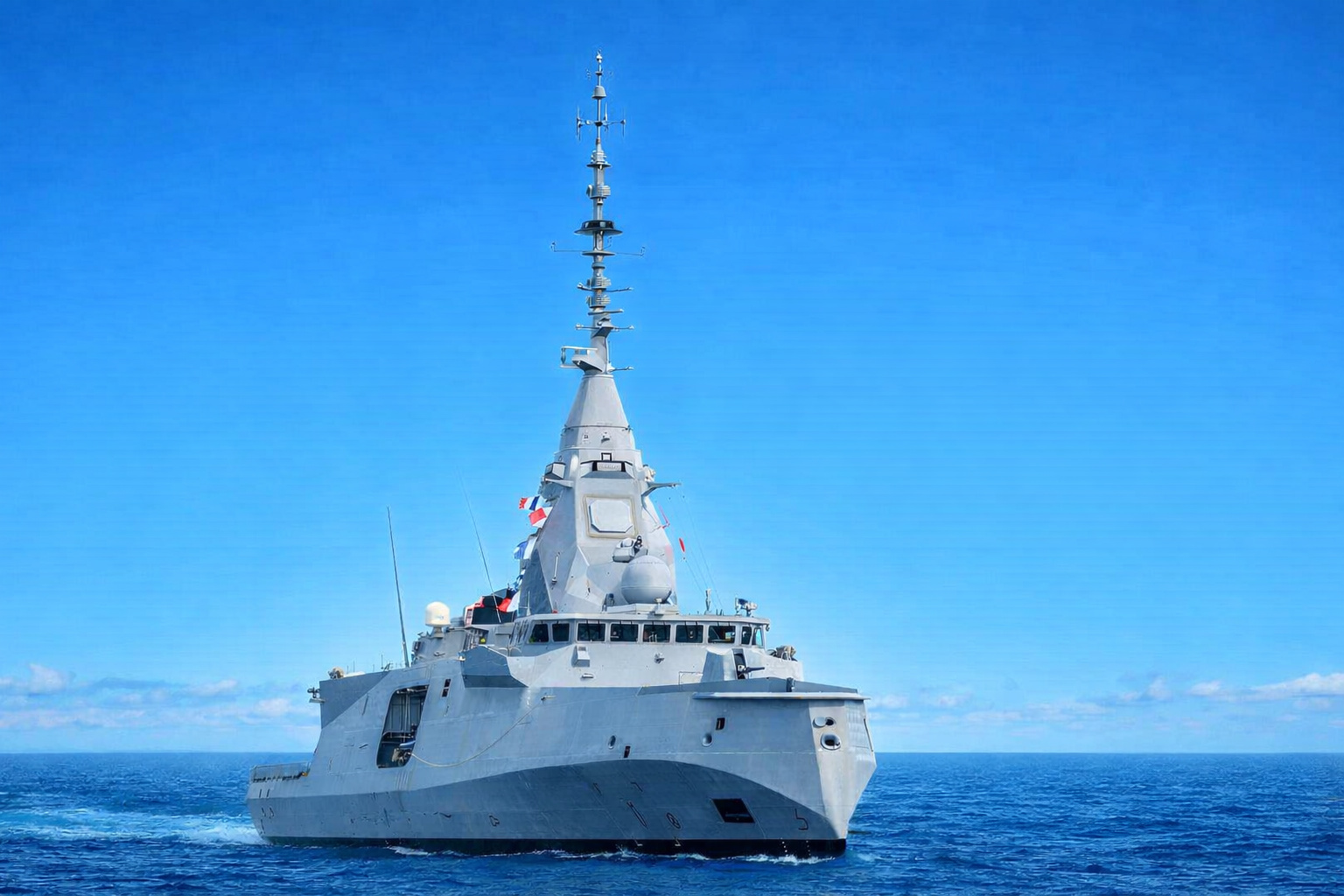
A 4,500-ton frigate with just over 100 crew members, state-of-the-art radar, and cruise missiles is being touted as the new standard of naval warfare in the 21st century.
-
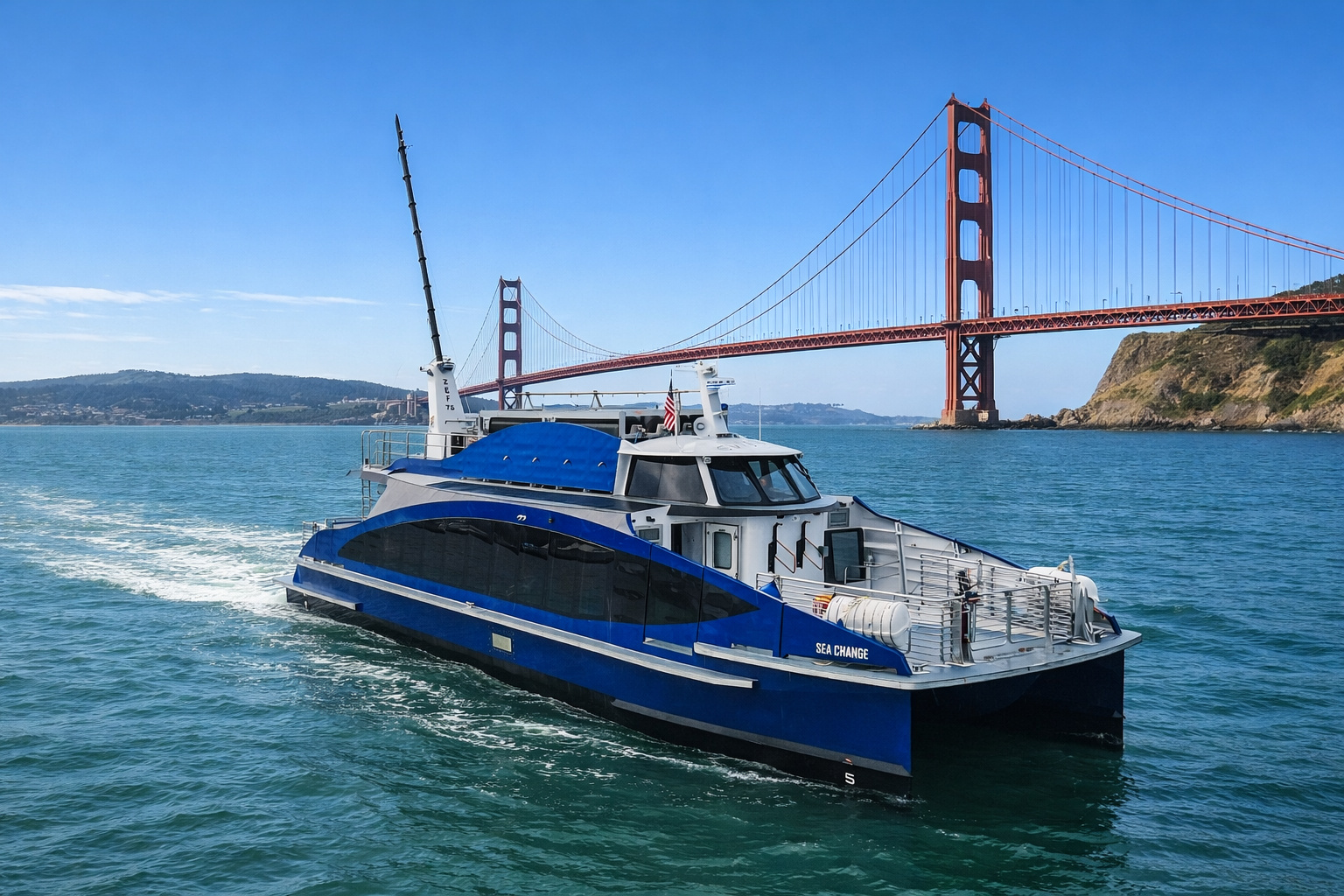
The first commercial hydrogen-powered ferry enters operation in the U.S., eliminates the use of diesel, uses fuel cells to generate clean energy on board, and transforms San Francisco Bay into a landmark of the new era of emission-free navigation.
The NApAnt ship will have sufficient capacity to provide logistical support to the Antarctic continent, meeting the specific naval construction requirements, transporting a significant volume of cargo and equipment, as well as housing modern scientific laboratories, with comfort and safety for its crew. More details about the solicitation can be checked in the Official Gazette of the Union here.
The NApAnt Project of the Brazilian Navy
The new Brazilian station in Antarctica, Comandante Ferraz, was reopened on January 15 of this year, supported by Petrobras through the Brazilian Antarctic Program (Proantar) and operated by the Brazilian Navy, the facility is intended for scientific research in environmental, meteorology, biodiversity, and chemistry areas, today it is a reality.
The project for the construction of the NApAnt aims to provide integrated logistical support and maintenance to support Proantar, contributing to navigation safety in the Antarctic region through hydrographic surveys.
The Navy emphasizes that the new ship seeks modernity in terms of expanded logistical capacity and reduced crew, which favors the embarkation of researchers. The NApAnt ship will have the capacity to transport helicopters in a protected environment and will have suitable autonomy for its purpose.







Seja o primeiro a reagir!