





 Portuguese
  English
  Spanish
  5 min of reading
  0 comments


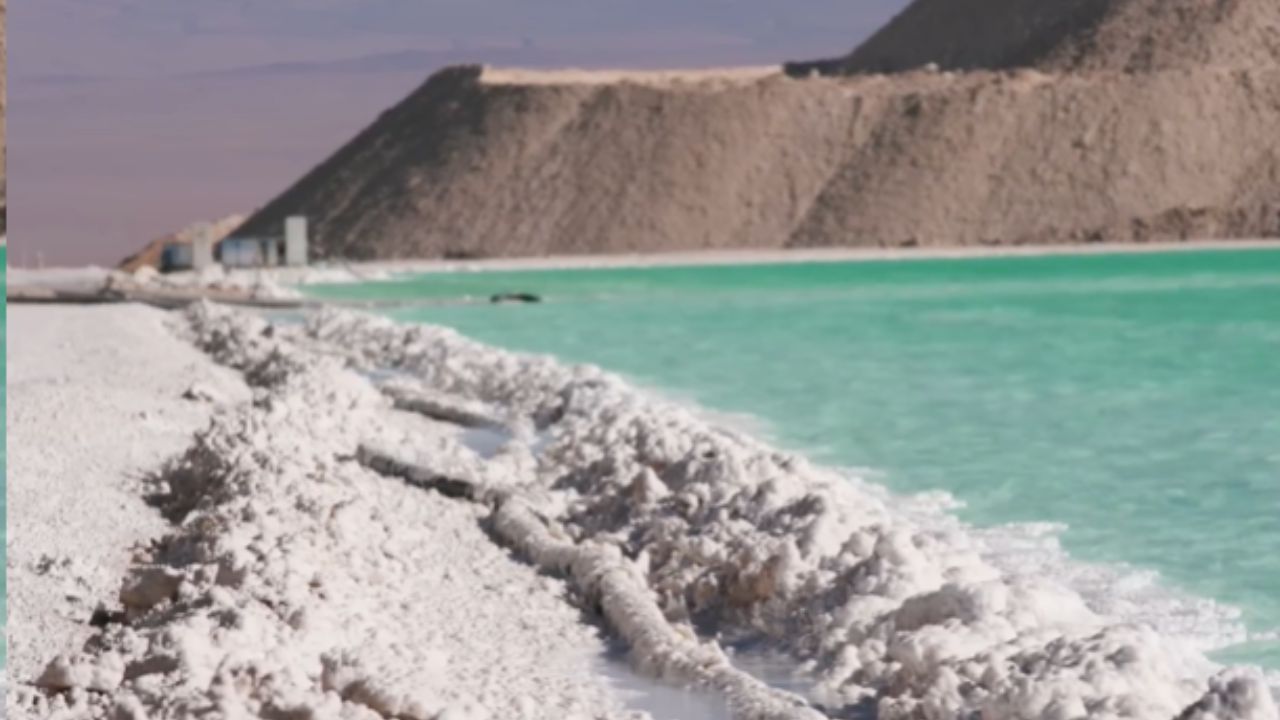
Lithium In Chile Becomes A Global Test For Lithium Mining: In The Salar De Atacama, The Race For White Gold Confronts Indigenous Communities And The Government
The mining of lithium in Chile is at a decisive moment. In the Salar de Atacama, part of the so-called Lithium Triangle, about a third of the world’s lithium is produced from brines, in a process that transforms extremely salty water into a strategic input for batteries of electric vehicles and electronics. While demand and prices soar, the country tries to decide how to harness this wealth without losing its leadership to competitors like Australia and Argentina.
As the northern Chilean salt flats become a vital national resource, the government announces a state-led plan to reorganize lithium mining, requiring partnerships with public companies, listening to indigenous communities, and betting on cleaner technology.
In this scenario, Chile races against time to decide what kind of development model it wants to adopt around the so-called white gold.
-
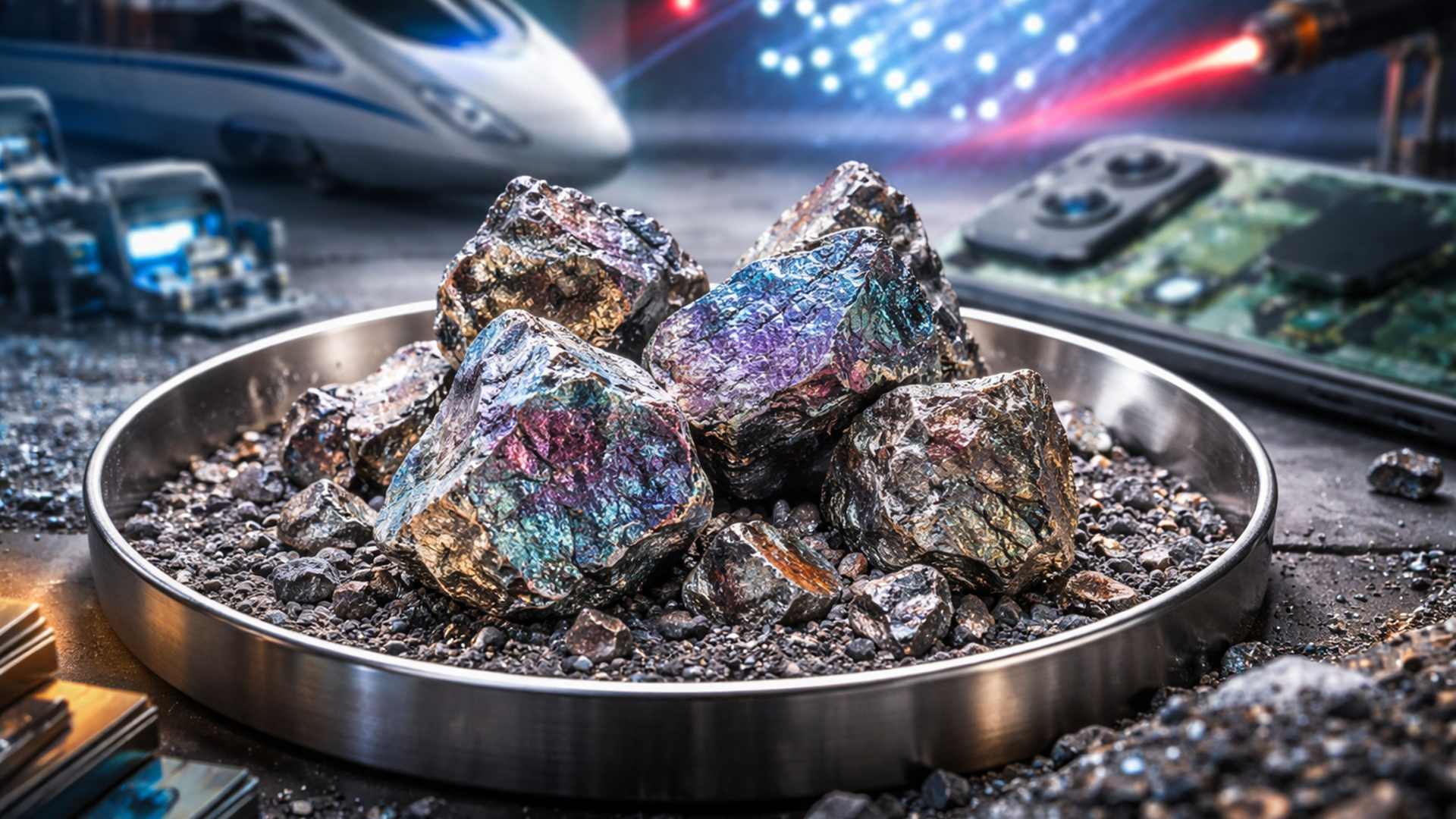
Rare earths are in everything, from cell phones to bullet trains, and what almost no one realizes is why they have become the target of such a delicate global war.
-
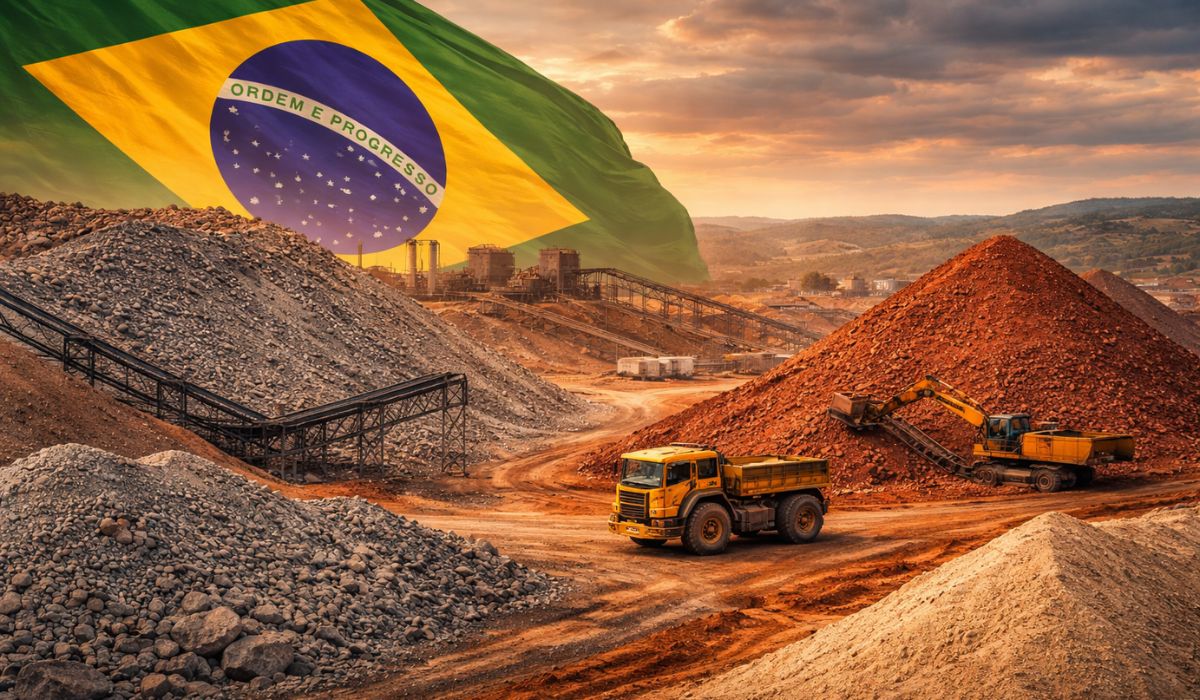
Brazil extracts 26.3 million tons of ore from what was previously treated as waste, transforming residues into wealth, producing over 3 million tons of sand, and demonstrating how national mining is relearning to generate value.
-
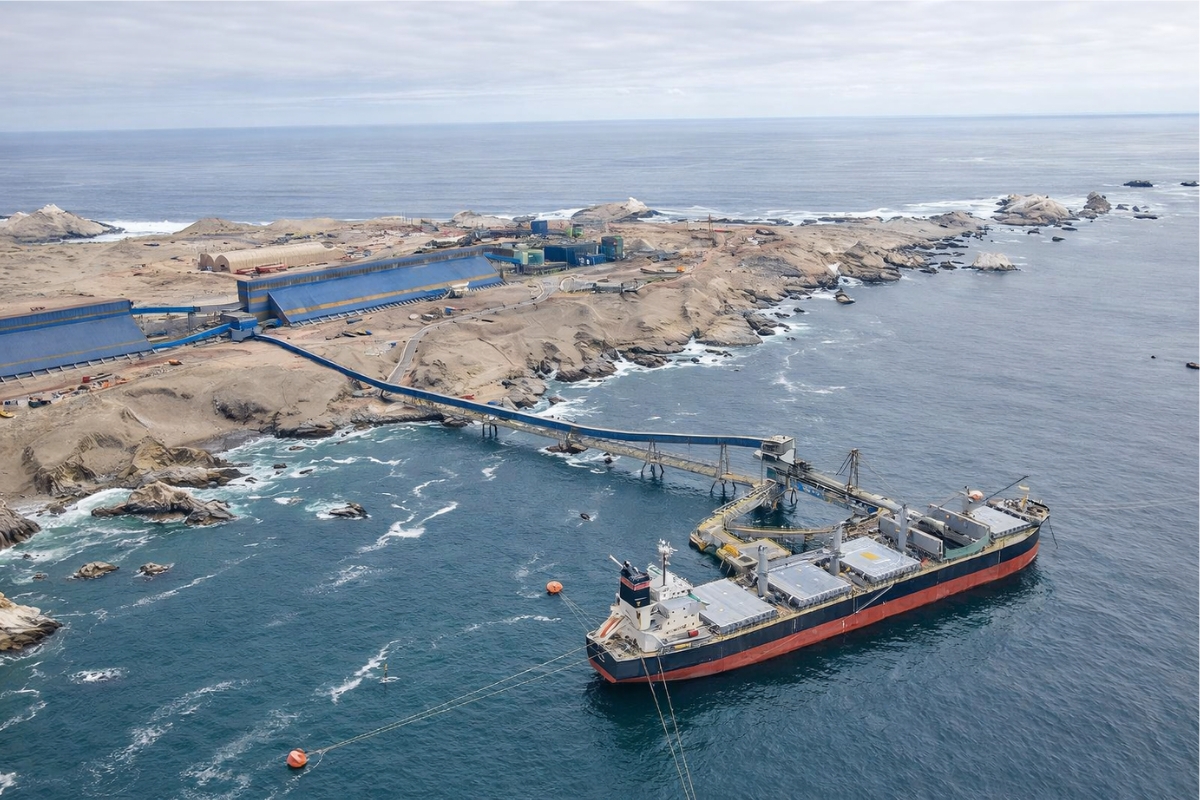
A $3.5 billion megaproject in Latin America pumps desalinated seawater at 1,050 liters per second over 194 km to keep a copper supermine in the Andes operational for another 20 years.
-
A hidden mine in the Andes valued at nearly R$ 1 trillion is starting to attract global attention, containing copper, gold, and silver, and raises an intriguing question: why do Argentina and Chile need to act together to exploit this gigantic wealth?
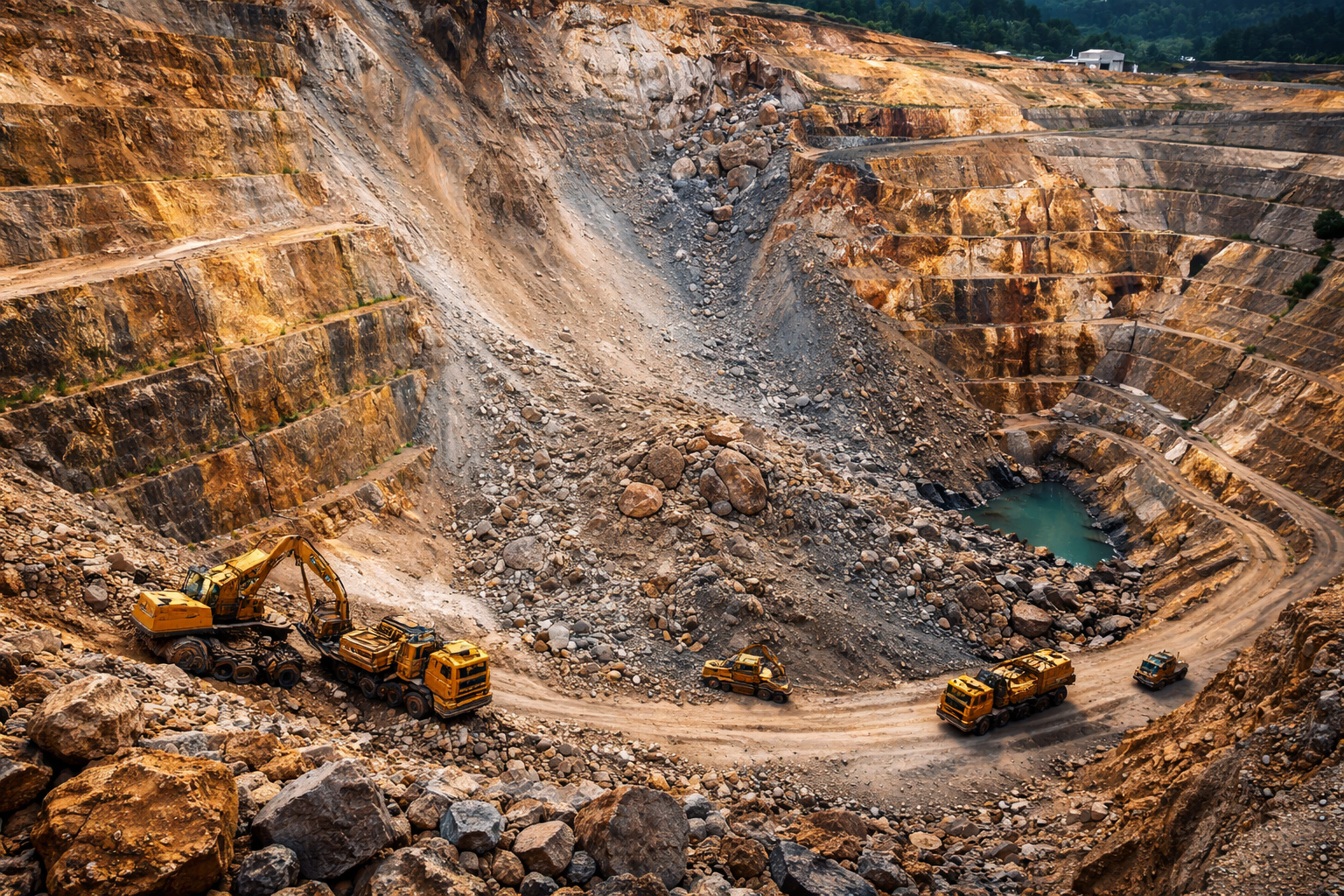

Lithium Mining In The Salar De Atacama: Heart Of Chile’s White Gold
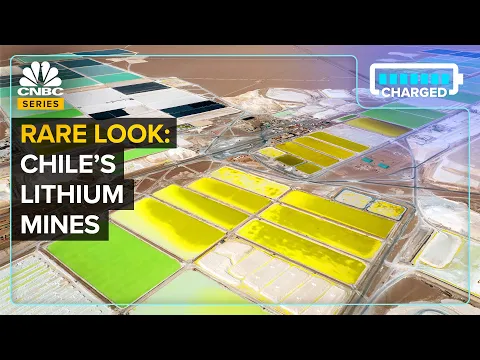
In the Salar de Atacama, lithium mining starts from a seemingly simple but time-consuming process. The mineral-rich brine is pumped from underground reservoirs to large evaporation ponds, with intense colors, where other salts precipitate until reaching a concentration of around 6% lithium.
This pathway can take around 18 months before the material moves to processing plants in cities like Antofagasta.
This combination of abundant reserves, high-quality brine, and competitive costs has transformed the Chilean desert into one of the epicenters of lithium mining in the world.
The same brine that fuels the battery industry is also at the center of the debate on water, sensitive ecosystems, and the economic future of local communities.
The Global Race And The Window Of Opportunity For Lithium Mining

With the explosion of electric vehicles and lithium-ion batteries, the metal has shifted from an industrial niche to a geopolitical asset. Chile was once the world’s largest lithium producer but lost its leadership to Australia and now fears seeing Argentina take the second position.
While Australia advances with extraction from hard rocks and Argentina opens its doors to international investments, Chile discusses rules and models for state participation.
The feeling among experts is that Chilean lithium mining operates within a limited window of opportunity.
The country needs to accelerate projects, review its regulatory framework, and decide how much space it will give to private capital before new battery technologies, more efficient recycling, or other suppliers overshadow its “white gold.”
The big question is whether the political pace can keep up with the market pace.
State Plan And Dispute For Control In Lithium Mining
In response to this challenge, the government of Gabriel Boric presented a national lithium policy that reinforces the role of the State in mining.
The proposal provides for the creation of a national lithium company and requires that new initiatives be developed in partnership with the public power, maintaining existing contracts with companies like Albemarle and SQM.
The design of the plan seeks a middle ground between sectors of the governing coalition that advocated for broad nationalization and a more pro-market faction favoring private leadership.
In practice, the State wants more strategic control over where, how, and with whom lithium mining will advance, without completely pushing away new investors.
But there are still uncertainties about what will be considered a strategic project, what the degree of state control will be in each partnership, and how Congress will react to this redesign.
Mining, Indigenous Communities And The Social Cost Of White Gold
If on one hand, lithium mining generates billions in exports and commissions for the government, on the other, it deepens tensions with indigenous communities and local populations.
Groups like the Likanantai, with a historical presence in the Atacama region, report interventions in delicate ecosystems, cultural impacts, and social fragmentation in villages that have come to coexist with large mining operations.
Local leaders report that the money from agreements and royalties helps financially but also deepens internal divisions and distances the community from its own worldview.
At the same time, indigenous organizations accuse companies of using their image in “green mining” campaigns, while doubts persist about the real impacts of extracting brines in an area experiencing mega-drought for over a decade.
Water, Brines And The Environmental Unknowns Of Lithium Mining
One of the most sensitive points of lithium mining from brines is water. Companies emphasize that they work with highly salty water, unfit for human consumption or agriculture, and cite studies indicating that the direct contribution of the process to the total use of freshwater in the region would be relatively small.
But residents, scientists, and environmental organizations warn that evaporating millions of liters of brine in one of the driest areas on the planet can interfere with water dynamics and related ecosystems, including microbiological ones.
Researchers point to the loss of essential microorganisms for environmental balance and scientific research, noting that there are still no definitive answers regarding all the impacts of lithium mining on the water cycle. The consensus today is that there is a lack of independent, long-term research.
Geopolitics, Batteries And The International Dispute For Chilean Lithium

The mining of lithium in Chile is also a geopolitical issue. The country is seen as a key player for green reindustrialization strategies by powers like the United States, which need to ensure stable access to lithium to develop their own battery and electric vehicle chains.
At the same time, Chinese companies and state-owned enterprises are heavily investing in the region, seeking to secure supplies for their own industry.
This competition unfolds in a scenario where Chile is trying to find a middle ground between state control, attracting foreign capital, and environmental protection.
In this context, every clause of the contract, every local content requirement, and every rule for new lithium mining concessions gains strategic weight far beyond the borders of the Atacama Desert.
Clean Technology And The Next Chapter Of Lithium Mining In Chile
To reduce impacts and increase efficiency, companies and the government are looking at new solutions, such as direct lithium extraction, or DLE, which promises to concentrate the metal chemically and reinject the brine back into the underground.
The expectation is to shorten timelines, increase resource utilization, and decrease the area of evaporation ponds.
This technological transition, however, brings challenges. Some next-generation lithium mining solutions may require more fresh water, pushing the debate toward alternatives such as desalination and large infrastructure projects.
Meanwhile, the country balances between “sweating” its current assets, expanding the capacity of existing plants, and preparing a new cycle of investments in cleaner technologies, without losing sight of environmental commitments and the pressure for quick results.
In your opinion, should Chile prioritize advancing lithium mining to maintain global leadership or impose stricter limits in the name of water protection and local communities?





Seja o primeiro a reagir!