





 Portuguese
  English
  Spanish
  3 min of reading
  24 comments


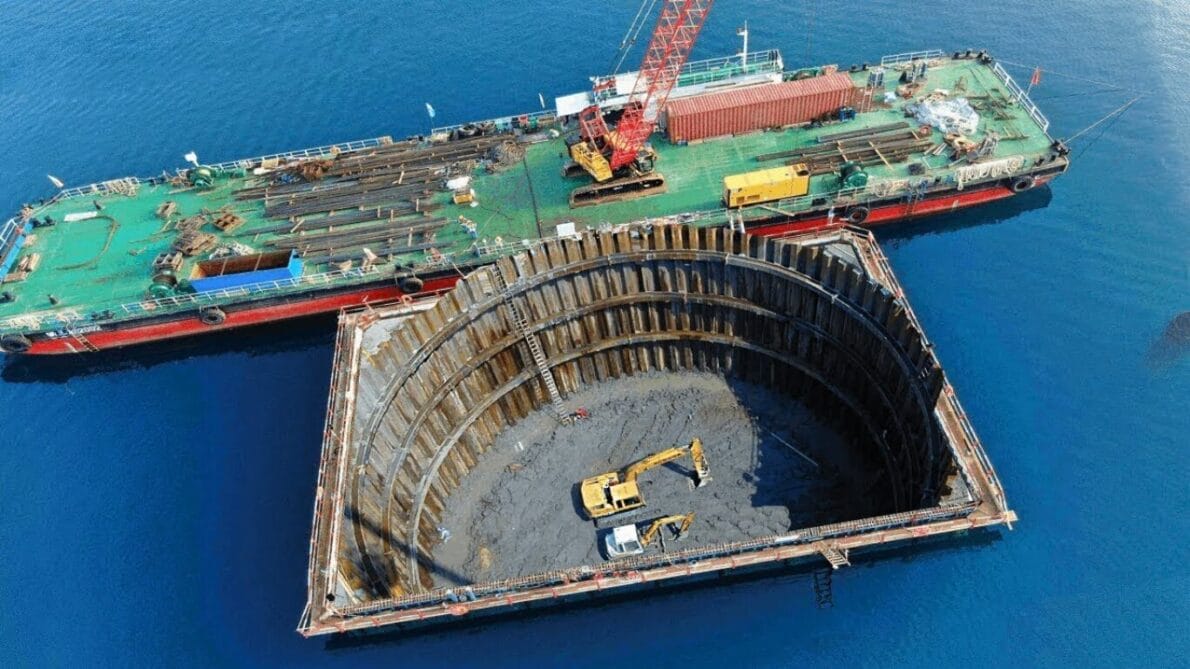


How China Is Leading The World In Aquatic Bridge Engineering: It Is Uniting Cities With Bridges Spanning Hundreds Of Km!
The China, known for its achievements in innovation and civil engineering, has emerged as a global leader in the construction of aquatic bridges. This article explores the cutting-edge technologies and innovations enabling China to build complex and imposing structures in record time. Prepare for a journey through the fascinating world of Chinese engineering, according to constructiontime.
Innovations In Construction Methods
China uses a variety of underwater construction methods including caissons, dredgers, pile drivers, and barges. These methods are tailored and constantly innovated to meet the specific needs of each project. A notable example is the use of multiple continuous spans, allowing for coverage of large stretches of navigable waters, optimizing costs and efficiency in the construction of large-scale bridges.
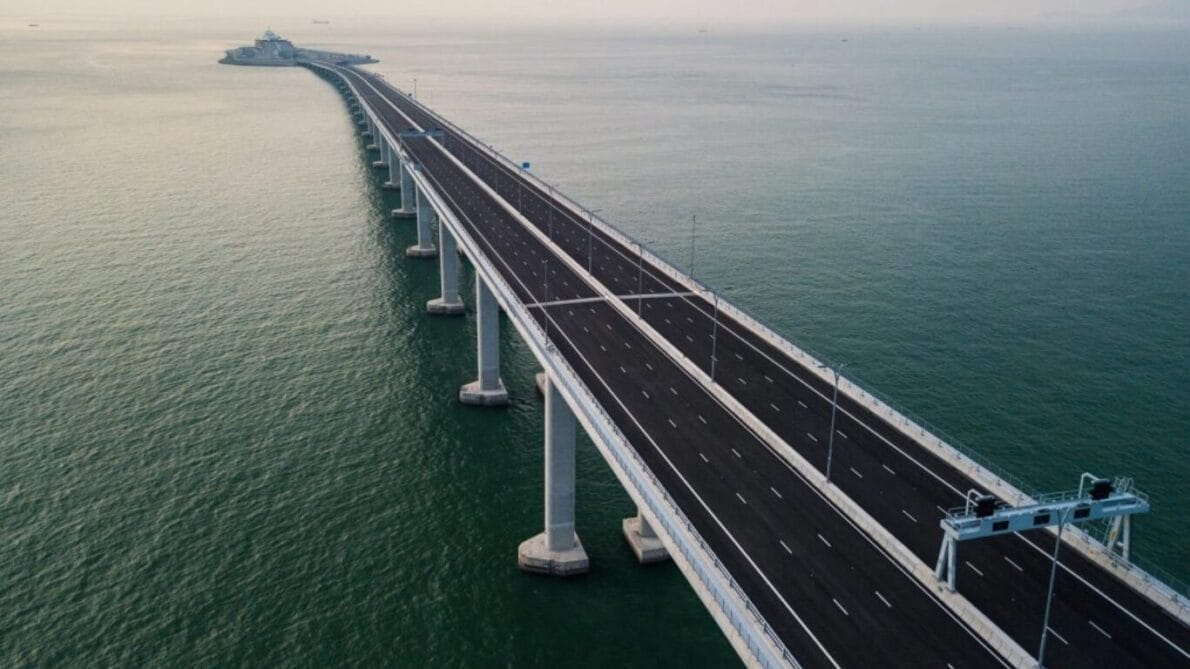
Chinese engineers have also implemented the three-cable plane structure, first applied in the Tientsin River Bridge. This technique allows bridges to support multiple traffic functions, including railways, subways, and expressways. This not only increases transport capacity but also integrates different modes of transport into a single structure, showcasing the versatility of Chinese technology.
-
Naval reform transforms 40-year-old sailboat purchased for $5,000 into a residential yacht: structural repair of hull/keels, Awlgrip painting, engine replacement with Beta Marine, autopilot, sealing of chain plates, and complete interior retrofit for $25,479.

-
Firjan proposes to ANTT the acceleration of works on BR-101 in Northern Fluminense to improve logistics, urban mobility, and regional competitiveness.
-
Couple that traveled by Kombi through many countries moves forward with the land in the south of SC: machines level the refuge in the woods, reinforce embankments, set up a construction camp, and train chainsaw operators to speed up the building process.
-
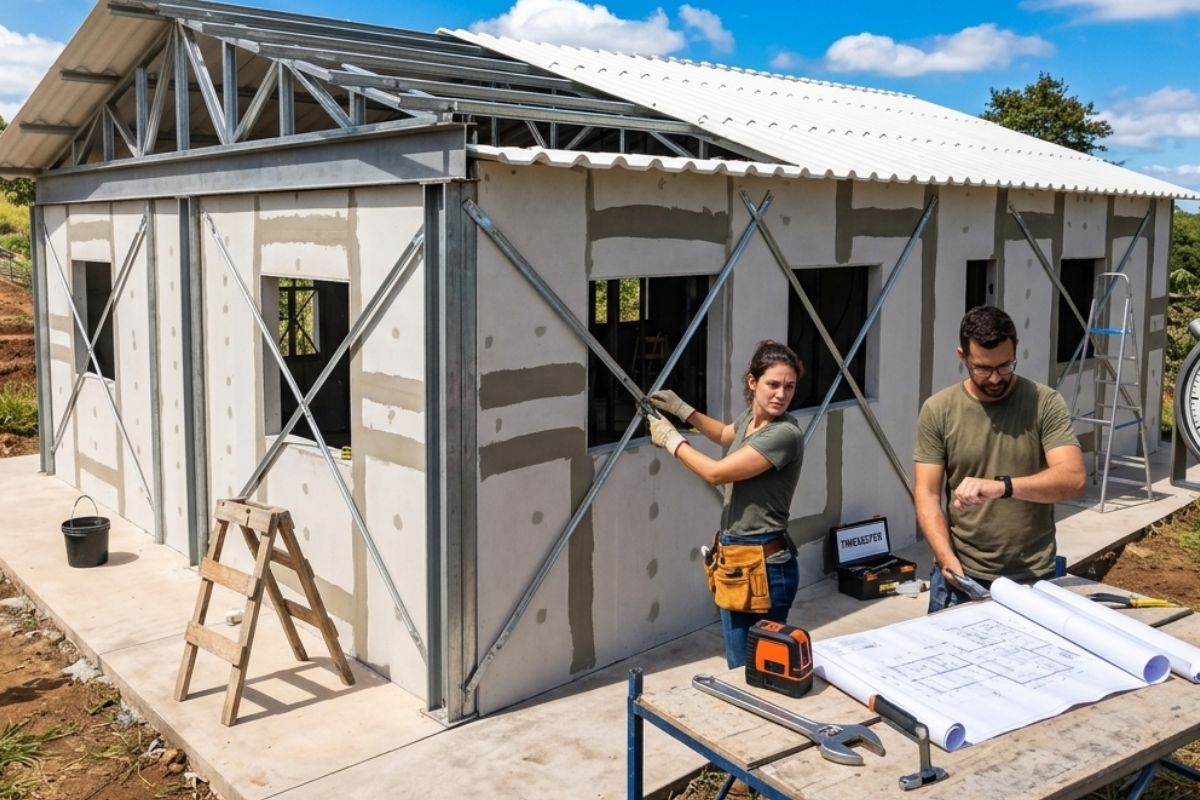
Couple leaves the city and builds a steel frame house in the countryside: sandwich roof, beams and columns secure the roof, X-braces prevent the walls from moving, and the 3-month deadline tightens.
Advanced Techniques And Specialized Equipment
One of the most fascinating methods used in bridge construction in China is the rotating construction, as seen in the Jiaozhou Bay bridge. This technique facilitates the assembly of bridges in complex terrains, using the coast and nearby mountains to efficiently erect the structures. Additionally, the pre-fabricated general assembly with beams weighing up to 1000 tons significantly reduces construction time and increases efficiency.
Another impressive innovation is the use of the SLJ900 vehicle, also known as “bridge-building segment“. This equipment automates the placement of bridge segments, reducing construction time by up to 60%. Imagine a giant mechanical arm lifting and positioning bridge segments with millimeter precision – that’s how China gets it done!
Bridges Across The Sea: A Testament To Chinese Engineering
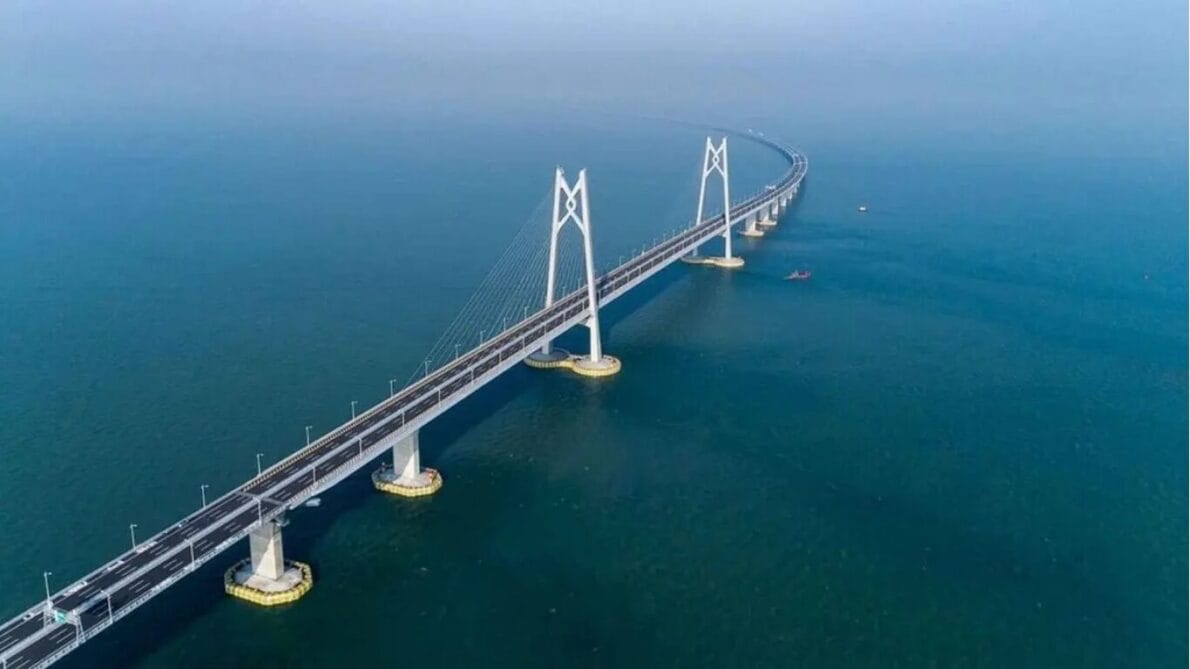
The construction of bridges across the sea, such as the iconic Hong Kong-Zhuhai-Macau Bridge, is another example of China’s innovative capability. These bridges are pre-fabricated on nearby islands and transported to the final location using advanced engineering techniques. This method not only speeds up construction but also minimizes environmental and logistical impacts, highlighting sustainability in civil engineering.
The unified approach and long-term planning by the Chinese government is a crucial factor for the success of these large-scale projects. Without the bureaucracies that often delay constructions in other nations, China is able to maintain a rapid pace of development and project execution.
Challenges And The Promising Future Of China
Despite the impressive technological advancement, China faces significant challenges. The zero COVID-19 policy, for example, impacted the economy and may affect the growth rate in the construction sector. However, the flexibility of the Chinese Communist Party’s policies will be crucial in overcoming these obstacles and continuing global leadership in bridge construction.
The future of China in bridge construction is promising. With ongoing innovations and strong government support, China is well-positioned to lead the way in engineering and civil construction. The combination of cutting-edge technology, efficient methods, and strategic planning ensures that China will continue to build bridges that not only connect places but also break technological and logistical barriers.
In summary, China is not only building physical bridges but also bridges to the future of global engineering. And who knows, soon we may see even more advancements that will transform how we think about construction and technology. Chinese engineering is redefining what is possible in aquatic bridge construction, and the world is taking note.







Não vai demorar muito a china vai ditar às normas no mundo, do jeito que ela está caminhando não tem ninguém pra barrar: ribamar df
A China atravessando o Oceano com rodoviárias e o Brasil não terminou a BR156 em 80 anos.
No Brasil a vergonha foi despida pela corrupção..
Pior é que o povo **** aceita..
Um exemplo é o Marajó que podia muito bem ser interligados por estradas com essa tecnologia…
Uma boa notícia para conhecer os acontecimentos mundiais.
Acredito que essa tecnologia espetacular!!! Deveria ser de exemplo para o mundo !!! Principalmente. Para o Brasil!!! Que é um Grande País, mas com uma Péssima Administração!! Mantendo o Ciclo Vicioso!!! De Cada Vez Mais Explorar! Os seus Habitantes… Com um pouco de Onestidade !! E Competência. O PAÍS, talvez se desenvolveria com mais Habilidade Tecnológica .
Onestidade com é f*d#a…
É com H, semi– analfa.
Com “0”.