





 Portuguese
  English
  Spanish
  5 min of reading
  0 comments


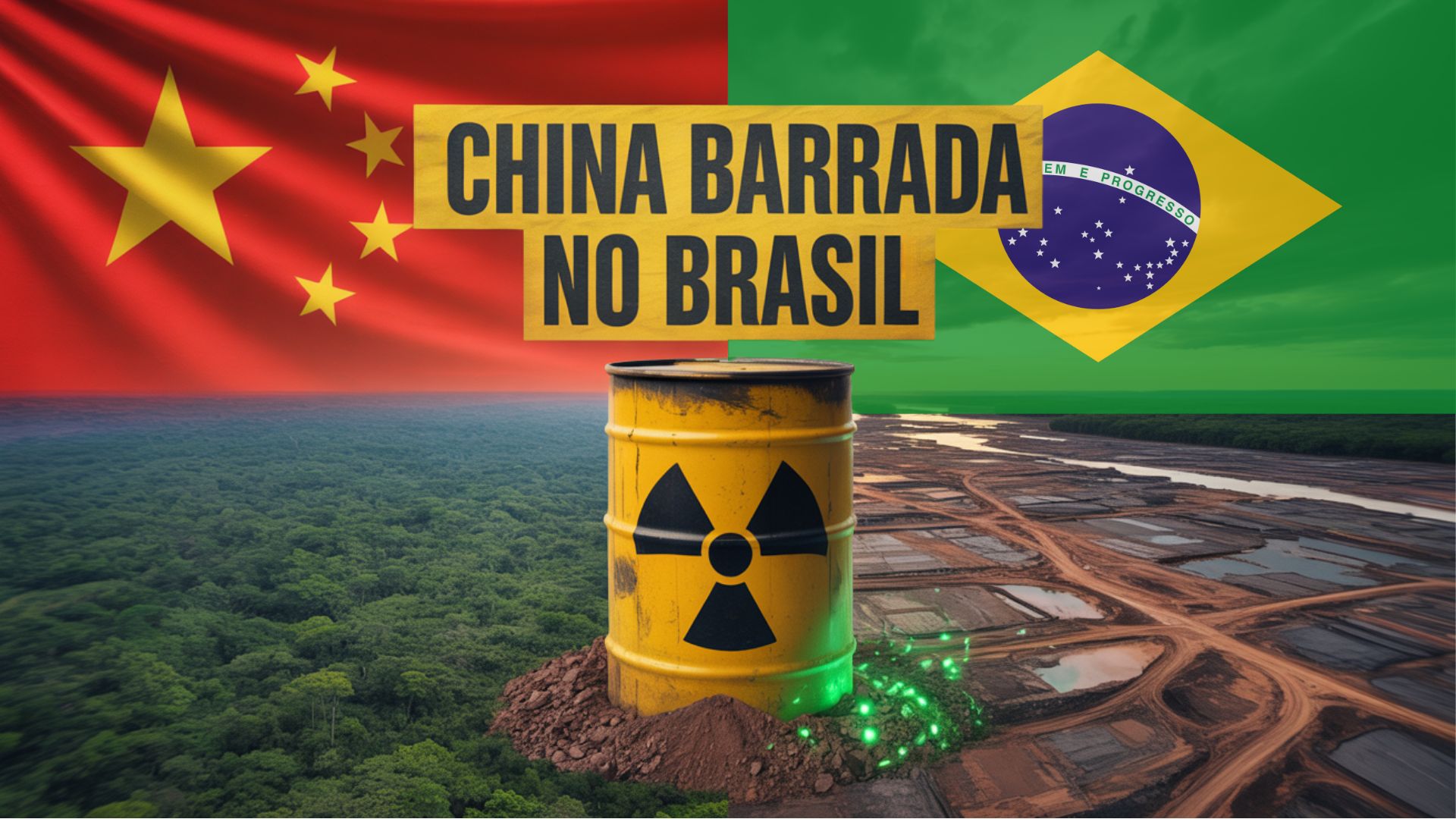
Brazilian Justice Pressures Chinese Company and Government to Prove Absence of Uranium Extraction in Mine in Amazon, Considered One of the Richest in the World, and Threatens to Suspend Operations if Environmental and Nuclear Safety Is Not Proven.
The Federal Justice gave a ten-day deadline for the company China Nonferrous Metal Mining and the Brazilian government to prove that the extraction of Pitinga Mine in the Amazon does not involve uranium or risk of radioactive contamination.
The warning was made in a decision by the 1st Civil Court of the Federal Regional Court of the 1st Region (TRF-1) on Tuesday (8/26).
If a satisfactory response is not provided, the judge determined that all mineral activity in the region may be suspended.
-
Rare earths are in everything, from cell phones to bullet trains, and what almost no one realizes is why they have become the target of such a delicate global war.
-
Brazil extracts 26.3 million tons of ore from what was previously treated as waste, transforming residues into wealth, producing over 3 million tons of sand, and demonstrating how national mining is relearning to generate value.

-
A $3.5 billion megaproject in Latin America pumps desalinated seawater at 1,050 liters per second over 194 km to keep a copper supermine in the Andes operational for another 20 years.
-
A hidden mine in the Andes valued at nearly R$ 1 trillion is starting to attract global attention, containing copper, gold, and silver, and raises an intriguing question: why do Argentina and Chile need to act together to exploit this gigantic wealth?
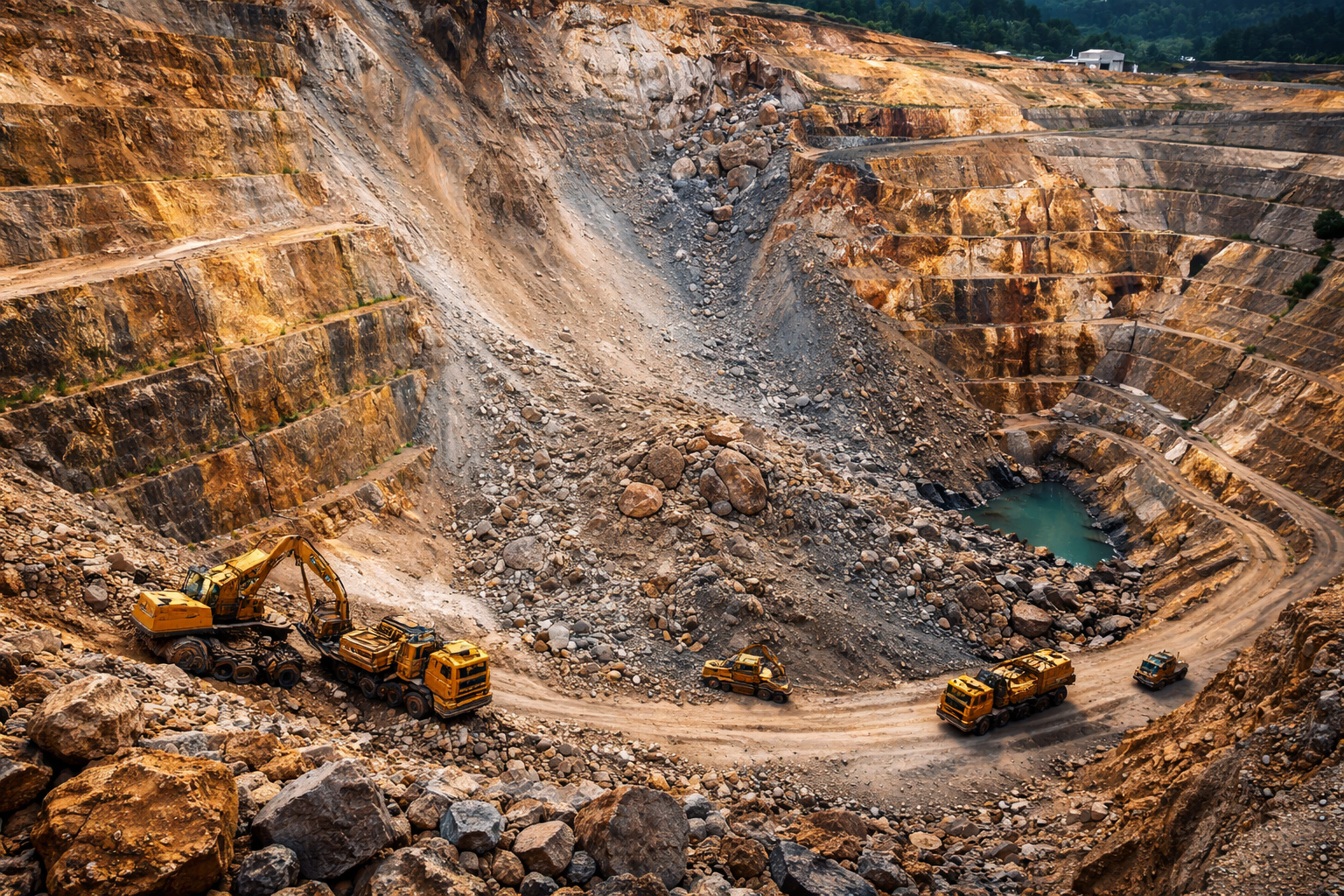

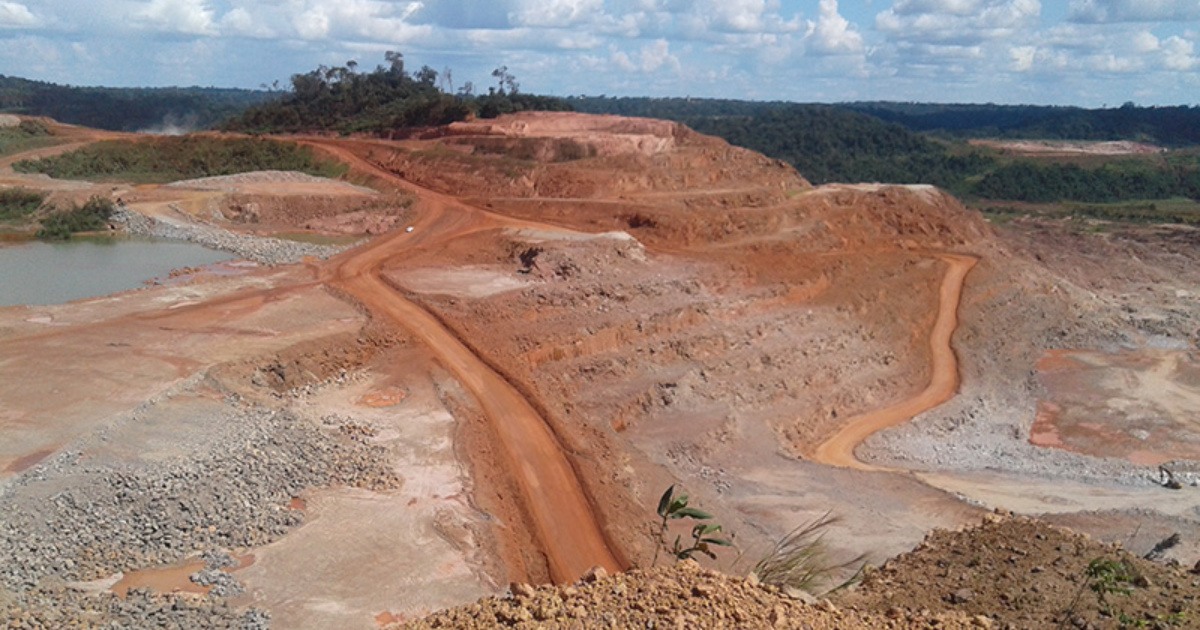
Located about 300 kilometers from Manaus, the mine occupies approximately 17 thousand hectares, an area comparable to 23,8 thousand football fields.
It is considered one of the richest deposits in the world, housing reserves of niobium, tantalum, tin, thorium and also uranium residues, a mineral whose extraction requires specific authorization from the Union as it involves nuclear material.
Judicial Dispute Over Control of Pitinga Mine
According to information published by the portal Metrópoles on Thursday (8/28), the mine is operated by Mineração Taboca S.A., which at the end of 2024 had its shareholding transferred to China Nonferrous Trade Co. Ltda. in a deal estimated at R$ 2 billion.
The change raised questions about the legality of the operation and the way strategic resources are being monitored.
The Constitution establishes that nuclear minerals belong exclusively to the Union, reinforcing the need for state supervision.
Senator Plínio Valério (PSDB-AM) has taken legal action to question the transaction.
He argues that the indirect transfer to a Chinese company was not submitted for prior authorization from the National Congress, as provided for by the Constitution in cases of exploration of indigenous lands or the concession of public areas exceeding 2,500 hectares.
According to the senator, this omission compromises national sovereignty and exposes strategic resources to risks of irregular exploitation.
Requirements and Conditions Imposed by the Justice
In a ruling, Judge Jaiza Maria Pinto Fraxe emphasized that the operation can only continue if there is concrete evidence that there will be no uranium extraction.
She demanded detailed explanations regarding monitoring methods, safety protocols to prevent the leakage of radioactive material, and guarantees that there will be no environmental damage or impact on nearby indigenous communities.
The judge warned that the absence of proof will result in a preliminary injunction suspending any activity deemed harmful.
“The failure to prove the previous items will lead to the granting of the injunction and the consequent suspension of any agreement that may cause environmental harm to the country, damage stemming from illegal mineral exploitation, and radiation exposure risks to the local population, both indigenous and non-indigenous,” she noted in the ruling.
Criticism of the Supervision by Public Agencies
Senator Plínio Valério also pointed out that public agencies did not adequately supervise the transaction.
He specifically cited the National Mining Agency (ANM) and the National Institute of Colonization and Agrarian Reform (Incra), as well as the Union itself, accusing them of omission in the face of a case involving strategic resources and territorial sovereignty.
According to the Constitution, it is up to the Legislative Branch to authorize the research and mining of mineral wealth on indigenous lands, as well as to pre-approve the sale of large public areas.
For the senator, by failing to meet these steps, the operation violated constitutional principles.
The lawyer André Moraes, representative of Plínio Valério, stated that the initial court decision is an important step to ensure compliance with the rules.
According to him, it is a “prudent and extremely necessary” measure since it involves strategic resources for Brazil.
Strategic Mine in the Heart of the Amazon
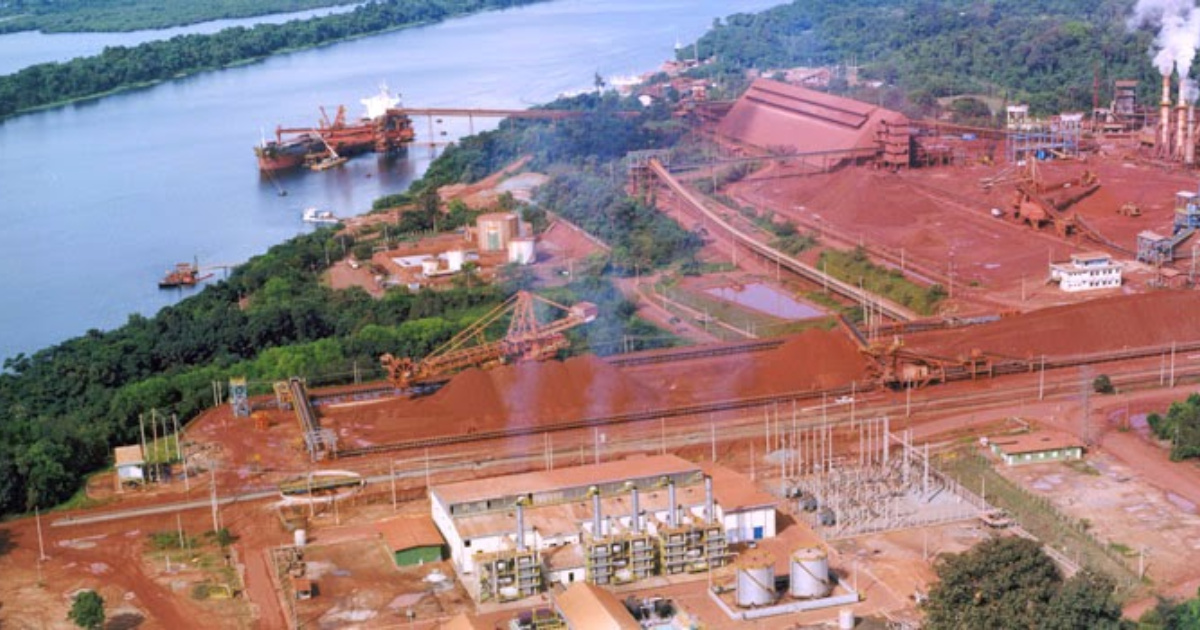
The Pitinga Mine is considered strategic not only for the size of its reserves but also for the variety of high-value technological minerals.
Niobium is used in metal alloys for turbines and high-strength equipment. Meanwhile, tantalum is essential in the production of electronic components, and tin has widespread industrial use.
However, the presence of thorium and uranium residues makes the region even more sensitive, as both are associated with radioactive elements that require strict controls.
This set of minerals places the area on the global radar of geopolitical and commercial interests.
The entry of a Chinese company in control of the exploration heightens tensions in a scenario of international competition for raw materials considered strategic for advanced technologies and for the energy transition.
The Other Side
In a statement, Mineração Taboca informed that the business transaction of the change of share control was completed in March 2025.
According to the company, it has become part of the group China Nonferrous Trade Co. Ltd., a subsidiary of China Nonferrous Metal Mining Group Co. (CNMC), with the due approval of the competent regulatory agencies.
Check the positioning:
The transaction does not change the activity being carried out in the area over the past few years. It will allow, among other aspects, Mineração Taboca to have the opportunity to invest in more modern technologies that will improve its activity in various fronts, including sustainability.
The company holds the mining concessions and respective environmental licenses to explore tantalite-columbite and cassiterite, linked to the production of tin and ferroalloy composed of tantalum and niobium, and strictly complies with all the rules established by the National Mining Agency (ANM) and the National Commission of Nuclear Energy (CNEN).
Mineração Taboca does not sell or transfer uranium, as according to Brazilian law, it is a resource for the exclusive use of the Federative Republic of Brazil, which cannot be used or exploited for any purpose by third parties.
What occurs, in brief, is that the Pitinga Mine (AM) is characterized as a polymetallic mine, meaning that there are several substances present in the rock.
After the ore beneficiation process, where tantalite-columbite and cassiterite are extracted, uranium, along with other minerals, is not recovered or processed. It is a byproduct of the process, discarded in accordance with applicable laws and regulations.
Mineração Taboca reaffirms its commitment to the environment and will provide the necessary explanations to the federal justice of Amazonas, in a spirit of continuous cooperation.







Seja o primeiro a reagir!