





 Portuguese
  English
  Spanish
  3 min of reading


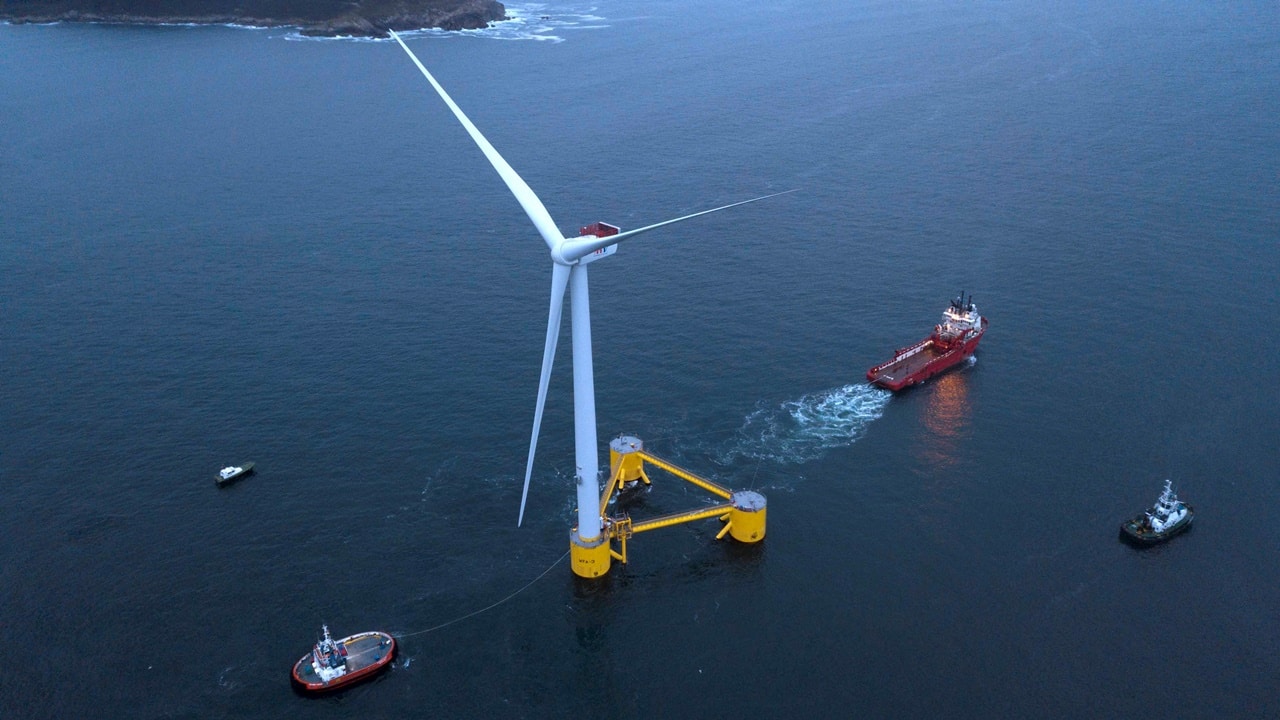
China Installed Its Largest Floating Wind Turbine, Developed to Withstand Extreme Weather Conditions. The Use of Giant Offshore Turbines Will Reduce The Cost of Wind Energy, Allowing Wind to Play a Larger Role in Renewable Energy Worldwide
Last Sunday (29), China Installed Its Largest Offshore Wind Turbine as Part of a Technology Advancement Project. According to the Media, the Giant Construction in The Wind Energy Sector Was Exclusively Developed For Challenging Offshore Conditions, Capable of Withstanding a Typhoon That Happens Once Every 100 Years. Additionally, China Has Already Announced a Plan to Boost This Type of Construction Focused on a Clean Energy and Low-Carbon System.
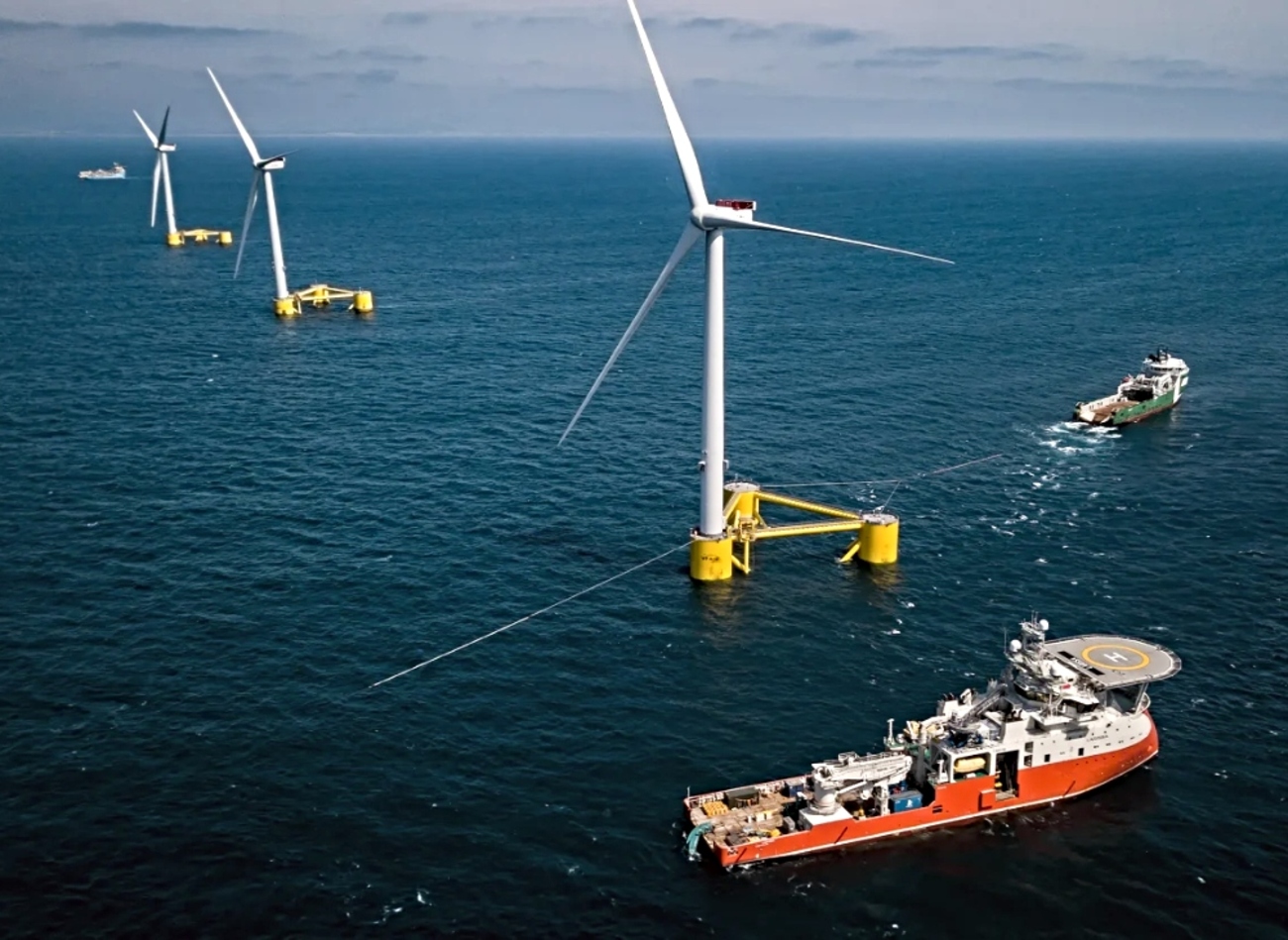
China’s First Floating Wind Power Equipment, “Fuyao”, Was Towed in Maoming, Guangdong Province, in Southern China on Sunday (29)
-
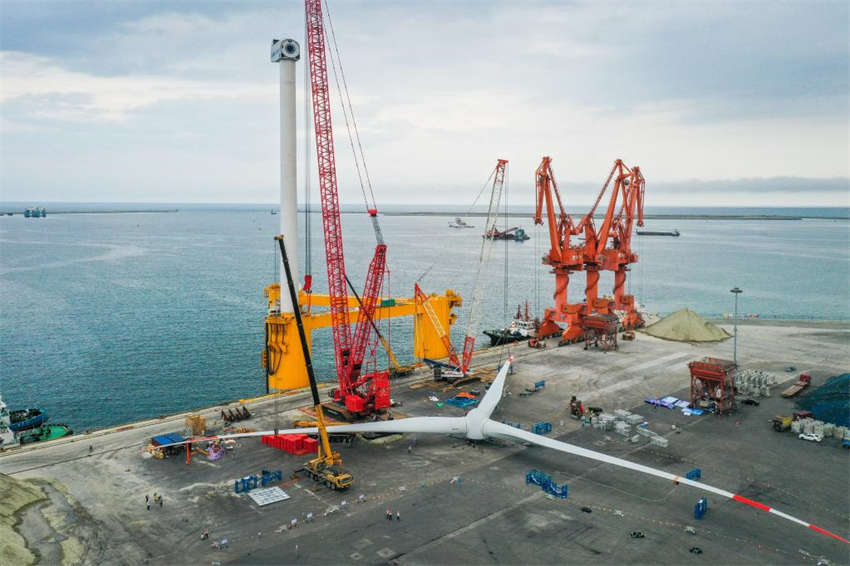
China’s First Offshore Floating Wind Turbine “Fuyao” Towed in Guangdong – Image: El Pin – Guangdong/Disclosure -
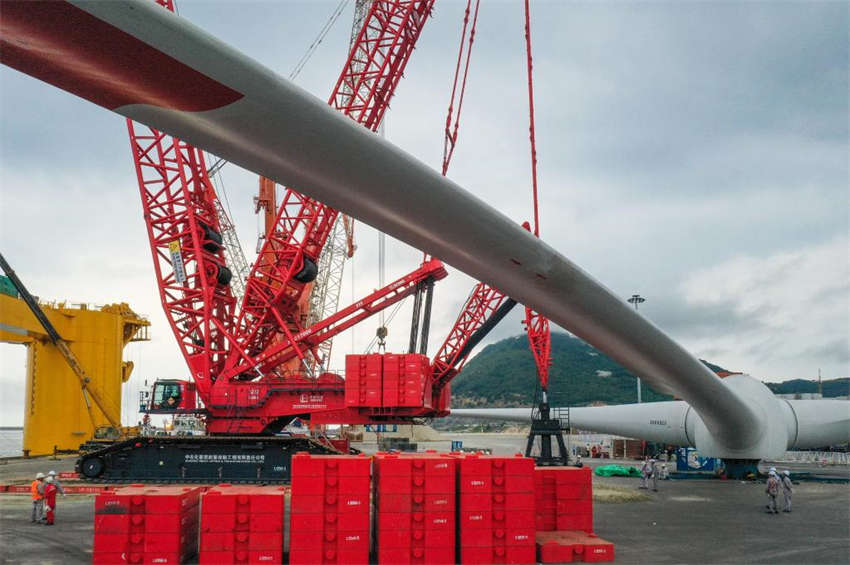
China’s First Offshore Wind Turbine “Fuyao” Towed in Guangdong – Image: El Pin – Guangdong/Disclosure -
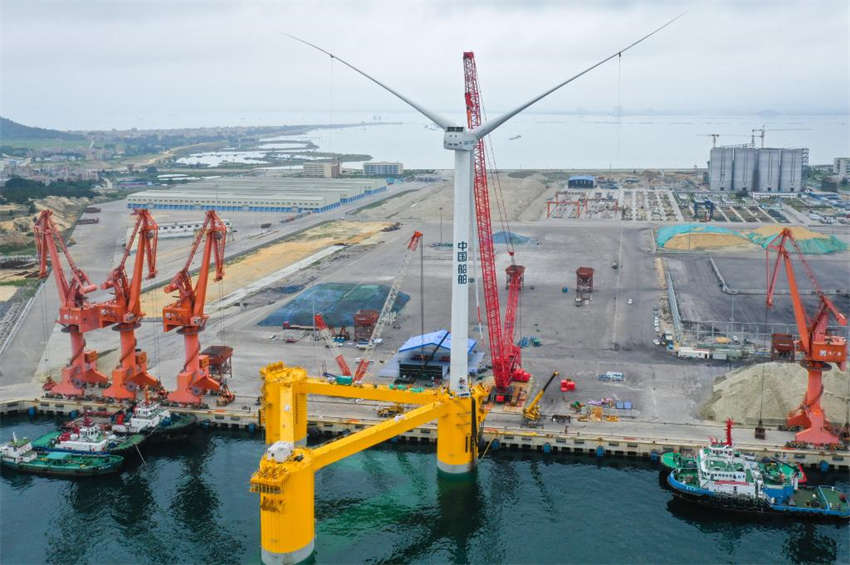
China’s First Offshore Wind Turbine “Fuyao” Towed in Guangdong – Image: El Pin – Guangdong/Disclosure -
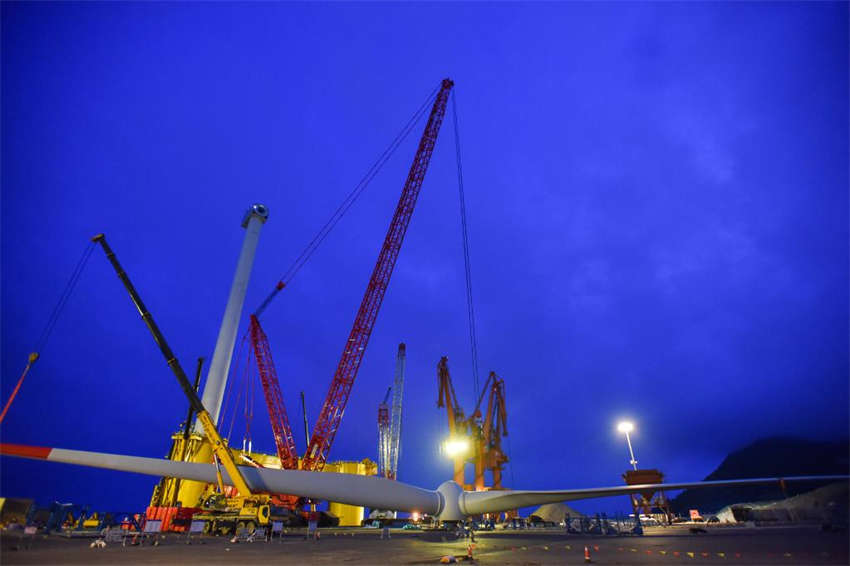
China’s First Offshore Floating Wind Turbine “Fuyao” Towed in Guangdong – Image: El Pin – Guangdong/Disclosure
Known as Fuyao, China’s Giant Platform Was Taken from Maoming, in the South of the Country, to a Position Over 11 Kilometers Off the Coast in the South China Sea. This Site for Installing the Offshore Wind Turbine Was Chosen Due to Its Water Depths, Which Can Vary Between 52 M and 68 M, and Also Because of Its Complex Seabed.
Being the First Offshore Wind Turbine to Be Installed in China, A Column-Stabilized Platform Configuration Was Used, Which Has a Triangular Base, Thus Contributing to Its Buoyancy, Making It Possible to Provide Additional Damping and Mass With Structural Support Between Columns to Reduce The Amount of Engineering Required for The Wind Turbine.
-
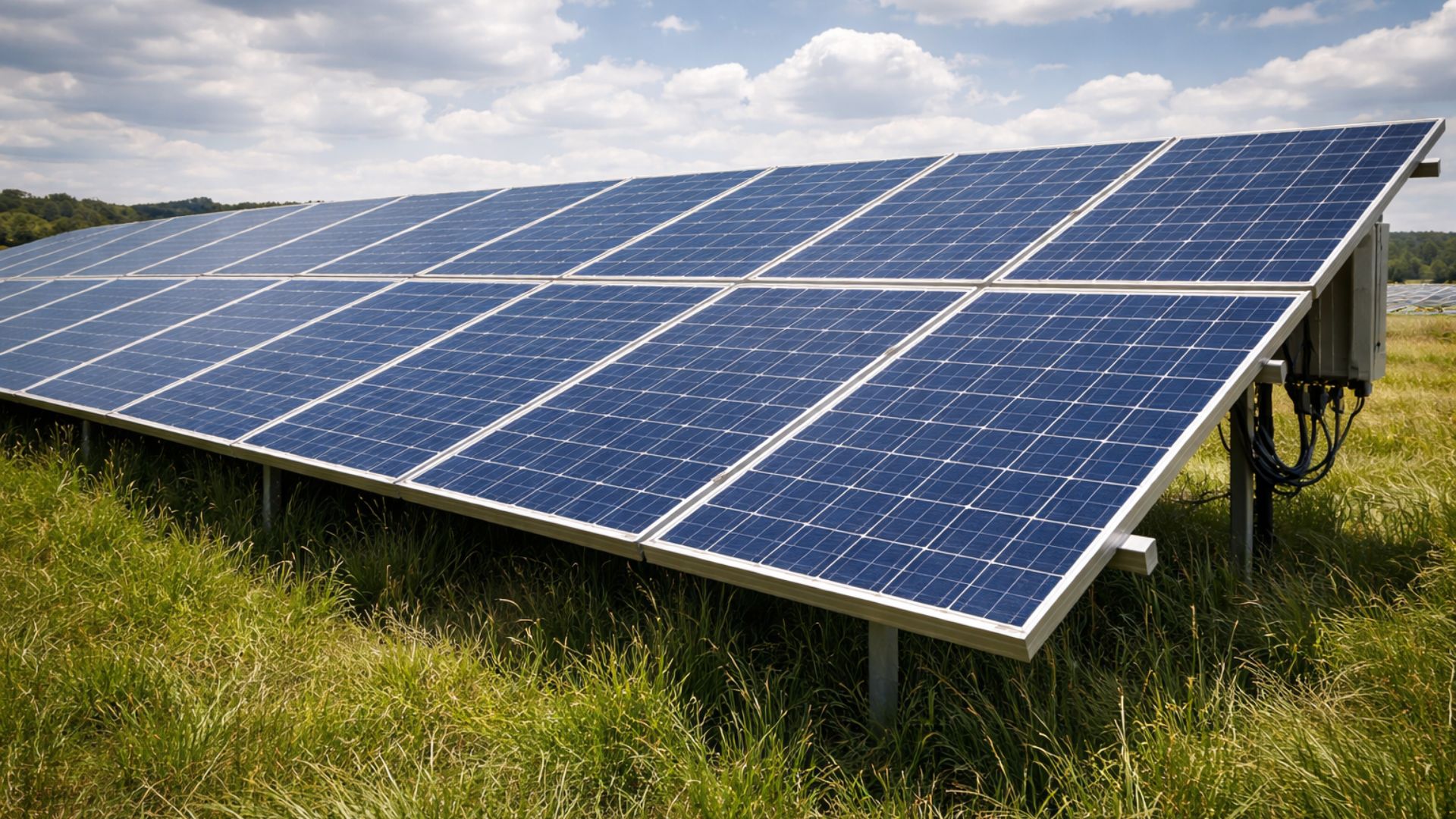
Itaipu receives proposals in the renewable energy tender and reinforces the role of public universities in the energy transition with projects that can reduce costs, increase academic investments, and accelerate sustainable innovation in the country.
-
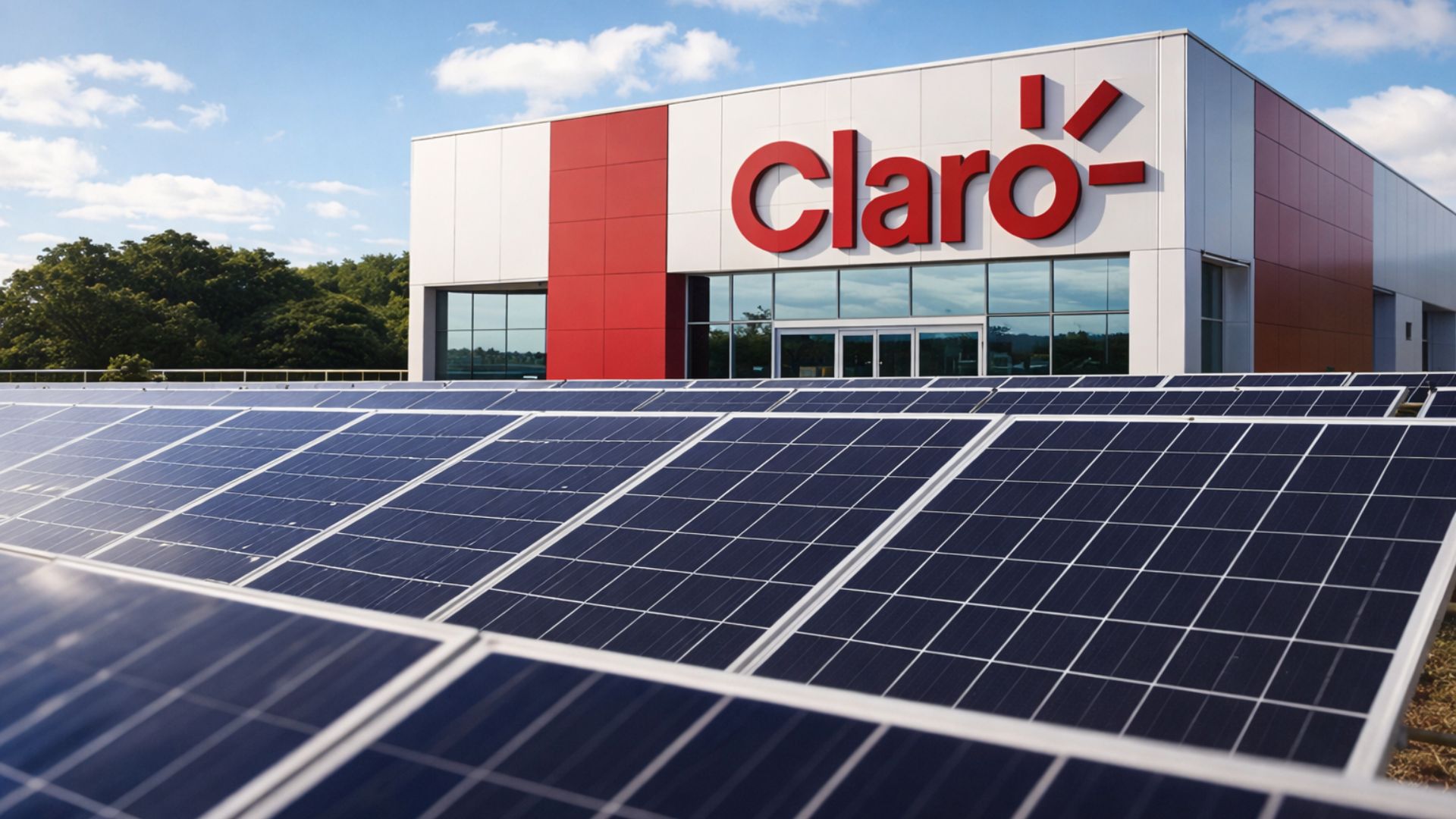
Claro operator reveals a silent change with hundreds of clean energy plants and shows how sustainability is impacting over 80% of its operations in Brazil.
-
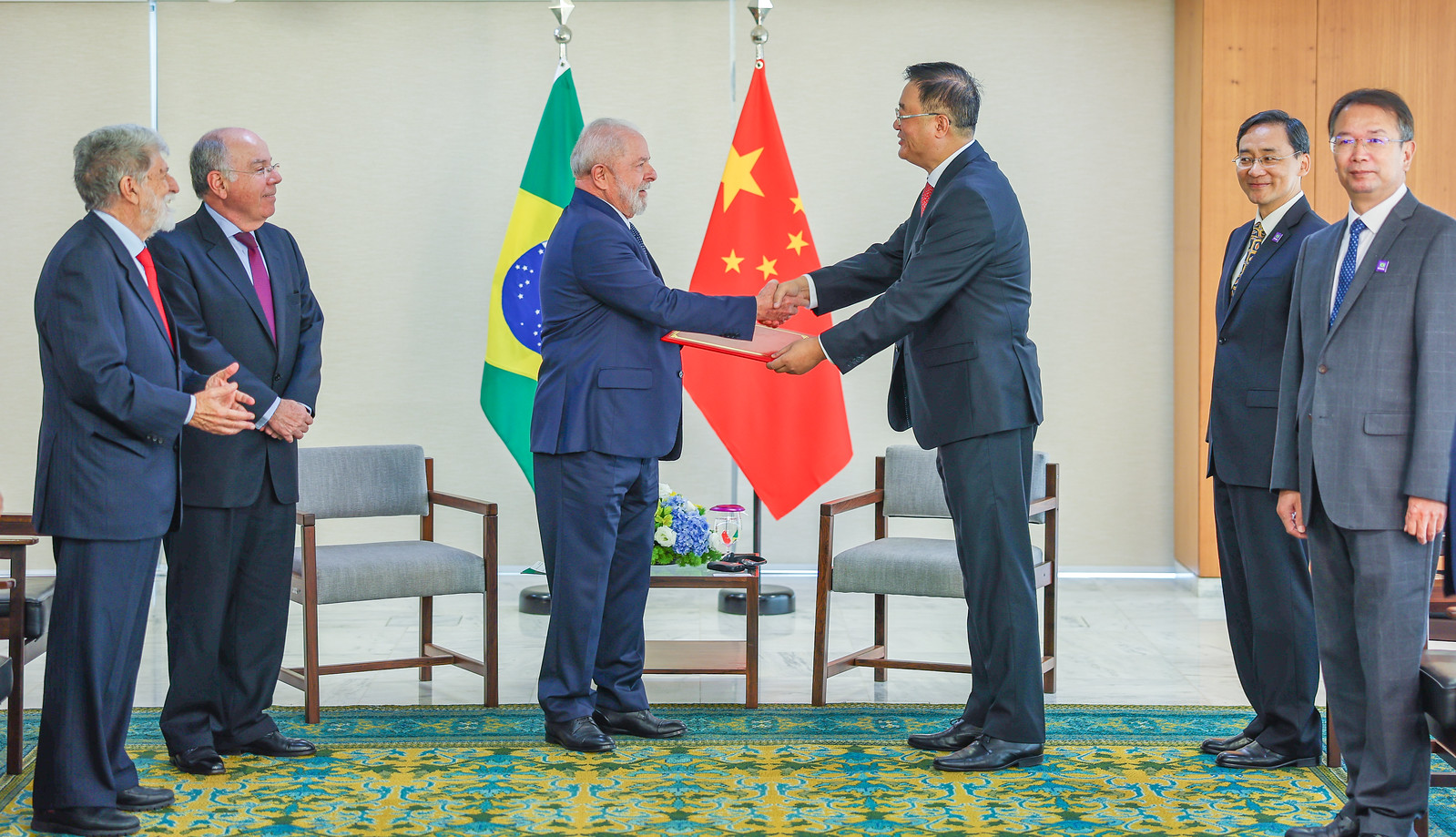
Billion-dollar strategic alliance: Brazil and China join forces in infrastructure and technology projects to lead the creation of a global green corridor in the energy transition.
-
Research reveals that the vast majority of national consumers are not willing to pay more for renewable energy despite their support for sustainability.
It Is Also Important to Note That The Floating Wind Turbine System Uses a Three-Point Catenary Mooring System. The Mooring Line Has the Shape of an Anchor Chain, Which China Claims Brings Greater Lifespan and Cost Reduction.
China Announces Plans to Boost Renewable Energy After Completion of Giant Offshore Wind Turbine Construction
The State Council of China Announced a Plan to Promote the Development of a Clean, Safe, Low-Carbon, and Highly Efficient Energy System. The Goal Is to Make The Total Installed Capacity of Wind and Solar Energy Reach 1.2 Billion Kilowatts by The Beginning of The Next Decade.
According to a Circular Prepared by The National Energy Administration and The National Development Commission, There Is a Plan to Encourage High-Quality Advancement of New Energies. The Specific Action Plan Counts With a Total of 21 Policies to Increase The Combined Capacity of Wind and Solar Energy in The Country.
China Has Accelerated Its Push for Clean Sources in Recent Years, Generating a Boom in Development in The Area of New Energies, With Installed Capacity Far Superior Compared to Other Countries.
Wind Energy Advances in Brazil
Earlier This Month, Siemens Gamesa Began Installing a New Construction of More Powerful Generators for Onshore Wind Energy in Bahia, Taking an Essential Step to Expand Its Competitiveness and Position Itself for The Advancement of The Country’s Offshore Wind Market.
Thus, Brazil Will Be The First in The World to Operate Siemens Gamesa Turbines, Which Have 6.2 MW of Power and a 170-Meter Rotor, Being The Largest Available in The Onshore Wind Energy Market.
The First Turbines, Being Manufactured in Bahia, Are Being Installed at The Tucano Wind Farm of AES Brazil. The Company, Which Until A Few Years Ago Produced 3.5 MW Wind Turbines, Has Found Significant Market Interest in The New Model and Already Has Several Suppliers, Mainly With Essentia, The Manager Pátria, and Engie Brazil.





Seja o primeiro a reagir!