Portuguese
  Spanish


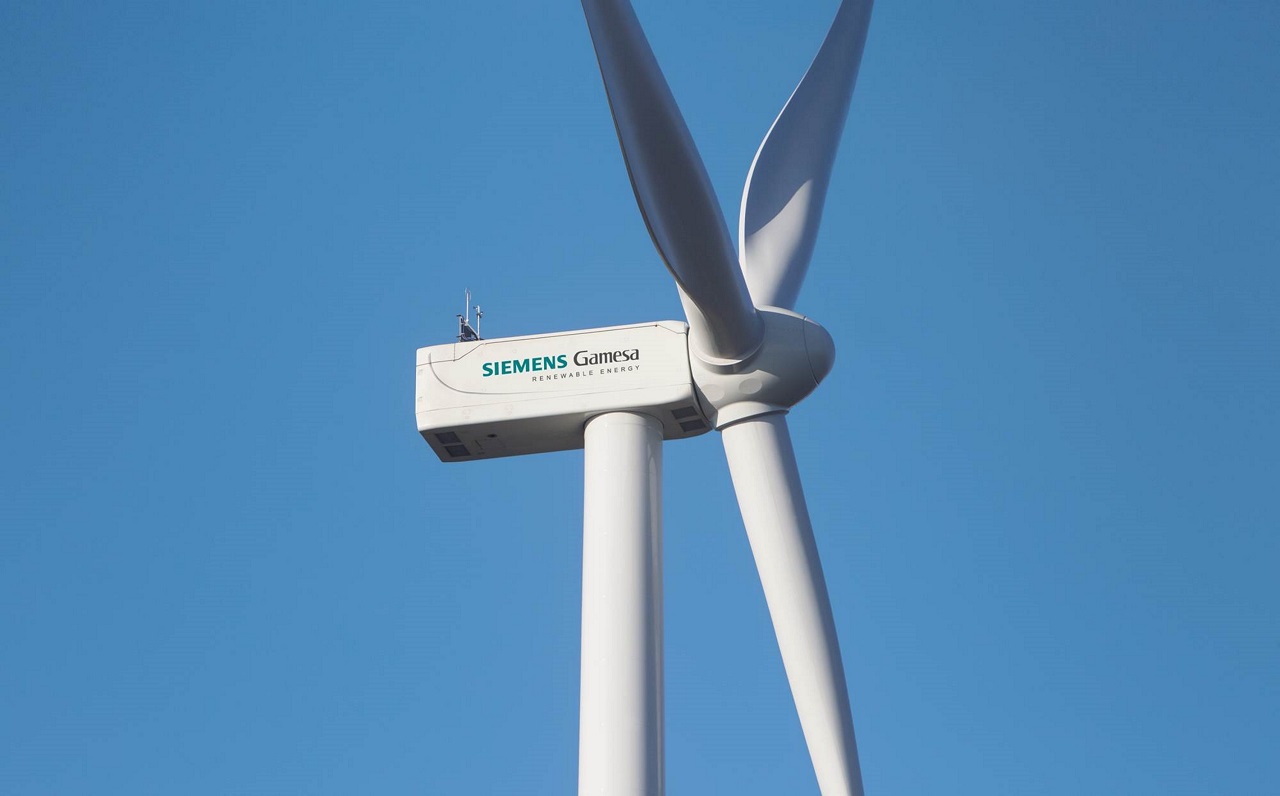

Siemens Gamesa Has Started the Installation of a New Generation of Wind Turbines in Bahia, the Turbines Can Produce Up to 6.2 MW and Have a Height of 170 Meters.
Siemens Gamesa kicked off on Tuesday (10) the installation of a new generation of more powerful machines for onshore wind energy in Bahia, taking an essential step to expand its competitiveness in a key market for the manufacturer and to position itself for the advance of the country’s offshore wind market. Brazil will be the first in the world to operate Siemens Gamesa’s wind power turbines, which have a nominal capacity of 6.2 MW and a rotor measuring 170 meters, the largest available in the onshore wind energy market.
Turbine Model Attracts New Investments in the Sector
The first machines, which are being produced in Bahia, are being installed at the Tucano wind power park, owned by AES Brasil. Siemens Gamesa, which only a few years ago produced generators of 3.5 MW, has noticed that the market has a strong interest in the new model and already has signed supply contracts with Essentia, managed by Pátria, and Engie Brasil.
According to the General Director of Siemens Gamesa in Brazil, Felipe Ferrés, the new turbine is becoming a key machine for the entire world. The first orders came either from Nordic countries or from Brazil. Currently, there are already several contracts beyond these regions. The executive further states that the model has drawn the attention of large wind energy investors, as it optimizes parks to make them more powerful with fewer machines and in the future, could be applied to small offshore developments.
-
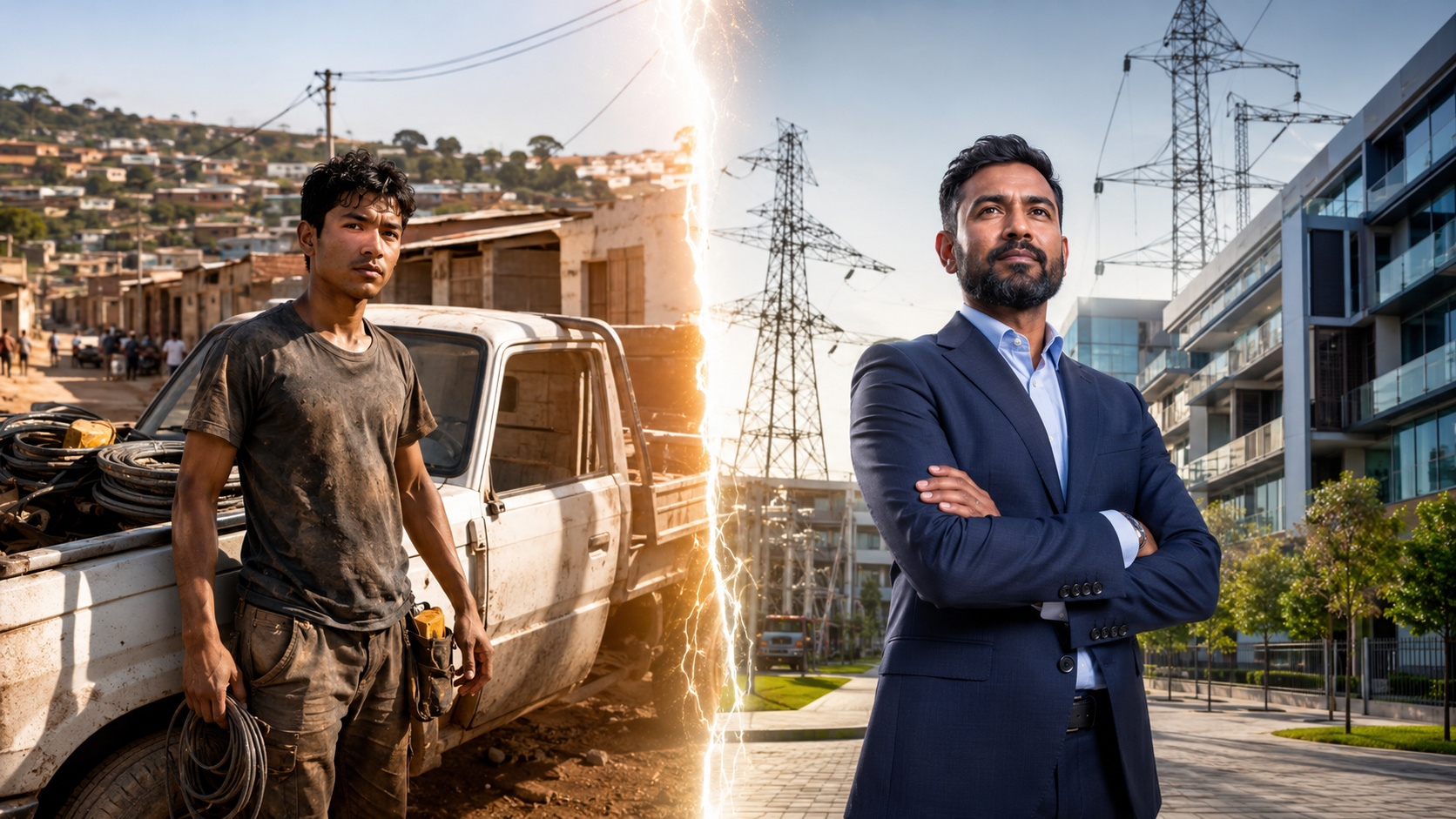
Fired during apartheid and with a little borrowed money, an electrician started with a borrowed truck and transformed electrical services into a group connected to energy, real estate, and infrastructure in South Africa.

-
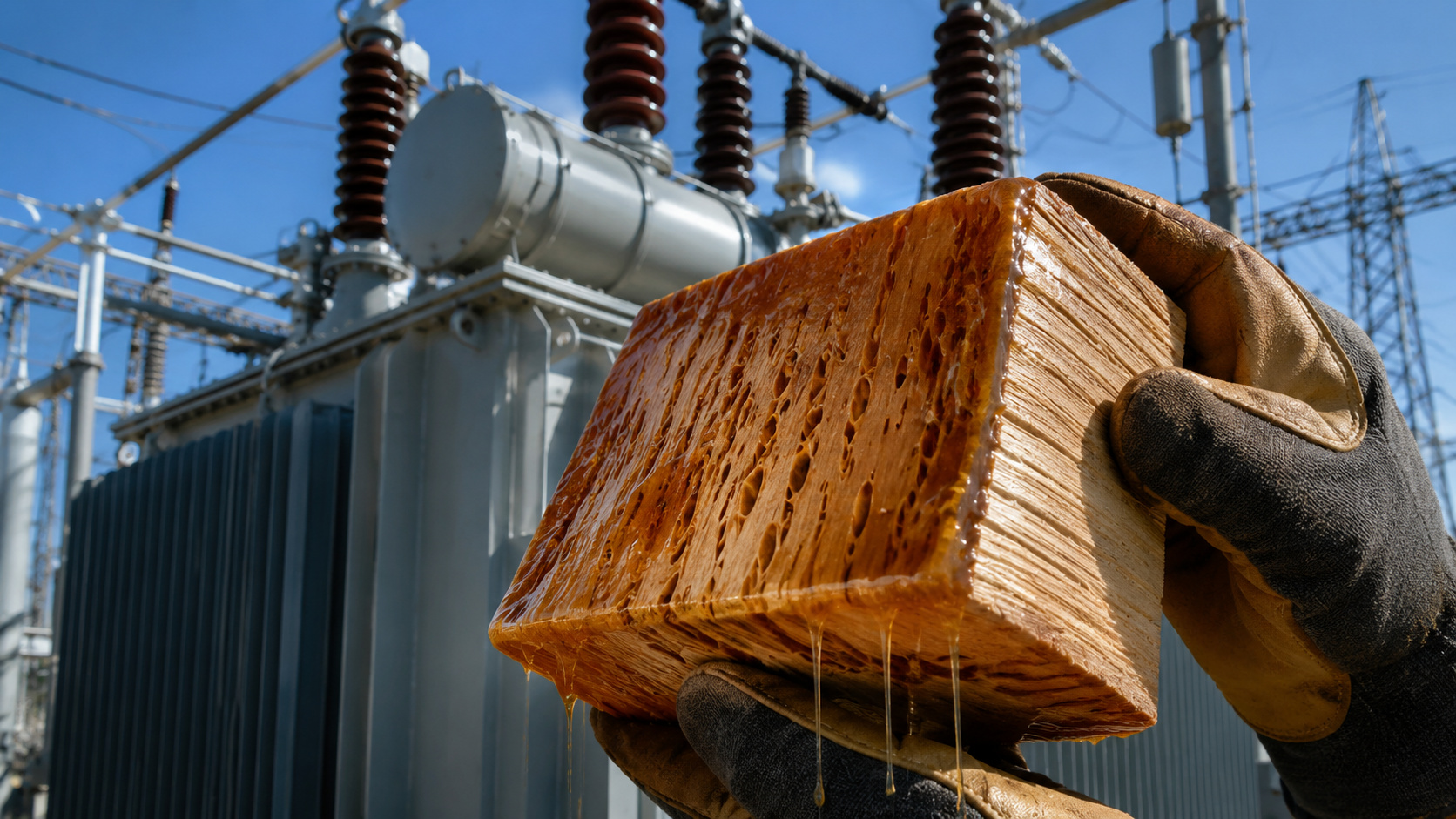
Wood has ceased to be just a construction material in Yale research and has become insulation for electrical transformers that face intense heat, aging, and increasing pressure from the renewable energy-powered grid.
-
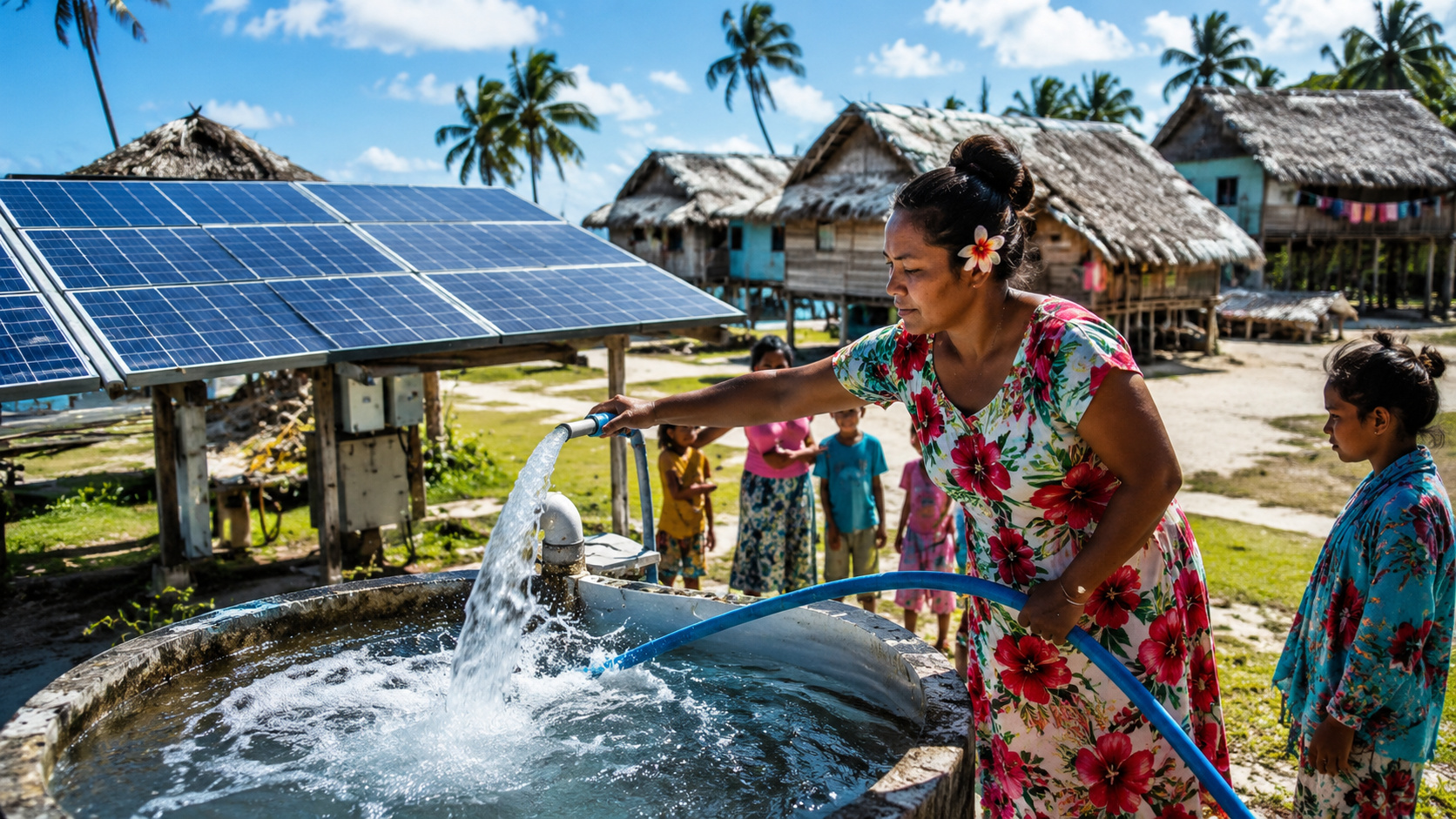
More than 1,000 residents of a remote island in Kiribati now have clean water and electricity with solar systems operated by the community itself.
-
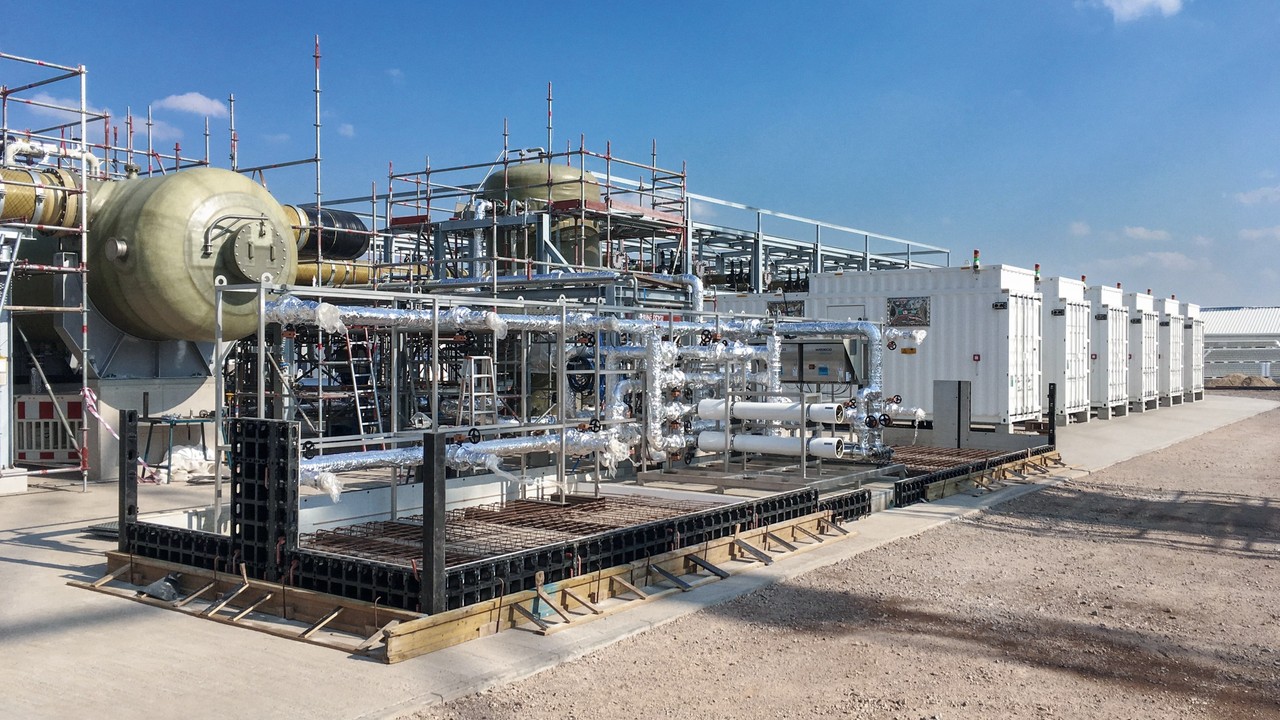
Ceará brings together 7 giants and R$ 66 billion to transform Pecém into the largest green hydrogen hub in Brazil, with final decisions expected by the end of 2026.

The director affirms that Siemens Gamesa has a significant advantage in this respect, considering that it has already moved to such a large machine on land, while thinking that it could also be applied offshore. The executive states that, however, offshore parks are generally much larger than onshore ones, so the volume of orders should grow proportionally for local production to be viable.
Green Hydrogen Could Contribute to Wind Energy
Ferrés also states that there is no doubt that the wind energy market in Bahia and Brazil will develop greatly, but he understands that the speed of this process is directly linked to the development of green hydrogen.
Thinking only about wind expansion to meet the energy market, the company is at a “plateau” of 4 GW installed annually for the entire industry, but when green hydrogen begins production, the scale multiplies and it will be necessary to go offshore, which is being carried out in Brazil, where Siemens Gamesa is present.
Green hydrogen is produced through an electrolyzer that consumes renewable energy, which can be generated by wind turbines, for example. The fuel has the potential to contribute to combating climate change and, besides being used in vehicles in the future, it also has applications in the food industry and others.
Siemens Gamesa Faces Disruption in Supply Chains
The company has its turbine factory in Camaçari, Bahia, full until the end of next year or 2024 and does not see many difficulties in meeting the demand of its customers.
What is currently done in one shift could potentially be done in three shifts, meaning the factory’s capacity could be tripled without increasing physical space or labor, only with adjustments and training.