





 Portuguese
  English
  Spanish
  4 min of reading
  0 comments


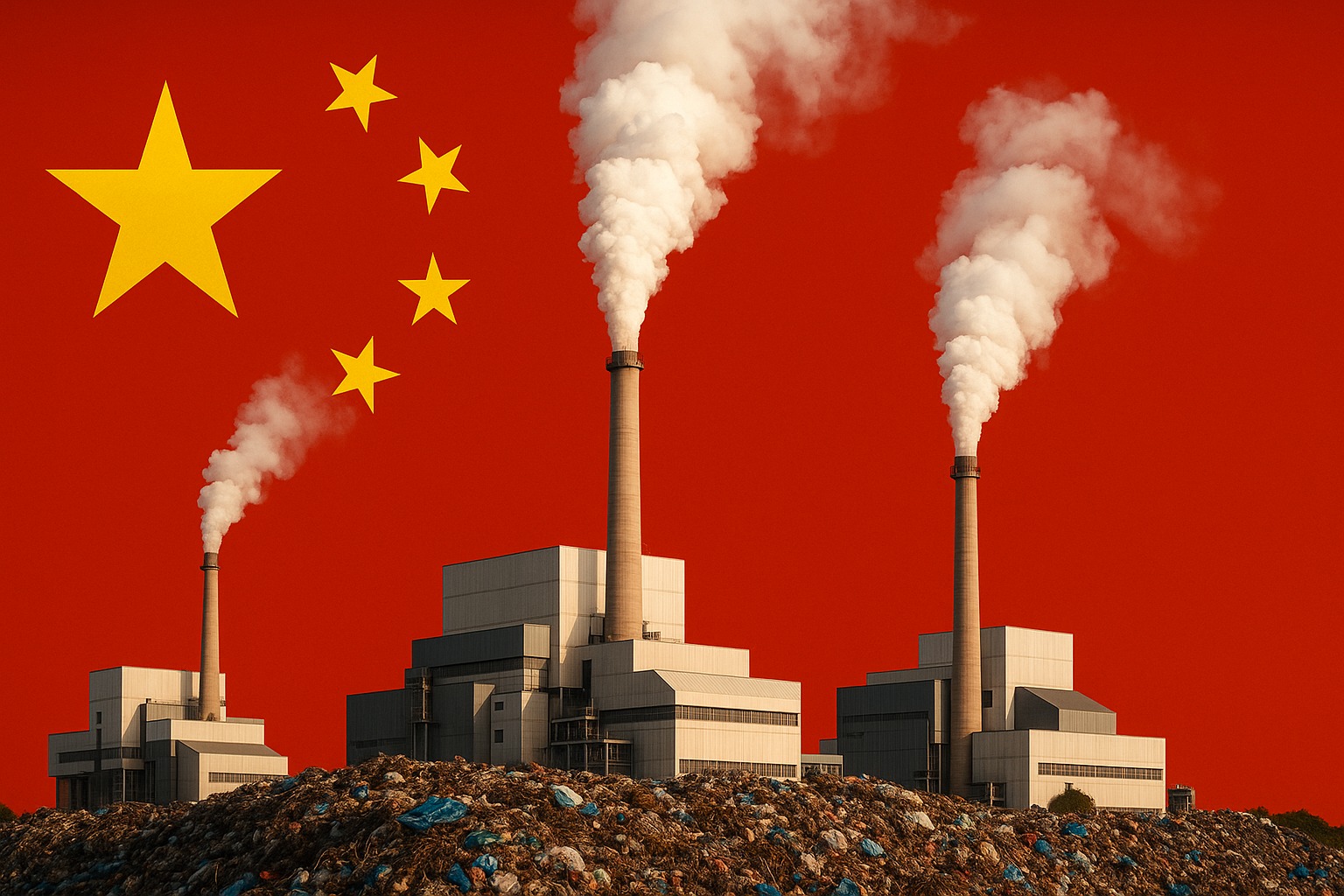
The Chinese Turn in the Waste Sector Exposed a Growing Contradiction, Where Old Dumping Sites Are Reopened to Supply Rapidly Expanding Incinerators
Until a few years ago, China was seen as the voluntary destination for the world’s trash, as it imported waste to supply its industry. This scenario began to change, as the country started to deal with a completely different reality. Today, what remains is not trash, but incinerators that need to burn it.
In recent years, old dumping areas have started to be excavated. Many plants began to burn waste stored for two decades because demand keeps growing.
The Long History of Dependency on Imports
In 2016, China imported millions of tons of plastic and maintained a central role in the global waste flow.
-
Historic bankruptcy of Centauro shocks the market, and the century-old company puts more than 500,000 products, machines, and complete infrastructure up for online auction.
-
New shoe factory in Ceará is expected to create 400 jobs and strengthen the local economy.
-
No one imagined it, but a mixture of sawdust with a mineral that fights fires surprises scientists with a result that changes the course of fire-resistant construction.
-
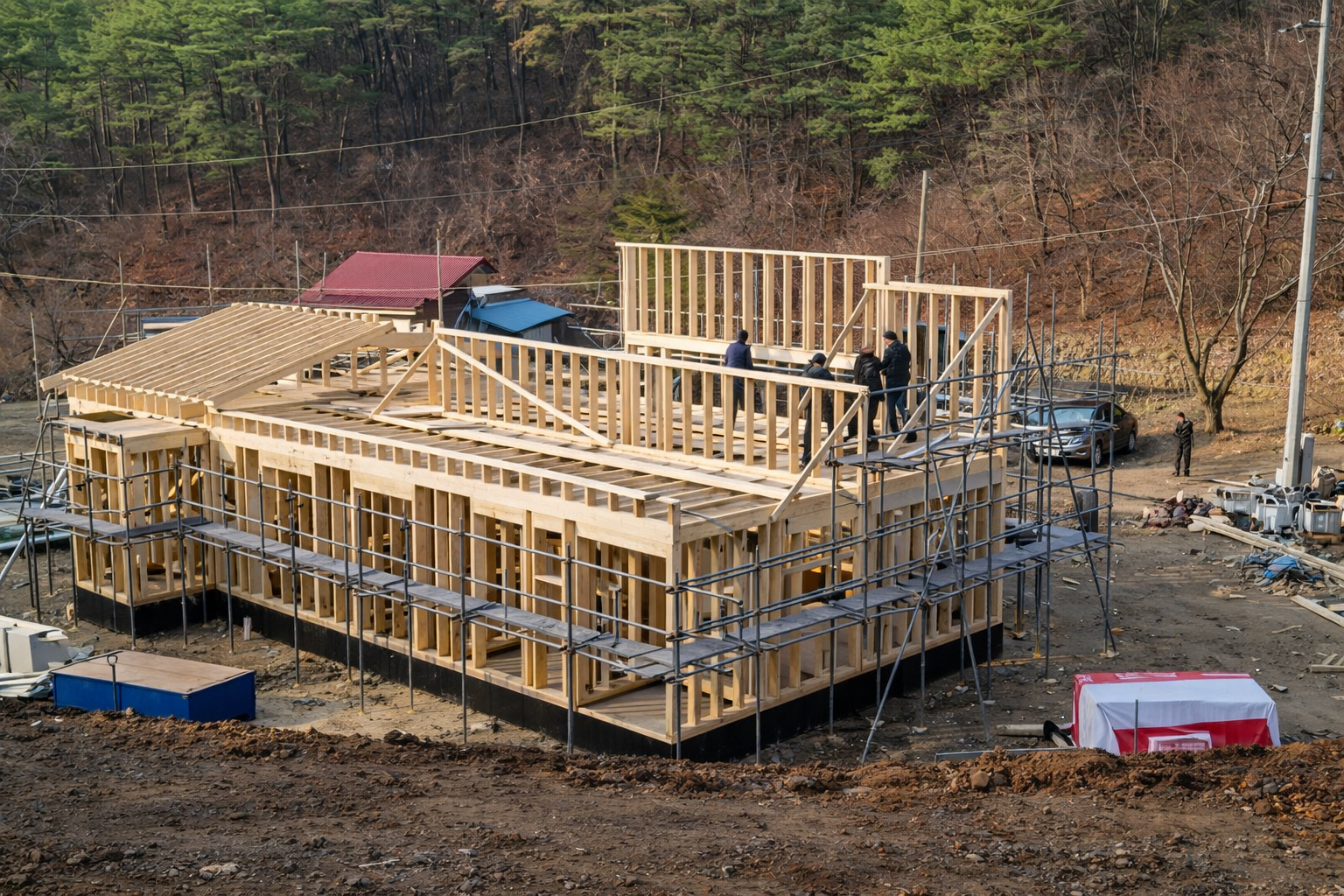
From empty land to a high-end house, wooden construction uses a lightweight system, metal structure for the foundation, ventilated ceramic cladding, and special windows to create an efficient and comfortable living space throughout the year.

Hong Kong also received large quantities, in addition to paper, scrap, and textiles. For over twenty years, the country was the world’s main receiver. And this happened by its own decision.
In the 1980s, faced with a shortage of certain raw materials, the Chinese government decided to import useful waste to supply its industry.
Additionally, cases like that of electronic waste gained prominence, as this type of material was dismantled in very poor environmental conditions, as explained by academic Erik Baark.
Domestic Growth Changed the Game
By the end of the 2010s, the internal volume of urban waste increased rapidly. The country went from 158 to over 249 million tons. Thus, the government realized it was running out of space.
Authorities reacted with tougher measures. In 2017, over 800 companies were fined for violating recycling regulations.
Moreover, a few months later, 259 people were arrested for illegal imports of over 300,000 tons of waste. Even so, this was not enough.
The Shock in the Global Market
The government banned imports. The decisions made in 2017 and 2018 had a global impact. Recycling systems, especially in the West, entered a crisis because they depended on China to dispose of a significant portion of their waste.
But Chinese policy was moving in another direction. The 12th Five-Year Plan supported the advancement of incineration, with clear goals to expand this method of treatment. The country aimed to raise the incineration rate to 35%.
The Advancement of Incinerators
The pace of expansion was very fast. From 2019 to 2023, the number of plants jumped from 428 to 1,010. The 2025 goal, which anticipated a daily capacity of 800,000 tons, was surpassed as early as 2022.
This system began processing about 80% of the country’s waste. Therefore, the demand for waste increased.
Now, however, the lack of raw material has become a problem. Large cities are facing reductions in incinerator operations because the available waste is insufficient.
The Race for Waste
Recent reports show that about 5% of the plants cannot operate due to scarcity. Competition among plants has increased, therefore the search for waste has intensified.
This has led to the unearthing of old waste. In several regions, old landfills are being excavated to recover material discarded many years ago. But this idea is not as efficient as it seems.
According to the Jabiertzo channel, mixing new and old waste is essential. Old waste does not burn well on its own. Thus, it becomes necessary to bring waste from other cities, which creates additional costs and challenges.
Why Landfills Have Returned to the Center of the Problem
The origin of this movement does not stem from scavengers trying to profit from weight-based sales. It comes from the need for incinerators themselves to store the ashes generated in the process.
Initially, the plants offered to free up space in landfills and use it for their ashes. However, as waste became scarce and the sector is highly profitable, landfills began functioning as an additional source of waste.
The average annual profitability reaches millions of dollars per plant in rural areas, therefore economic pressure intensifies.
An Uncertain Future in China
Despite the expansion, no one considers this model sustainable. The growth of Chinese waste has been lower than expected.
Therefore, experts point out that the incineration system may enter a crisis.
First, because there will be a lack of material to keep all plants active. Additionally, the unearthing of waste is not considered a permanent solution.
It is merely a way to meet immediate demand, without solving the long-term problem.
China has changed the entire global dynamics of waste. But now it faces its own dilemma because it has created a structure that relies on a volume of waste that no longer exists in the same proportion.
With information from Xataka.






-

2 pessoas reagiram a isso.