





 Portuguese
  English
  Spanish
  3 min of reading
  15 comments



A Bronze Sword Named Ramses II Was Discovered in an Ancient Barrack in Egypt 3,200 Years Ago, Revealing Secrets of the Past
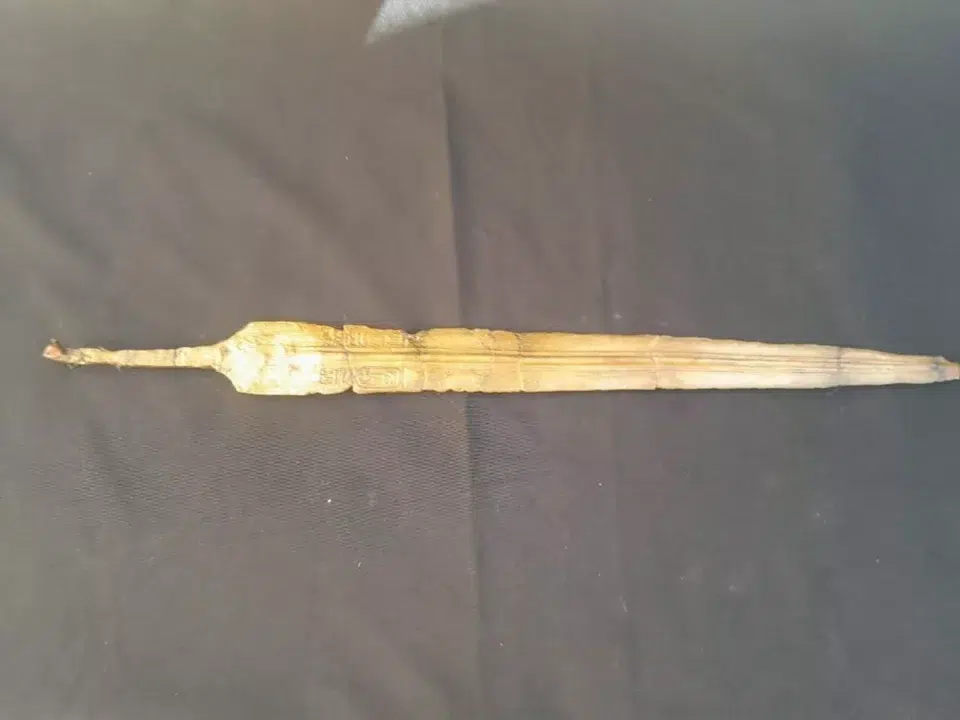
Archaeologists in Egypt made a surprising discovery in a 3,200-year-old military barrack located in the northwest of the Nile Delta. Among the artifacts found, there is a bronze sword engraved with the name of the famous pharaoh Ramses II in hieroglyphs.
The sword is believed to have belonged to a high-ranking officer, representing an important piece of evidence of the military might of ancient Egypt.
The barrack, strategically positioned along an important military route, served as a defensive outpost against potential invaders coming from both the western desert and the Mediterranean Sea.
-
8-year-old boy discovers hidden gold mine in China and reveals millennia-old relics that could rewrite the history of ancient trade routes

-
A Brazilian teenager created an artificial intelligence to map heat islands and help cool down cities that are becoming open-air ovens under increasingly extreme temperatures.

-
With 18 levels carved into the rock and a capacity for 20,000 people, Turkey’s gigantic underground city was a complete refuge with churches, schools, water, and ventilation, created to keep an entire population hidden and protected.
-
A pizza owner discovers a fake R$ 173 Pix payment, sends a “pizza” filled with rubble to the scammer, goes viral with over 2 million views, and exposes a scam affecting small businesses, reinforcing the warning to check payment confirmations before delivering orders.


The discovery of the sword reinforces the importance of this military base during the reign of Ramses II, a period marked by military campaigns and the pharaoh’s expansive efforts to protect Egypt’s borders.
A Glimpse into Egyptian Military Life
The archaeological site revealed a large quantity of artifacts that provide new insights into the daily lives of Egyptian soldiers. The barrack included grain storage facilities and large ovens, indicating that the base served as an important supply center for the troops.
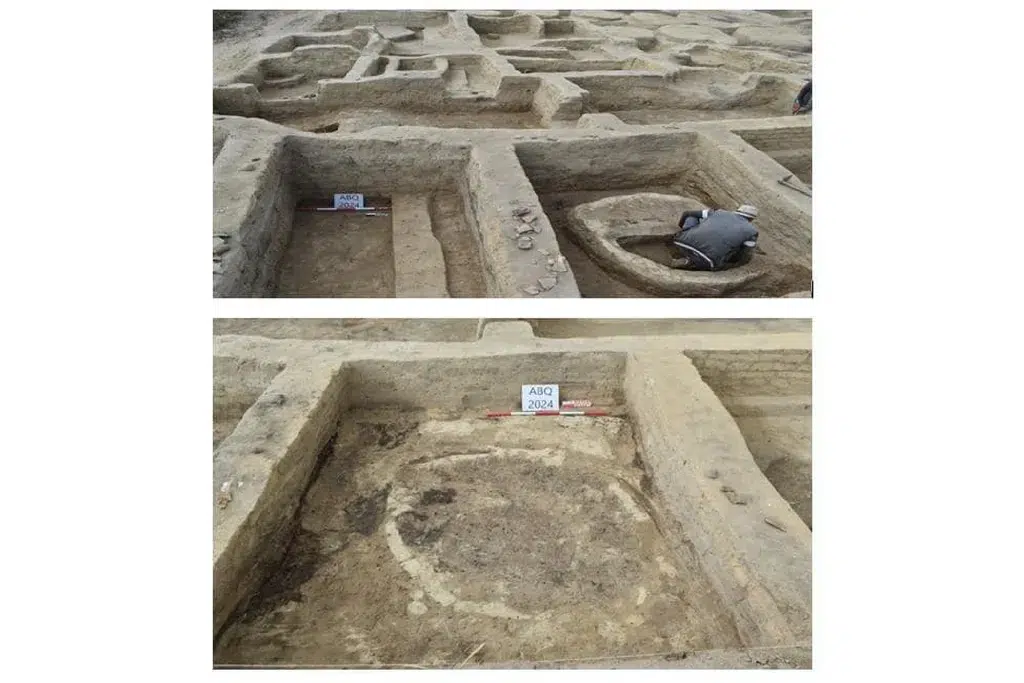
Additionally, ceramics found at the site contained remains of animal bones, primarily fish and cattle, which appear to have been part of the soldiers’ diet.
Cattle, which were often revered in Egypt as symbols of strength and abundance, played a practical role in this military context.
Cattle bones were found near silos and ovens, suggesting that these animals were slaughtered, dried, and stored as a source of sustenance for the troops stationed at the barrack.
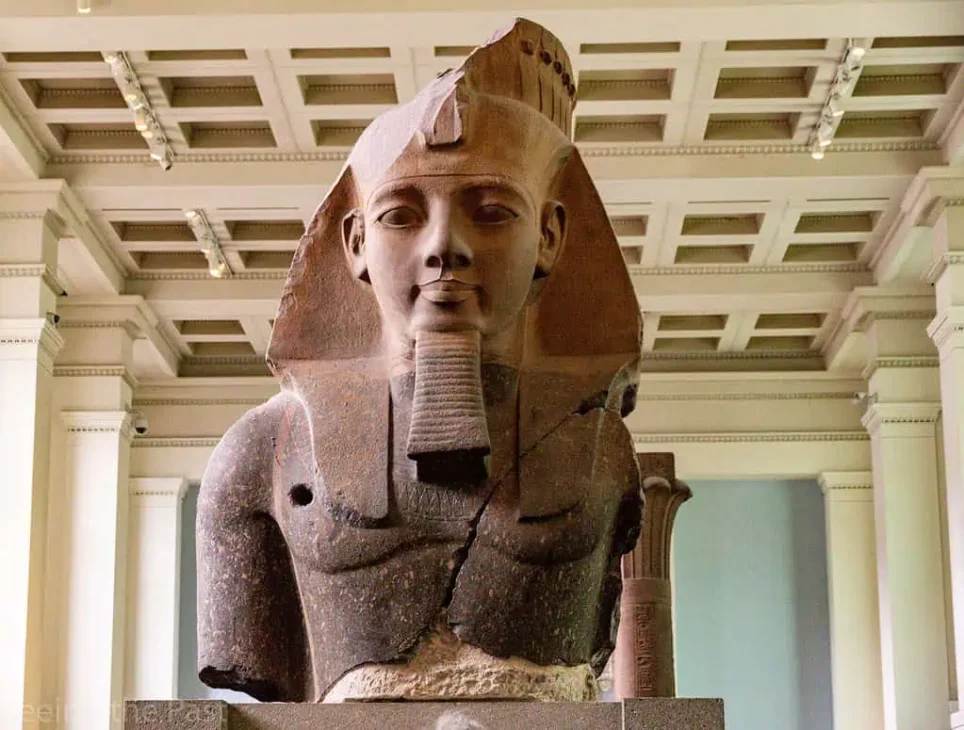
Ramses II
Ramses II, also known as Ramses the Great, was one of the most prominent pharaohs of Egypt, remembered for both his military achievements and his grand architectural projects.
During his reign, he led numerous military campaigns, including the famous Battle of Kadesh, and left a legacy of imposing monuments such as the temples of Abu Simbel and the hypostyle hall of Karnak.
The pharaoh was also known for his desire to be remembered for eternity, which is reflected in the abundance of monuments dedicated to him throughout Egypt. His name, engraved on obelisks and temple walls, has stood the test of time, and now, the sword found in the military barrack serves as further proof of his lasting influence.
This discovery not only enriches our understanding of the era of Ramses II but also highlights the importance of the military and cultural legacy left by this great pharaoh.




Descobertas antigas são sempre importantes para desvendarmos os mistérios do passado.
Derrete ela q vai ter mais utilidade
O valor histórico é 1000x mais caro do q até do ouro😃
E de Jesus nada?