






 Portuguese
  Spanish


Derinkuyu reveals how ancient communities in Cappadocia transformed the underground into a structure for shelter, circulation, storage, and collective life, in a complex that continues to attract the attention of researchers and visitors.
The underground city of Derinkuyu, in Cappadocia, is part of the set of rock-hewn structures that helped make this region of Turkey a reference for ancient underground settlements.
Located in Nevşehir province, the complex reaches about 85 meters deep and brings together environments associated with the permanence of numerous groups underground, such as storage areas, stables, a kitchen, a church, a refectory, and a religious school.
The capacity for up to 20,000 people appears in historical dissemination texts and international reports, but should be treated as an estimate, not as a count proven by population records.
-
After three years living in a van, a couple bought an abandoned historic house and had to deal with mold, damaged plumbing, raccoons, and heavy cleaning before moving in.

-
In the city that the market called “road cockroach,” between Balneário Camboriú and Florianópolis, he launched a planned neighborhood worth R$ 1 billion with a marina for 90 boats and sold 80% of the lots in the first phase in 1 week.

-
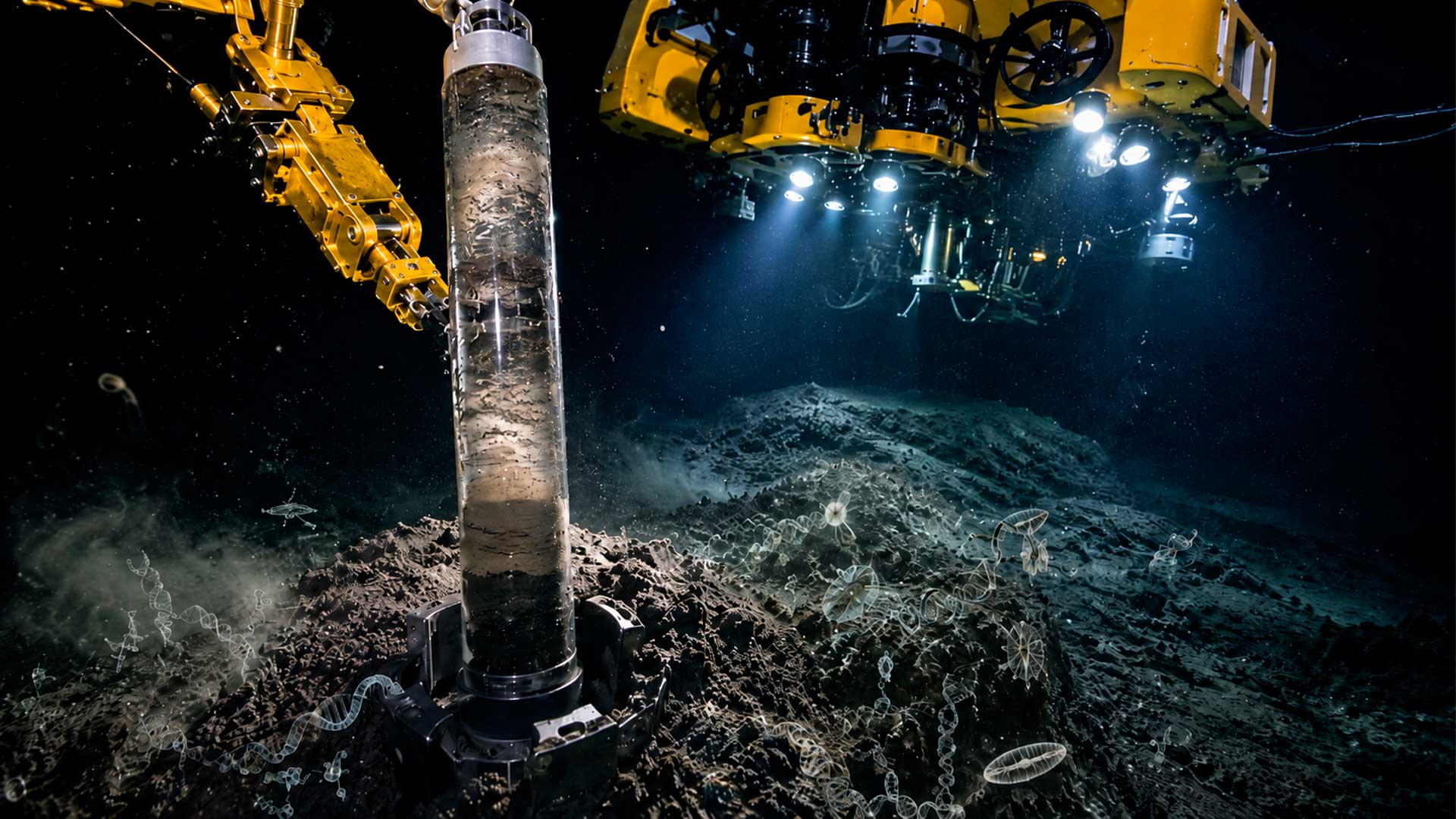
At a depth of 5,000 meters, where there is no sunlight, researchers found ancient DNA preserved in the mud of the South Atlantic and discovered signs of organisms that did not match known records.

-
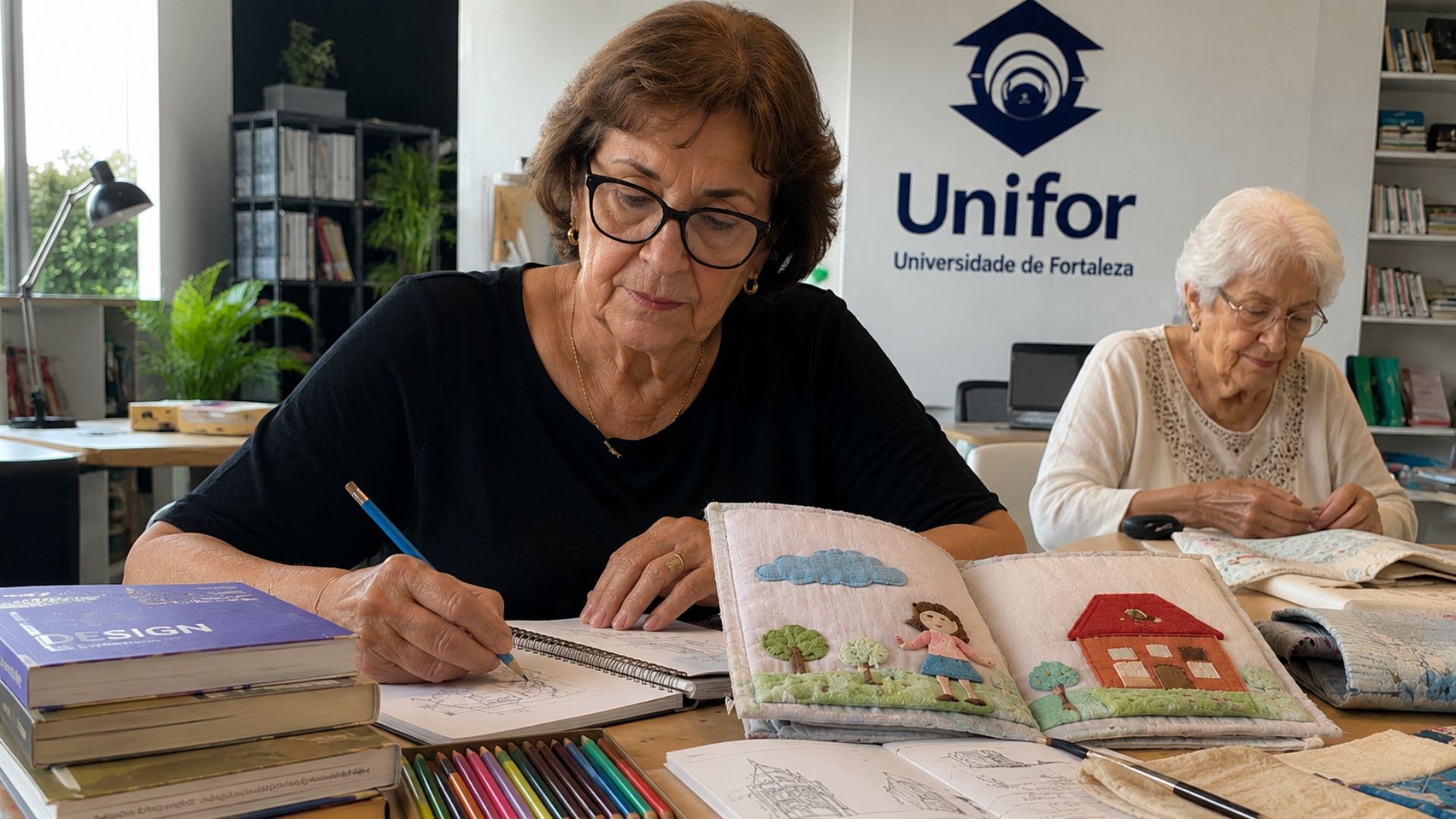
At 77 years old, a retired woman who never tires of learning completes her second degree in design in Ceará and moves people by revealing the help of her 98-year-old mother in the final project.


National Geographic, when discussing Cappadocia’s underground cities, describes Derinkuyu as the largest excavated underground complex in the region and states that it could house this number of people during periods of refuge.
The site is also part of the area recognized by Unesco in the “Göreme National Park and the Rock Sites of Cappadocia” ensemble.
According to the organization, underground cities like Kaymaklı and Derinkuyu were used as shelters at different historical moments, especially in contexts of threat and displacement in Anatolia.
The underground city of Derinkuyu was excavated in the rock of Cappadocia
Derinkuyu was built in a geological environment favorable for excavation.
Cappadocia is characterized by volcanic formations and rocks that allowed for the opening of tunnels, rooms, and passages.
This natural condition explains the presence of dwellings, churches, and underground cities in different parts of the region.
The architecture of the complex is not limited to mere passageways.
Inside the city, there are spaces that indicate planning for temporary stays, internal circulation, and protection.
The Turkish Museums portal, linked to the official dissemination of museums in Turkey, reports that Derinkuyu has structures such as a stable, a wine cellar, a refectory, a church, and a kitchen, in addition to a missionary school on the second floor.
The presence of these environments suggests that the underground was not used merely as an immediate hiding place.
In situations of risk, the population could move to internal areas with supplies, animals, and objects necessary for basic routines.
The organization of the space, therefore, was linked to collective survival during periods of isolation.
Ventilation system helped maintain air in the tunnels
Air circulation was an essential condition for the functioning of Derinkuyu.
Vertical shafts connected the underground levels and allowed oxygen to reach internal areas even when main accesses were closed.
Without this system, the permanence of many people in deep rooms would have been limited.
Academic sources about the city describe the existence of dozens of ventilation channels, frequently cited as about 52 shafts.
These ducts helped distribute air among different sectors and, in some cases, are also associated with water supply within the complex.
The structure of the shafts shows that ventilation was part of the city’s design.
Storage areas, living areas, kitchens, and passages needed to connect to zones with renewed air.
In an underground settlement, this type of solution had a practical function and determined which spaces could be used for longer periods.
Stone doors reinforced the defense of the underground city
Derinkuyu’s defensive system included large circular stone doors, used to block passages from the inside.
This mechanism allowed for isolating sectors of the city and hindered the advance of invaders through the corridors.
Instead of relying on external walls, protection occurred within the underground network itself.
The narrow passages also had a defensive role.
Low tunnels and reduced corridors limited the movement of large groups, in addition to forcing anyone entering without knowing the way to advance slowly.
For residents or regular users of the space, familiarity with the layout could facilitate movement between levels and rooms.
UNESCO records that, in periods subsequent to the first monastic settlements in Cappadocia, communities began to gather in troglodyte villages and underground cities like Kaymaklı and Derinkuyu to resist invasions.
This information reinforces the function of these spaces as protective areas, without the need to attribute to them a single phase of use or a single group responsible for the entire construction.
Church, School, and Dining Areas Operated Underground
The underground city brought together environments dedicated to collective life.
Among them are a church, dining areas, storage rooms, cellars, stables, and a room described as a missionary school.
According to Turkish Museums, this school was on the second floor, had a vaulted ceiling, and featured study rooms next to it.
The presence of religious and educational spaces helps to understand the relationship between Derinkuyu and the Christian history of Cappadocia.
The Göreme region and its surroundings preserve rock-cut churches, monastic complexes, and rock-hewn living areas.
This context appears in UNESCO’s recognition, which associates the local landscape with both religious occupation and the use of underground environments as refuge.
Storage areas had a direct function in maintaining the sheltered groups.
Food, water, animals, and utensils needed to be protected inside the structure, especially when access to the surface was restricted.
Therefore, the city combined defensive spaces with daily-use facilities.
Depth and Levels of Derinkuyu Require Caution in Data
The approximate depth of 85 meters is the most consistent data in the consulted sources.
The number appears on the Turkish Museums portal and is also repeated in academic and promotional materials about Derinkuyu.
The information about 18 floors is recurrent in promotional texts and tourism, but does not appear uniformly in institutional sources.
Some official pages prioritize depth, preserved environments, and the complex’s location, without confirming the level count as definitive technical data.
For this reason, the reference was kept in the title, as requested, but treated with caution in the body of the text.
Another point requiring correction is the total area.
The number of 445 km², cited in online publications, has not been reliably confirmed by official sources.
On the UNESCO map, the inscribed area for the underground city of Derinkuyu appears as 0.25 hectare, a figure that refers to the component of the site recognized by the organization, not necessarily the total excavated or known extent of the complex.
Visitation in Derinkuyu Occurs in Authorized Areas
Derinkuyu is open to visitors and is part of Cappadocia’s tourist itineraries.
The experience at the site involves narrow corridors, stairs, excavated rooms, and circulation areas that help visualize how part of the city functioned.
Even so, not all of the complex is available to the public.
Access limitation is linked to preservation and safety.
Underground environments may present restrictions due to ventilation, stability, humidity, surface conservation, and visitor flow control.
Therefore, visits usually focus on authorized sectors, while other areas remain closed or without regular access.
Interest in Derinkuyu remains because the complex brings together archaeology, geology, and history within the same structure.
The city shows how ancient populations used the natural characteristics of Cappadocia to create shelter, store resources, move between environments, and maintain essential activities underground.


