





 Portuguese
  English
  Spanish
  6 min of reading
  0 comments


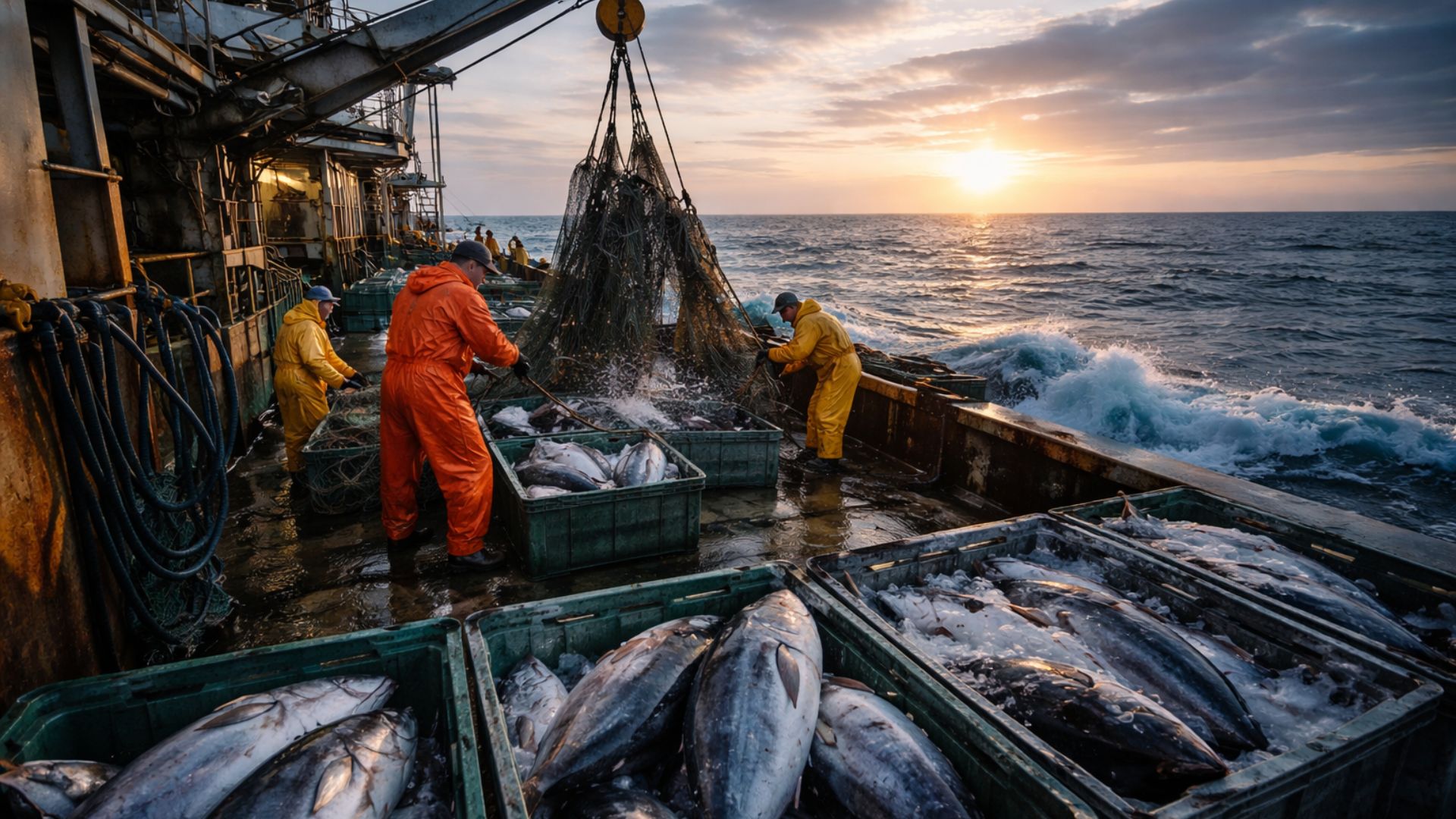
Advancements In Technology, Capture Methods, And Cooling Chains Redefine Industrial Fishing, Connecting Offshore Operations To Demanding Global Markets, With Distinct Processes For Lobsters, Octopuses, Flounders, Squid, Tunas, And Grouper, From Capture To Final Processing.
Industrial fishing has undergone profound changes in recent decades with the incorporation of more powerful vessels, more precise location systems, and cooling chains capable of preserving fish from the moment of capture until arrival at the industry.
This process has expanded the scale of operations and changed the dynamics of capturing, selecting, and processing species considered to have high commercial value, ranging from crustaceans to large ocean fish.
The machinery involves successive stages at sea and on land, with distinct methods depending on the species and the target market.
-
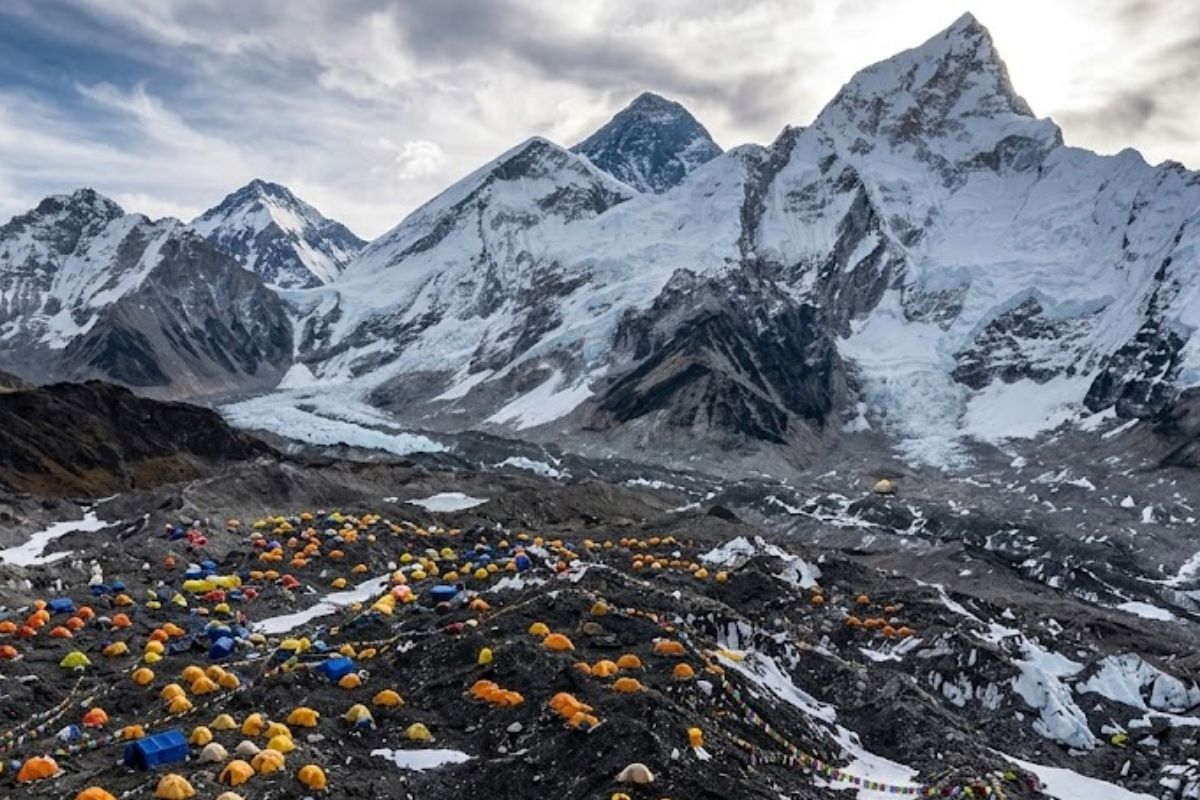
Tourists on Everest were poisoned by guides who mixed substances in food to provoke false symptoms of altitude sickness while helicopter operators and hospitals charged inflated rescue fees to insurance companies.
-
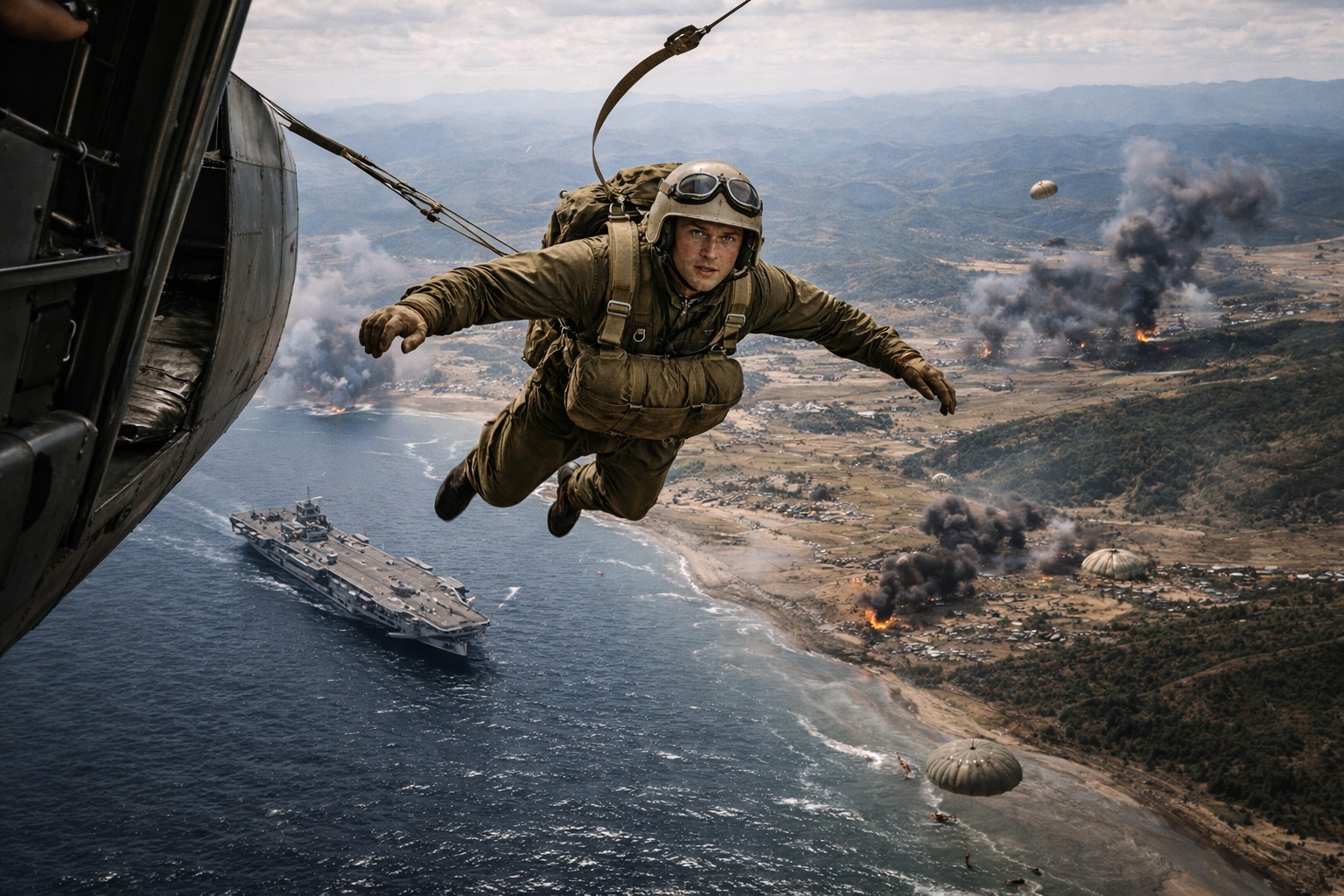
Few people know this, but Neil Armstrong, one of the most famous NASA astronauts in history, survived the Korean War after jumping from the plane during his seventh combat mission aboard the USS Essex aircraft carrier of the United States.
-
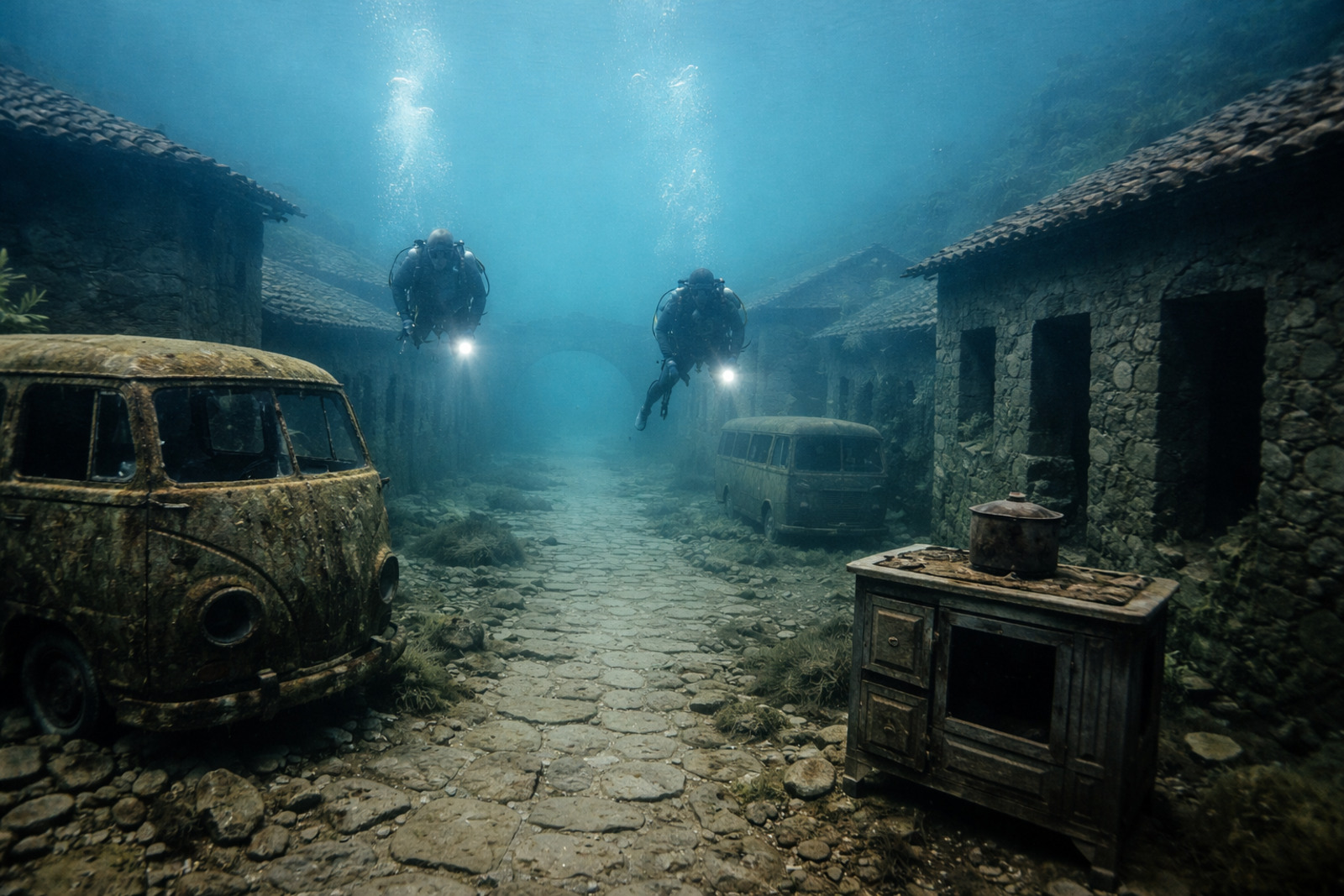
Diving with a camera in Lake Furnas reveals a submerged city with an entire street, almost intact houses, a preserved bridge, a wood stove, a Kombi, and even a bus at the bottom of the largest lake in the Southeast.
-
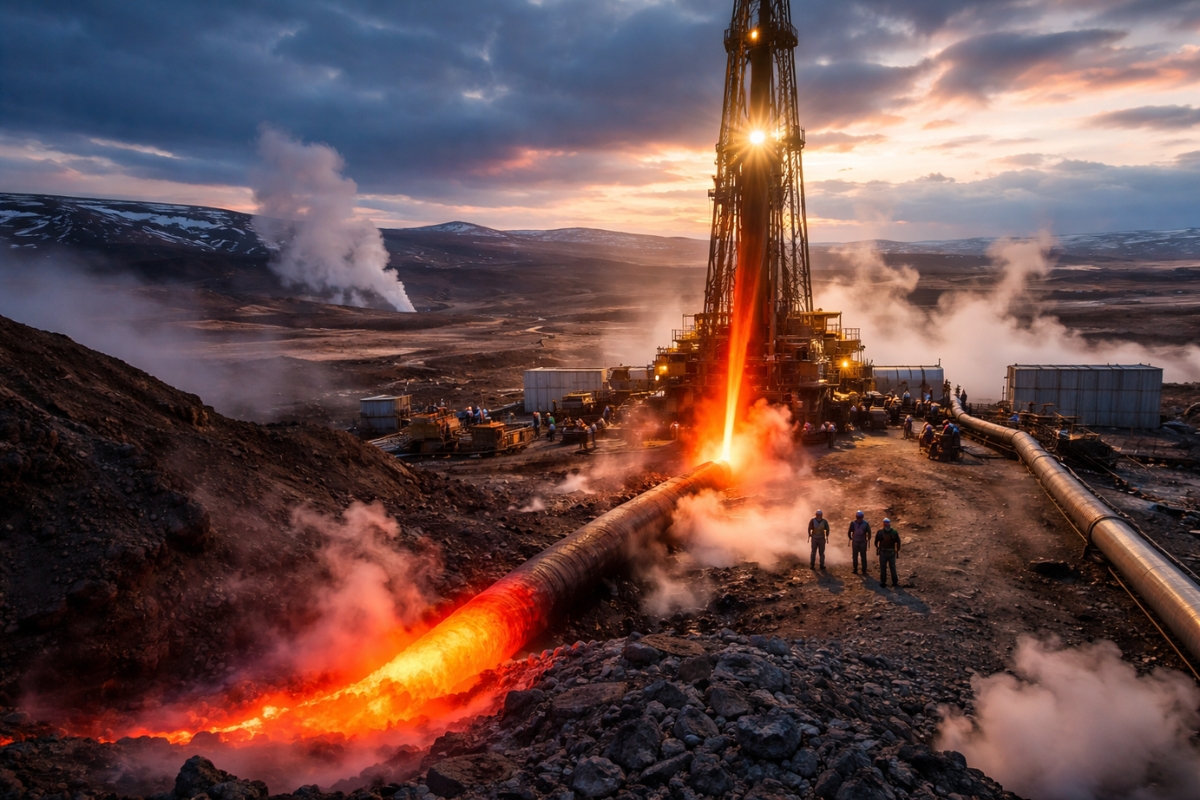
Iceland accidentally drilled into a magma pocket at 2,100 meters and revealed that the extreme heat beneath the crust could pave the way for a new source of continuous energy.

In operational terms, each fishing modality responds to specific biological characteristics.
Traps tend to reduce bycatch and facilitate the return of specimens out of standard.
Longlines allow reaching species that live in deep waters.
Surrounding nets are used to encircle shoals in open water, while artificial lighting, used at night, is a resource to attract squid to the surface.
In all cases, the maintenance of quality depends on handling time and temperature control immediately after capture.
Maine Lobster Fishing And Conservation Rules
The capture of Maine lobster follows a widely regulated model based on individual traps.

Vessels depart in the early hours of the day with equipment prepared in advance, launched at marked points with buoys.
This system allows fishermen to return exactly to the areas where the traps were positioned, organizing the daily effort for collection.
The traps are designed to favor the capture of adult specimens.
As described in the original text, individuals below the legal size or females with eggs are often returned to the sea, according to conservation rules adopted in different areas.
The sorting occurs still on deck, which reduces the time of exposure of the animal and helps preserve its condition until landing.
Upon arrival at the port, lobsters are classified by size and physical condition.
Part of the production goes to the fresh market, while other batches undergo industrial processing.
This processing can include quick freezing or light cooking before packaging.
The final destination depends on the standards required by domestic and international buyers.
Giant Octopus Capture And Handling Care
In the case of the giant octopus, the described operation involves the use of traps positioned in rocky areas, where the species tends to concentrate.
Before departure, the crews organize the equipment and define the duration of stay at sea.
This period can vary from a few days depending on the route and weather conditions.
The removal of the octopus requires attention to avoid physical damage.
According to the original account, larger specimens are selected manually, while smaller individuals may be returned to the natural environment.
This type of management seeks to balance commercial capture with the maintenance of stocks.
After removal from the water, immediate cooling is a central stage of the operation.

Storage in ice helps preserve the characteristics of the meat until landing.
On land, the octopus undergoes cleaning, breakdown into parts, and industrial processing.
This processing includes freezing or quick cooking, depending on the commercial destination.
Flounder Fishing In Deep Waters
The flounder appears in the text as a species associated with longer operations at sea.
Vessels use longline systems, with thousands of hooks distributed across extensive areas of the seabed.
This method requires prior planning, both in equipment preparation and in defining fishing zones.
As it lives at greater depths, the flounder needs to be handled quickly as soon as it reaches the deck.
The text highlights that fish within standard size are processed immediately.
Subsequently, they are stored in refrigerated compartments, which reduces losses and preserves quality until return to port.
At the land stage, the batches undergo new classification.
This analysis considers weight and quality of the meat.
From there, the fish goes to filleting, whole packaging, or other forms of industrial processing.
The destination varies according to the demand of restaurants and specialized distributors.
Squid Fishing With Night Lighting
The squid fishing described in the text focuses on the nighttime period.
Artificial lights are used to attract shoals to the surface.
The strategy exploits the behavior of the species, which moves from deeper layers when stimulated by light.
The capture varies according to the size of the specimens.
Smaller squid can be collected in larger quantities through automated systems.

Larger individuals are fished in a more controlled manner, to avoid damage during handling.
The text also mentions the use of underwater cameras to monitor the movement of shoals.
These resources help adjust the operation in real time.
Immediately after capture, initial processing occurs onboard.
The squid are washed, sorted by size, and stored in refrigerated chambers.
At the port, the batches classified as higher quality go to industrial units.
In these units, the product can be packaged, cooked, or sent for other types of processing.
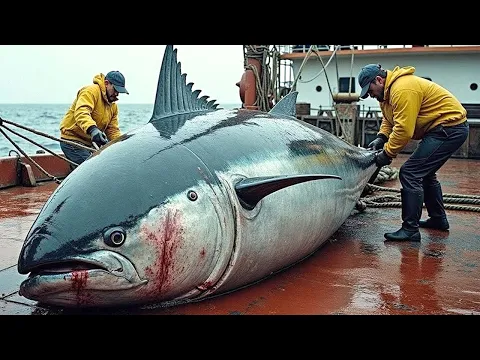
Industrial Tuna Fishing In Open Sea
Tuna fishing involves large vessels and extended expeditions in open water.
The crews depart equipped with extensive circular nets, buoys, and auxiliary boats.
According to the text, these trips can last weeks.
The return occurs when the hold capacity is reached.
The location of the shoals combines direct observation and technological resources.
Captains analyze environmental signals and use detection equipment to identify the presence of fish.
Once the shoal is located, the net is cast and closed quickly, surrounding the tunas before retrieval.
After capture, standardized conservation procedures are followed.
Among them are bleeding, washing, and cooling.
In some vessels, the text mentions freezing at very low temperatures still at sea.
This practice is associated with markets that demand specific standards for raw consumption.
Upon return to port, the fish are weighed and classified.
Next, they are sent for industrial processing according to the observed quality.
Grouper: Fishing In Reefs And Differentiated Logistics
The grouper is presented as a species caught in reef areas and rocky bottoms.
Unlike fish that form large shoals, its fishing relies on knowledge of the environment.
The text describes more localized operations.
The fishermen observe water signs and may spend long periods waiting for a single specimen.
The handling after capture requires care to avoid damage to the meat.
According to the account, larger specimens receive special attention from removal from the water until transport. Upon unloading, the fish may be kept on ice.
Another possibility is the use of tanks with circulating seawater.
The choice depends on the commercial destination. In some operations, the logistics chain includes the transport of live fish.
In others, processing occurs still on land, with scaling and filleting.
Each route caters to specific markets, which determine the type of presentation required.
Among industrial methods, localized operations, and different processing standards, how can we make the path taken by fish from the sea to the plate more transparent to the consumer?







-

-

-

-

-

-

55 pessoas reagiram a isso.