





 Portuguese
  English
  Spanish
 5 min of reading
  0 comments


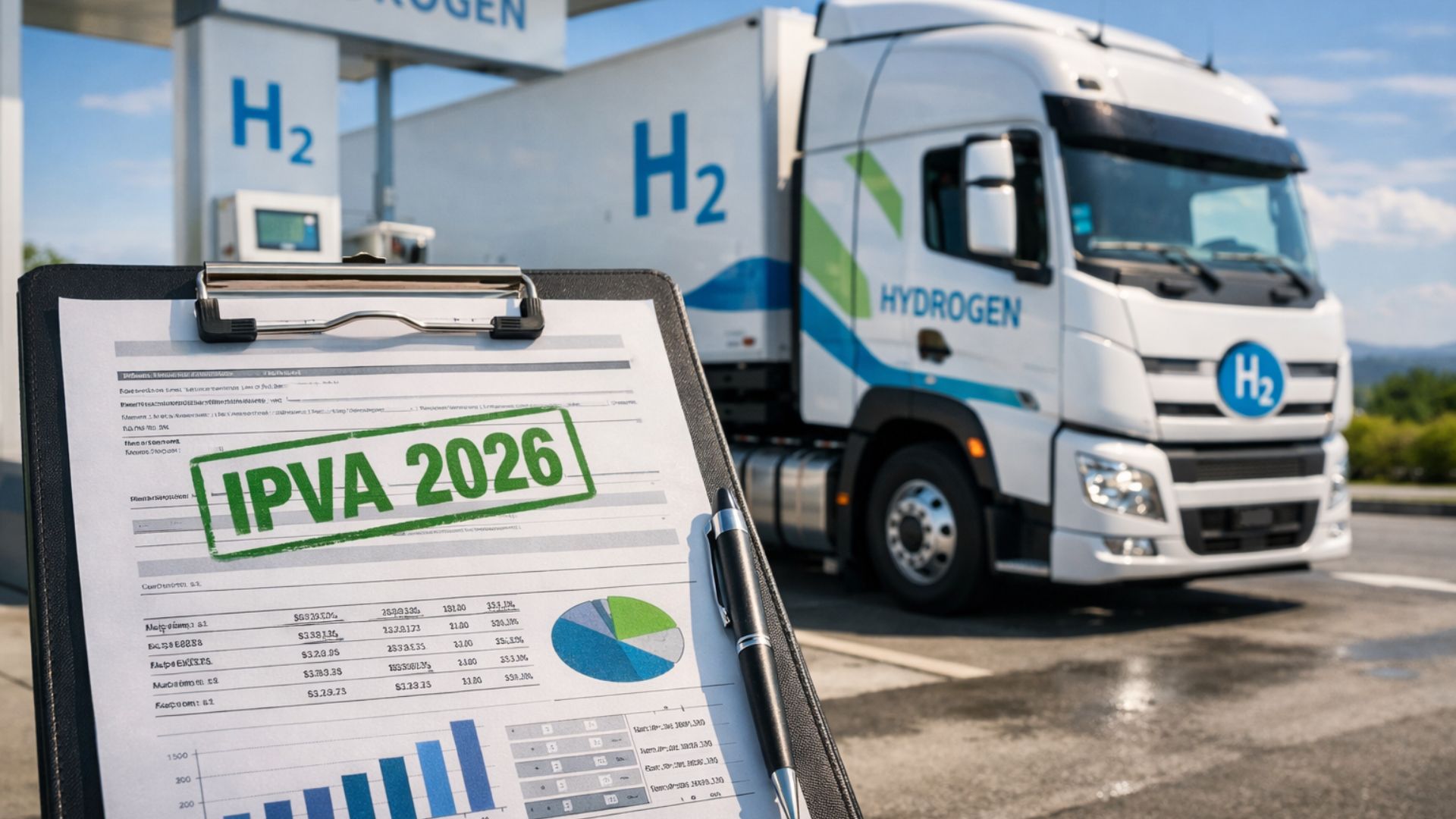
São Paulo Maintains IPVA 2026 Rules with Exemption for Sustainable Vehicles. Understand Who is Eligible, How Exemptions for Hybrid and Hydrogen Cars Work, and the Impact on Sustainable Mobility
In December 2025, with the official release of the taxable values and the tax calendar, the Government of the State of São Paulo confirmed the application, for IPVA 2026, of the exemption rules already provided in state legislation for certain types of vehicles. According to the E-Investidor/Estadão website, among them, the tax incentives aimed at sustainable vehicles, including hybrid cars and hydrogen, remain in place, within technical and value criteria defined by the Department of Finance and Planning (Sefaz-SP).
IPVA 2026 and the Reach of the São Paulo Fleet
The rules are part of a policy approved and regulated in recent years, with validity extended to subsequent exercises, and insert the tax in the broader context of promoting sustainable mobility, without changes to the general rates charged in the state.
The IPVA 2026 applies to an estimated fleet of approximately 30.1 million vehicles registered in the State of São Paulo. Of this total, around 9.9 million are already automatically exempt as they are over 20 years old, as determined by state legislation.
-
With a water crisis on the radar, Sabesp invests in reclaimed water for data centers and transforms sewage treatment into a solution that saves millions of liters and protects public supply.

-
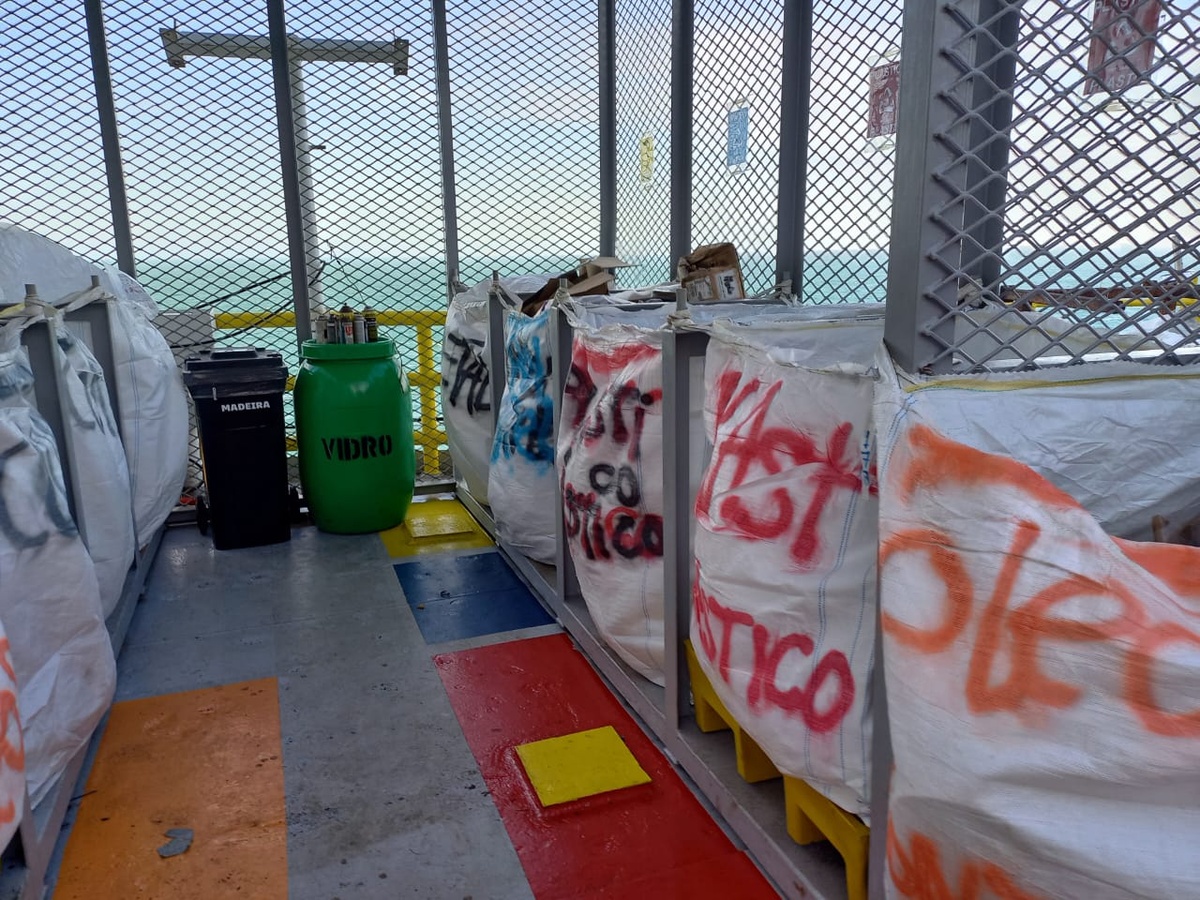
Foresea achieves 100% offshore waste reuse in 2025, eliminates landfill disposal, and consolidates sustainable strategy with 1,500 tons recycled.
-
With earth, bamboo, straw, and lime mortar, a specialist builds a house for just over $460 and draws attention for its cost being much lower than traditional construction.

-
Rodrigo de Freitas Lagoon advances in environmental recovery with sanitation, elimination of irregular sewage, and the resumption of water sports in Rio de Janeiro.


Additionally, approximately 1 million vehicles qualify for exemption, immunity, or waiver of the tax based on specific criteria, such as taxis, vehicles registered in the name of people with disabilities, religious entities, non-profit organizations, official fleets, and urban public transport.
In this scenario, incentives aimed at sustainable vehicles represent a specific portion of the tax policy, focused on promoting less polluting technologies and the gradual modernization of the fleet.
Sustainable Vehicles in the Rules of IPVA 2026
Among the provisions maintained for IPVA 2026 is the exemption for vehicles classified as having lower environmental impact, according to criteria defined by Sefaz-SP. The following vehicles remain exempt from the tax:
- Vehicles powered exclusively by hydrogen, as per legal provision, even though this technology has a nascent application in the Brazilian market;
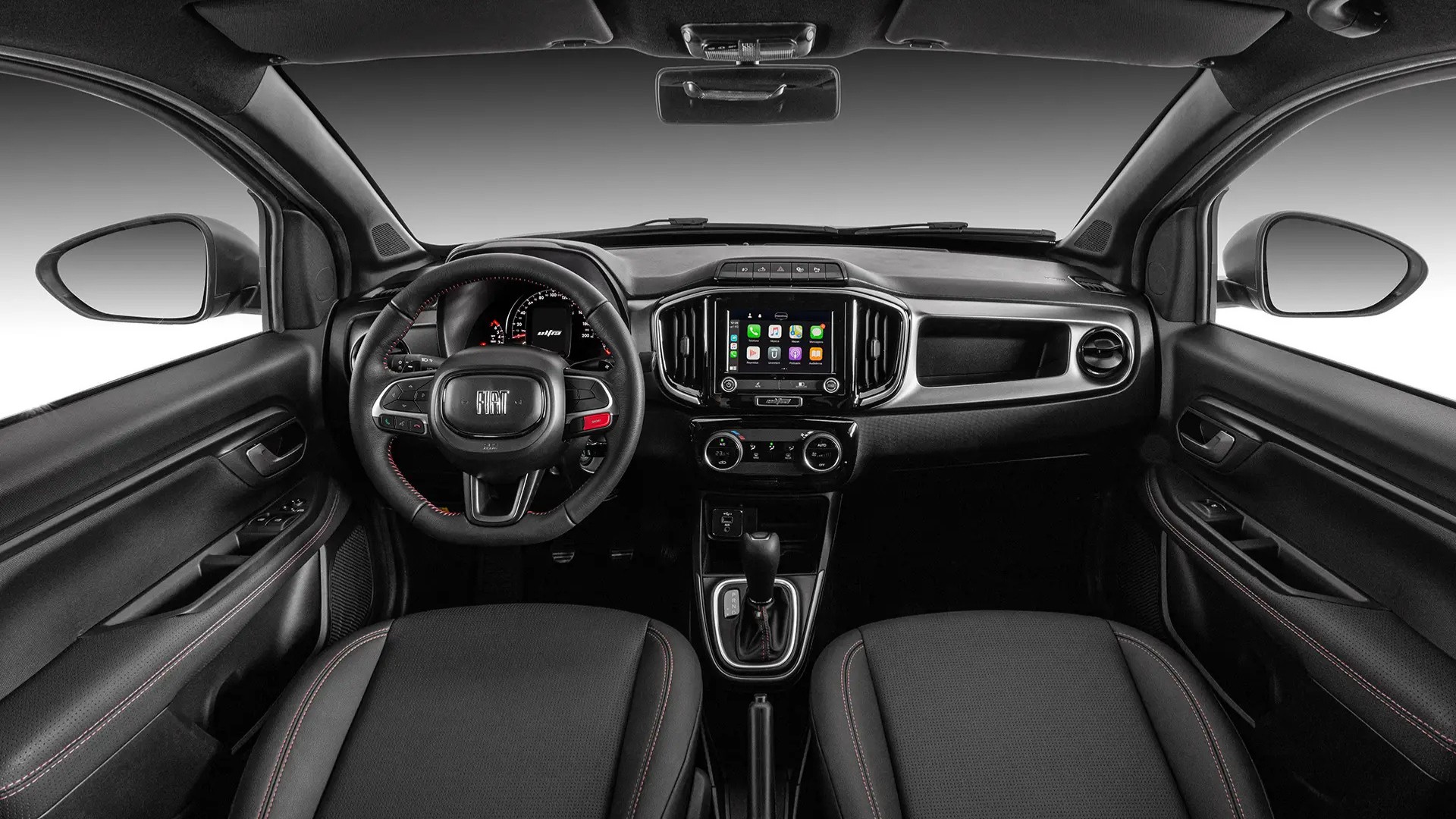
- Hybrid cars that have an electric motor combined with a flex-fuel combustion engine, suitable for the use of ethanol, provided the market value of the vehicle does not exceed R$ 250,000;
- Buses and trucks powered by hydrogen or natural gas, including biomethane, within the specific rules of validity provided in state legislation.
These categories are part of the São Paulo policy to incentivize sustainable vehicles, associating tax benefits with potential emission reductions and the use of alternative fuels.
Hybrid and Hydrogen Cars in the Context of IPVA 2026
Hybrid and hydrogen cars play a central role in the environmental rules of IPVA 2026, especially for combining partial or total electrification with combustion engines compatible with biofuels.
In the case of flex hybrids, the legal criterion for exemption is related to the technical configuration of the engine, and not to the obligation of continuous use of ethanol by the owner. Nevertheless, the requirement for compatibility with biofuel reinforces the alignment of the tax policy with the Brazilian energy matrix.
Although the number of vehicles classified in these categories still represents a limited fraction of the total fleet, the tax benefit helps make these technologies more competitive in the market.
IPVA 2026 Inquiry and Payment Methods
Sefaz-SP has already made available the taxable values used as the basis for calculating the IPVA 2026. The inquiry can be conducted digitally through the Vehicle System (Sivei), using only the vehicle’s license plate.
Payment may be made in a single installment or in installments, according to the official calendar released by the state government. Even owners of sustainable vehicles should consult the system to correctly confirm their exemption status.
The tax calendar follows the final number of the license plate, with due dates concentrated in January, as per the pattern adopted in previous years. The official dates were disclosed by the SP Agency and follow the traditional schedule of the state. The organization of the calendar contributes to the financial planning of taxpayers and the regularity of tax payment.
IPVA 2026 and the Possible Expansion of Exemptions for Motorcycles
A project approved by the São Paulo Legislative Assembly (Alesp) on December 17, 2025 provides for the expansion of the IPVA exemption for motorcycles, mopeds, and motor scooters. The proposal is still awaiting the governor’s sanction.
If sanctioned, the measure could benefit vehicles of up to 180 cc, owned by individuals and with regular registration and licensing. Official estimates indicate that the change could reach up to 4.3 million vehicles in the state. The initiative resonates with the debate on sustainable mobility, especially in individual short-distance transport and the daily commuting of workers.
The set of rules applied to IPVA 2026 indicates that the São Paulo tax policy is gradually incorporating environmental criteria into the revenue system. By stimulating sustainable vehicles and offering differentiated treatment to hybrid and hydrogen cars, the state signals a long-term strategy focused on energy efficiency.
This approach aims to reconcile revenue, technological innovation, and the reduction of environmental impacts, even though the practical reach of these measures depends on the evolution of the automotive market and the increased availability of these technologies.
What IPVA 2026 Indicates About the Future of Transport in São Paulo?
The IPVA 2026 reflects a movement of integration between fiscal policy, economic development, and environmental sustainability. The exemption for sustainable vehicles does not represent a broad and immediate change in the profile of the fleet, but acts as a significant economic signal for consumers and manufacturers.
By maintaining incentives for hybrid cars and hydrogen and reinforcing the debate on sustainable mobility, the State of São Paulo indicates that the future of transport involves gradual innovation, energy diversification, and more environmentally efficient choices.








-

Uma pessoa reagiu a isso.