





 Portuguese
  English
  Spanish
  3 min of reading
  0 comments


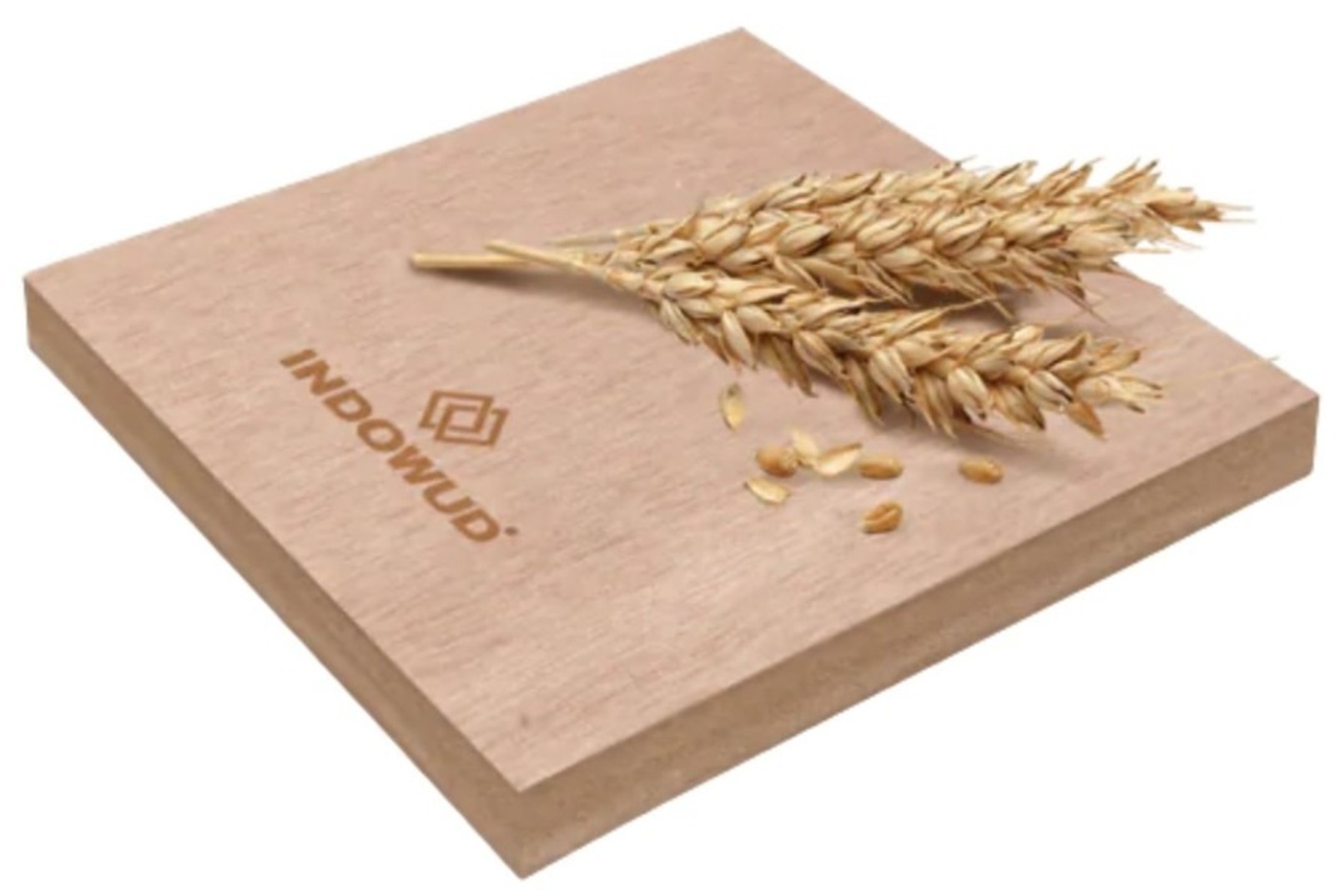
Indian Company Transforms Rice Husks Into Structural Boards, Launches Product In 2018, Eliminates Wood Use, Reduces Emissions And Expands Sales To United States, Europe, Middle East And Asia
In the sustainable construction scene, the Indian company Induwod developed, from agricultural waste, an alternative material to wood that came to market in 2018 and is now exported to several countries, combining industrial innovation, lower environmental impact, and diverse architectural applications.
The Induwod proposal is based on repurposing rice husks, which were previously treated only as agricultural waste, transformed into structural boards aimed at construction and design.
According to Lokeshwar Raj, the material emerged after research that combined rice husks with polymer binders and advanced industrial extrusion technology.
-
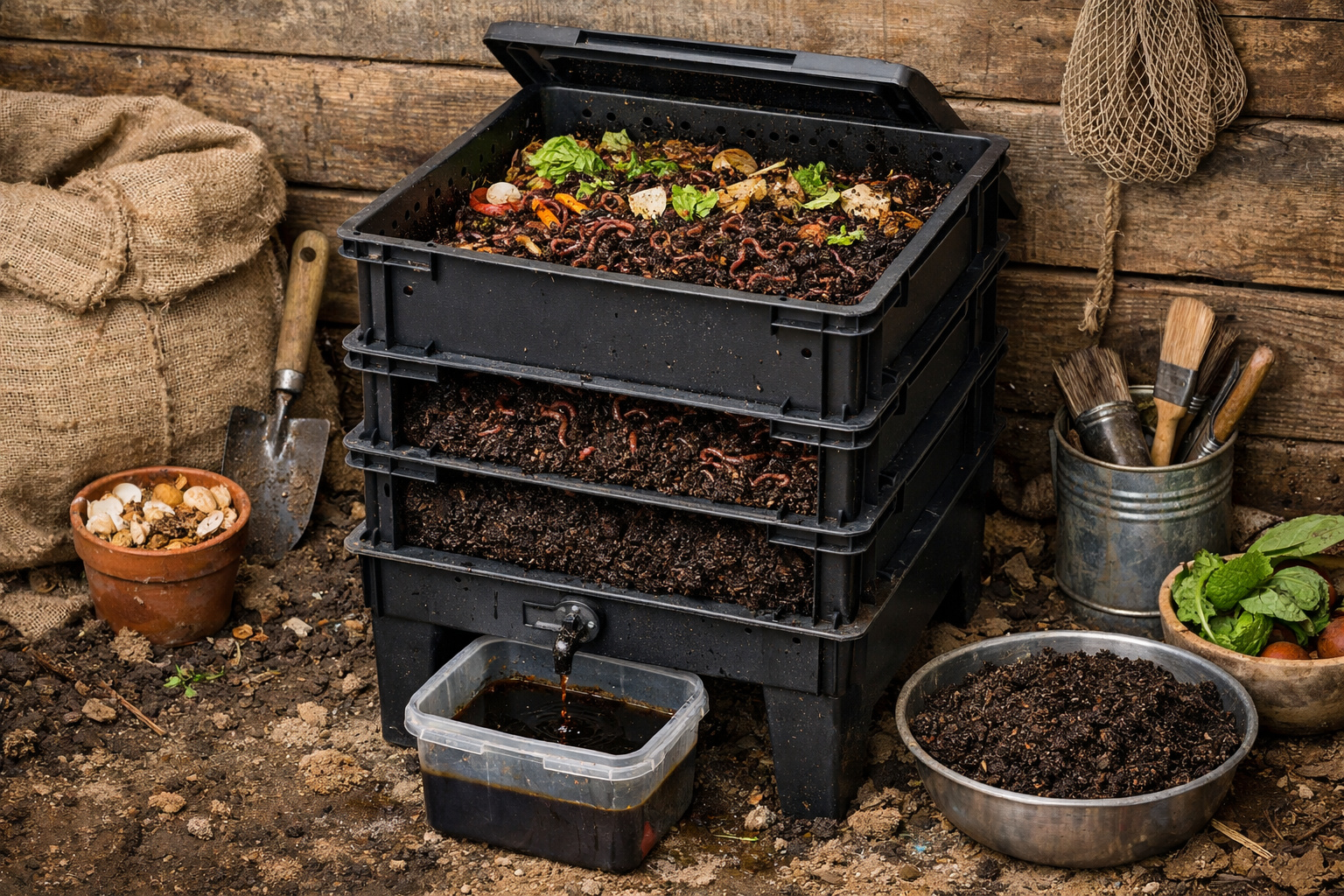
6 sources of free fertilizer that you are throwing away every day and can transform your garden without spending anything.
-
With a water crisis on the radar, Sabesp invests in reclaimed water for data centers and transforms sewage treatment into a solution that saves millions of liters and protects public supply.

-
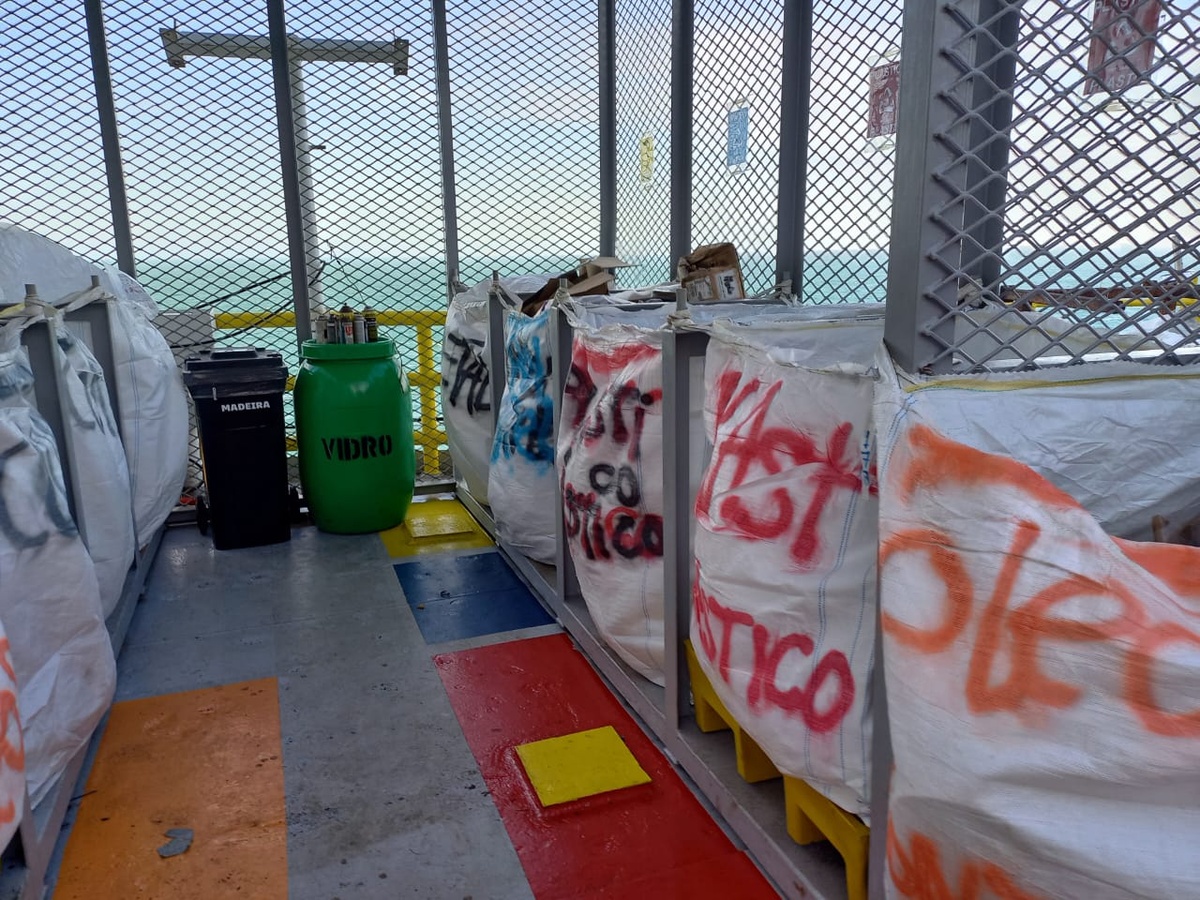
Foresea achieves 100% offshore waste reuse in 2025, eliminates landfill disposal, and consolidates sustainable strategy with 1,500 tons recycled.
-
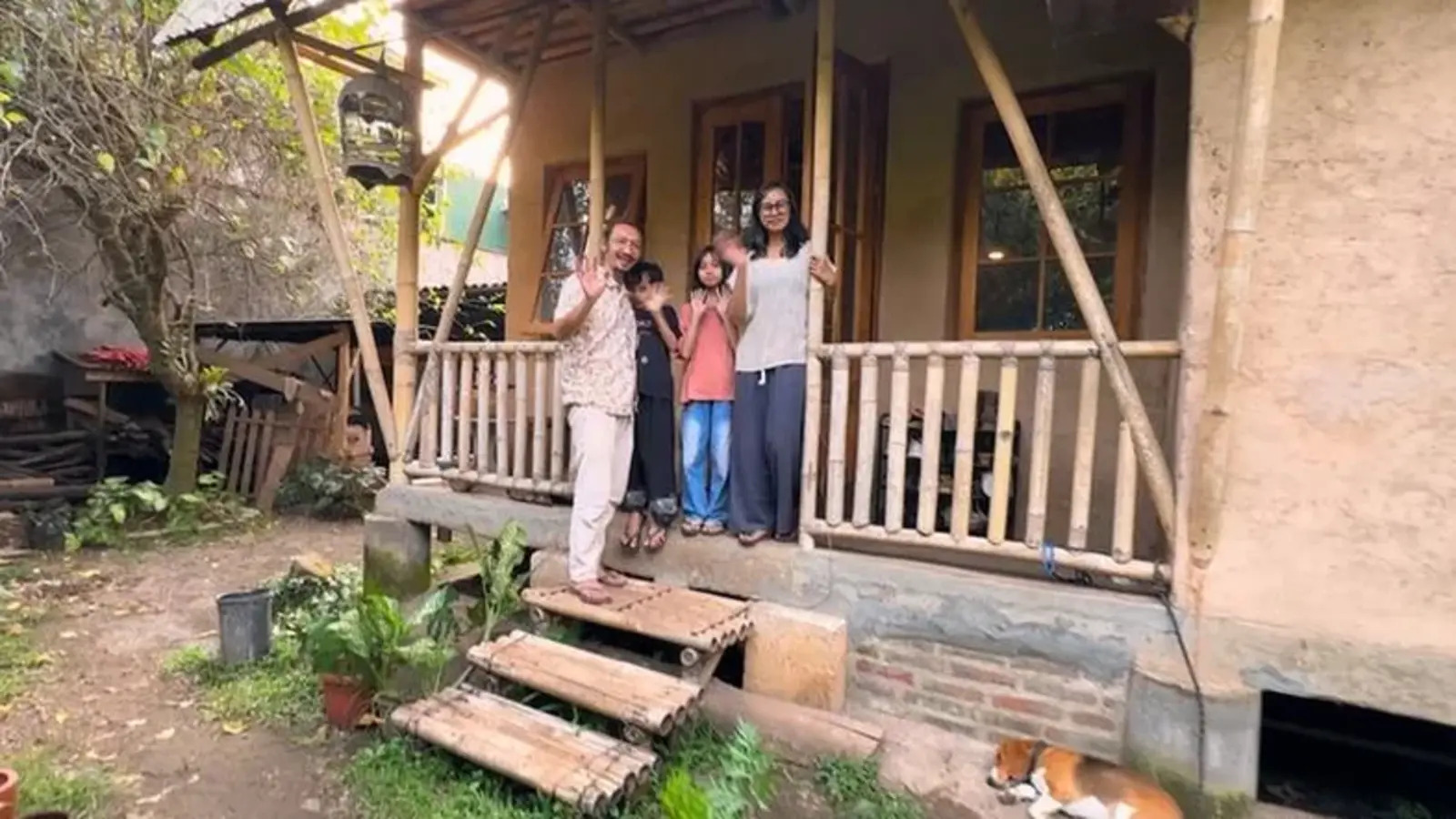
With earth, bamboo, straw, and lime mortar, a specialist builds a house for just over $460 and draws attention for its cost being much lower than traditional construction.

The executive explains that the result is a stable, high-performance board designed to meet modern demands in design, architecture, and sustainable construction.
Initial Tests And Technical Properties
During initial tests with different materials, the team quickly identified the technical potential of rice husks as a structural base.
Among the observed properties were natural impermeability, resistance to termites, flame retardancy, and smoke suppression in indoor and outdoor environments.
These characteristics paved the way for applications in architecture and construction, expanding use beyond conventional decorative solutions.
Composition And Environmental Impact
Induwod combines rice husks with eco-friendly polymer binders and additives, according to information from the company itself.
According to Lokeshwar, the material has zero emissions of Volatile Organic Compounds and does not use formaldehyde-based chemicals.
These factors make the product safe for the ecosystem and suitable for projects that require strict environmental criteria.
Additionally, the material contains no wood content, reinforcing its proposal for complete sustainability and a circular economy.
Commercial Launch And Performance
Induwod’s so-called wood officially hit the market in 2018, after years of technical development and testing under real-use conditions.
The aim, according to the company, was to create a durable product that would replace traditional wood without compromising structural performance.
Among the highlighted attributes are fire resistance, antibacterial action, termite protection, and ease of industrial molding.
Durability And Applications
Impermeability allows use in outdoor areas, preventing rotting and increasing lifespan compared to natural wood.
Lokeshwar states that maintenance requirements are minimal, even in environments subject to intense climatic variations.
The line includes boards, doors, frames, hollow panels, decks, flooring, ribbed panels, finishes, fences, and structural beams.
The products feature a natural neutral tone and can be painted, stained, polished, or coated with various finishes according to the project.
Expansion And Global Acceptance Of Rice Husk Wood
Several years after the launch, Induwod ceased to be a local startup and began operating as a global company.
In addition to India, the products are marketed in the United States, United Kingdom, Portugal, Maldives, Turkey, and countries in the Middle East.
Architects and designers highlight stability, sustainability, and the possibility of thermoforming, printing, and CNC machining for creative freedom.
The cost is similar to that of high-quality plywood, with better cost-effectiveness in the long run due to durability and low maintenance.
As additional information, the company points out frequent applications in hotels, airports, resorts, residences, landscaping, and commercial spaces.
With information from Casa e Jardim.








-

Uma pessoa reagiu a isso.