





 Portuguese
  English
  Spanish
  5 min of reading
  0 comments


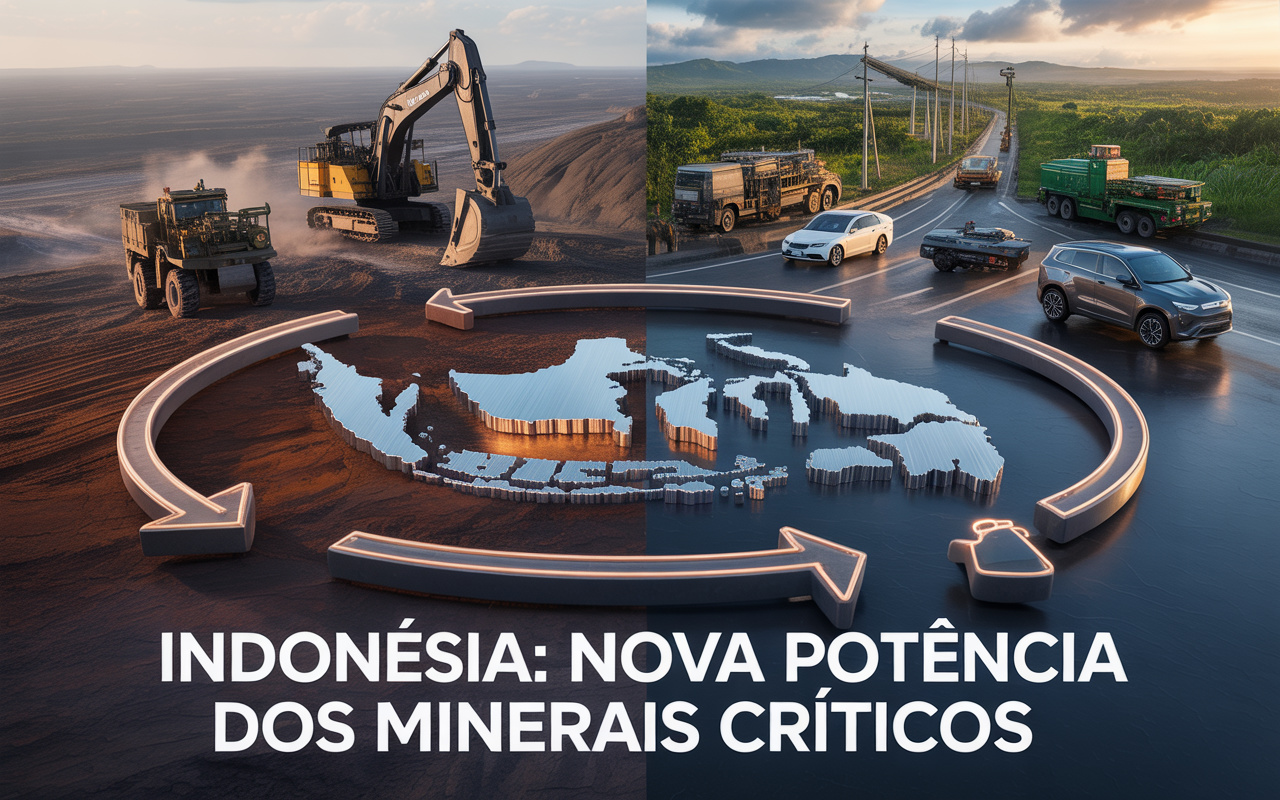
Indonesia Bets On Nickel, Attracts Billions, Restricts Exports And Becomes A Key Player In The Global Battle For Batteries, Electric Cars, Defense And Energy Transition.
For decades, Indonesia played a classic role in international trade of natural resources: exporting raw ore and importing higher value-added products. This logic began to crumble when the country realized it was sitting on one of the largest nickel reserves on the planet, just as the world began to depend on this metal for batteries, electric vehicles, energy storage systems, and military applications.
The turnaround was neither gradual nor timid. The Indonesian government decided to halt raw nickel exports, forcing foreign companies to invest locally in smelting, refining, and manufacturing. The measure caused diplomatic tension, disputes in the World Trade Organization, and criticism from industrialized countries, but placed Indonesia at the center of a transformation that today redefines entire global supply chains.
Why Nickel Became Strategic In The 21st Century
Nickel has ceased to be just a raw material for stainless steel. With the advancement of high-density lithium-ion batteries, especially nickel-rich chemistry (such as NMC and NCA), the metal has become essential for increasing range, reducing weight, and improving energy performance.
-
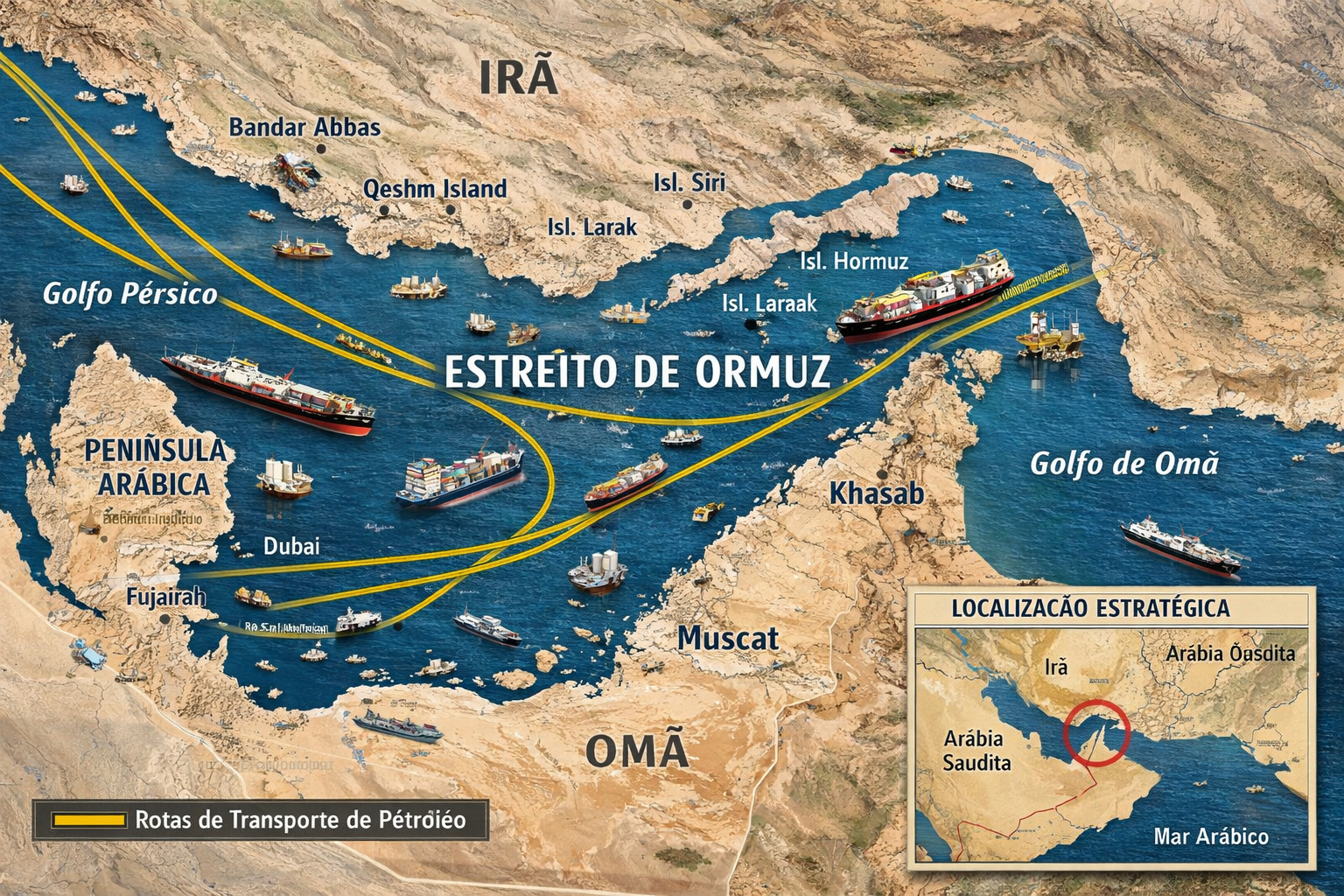
Global summit with over 40 countries pressures Iran for a blockade in the Strait of Hormuz and warns of direct impact on oil, food, and the global economy.
-
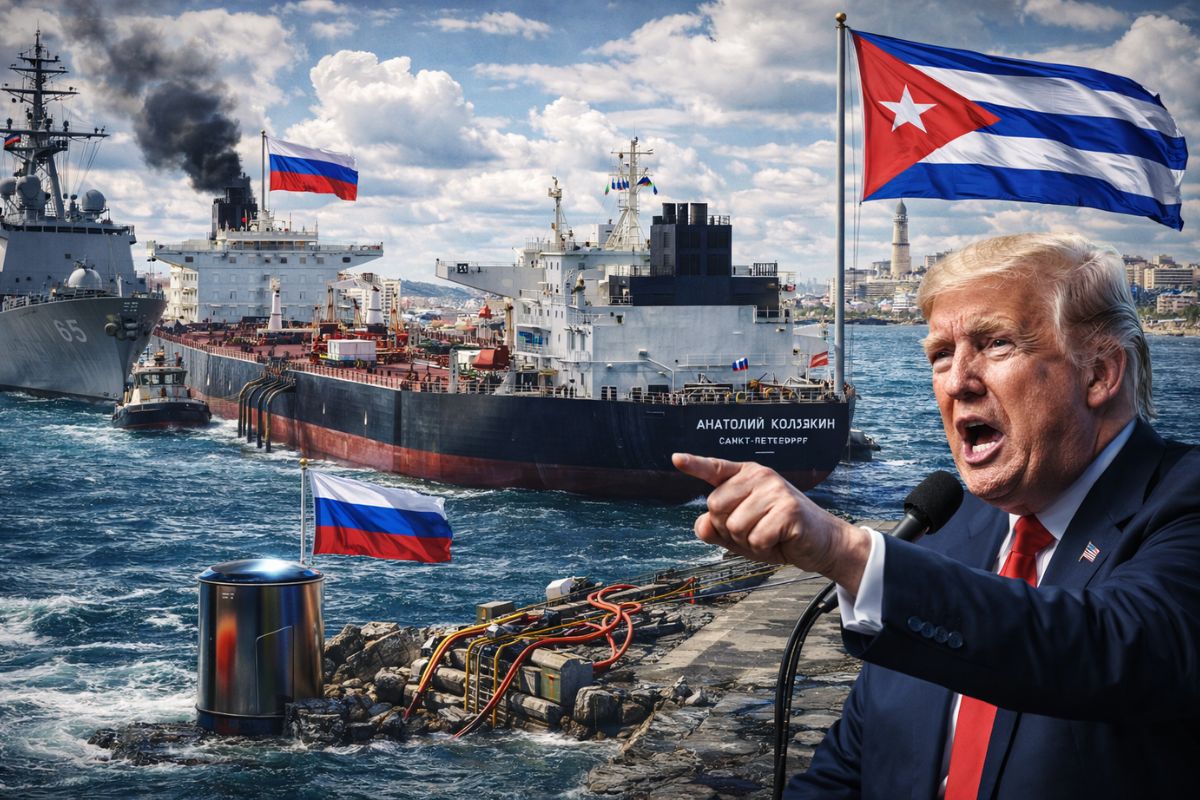
Russia has broken the U.S. maritime blockade to send oil to Cuba and is now loading a second ship while Trump says that “Cuba is next” in a possible military action against the island.
-
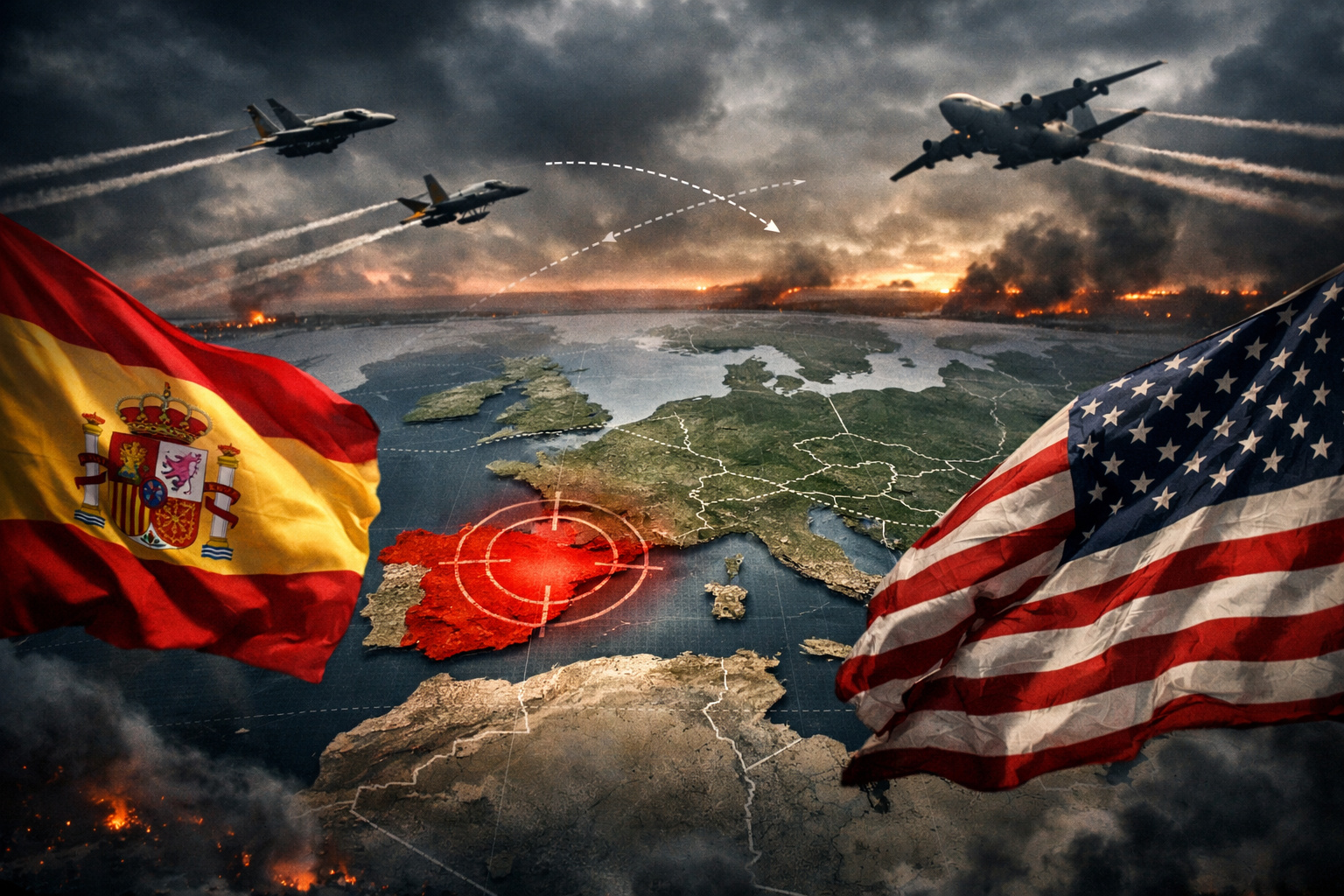
Spain challenges the USA and closes its airspace for operations against Iran, raising global tension and provoking the threat of a trade rupture.
-
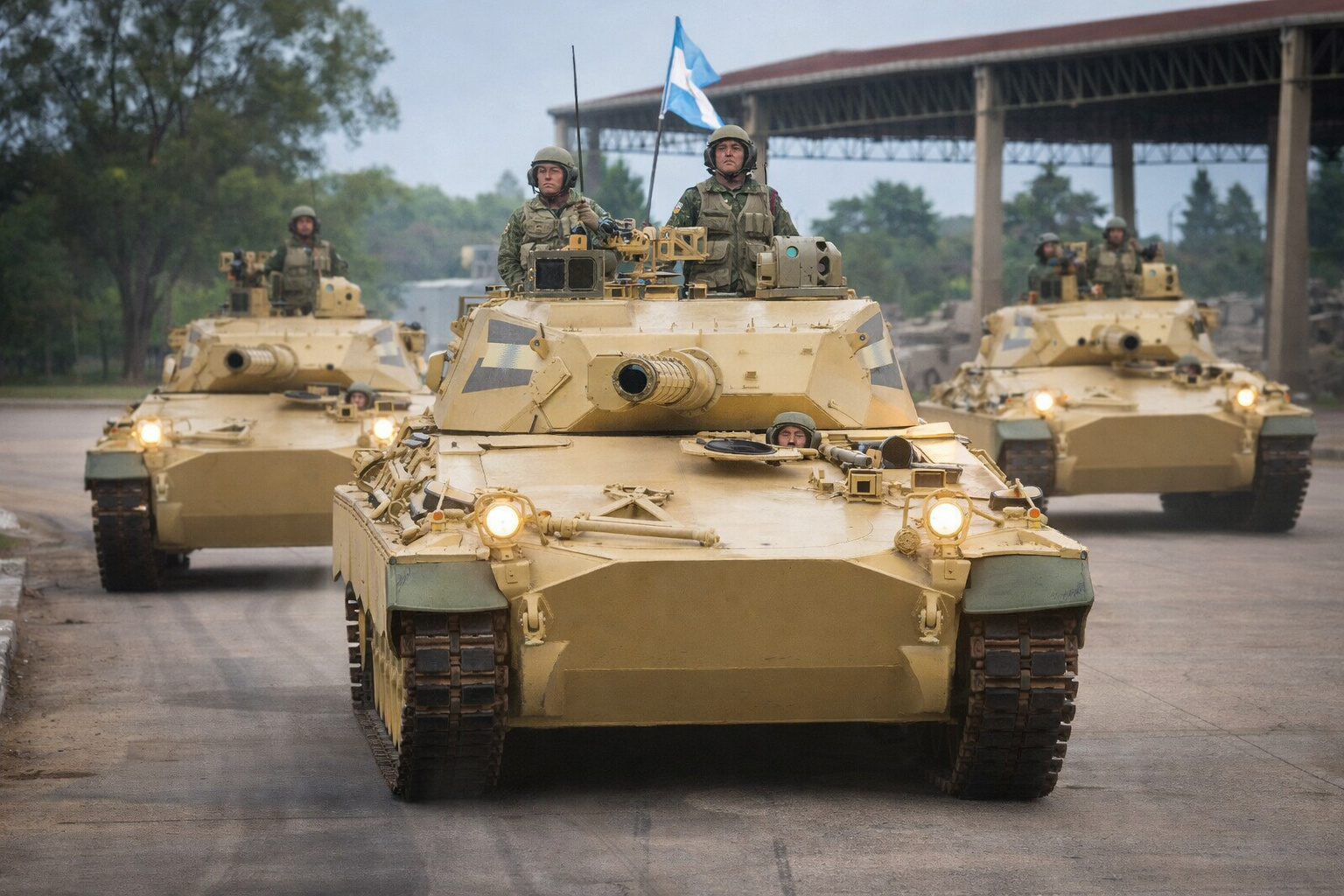
While no other country manufactures tanks in Latin America, Argentina activates the TAM 2C-A2 and raises a curiosity about the technological lag in the region.



This directly connects nickel to three strategic sectors:
- electric mobility and heavy transport;
- energy storage for renewable grids;
- military, aerospace, and naval applications requiring high-performance batteries.
Indonesia holds the largest known reserve of lateritic nickel in the world, the type most suitable for this new generation of batteries. This fact alone would elevate its importance. What changed the game was the political decision to retain value within the country.
The Export Ban That Changed Everything
In 2020, Indonesia definitively implemented the ban on unprocessed nickel ore exports. The message was clear: those who wanted access to Indonesian nickel would have to invest in local industrial capacity.
The impact was immediate. Smelters, refineries, and industrial complexes began to emerge primarily on the islands of Sulawesi and Halmahera. The country ceased to be merely a supplier and started positioning itself as a material hub for batteries.
This policy contradicted the historic interests of traditional importers but generated a powerful side effect: a surge of foreign direct investment.
Billions In Investments And A New Industrial Race
In recent years, Indonesia has attracted tens of billions of dollars in investments linked to the nickel and battery supply chains. Companies and consortia linked to China, South Korea, Japan, and more recently, the West began to vie for space in the country.
Mining giants, battery manufacturers, and automakers realized that without a local presence, they could be left out of the largest future flow of processed nickel on the planet. Integrated industrial complexes began to emerge, combining mining, smelting, nickel sulfate production, and even battery cell assembly.
Indonesia started negotiating not only ore but also strategic participation in critical global supply chains, something that few developing countries have managed to achieve successfully.
The Discomfort In The West And The US Reaction
The Indonesian strategy generated discomfort in countries that traditionally advocate open markets but depend on external raw materials. The United States and the European Union began to see the country not only as a trading partner but as a strategic territory in a broader competition against Chinese concentration in battery supply chains.
Washington even questioned the Indonesian policy in multilateral forums, but at the same time, began to discuss specific agreements, indirect investments, and partnerships that allow access to processed nickel without exclusively relying on China.
This paradox reveals the geopolitical weight that Indonesia has gained: criticizing the strategy has become less viable than negotiating within the rules imposed by Jakarta.
Nickel, Cobalt, And The Ambition To Dominate The Complete Chain
Although nickel is the protagonist, the Indonesian strategy is not limited to a single metal. The country seeks to integrate the entire value chain of critical materials, including cobalt, manganese, and essential intermediates for advanced batteries.
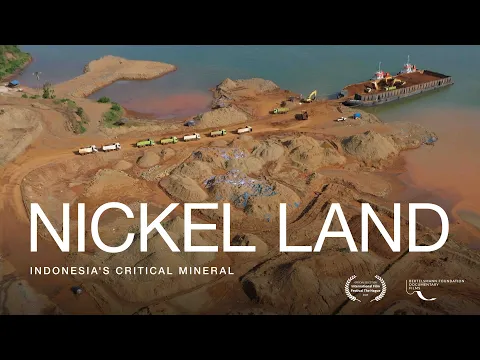
The declared goal is clear: to transform Indonesia into a complete hub, capable of going from extraction to manufacturing, reducing dependence on primary exports and creating higher-skilled industrial jobs.
This movement also has military and strategic implications. High-density batteries are essential for submarines, drones, electric armored vehicles, mobile radar systems, and energy storage at remote bases.
Internal Economic Impacts And Environmental Challenges
Accelerated industrialization brought economic growth and an increase in processed product exports, but it also raised alarms. Nickel smelting is energy-intensive, and some of it still relies on fossil sources, leading to environmental criticism.
The Indonesian government tries to balance the discourse of global energy transition with the reality of rapid industrial growth. At the same time, internal pressures for jobs, income, and regional development sustain political support for the strategy.
This delicate balance shows that the Indonesian transformation is not only economic but also social and environmental — with long-term costs, risks, and gains.
A New Role In 21st Century Geopolitics
By restricting exports and forcing industrialization, Indonesia has stopped being a passive player and has begun to <strong dictate rules in a critical market. Few countries have managed to turn natural resources into real bargaining power without falling into the trap of external dependence.
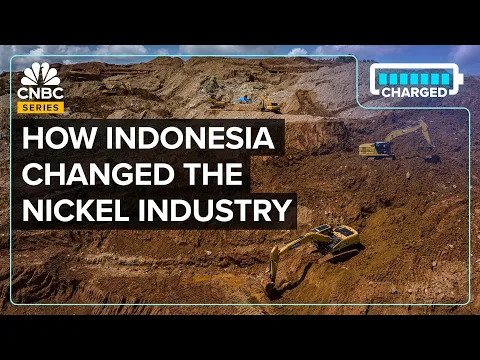
Today, the country is closely watched by industrial powers, military planners, and energy strategists. Indonesian nickel is not just a metal: it has become a geopolitical asset, comparable to oil in past decades.
Whether this strategy will prove sustainable in the long term remains an open question. But in the short and medium term, Indonesia has already achieved something rare: repositioning itself on the global chessboard, not as a cheap supplier, but as a strategic territory in a competition that will shape the industry, defense, and energy of the 21st century.







Seja o primeiro a reagir!