





 Portuguese
  English
  Spanish
  4 min of reading
  0 comments


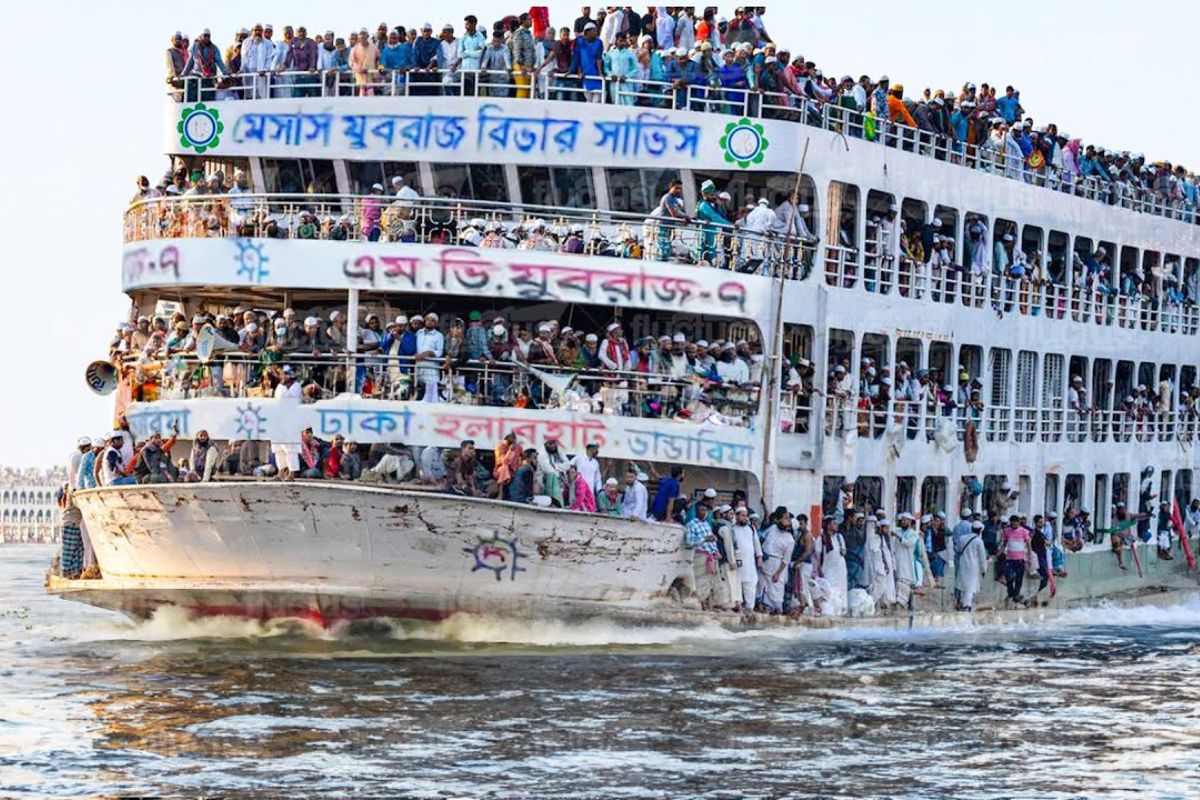
In Bangladesh, The Ferry Has Become the Silent Axis of a Metropolis Surrounded by Water: Linking Neighborhoods, Sustaining Commerce, Taking Students, Transporting Workers and Revealing a System Pressed by Limited Infrastructure, Aged Vessels and Decisions Made in Seconds by Crews Who Live Daily with Fatigue, Faith and Danger in the Heart of Dhaka.
In Dhaka, on the Buriganga River, the ferry does not function as an occasional alternative but as a central piece of urban routine. The capital of Bangladesh has grown alongside the river, turning the crossing into a daily obligation for those who need to reach work, school, the market, and essential services without interrupting the city’s rhythm.
At the helm of this machinery is Captain Salam, a sailor since youth, now responsible for steering a multi-deck vessel amid intense traffic and minimal margin for error. What seems like a common crossing carries continuous decisions regarding safety, timing and passenger flow.
A City That Moves by the River

Dhaka is organized around a decisive water corridor, and the mobility of a large part of the population depends on the constant crossing. Instead of being mere support vessels, the ferries have become a extension of public space, connecting regions, shortening distances, and sustaining local economic circulation.
-
Goodbye iron: new technology from Xiaomi promises to revolutionize the way we iron clothes with 500 kPa steam, continuous flow of 120 g/min, heating in 65 seconds, and six smart modes for different fabrics.

-
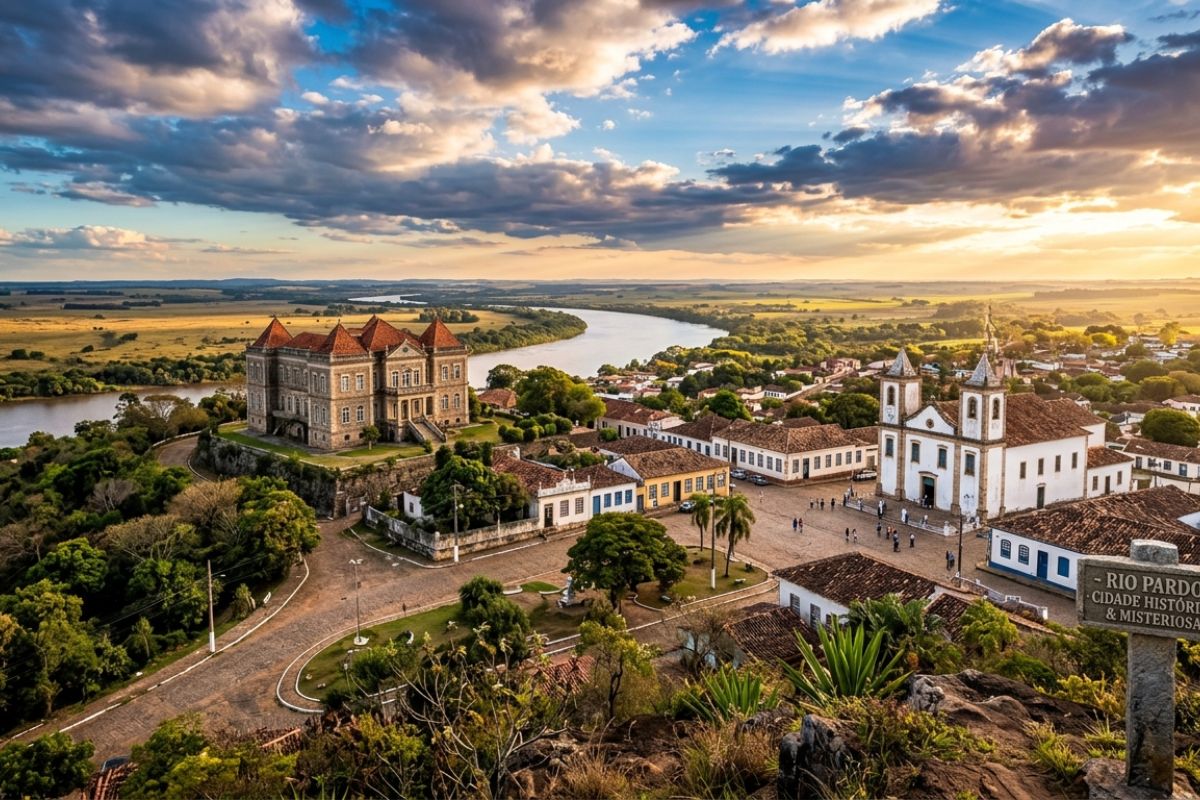
Rio Pardo, the most mysterious city in Rio Grande do Sul: untouched Pampas castle, the missing treasure of the Devil Boy, bride’s saint, invisible tunnels, and a 200-year curse today.
-
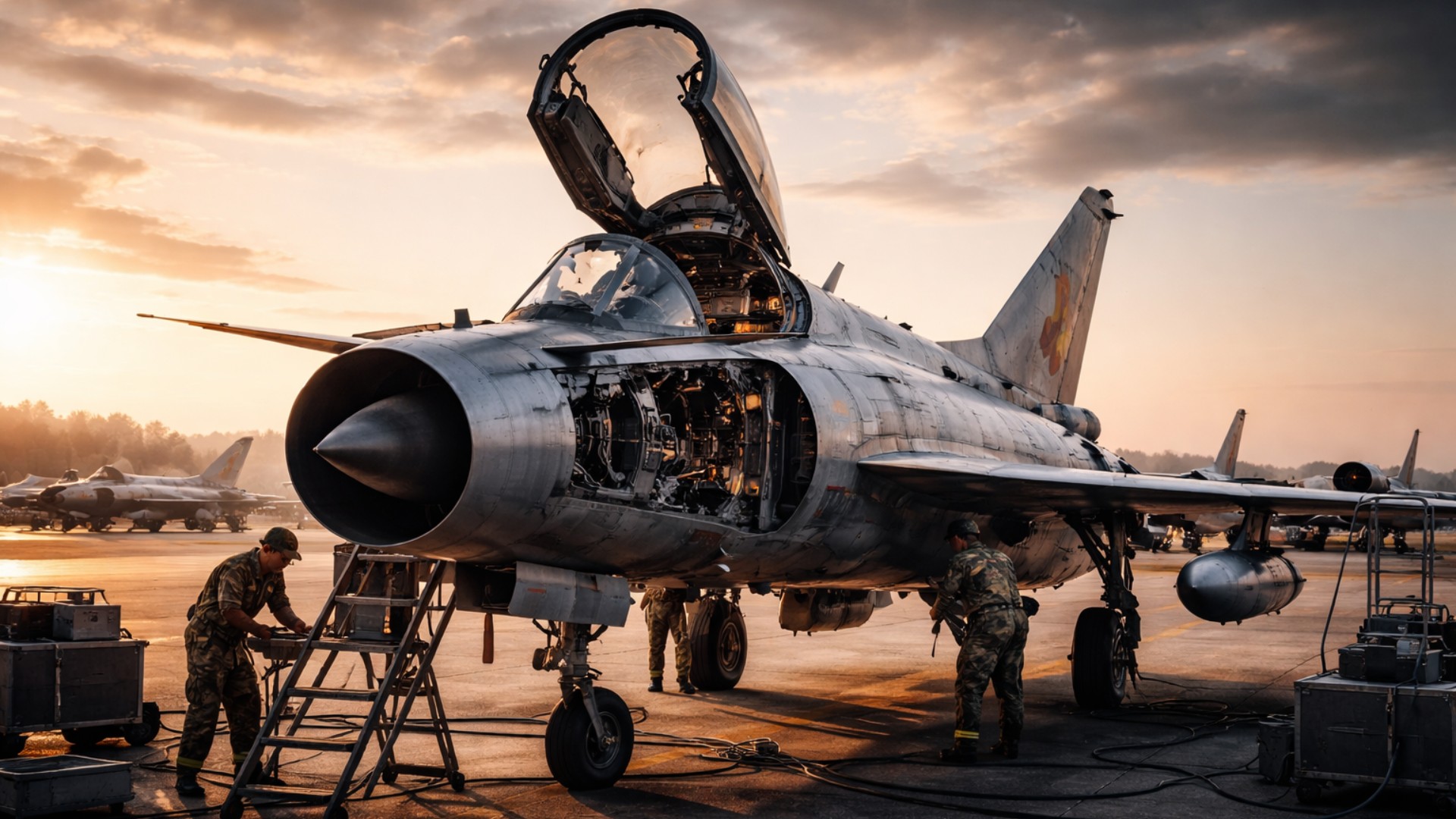
China retires the J-7 fighter after years of military protection and can now transform military items into drones, following more than 60 years of operation of the J-7, derived from the MiG-21, with thousands of units produced and strategic use in the PLAAF and PLANAF.
-
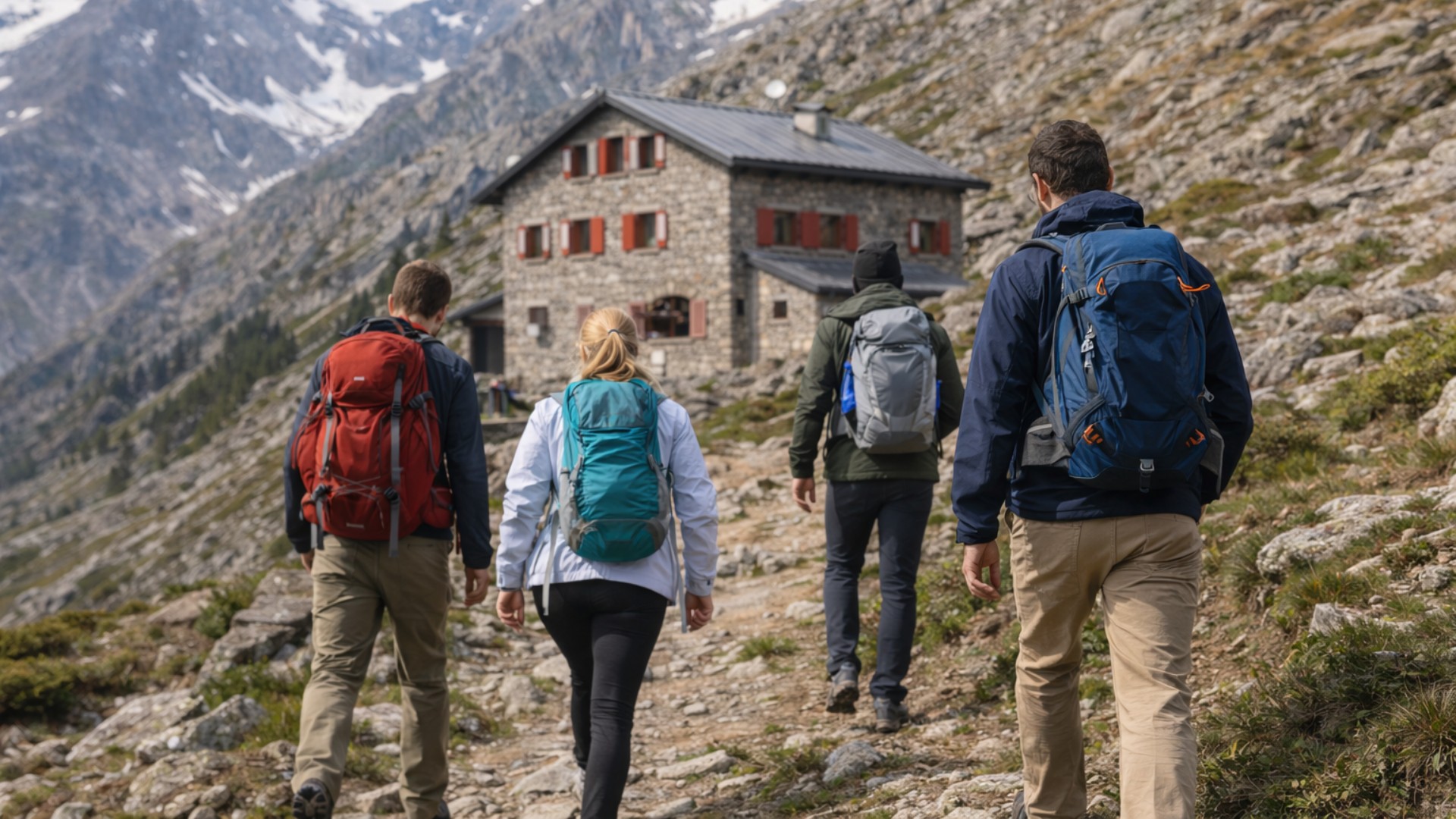
Volunteers are sought to live in the mountains for a month: a study pays people to stay at 2,500 meters, with 24-hour monitoring of sleep, metabolism, and blood pressure.


This logic helps explain why the system remains crowded every day. Where the road network does not solve everything, the ferry absorbs excess demand and keeps the city functioning. It is on the river that people cross to work, study, trade goods, and fulfill daily tasks that cannot wait.

Who Sustains the Operation on Every Voyage

The operation does not depend solely on the captain. A large ferry operates with over a dozen workers, including experienced professionals and young recruits.
Each one fulfills specific tasks, such as ticketing, assisting with luggage, organizing boarding, and managing the mooring lines at docking times.

Salam represents the generation that learned the trade through practice, following the evolution of vessels without losing focus on operational survival.
The human experience is as important as the mechanics: understanding the river’s behavior, anticipating the movements of other vessels, and maintaining team discipline are decisive factors in avoiding incidents.
How Much Fits, How Long It Lasts and How Life on Board Works
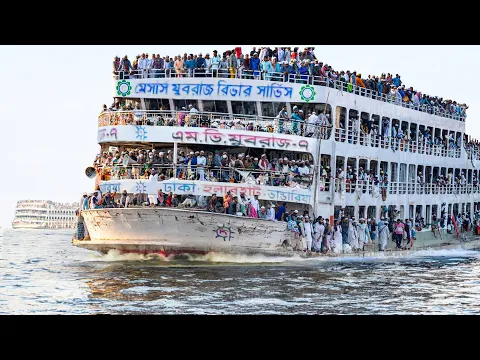

The duration of the trip varies depending on the destination: it can be short, just a few minutes, or extend for hours. In this interval, the overcapacity puts pressure on boarding and disembarking, which usually occur at a tense pace, with little room for error and the need for constant coordination between crew and passengers.
Inside the ferry, the structure is usually simple, with basic areas for food and socializing. In some cases, there are more comfortable spaces, charged separately, but most passengers remain on the open decks.
Those who depend on the daily route prioritize cost and speed, while occasional visitors tend to seek enclosed areas due to pollution and environmental discomfort.
Where the Risk Increases: Old Engines and Berthing

One of the most sensitive points is in the engine room. Many vessels operate with engines that have undergone numerous repairs, requiring almost continuous vigilance.
This forces the crew to master navigation and maintenance systems, even under extreme heat, high noise levels, and accumulated physical wear.
Docking is often the most dangerous stretch of the journey. With heavy traffic on the river and a limited field of vision at certain angles, the captain relies on real-time communication to maneuver without collisions. It is at this moment that seconds make a difference, and any disorganization during disembarking can increase the risk for everyone on board.
Why the Ferry Remains Essential Despite Failures

Despite structural limitations, the ferry remains essential because it combines availability, reach, and affordable cost for large contingents.
Without it, a significant part of the city would lose quick connection between banks, which would affect employment, supply, and essential services in a chain reaction.
At the same time, the problems are well known: overcrowding, an aging fleet, and insufficient safety protocols in certain stretches.
There are initiatives to update regulations, improve terminals, modernize vessels and raise operational standards.
The real challenge is to turn isolated improvements into continuous systemic gains, without interrupting the daily operation of a critical service.
The routine of the ferry in Dhaka shows how a city can depend on a system that operates at the limit: it is vital for millions of movements and, at the same time, coexists with permanent operational risks.
At the center of this balance is the work of teams that keep mobility active under constant pressure.
From your point of view, what is the acceptable limit between necessity and safety in public transport? Have you ever experienced a similar routine, where the daily commute felt inevitable even under precarious conditions? Share your experience and let us know what concrete change should come first.







-

-

-

-

-

-

26 pessoas reagiram a isso.