





 Portuguese
  English
  Spanish
  5 min of reading
  0 comments


Unprecedented Phenomenon Concerns Scientists By Revealing How Record Drought, High CO2, Insects, And Intense Fires Accelerate The Death Of Ancient Trees, Threatening Biodiversity, Climate, And The Future Of Forests
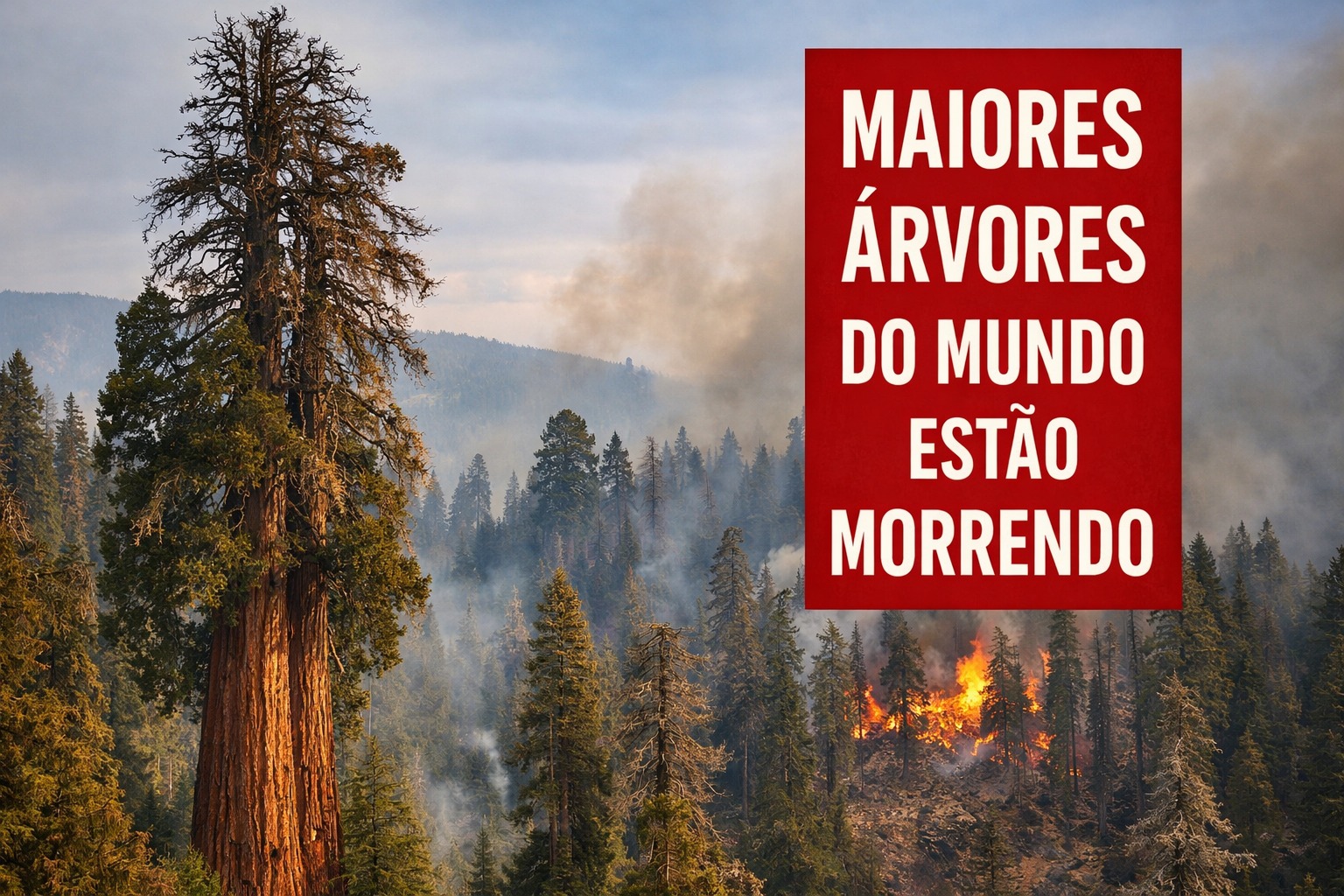
California is home to some of the largest and oldest trees on the planet. The California giant sequoias can live for over 3,000 years, with trunks that can be as long as two cars and branches that stretch nearly 90 meters toward the clouds.
Symbols of resilience and longevity, they have survived centuries of natural transformations. However, in recent years, something unexpected has begun to capture the attention of scientists and environmental managers: these monumental trees have started dying from the top down, a phenomenon never documented before, according to this article from National Geographic Brasil on January 27 of this year.
Within Sequoia and Kings Canyon National Parks, amid a record drought, researchers noticed that something was wrong.
-
Xiaomi TV Stick HD 2 is announced with Google TV and dual-band Wi-Fi, offering 38% superior performance, HDR10+, Dolby Atmos, a quad-core chip, Mali-G31 GPU, 1 GB RAM, and support for 1080p at 60 Hz.

-
Brazil joins the select group of countries by producing a supersonic fighter that reaches 2,400 km/h with advanced electronic warfare technology, US$ 4 billion in investments, 36 units planned, 350 trained engineers, and unprecedented national production by 2032.

-
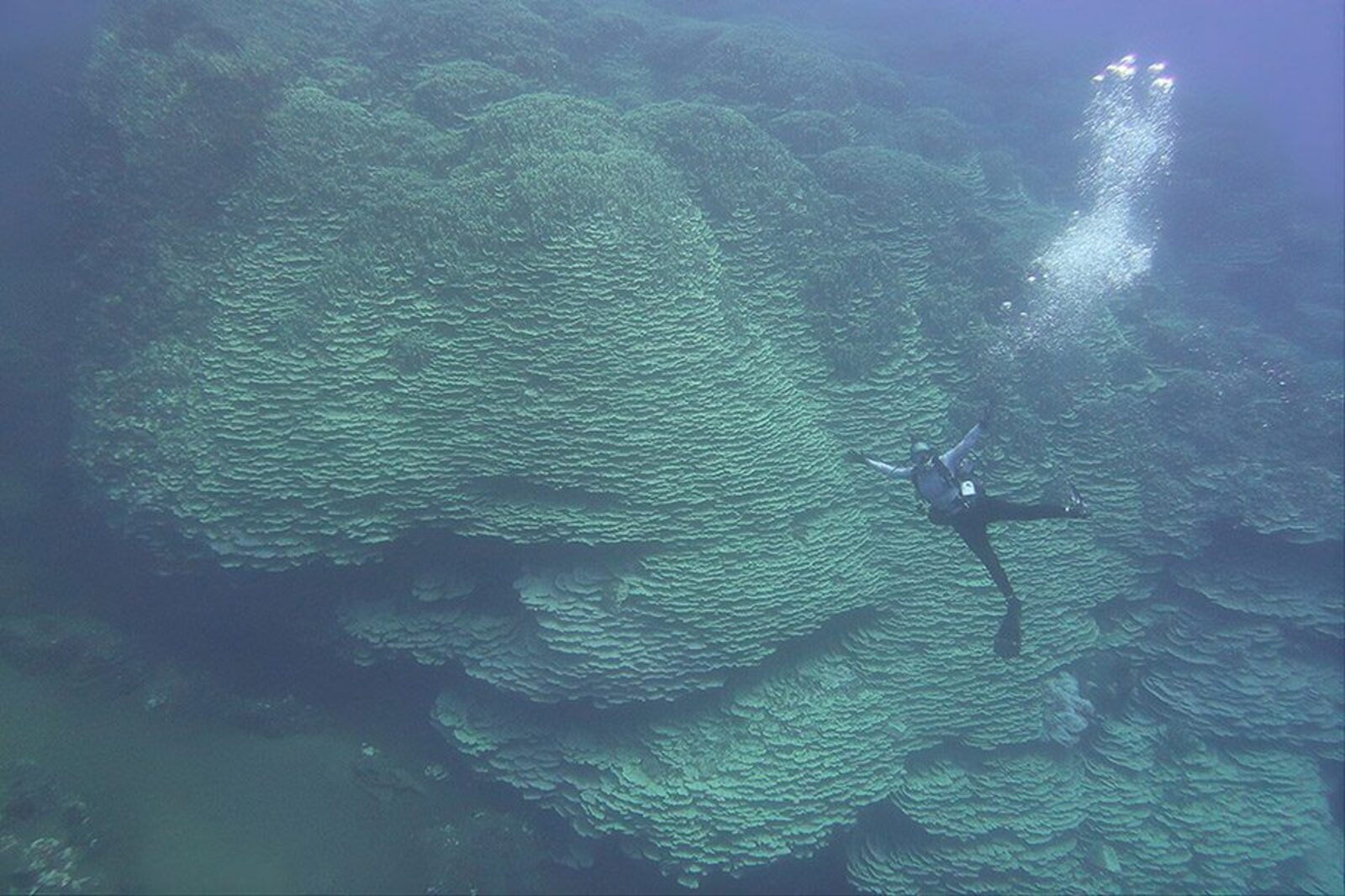
At the bottom of the sea, scientists have found a true underwater cathedral measuring 62 meters at the base, 31 meters at the top, and 1,347 square meters of giant coral in the Maug Islands, estimated to be 2,050 years old.
-
Surrounded by the sea, the airport will have a system to prevent airplanes from falling into the water; technology will be installed in Ilhéus (BA), with an investment of R$ 70 million.


What seemed improbable began to be confirmed in the field. The main suspect was not a traditional enemy, such as direct deforestation, but CO₂, acting in a way that few imagined.
A Concerning Signal Observed For The First Time
In 2019, at least 38 trees had died in these protected areas. The number, in isolation, did not seem large. Still, it raised alarms.
“It’s concerning because we’ve never seen this before,” said Christy Brigham, chief of resource management at the park.
The death of these sequoias raised a broader alert about the state of global forests and coincided with intensified debates surrounding World CO2 Emissions Reduction Day, established by the United Nations and celebrated annually on January 28.
The case of the sequoias is not isolated. Experts observe that larger and older trees are dying at increasing rates in various regions of the world.
These natural sentinels, which took centuries to grow, are among the most vulnerable to recent climate changes.
Younger And Less Resilient Forests
A study published in the scientific journal Science indicates that the increase in mortality is rejuvenating forests.
This process threatens biodiversity, eliminates vital habitats for plants and animals, and reduces the ability of forest ecosystems to store the excess carbon dioxide generated by fossil fuel consumption.
“We’re seeing this almost everywhere we look,” states Nate McDowell, the study’s lead author and earth scientist at the Pacific Northwest National Laboratory of the U.S. Department of Energy.
According to him, the loss of the oldest trees profoundly alters the functioning of forests.
To reach this diagnosis, nearly two dozen scientists analyzed more than 160 previous studies and cross-referenced this information with satellite imagery.
The result showed that from 1900 to 2015, the world lost more than one-third of its ancient forests.
In regions such as Canada, the western United States, and Europe, where historical records are more detailed, mortality rates have doubled in the past four decades.
Climate Change Expands Old Threats
There is no single direct cause for this scenario. Decades of logging and deforestation have played an important role, but scientists emphasize that the increase in temperatures and carbon dioxide from fossil fuel burning has intensified nearly all stress factors.
Longer droughts, more severe outbreaks of insects and diseases, and increasingly catastrophic wildfires are being registered from Israel to Mongolia.
“We will see fewer forests,” says Monica Turner, a forest ecologist at the University of Wisconsin. She believes there will be areas where forests currently exist that simply will not exist in the future.
This scenario is already beginning to materialize on different continents, with ecological impacts that are difficult to reverse.
In the case of California’s giant sequoias, the surprise was even greater. When climbing into the treetops, researchers found cedar bark beetles boring into branches.
These insects had already devastated hundreds of millions of pines in North America, but it was believed that sequoias, protected by repellent tannins, were immune.
The combination of intense drought and wildfires, worsened by climate change, may have broken this natural resistance.
More Intense Fires And Forests That Don’t Regenerate
The fire, which under normal conditions helps some species regenerate, has begun to act destructively.
The heat from the flames often releases seeds from twisted pines, but in 2016, a new fire hit areas that had not been burned for less than 30 years since the 1988 fire.
In a warmer and drier world, these new fires burned with greater intensity, destroying nearly everything in some locations.
“When I returned, I was just amazed,” reports Turner. “There were places where no small trees remained. None.” Similar situations were observed in 2019 when gigantic fires ravaged dry Australia, burned 7.4 million acres in northern Siberia, and drew global attention to the flames in the Amazon.
In the Amazon rainforest, the dry seasons have become longer and more frequent. Rainfall decreased by up to a quarter, and when it occurs, it often falls in torrents, causing massive floods in three of the six seasons between 2009 and 2014.
This imbalance is already altering species composition, favoring trees that grow quickly and better withstand dry conditions.
A Chain Reaction In Ecosystems
The consequences of these transformations are still being assessed. In Israel, the first national analysis of tree mortality revealed the disappearance of vast forest areas, largely due to extreme heat and fires.
In a country largely covered by stones and sand, forests play an essential role: they support eagle nests, provide shelter for wolves and jackals, and stabilize the soil.
“Trees are large plants that project ecosystems for all other plants and animals,” explains Tamir Klein from the Weizmann Institute of Science.
According to him, without trees, species that depend on shade are exposed to higher temperatures and intense light, altering the entire environmental balance.
Earlier this month, Klein met with the Israeli forestry chief to discuss the future of the forests in the south of the country, which may not survive this century.
The proposed solution includes replacing pines and cypresses with acacias, which are more heat-resistant. “It’s sad,” admits Klein. “It won’t look the same, but it’s better than a barren land.”
Old Warnings And An Uncertain Future
The signs of this crisis had already appeared in the early 2000s when McDowell observed fields of dead junipers and piñon pines in the southwestern United States.
A heatwave had destroyed 30% of the pines over more than 4,500 square miles. Later studies showed a direct relationship between extreme heat and tree death, with projections indicating that by 2050, temperatures considered rare in the past could become normal.
Although many changes seem inevitable, experts emphasize that reducing fossil fuel emissions can still make a difference.
A scenario documented by Turner suggests that reducing CO2 in the coming decades could cut future forest loss in Grand Teton National Park by half.
Still, the challenge is enormous and requires difficult decisions, such as rethinking which species to plant and how to preserve what remains of this secular natural heritage.
With information from National Geographic Brasil.






-

-

3 pessoas reagiram a isso.