





 Portuguese
  English
  Spanish
 4 min of reading
  0 comments


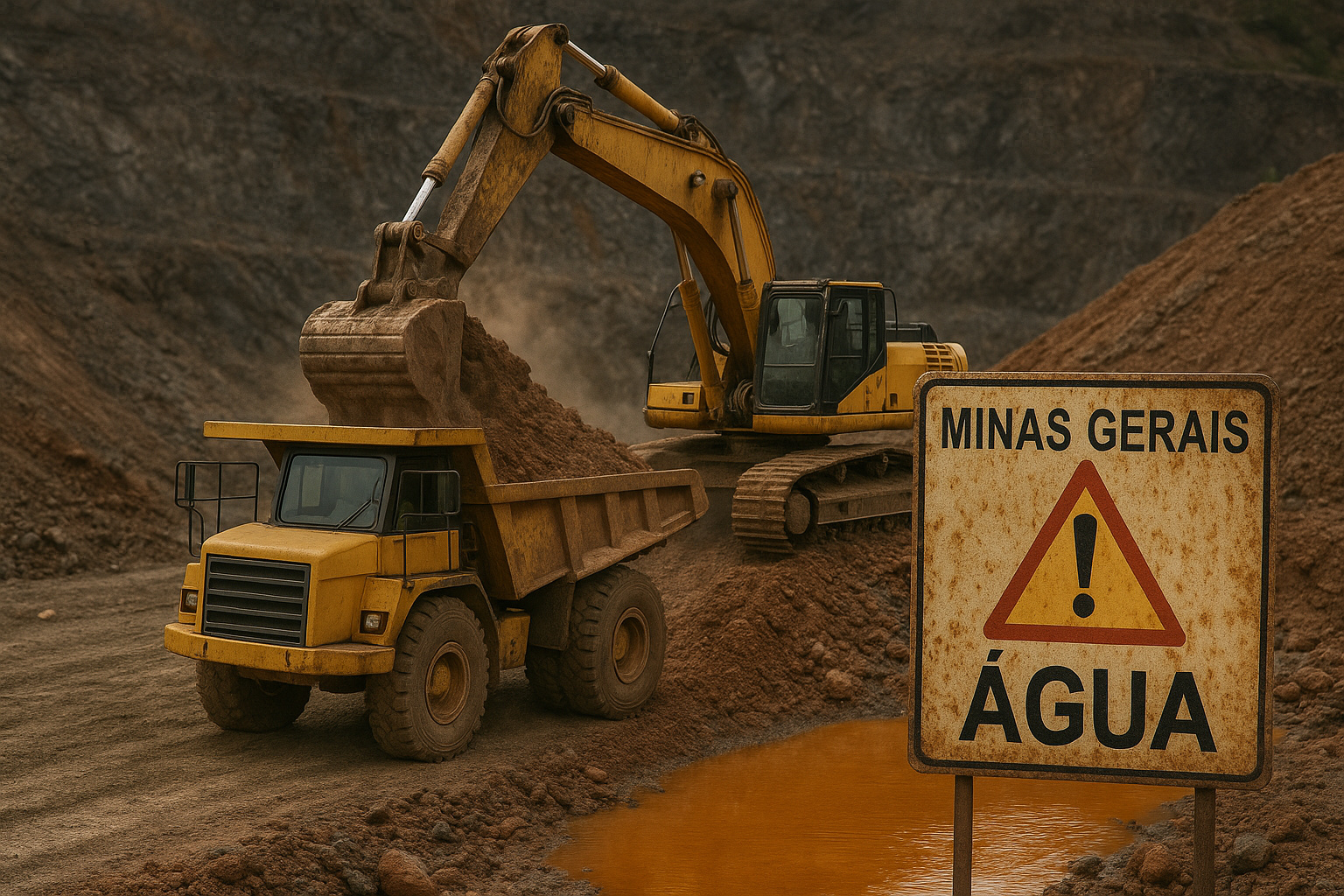
Mining Advancements Starting in 2023 Raise Aluminum Levels in Soil and Water, Exposing About 50,000 Residents and Pressuring Environmental Authorities in Northeastern Minas Gerais
The expansion of lithium mining is advancing in the Vale do Jequitinhonha, in Minas Gerais, mobilizing researchers, public agencies, and local communities. Since 2023, the launch of the Vale do Lítio program by the state government has accelerated the exploration of this strategic mineral.
At the same time, the activity has raised economic expectations and intensified environmental contamination risks. In Araçuaí, with about 35,000 inhabitants, and Itinga, with approximately 15,000 residents, mining has started to coexist with scientific warnings about soil and water, according to analyses by Pesquisa FAPESP.
Until 2023, the Companhia Brasileira de Lítio (CBL) concentrated operations in the region. Subsequently, the Canadian company Sigma Lithium began commercial production and expanded its industrial presence.
-
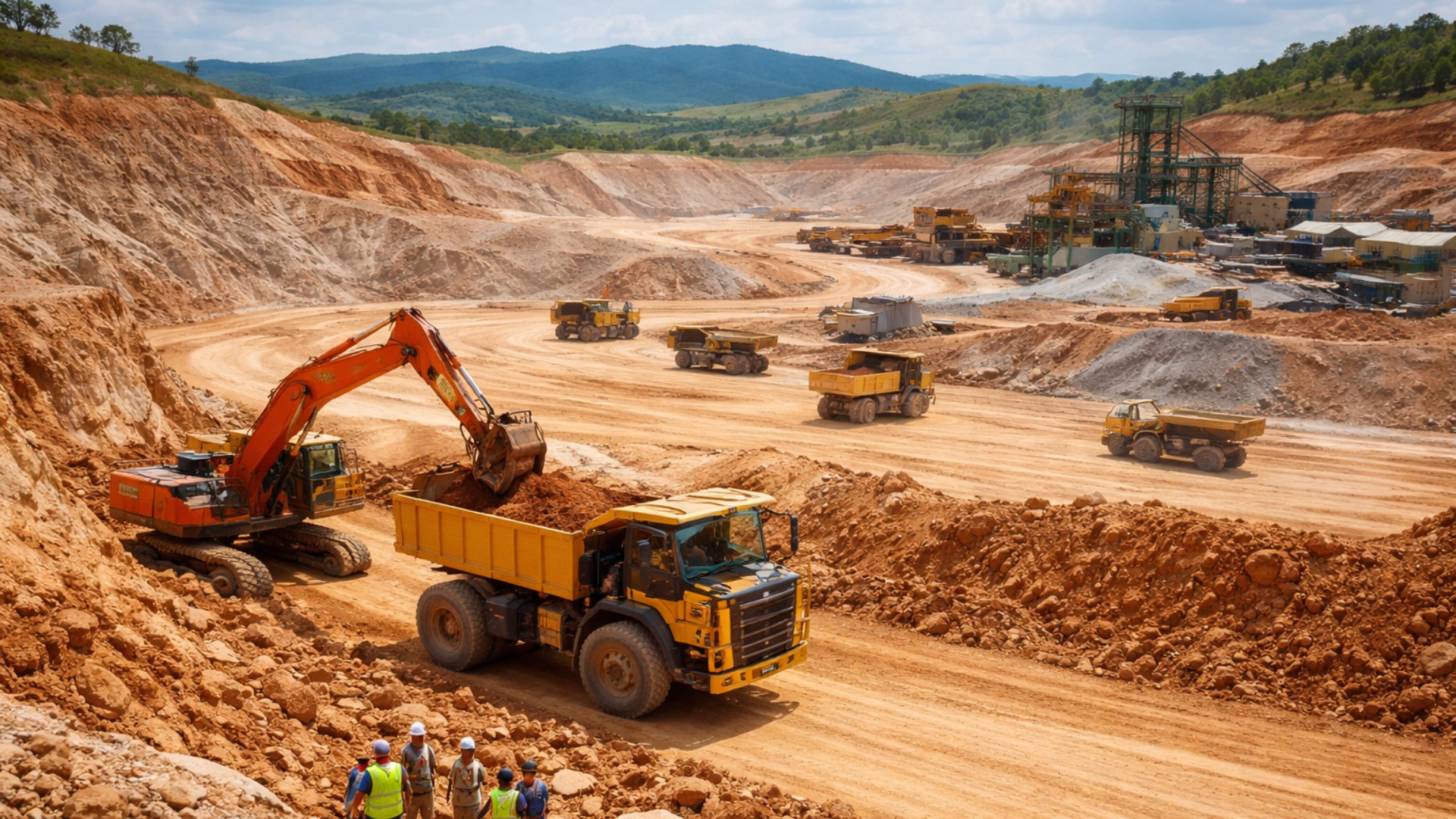
After China, it’s now the turn of the USA to ‘secure’ a share of Brazil’s natural resources: the country buys critical rare earths for R$ 3 billion and enters the center of the global technology dispute.
-
Rare earths are in everything, from cell phones to bullet trains, and what almost no one realizes is why they have become the target of such a delicate global war.
-
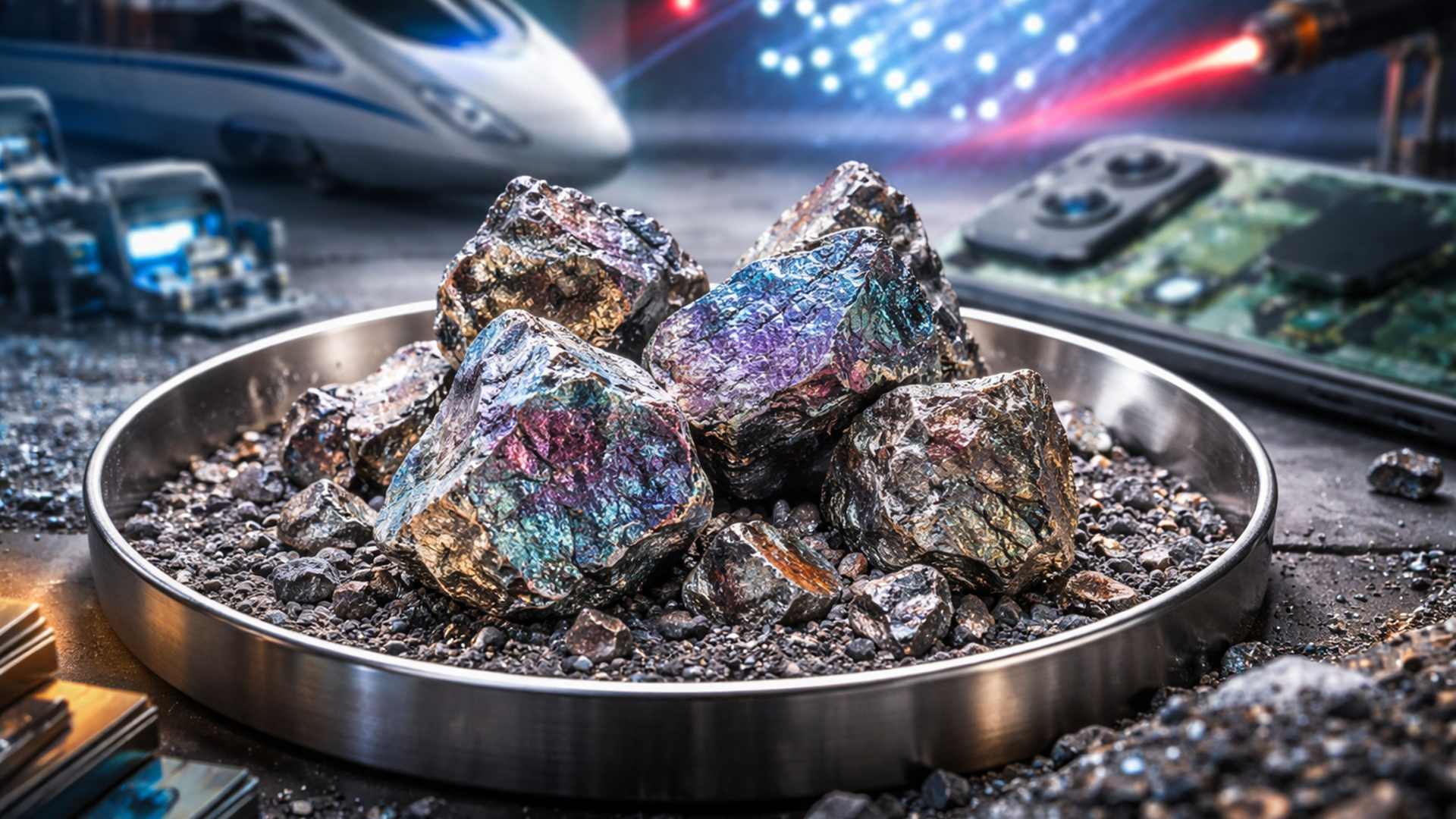
Brazil extracts 26.3 million tons of ore from what was previously treated as waste, transforming residues into wealth, producing over 3 million tons of sand, and demonstrating how national mining is relearning to generate value.
-
A $3.5 billion megaproject in Latin America pumps desalinated seawater at 1,050 liters per second over 194 km to keep a copper supermine in the Andes operational for another 20 years.
In addition, companies such as Lithium Ionic, Atlas Lithium, Latin Resources, and the Chinese BYD acquired areas for mineral research. As a result, the sector has rapidly expanded its operations in the territory.
Technical Investigation Reveals Chemical Risk Associated with Spodumene

In Brazil, the industry extracts lithium mainly from spodumene, found in pegmatitic rocks. During extraction, mechanical and chemical processes release mineral nanoparticles containing aluminum, a potentially toxic element.
Agricultural engineer Alexandre Sylvio Costa from Universidade Federal dos Vales do Jequitinhonha e Mucuri (UFVJM) explains that mining companies accumulate aluminum-rich waste in open-pit tailings.
When it rains, water washes this material across the surface and infiltrates the soil. This process directly increases environmental contamination.
In light of this situation, researchers from UFVJM, in partnership with CBL, developed a technical alternative. They analyzed the waste generated after the calcination of spodumene.
After treatment with sulfuric acid, the process generates aluminum silicate. In October 2025, a study published in the International Journal of Geoscience, Engineering and Technology showed that the treated material becomes non-reactive.
Furthermore, the treated silicate promotes flocculation, attracts dispersed particles, and aids in water purification.
Studies Indicate Contamination Above Recommended Limits
Despite these solutions, risks persist. Geologist Edson Mello from Universidade Federal do Rio de Janeiro (UFRJ) states that lithium mining increases the release of chemical elements into the environment.
In partnership with Cássio Silva from the Companhia de Recursos em Pesquisas Minerais (CRPM), Mello analyzed samples of soil, vegetation, and water.
The teams collected the materials between 2008 and 2009 in the vicinity of Araçuaí and Itinga. All analyses recorded aluminum levels above the recommended.
An article published in August 2025 in the Journal of Geological Survey showed that 60% of the soil samples reached an average of 30.7 mg/kg. This value nearly doubled the 17.7 mg/kg found in non-mining areas.
In water, researchers identified an average of 0.405 mg per liter, above the limit of 0.05 to 0.2 mg/L defined by the Ministry of Health.
Based on this data, Cássio Silva estimated that about 50,000 residents face a high risk. Excess aluminum compromises bones, muscles, and the central nervous system.
The researchers forwarded the results to companies and public agencies in Minas Gerais. So far, local governments and Sigma Lithium have not responded to the requests.
Social Impacts Reinforce Tension in Communities
In addition to the technical data, social impacts have gained strength. In November 2024, sociologist Elaine Santos from the National Laboratory of Energy and Geology in Portugal traveled through the Vale do Jequitinhonha.
During the visit, residents reported cracks in houses, which they attributed to blasts from the mining companies. They also described constant dust and continuous noise from machinery.
Agência Brasil recorded these testimonies in a report published in October 2025.
Similar scenarios appear in other lithium-producing countries. In the Chinese province of Yichun, researchers observed a significant increase in fine atmospheric particles.
A study published in April 2025 in the journal EixosTech detailed this advancement.
In the northwest of Argentina, the main issue involves water consumption. Researchers warned of the direct impact on subterranean aquifers.
An article published in February 2025 in the journal Heliyon revealed that a mine consumes 51 m³ of water per ton of lithium carbonate. This volume represents about 30% of the freshwater in the Salar de Olaroz-Cauchari.
Oversight, Transparency, and the Future of Mining
In light of this context, experts advocate for more transparency, continuous oversight, and dialogue with communities. They also highlight the importance of public hearings and ongoing environmental studies.
The resolutions Conama nº 001/1986 and nº 237/1997 guarantee popular participation in environmental licensing. However, the journal EixosTech points out that the lack of inspectors and resources limits the performance of the Agência Nacional de Mineração (ANM).
In September 2025, prosecutor Helder Magno da Silva from the Federal Public Ministry recommended the suspension and review of research and extraction permits for lithium in the Vale do Jequitinhonha.
Additionally, he demanded previous, free, and informed consultation with local populations before new concessions.
With the growing global demand for lithium, the central question arises: how to reconcile economic development, environmental protection, and public health to ensure real benefits for the affected communities?





Seja o primeiro a reagir!