





 Portuguese
  English
  Spanish
  2 min of reading
  0 comments


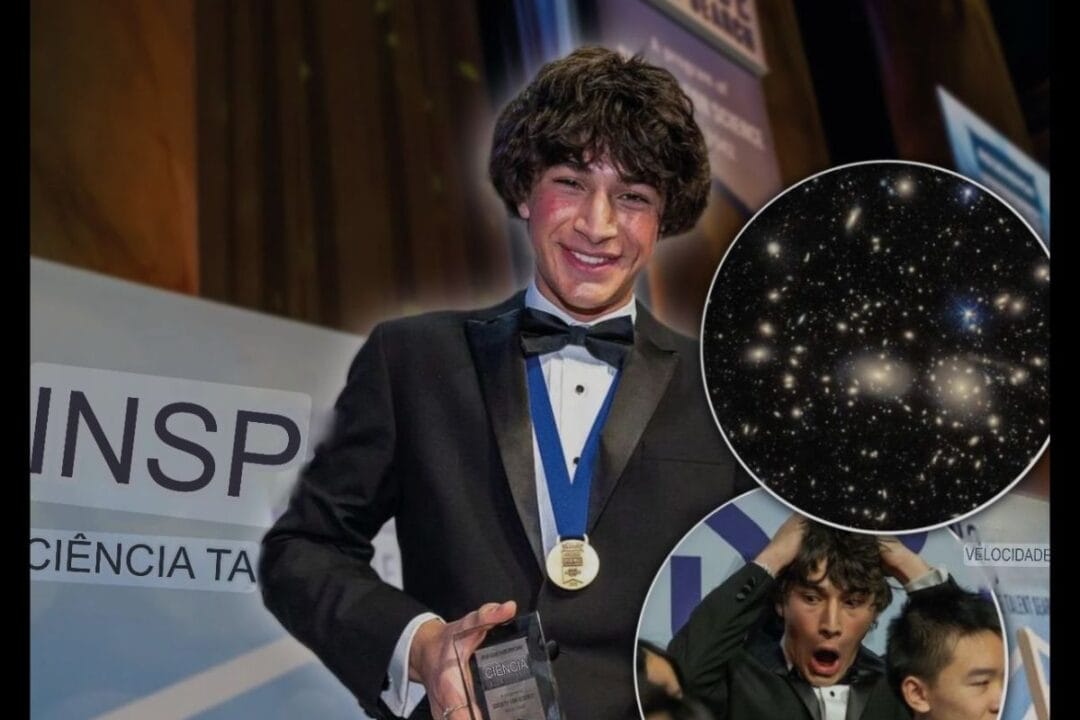
Using a Laptop and Persistence, Student Matteo Paz Discovered 1.5 Million Space Objects and Can Solve One of the Biggest Mysteries of the Cosmos.
At 18, Matteo Paz took first place in the Regeneron Science Talent Search, a $250,000 award, after developing an AI algorithm that analyzed NASA data and identified supernovas, black holes, and previously uncataloged objects. His research is already used by scientists at Caltech and could redefine the understanding of the universe’s expansion.
Discovery of 1.5 Million Space Objects Using AI
Matteo Paz, a high school student, revolutionized astronomy by discovering 1.5 million new space objects. It all began during an internship at NASA, where he had access to 200 terabytes of infrared data. With a regular laptop and an AI algorithm he developed, Matteo mapped regions never before explored.
How Matteo Paz’s Internship at NASA Changed Modern Astronomy
The internship at NASA was the starting point. Matteo created a system capable of processing complex data from space telescopes. His algorithm identified patterns imperceptible to traditional methods, revealing supernovas, black holes, and unknown celestial bodies. Many of these objects had never been recorded by science.
-
Xiaomi TV Stick HD 2 is announced with Google TV and dual-band Wi-Fi, offering 38% superior performance, HDR10+, Dolby Atmos, a quad-core chip, Mali-G31 GPU, 1 GB RAM, and support for 1080p at 60 Hz.

-
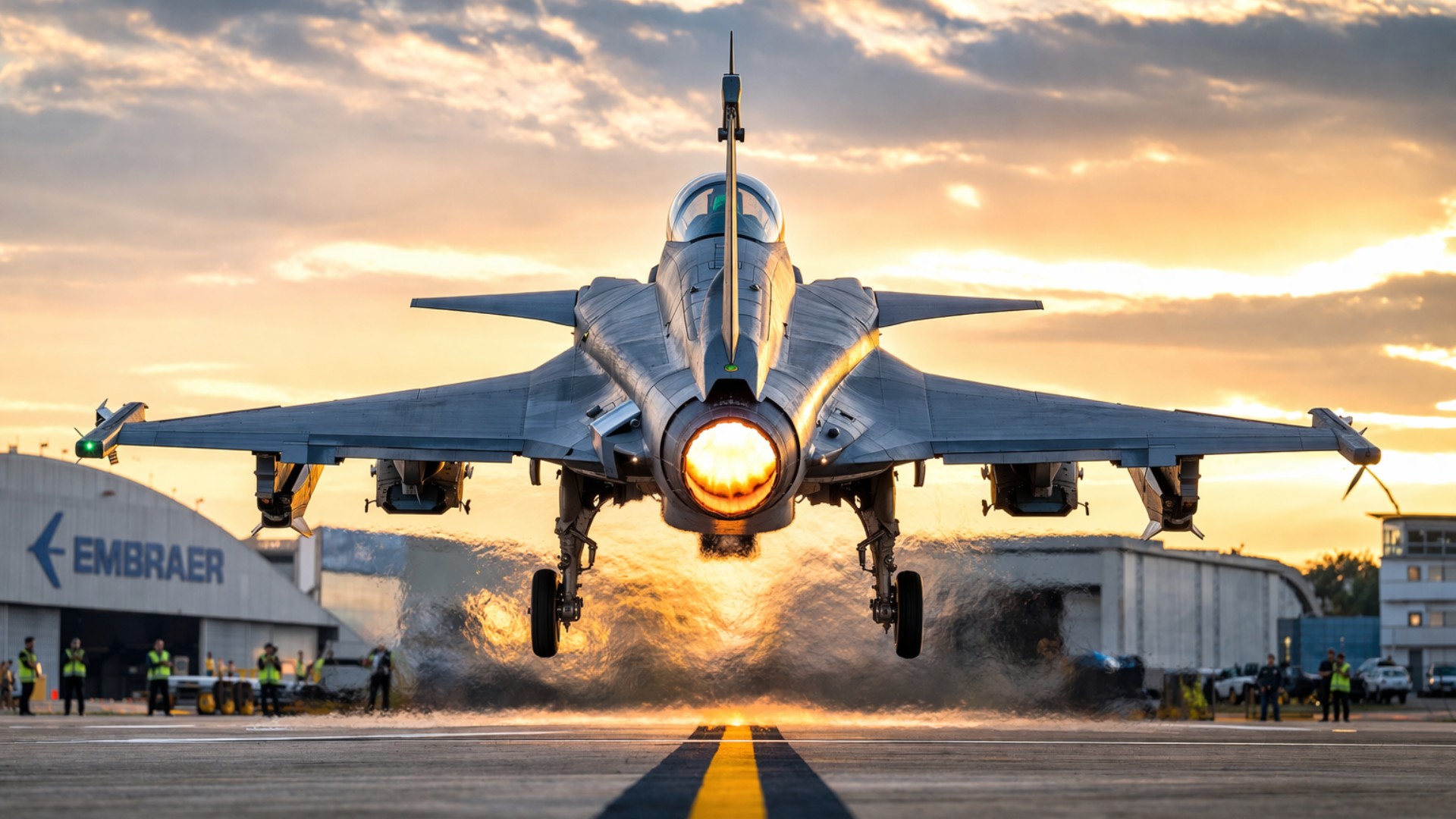
Brazil joins the select group of countries by producing a supersonic fighter that reaches 2,400 km/h with advanced electronic warfare technology, US$ 4 billion in investments, 36 units planned, 350 trained engineers, and unprecedented national production by 2032.
-
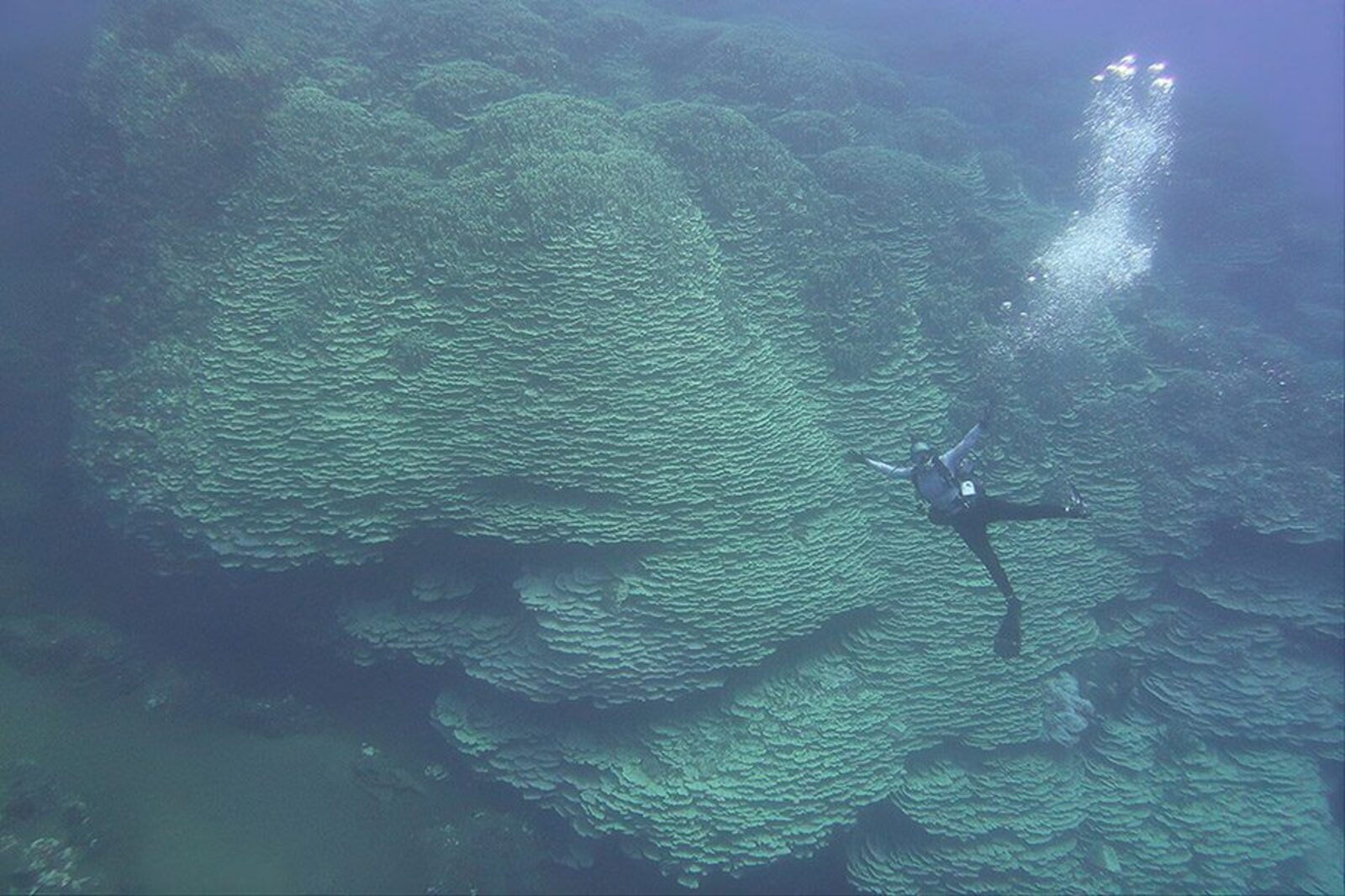
At the bottom of the sea, scientists have found a true underwater cathedral measuring 62 meters at the base, 31 meters at the top, and 1,347 square meters of giant coral in the Maug Islands, estimated to be 2,050 years old.
-
Surrounded by the sea, the airport will have a system to prevent airplanes from falling into the water; technology will be installed in Ilhéus (BA), with an investment of R$ 70 million.


Algorithm Analyzes 200 TB of Data and Reveals Cosmic Secrets
The analysis of 200 terabytes of infrared data required precision. Matteo’s algorithm not only cataloged objects but also cross-referenced information to understand their properties. Among the discoveries are pieces of evidence that could help calculate the actual rate of the universe’s expansion – an old debate in astrophysics.
Matteo’s discovery has direct implications in cosmology. By identifying objects related to high-energy phenomena, such as supernovas, his research provides clues to calibrate the “Hubble constant”. This value defines the rate of the universe’s expansion and has been a subject of disagreement among scientists for decades.
Award and Recognition in the Regeneron Science Talent Search
Matteo’s work secured first place in the Regeneron Science Talent Search, a competition that recognizes young scientists in the U.S. The $250,000 prize attests to the potential of the research, which has already been adopted by institutions like Caltech. For Matteo, this achievement proves that innovation does not depend on expensive resources, but on creativity and persistence.








-

-

3 pessoas reagiram a isso.